 Uncorked Conversations
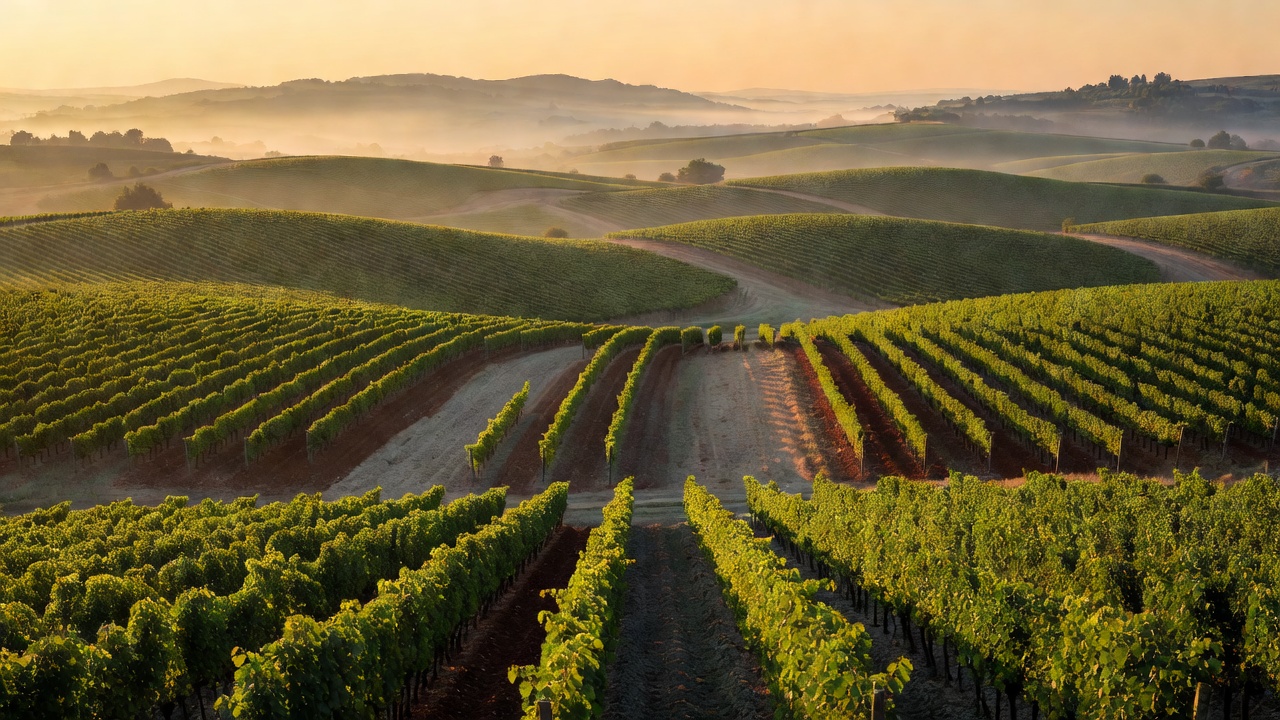
Introduction to Terroir in Wine
Many wine beginners notice that bottles made from the same grape, such as Cabernet Sauvignon or Chardonnay, can taste remarkably different depending on where the grapes were grown. This variation stems from terroir, a French concept that captures the unique environmental factors shaping each vineyard site. Understanding terroir helps new enthusiasts appreciate why wines from Bordeaux differ from those in Napa and empowers smarter selections at the store or restaurant.
Terroir encompasses soil composition, climate patterns, topography, and even local winemaking traditions. While the grape variety provides the foundation, terroir adds distinctive layers of flavor, aroma, and structure. This guide breaks down the concept into accessible parts with practical examples and tasting exercises so beginners can connect abstract ideas to real bottles they encounter every day.
What Exactly Is Terroir?
Terroir refers to the complete set of natural elements in a vineyard that influence grape quality and the resulting wine. It goes beyond simple location to include the interaction between the vine and its surroundings. The term originated in France and remains central to European wine law, where appellations protect wines tied to specific places and prevent imitation from outside the zone.
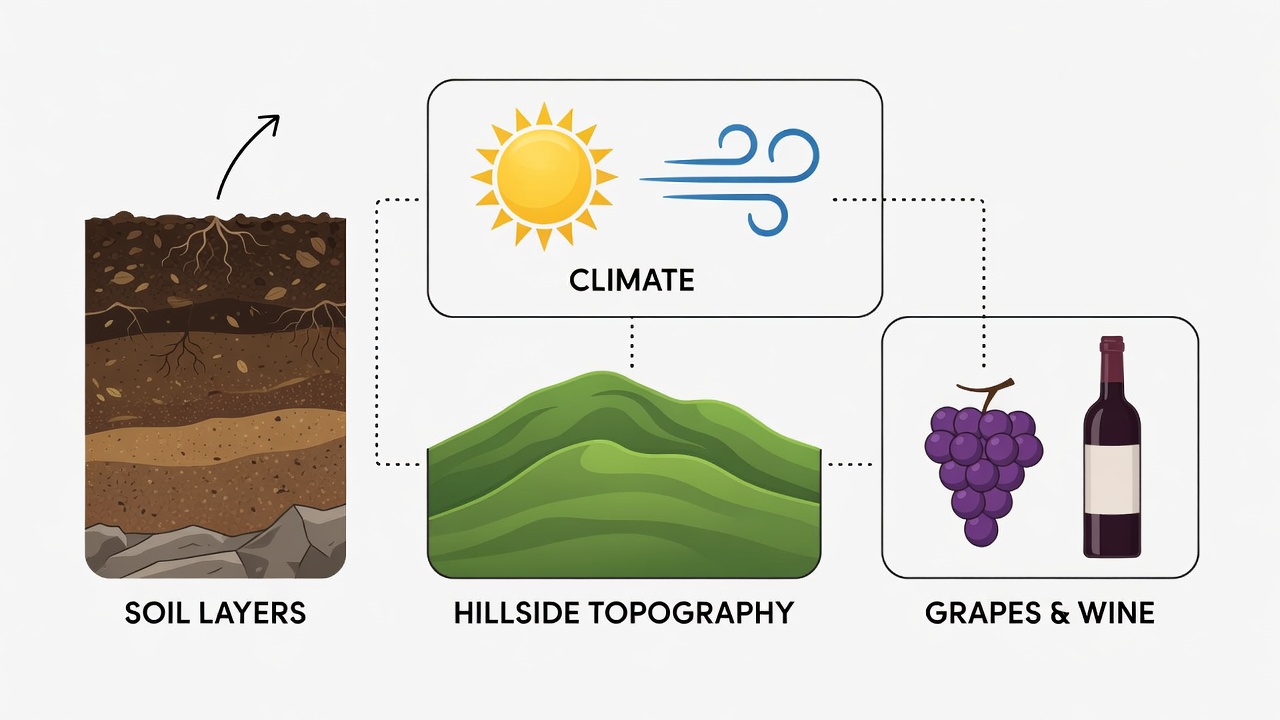
In practice, terroir explains why two vineyards just a few kilometers apart can produce wines with noticeably different profiles. Factors like mineral content in the soil or the direction a slope faces create these distinctions. Beginners can start by focusing on the three main pillars: soil, climate, and topography, then gradually add nuance from human practices such as pruning and fermentation choices that interact with the natural setting.
Key Elements of Terroir
Soil Composition
Soil affects how vines absorb water and nutrients. Gravelly soils drain quickly and stress vines, often leading to concentrated flavors and firm tannins. Clay soils retain more moisture, producing fuller-bodied wines with softer textures. Limestone soils contribute bright acidity and minerality, common in classic regions and responsible for the crisp finish many associate with Champagne and Chablis. Volcanic soils add unique ash-derived minerals that can produce smoky or flinty notes in wines from places like Santorini or parts of Oregon.
Climate Influences
Climate determines ripening speed and flavor development. Cool climates preserve acidity and produce lighter wines with herbal or citrus notes. Warm climates yield riper fruit flavors and higher alcohol. Vintage variation, caused by yearly weather differences, further highlights climate’s role and teaches beginners that even within one vineyard the same terroir can express itself differently from one harvest to the next.
Topography and Aspect
Hillside vineyards receive more sunlight and better drainage than flat sites. Elevation affects temperature, with higher altitudes often cooler and capable of retaining freshness. Slope direction matters too—south-facing slopes in the Northern Hemisphere capture more sun while north-facing slopes in the Southern Hemisphere do the same. These micro-variations create distinct vineyard parcels even within a single estate.
Real-World Examples: Bordeaux and Napa
Bordeaux in France showcases terroir through its gravel and clay soils along the Gironde estuary. Left Bank wines from gravelly Médoc soils tend toward structured, age-worthy Cabernet Sauvignon with notes of cedar and graphite. Right Bank wines from clay-heavy Pomerol deliver softer, merlot-driven expressions rich in plum and chocolate. These differences arise directly from local geology and river influence that moderates temperature and humidity.
Napa Valley in California offers a contrast with volcanic soils and varied elevations. Oakville’s benchland sites produce powerful, fruit-forward Cabernet Sauvignon marked by blackberry and vanilla from American oak aging. While cooler Carneros benefits from morning fog and produces elegant Chardonnay with crisp apple and mineral tones. Napa’s Mediterranean climate amplifies ripe fruit character compared with Bordeaux’s more restrained style, illustrating how the same grape variety adapts to different terroirs.
Learn more about terroir concepts from Britannica. Beginners can also explore regional specifics through official Bordeaux resources and Napa Valley tourism and education sites.
Old World vs New World Terroir Expressions
Old World wines from Europe emphasize place and tradition, often showing earthy or mineral notes shaped by centuries of vineyard mapping and strict appellation rules. New World wines from regions like California, Australia, and Chile highlight ripe fruit and approachable styles enabled by newer plantings and modern techniques. The same grape can therefore express restraint and earthiness in Burgundy yet exuberance and jam-like fruit in Sonoma. Understanding this spectrum helps beginners choose bottles that match their palate preferences while still honoring origin.
Step-by-Step: Identifying Terroir During Tasting
- Start with the label. Note the region, vineyard name, and vintage to research soil and climate basics beforehand using maps or producer websites.
- Observe color and aroma first. Mineral or earthy scents may hint at limestone or volcanic soils while dark fruit suggests warmer sites.
- Taste for structure. High acidity often signals cooler climates or specific soils, while tannins reveal ripeness influenced by sun exposure and drainage.
- Compare two wines side by side. Choose the same grape from different regions and note flavor contrasts, then repeat the exercise with three or four bottles over several weeks.
- Repeat with multiple vintages to separate consistent terroir traits from yearly weather effects and build a personal database of patterns.
Practical Tips for Everyday Wine Selection
- Choose regional bottles when exploring new terroirs rather than generic varietal labels that reveal little about origin.
- Look for single-vineyard designations that highlight specific sites and often command higher quality.
- Pair knowledge with food: mineral-driven wines complement seafood and salads, while richer terroir expressions suit grilled meats and aged cheeses.
- Visit local shops with knowledgeable staff and request terroir-focused recommendations based on your favorite grape.
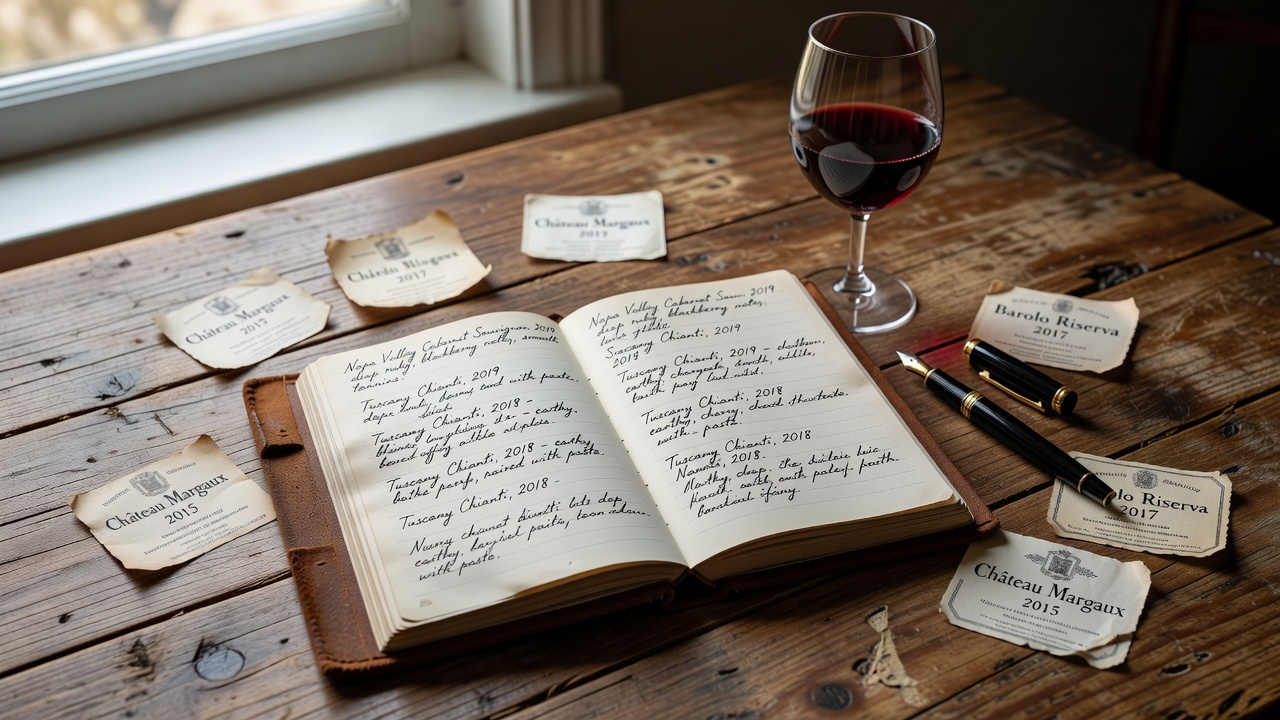
- Keep tasting notes to track patterns across regions over time and refine your buying decisions.
- Experiment with lesser-known regions that share similar soils to famous areas for value-driven discoveries.
Mistakes Beginners Often Make
One common error is assuming all wines from a region taste identical; micro-terroirs within appellations create significant variation. Another is overlooking vintage differences, which can mask or enhance terroir signals. Finally, many new drinkers ignore soil type when choosing, missing opportunities to match wines with personal taste preferences for minerality or fruit.
Frequently Asked Questions
Does terroir affect all grape varieties equally?
Some grapes such as Pinot Noir and Riesling transmit terroir more transparently, while others like Merlot can mask subtle differences. Beginners benefit from starting with expressive varieties before moving to more forgiving grapes.
Can human factors like winemaking override terroir?
Winemaking choices matter, yet many producers now minimize intervention to let terroir shine through. The best examples balance both influences so neither dominates.
How do climate change concerns impact terroir?
Rising temperatures may shift traditional ripening patterns, prompting some regions to plant at higher elevations or explore new varieties while preserving site identity and historical character.
Is terroir only relevant to expensive wines?
No. Even affordable bottles from well-defined regions display terroir traits, allowing beginners to explore the concept without large budgets.
Conclusion
Terroir transforms wine from a simple beverage into a reflection of place. By learning its core elements and practicing comparative tasting, beginners gain deeper appreciation and make more informed choices. Whether selecting a Bordeaux or a Napa Cabernet, terroir knowledge turns every glass into an exploration of origin and encourages ongoing discovery through thoughtful selection and mindful enjoyment.
No comments yet. Be the first!