 Uncorked Conversations
Why Start a Wine Journal as a Beginner?
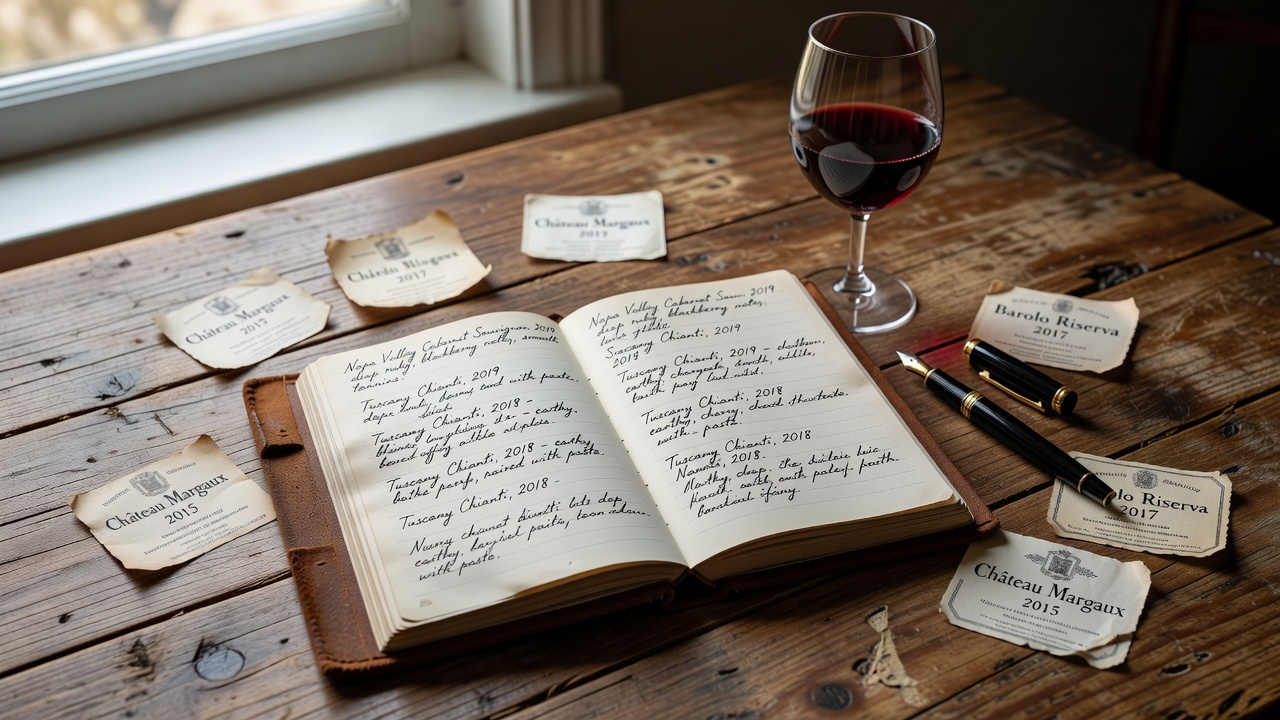
Keeping a wine journal transforms casual sipping into intentional learning. By recording details about each bottle, beginners build palate memory, identify flavor preferences, and develop confidence in choosing wines. Structured note-taking helps track patterns across grape varieties, regions, and vintages, turning subjective experiences into actionable insights that last for years.
Journaling also reveals personal taste trends over time. You might discover a consistent preference for high-acidity whites or earthy reds, guiding future purchases and pairings. This self-discovery process accelerates skill development far beyond passive tasting and creates a personal reference that grows more valuable with every entry.
Benefits of Structured Wine Note-Taking
Regular journaling improves sensory recall significantly. Writing detailed descriptions reinforces neural pathways associated with flavor memory, making it easier to recognize aromas and tastes in future tastings. Beginners often report identifying specific notes like black cherry or wet stone after just a few weeks of consistent entries.
Another advantage is preference mapping. Over multiple entries, clear patterns emerge that help refine buying decisions and avoid disappointing bottles. Journaling also creates a personal reference library for comparing similar wines across different producers or years. Experts at Decanter emphasize that systematic tasting notes lead to faster improvement in wine appreciation skills.
Additional benefits include better food pairing intuition and the ability to share informed recommendations with friends. Over months of journaling, many beginners notice they spend less on wines they ultimately dislike because they have documented evidence of what works for their palate.
Step-by-Step Guide to Setting Up Journal Entries
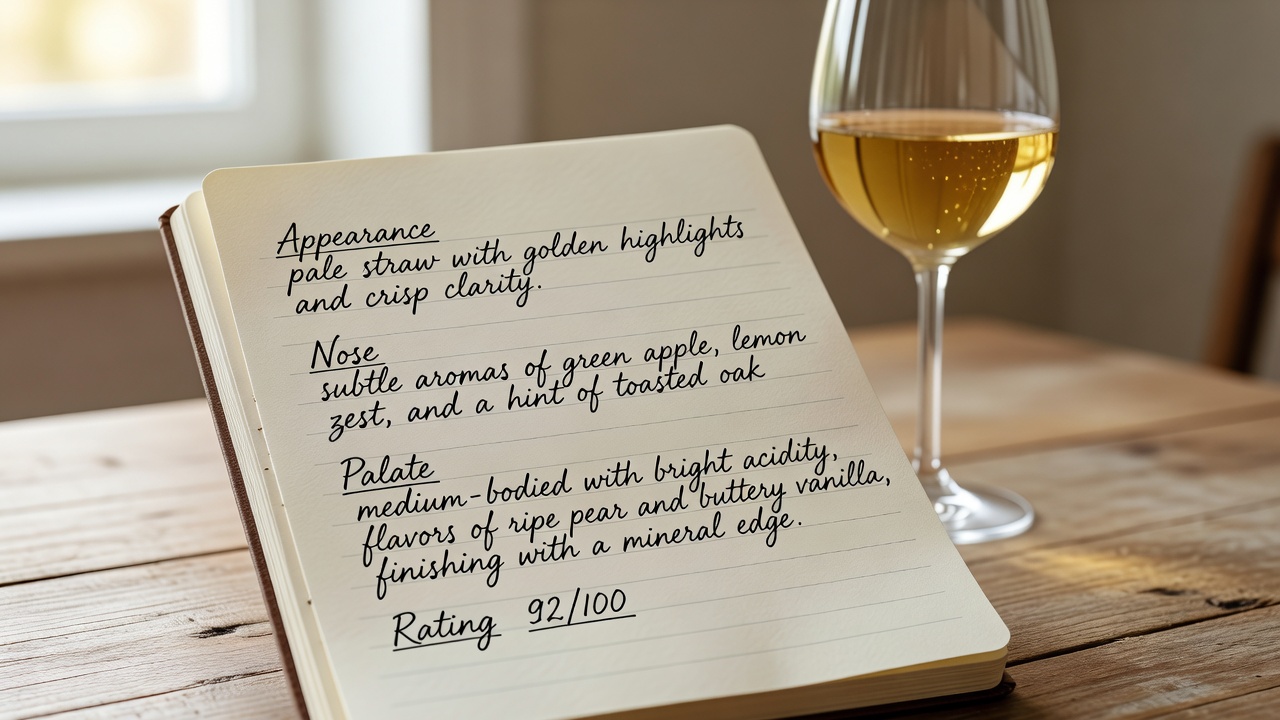
Effective entries follow a consistent structure covering four key areas. Start with basic bottle information: producer, grape variety, vintage, region, alcohol by volume, and purchase details if relevant. Then move through the sensory sections below for a complete record.
Appearance
Note the wine's color, clarity, and viscosity in detail. For reds, describe shades from pale ruby to deep garnet and observe any rim variation or sediment. For whites and rosés, record hues from pale straw to deep gold. This section trains visual analysis and helps identify age or potential faults early.
Nose
Describe aromas after gentle swirling and again after more vigorous aeration. Separate primary fruit and floral notes from secondary oak influences and tertiary aged characteristics such as leather or dried fruit. Use specific descriptors like Meyer lemon, forest floor, or toasted almond rather than generic terms like "fruity" to build a precise vocabulary.
Palate
Evaluate sweetness level, acidity, tannin intensity, body weight, and finish duration on a consistent scale. Note how flavors evolve from the initial attack through the mid-palate to the aftertaste. Record balance, complexity, and drinkability using simple numeric ratings for quick comparison later.
Rating and Overall Impressions
Apply a consistent 100-point scale or 5-star system with a short justification. Add sections for suggested food pairings, occasion suitability, and whether you would repurchase the wine. This creates an at-a-glance summary useful for future reference or sharing.
Building a Useful Wine Vocabulary
Many beginners struggle with descriptive language at first. Start with broad categories such as red fruit, citrus, spice, or earth, then refine them over time. Keep a short list of reliable descriptors inside your journal cover for quick reference during tastings. Resources from Wine Spectator offer excellent glossaries that pair well with personal journaling practice.
Example Journal Template
Use this repeatable format for every entry to maintain consistency:
- Bottle details: Producer, variety, vintage, region, ABV, purchase location
- Appearance: Color intensity, clarity, viscosity, rim color
- Nose: Primary fruit/floral, secondary oak/fermentation, tertiary aged notes
- Palate: Sweetness, acidity, tannin, body, primary flavors, finish length, balance
- Rating: Score out of 100 plus star rating with one-sentence summary
- Notes: Food pairing suggestions, occasion, buy-again decision, personal mood
Sample Entries for Common Wines
Chardonnay Example Entry: 2023 Sonoma Coast Chardonnay. Appearance: Medium straw with slight green tint, moderate legs. Nose: Fresh green apple, toasted hazelnut, light vanilla bean, faint lemon blossom. Palate: Medium-plus acidity, creamy mid-palate, flavors of baked pear and citrus zest, medium finish with subtle oak. Rating: 88/100. Notes: Excellent with roast chicken or creamy pasta; would buy again for weeknight dinners.
Cabernet Sauvignon Example Entry: 2022 Napa Valley Cabernet Sauvignon. Appearance: Deep ruby core with purple rim, full viscosity. Nose: Blackcurrant, cedar plank, graphite, touch of dark chocolate. Palate: High tannin that needs time, full body, dark fruit and cocoa notes, long structured finish. Rating: 91/100. Notes: Decant for two hours; pairs beautifully with grilled ribeye; strong repurchase candidate for special occasions.
Digital Apps vs Traditional Notebooks Comparison
Traditional notebooks deliver tactile satisfaction and zero ongoing costs. They function completely offline and encourage slower, more reflective writing. Searching older entries requires manual flipping, however, and adding label photos takes extra steps.
Free or low-cost digital apps provide powerful search functions, automatic backups, and label photo storage. Options like Vivino and CellarTracker also connect users to community scores and tasting notes from thousands of other enthusiasts. Potential downsides include screen fatigue during long sessions and occasional privacy considerations with cloud services. Many beginners begin with paper for the first 30 days to develop the habit, then migrate to an app once they have a solid collection of entries.
Hybrid approaches work well too: photograph completed notebook pages and upload them to a cloud folder for both permanence and searchability.
Common Mistakes to Avoid
New journalers often make entries too long or too vague. Limit each tasting session to five or seven focused minutes. Another frequent error is skipping the review process; set aside time weekly to reread recent entries and identify emerging preferences. Finally, avoid judging every wine harshly on the first sip—give each bottle time to open and note how impressions change.
FAQ: Common Beginner Journaling Challenges
How detailed should entries be? Focus on three to five standout aromas and three palate descriptors per wine. Quality and consistency matter more than exhaustive detail.
What if I cannot identify specific notes? Begin with broad categories such as red fruit or stone fruit. Your descriptive precision improves naturally after 10–15 entries.
Should I journal every wine I drink? Prioritize wines you purchase specifically for focused tasting. Occasional social pours can be summarized briefly if time is limited.
Is there a best time to write entries? Record impressions immediately after tasting while memory is sharp. Review the full journal once a week to spot patterns and refine future choices.
Conclusion
A beginner wine journal accelerates learning through deliberate practice and honest documentation. By consistently recording appearance, nose, palate impressions, and ratings, you develop sharper sensory skills and clearer personal taste preferences. Whether you choose paper notebooks, digital apps, or a hybrid system, the most important factor is regular use combined with periodic review. Begin with your next bottle and watch your confidence and enjoyment grow steadily.
No comments yet. Be the first!