 Uncorked Conversations
Introduction: Why Winemaker Stories Still Matter
Winemaker stories from centuries past continue to guide today's enthusiasts, offering timeless lessons on patience, innovation, and respect for terroir. These narratives go beyond history; they provide actionable guidance for deepening your connection to wine. Whether you're building a home cellar or refining tasting rituals, legendary figures like Dom Pérignon and modern pioneers reveal techniques that bridge tradition and contemporary methods. The search for story-driven guidance leads enthusiasts to explore how past challenges, such as climate variations and limited technology, mirror today's sustainable practices. By examining real profiles and comparing approaches, readers can apply these insights directly. Iconic vineyards in regions like Champagne and Burgundy serve as living examples, showing how historical wisdom enhances personal wine journeys. This article delves into detailed profiles, technique comparisons, and step-by-step applications to make wine legends practical for everyday use.
Profiles of Influential Winemakers
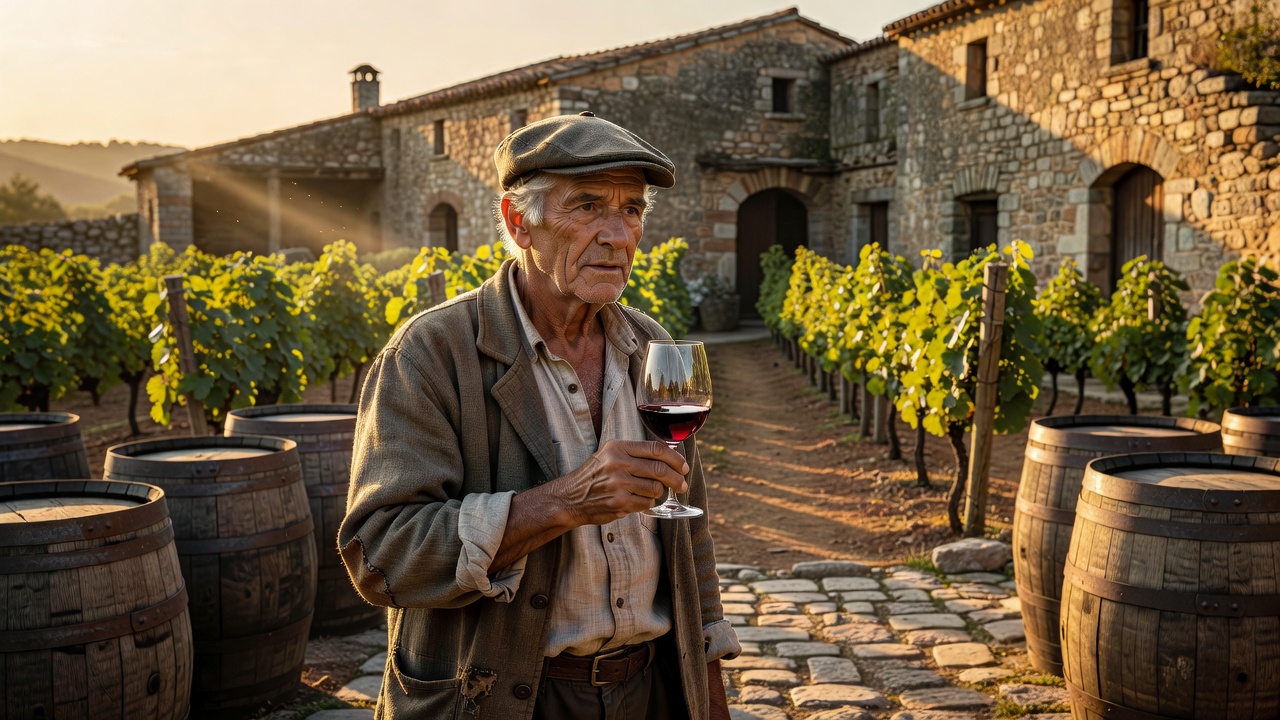
One foundational story is that of Dom Pérignon, the 17th-century Benedictine monk credited with advancing sparkling wine techniques in Champagne. His focus on quality grape selection and meticulous fermentation laid groundwork still used today. Another key figure is Madame Barbe-Nicole Clicquot, who revolutionized riddling processes in the early 1800s to clarify champagne efficiently. In Burgundy, historical accounts of the Domaine de la Romanée-Conti highlight generational stewardship of pinot noir vines, emphasizing minimal intervention. These profiles underscore dedication to site-specific expression over mass production. Further back, the legacy of the Antinori family in Tuscany demonstrates centuries of adaptation, from medieval methods to modern organic farming. Robert Mondavi's story in Napa Valley shows how storytelling around wine elevated American viticulture globally through education and innovation. Each profile reveals core principles: observation of nature, experimentation within limits, and community knowledge sharing that enthusiasts can emulate in small-scale tastings or cellar notes.
Traditional Versus Contemporary Techniques
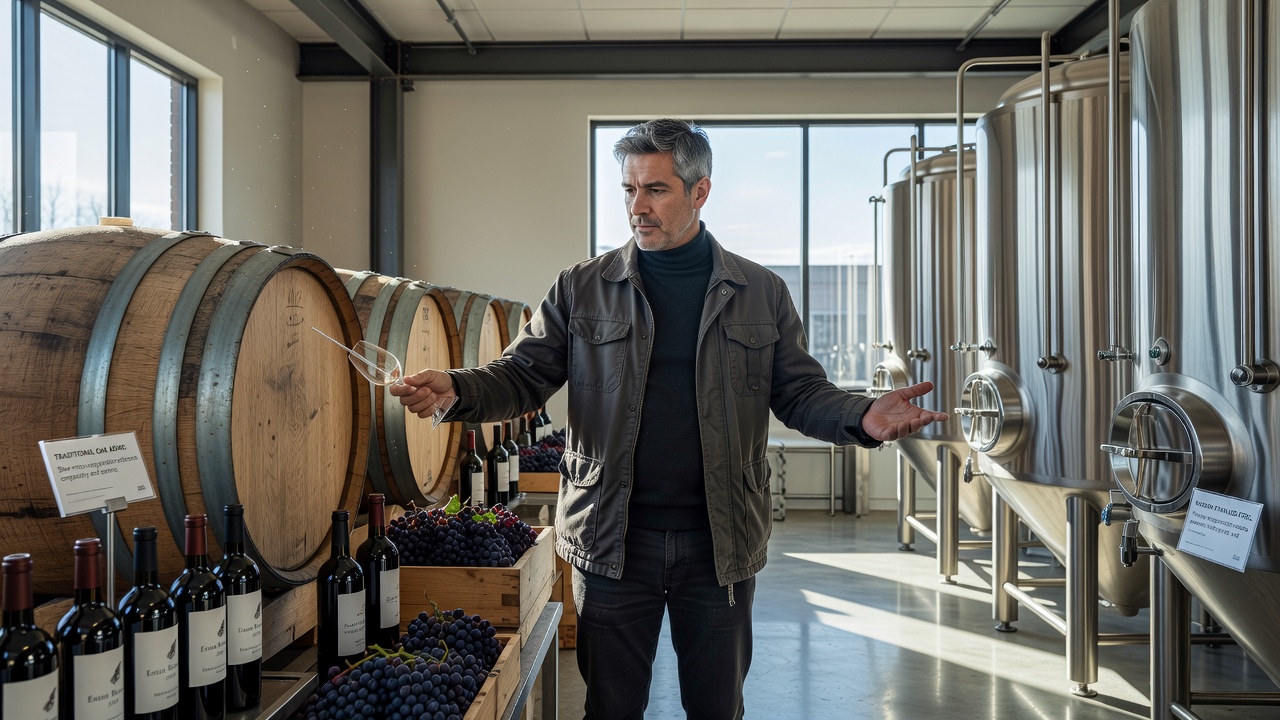
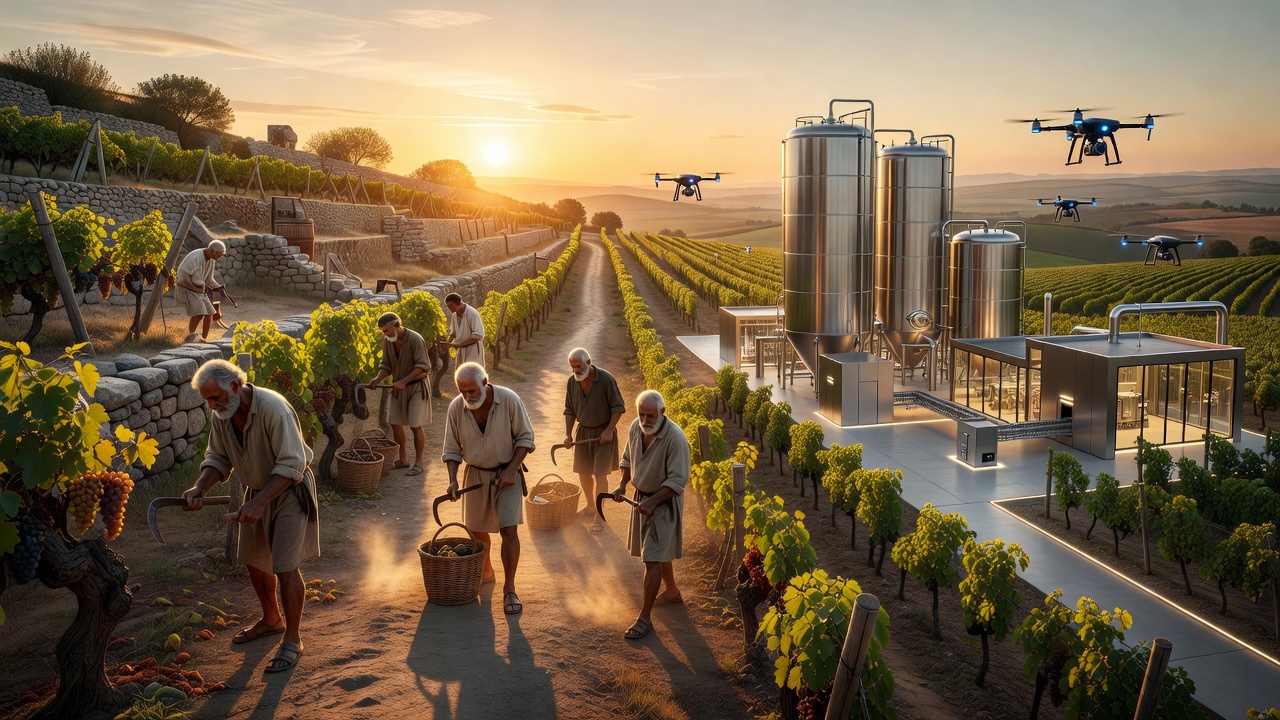
Traditional winemaking often relied on natural fermentation and oak aging for complexity. Contemporary practices incorporate stainless steel tanks and precise temperature control for consistency. Yet many estates blend both, using old methods like foot-treading grapes alongside modern analytics for ripeness. Harvesting by hand in traditional settings preserves berry integrity, while contemporary mechanical options speed up large-scale operations without sacrificing quality when calibrated correctly. Fermentation in concrete or amphorae echoes ancient practices for micro-oxygenation, contrasting with today's controlled yeast strains. Aging in large oak foudres versus new barriques affects tannin development differently. For example, some producers maintain amphora aging from ancient traditions while adopting sustainable viticulture. This comparison shows enthusiasts how to experiment at home by starting with natural ferments before scaling to controlled environments. Climate change adds urgency, as traditional harvest dates shift, requiring modern data tools to preserve historical flavor profiles. Understanding these contrasts helps avoid over-reliance on one approach, fostering hybrid methods that honor legends while meeting current demands.
Decanter provides extensive resources on these evolutions across global regions.
Practical Steps for Applying Lessons in Home Cellars and Tastings
To integrate these stories, begin by sourcing heritage varieties or emulating low-intervention styles. Step 1: Study terroir by visiting local vineyards or researching soil types online through authoritative maps. Step 2: Build a cellar with balanced temperature (ideally 55°F) and humidity around 70%, using simple hygrometers for monitoring. Step 3: Host comparative tastings pairing traditional-method sparklers with modern equivalents, noting differences in aroma and mouthfeel. Step 4: Maintain a tasting journal to record vintage variations, mirroring historical record-keeping. Additional actions include joining local wine societies for shared knowledge and experimenting with decanting times based on older clarification stories. For cellars, rotate bottles quarterly to simulate traditional racking. These steps foster appreciation while avoiding common pitfalls like over-oxidation during tastings. Create a seasonal tasting calendar inspired by harvest cycles from legendary estates. Track how storage conditions affect evolution, applying patience from past winemakers. Enthusiasts report deeper satisfaction when linking each bottle to its historical roots through guided notes.
- Track vintages in a journal to note how aging mirrors historical patience.
- Experiment with decanting older bottles to replicate clarification techniques.
- Seek out small-producer wines that echo legendary estate philosophies.
- Host blind tastings focused on terroir expression to build sensory memory.
- Document soil and climate notes for each wine to connect with site-specific stories.
Real-World Examples from Iconic Vineyards
At estates like Krug in Champagne, stories of multi-vintage blending teach balance and foresight. In California, historical nods to early missions influence current natural wine movements. Enthusiasts can replicate by aging select bottles long-term or joining wine clubs focused on heritage methods. Chateau Margaux in Bordeaux exemplifies consistent excellence through family oversight and selective harvesting, offering lessons in restraint. In Australia, Penfolds Grange draws from traditional Shiraz practices updated with precise vineyard mapping. These examples demonstrate scalable insights: start small with one or two bottles from similar regions and build knowledge progressively. Observing how these vineyards adapted to phylloxera crises or economic shifts provides resilience strategies for personal collections during market fluctuations.
Further reading on global practices is available via Wine Enthusiast Magazine and Wine Spectator.
Mistakes to Avoid When Applying Historical Lessons
Common errors include rushing fermentation without proper temperature monitoring or ignoring vintage variability. Overusing new oak can mask terroir, contrary to traditional minimalism. Always cross-reference modern tools with historical outcomes to prevent imbalance. Another pitfall is neglecting proper glassware during tastings, which diminishes the sensory experience celebrated in winemaker legends.
FAQ: Integrating Wine History into Daily Life
How do I start learning winemaker stories? Begin with biographies of key figures and visit regional museums or virtual tours.
What if my cellar space is limited? Focus on vertical tastings of one variety across years rather than large collections.
Can modern tools replace traditional ones? No—hybrid approaches often yield the best results, preserving character while ensuring reliability.
How often should I taste to build knowledge? Monthly sessions with notes help internalize patterns from historical examples.
Are there affordable ways to access rare heritage wines? Explore library tastings at wine shops or regional festivals for exposure without high costs.
Conclusion
Winemaker stories offer more than inspiration; they equip enthusiasts with practical wisdom for richer wine experiences. By profiling legends, contrasting techniques, and outlining clear application steps, these timeless lessons transform everyday appreciation into a meaningful journey. Embrace these narratives to cultivate patience and curiosity in every glass.
No comments yet. Be the first!