 Uncorked Conversations
Introduction: Storytelling as the Spark for Wine Evolution
Winemaker stories have long served as powerful catalysts for innovation in viticulture and winemaking. From ancient legends of resourceful growers to modern pioneers adapting traditions, these narratives fuel creative solutions in 2026. This article delves into how historical tales inspire new techniques, offering comparisons, regional case studies, and actionable guidance for enthusiasts seeking to blend heritage with forward-thinking approaches. Readers interested in drawing inspiration from wine history will find concrete examples of how past challenges mirror current issues like climate change and sustainability, helping to shape practical applications that honor tradition while embracing technology.
The connection between narrative and innovation is not abstract. Many breakthroughs in grape growing and production stem directly from retold tales of resilience, experimentation, and adaptation. As the wine industry evolves rapidly in 2026, understanding these roots provides a competitive edge for both professionals and hobbyists looking to create distinctive wines that resonate with consumers seeking authenticity.
Legends Driving New Techniques in Viticulture
Classic stories often highlight resilience against nature's challenges, inspiring contemporary methods like precision agriculture and sustainable practices. For instance, tales of medieval monks meticulously selecting vineyard sites echo today's use of data analytics for optimal grape placement. These narratives encourage winemakers to experiment with climate-adaptive varieties while honoring terroir. One prominent legend involves the 12th-century Cistercian monks in Burgundy who mapped soil variations by taste and observation, directly paralleling modern soil microbiome analysis tools that guide planting decisions.
Another influential story comes from ancient Roman winemakers who grafted vines onto resilient rootstocks to combat phylloxera-like threats centuries before the pest's global spread. This has inspired 2026 techniques such as CRISPR gene editing for disease resistance and advanced grafting protocols that combine heritage scions with modern root systems. In practice, wineries now use drone imagery combined with historical site maps to replicate these intuitive selections at scale, resulting in higher yields without sacrificing quality. These examples show how storytelling transforms anecdotal wisdom into scalable, science-backed innovations that address today's environmental pressures.
Traditional Versus Innovative Approaches Compared
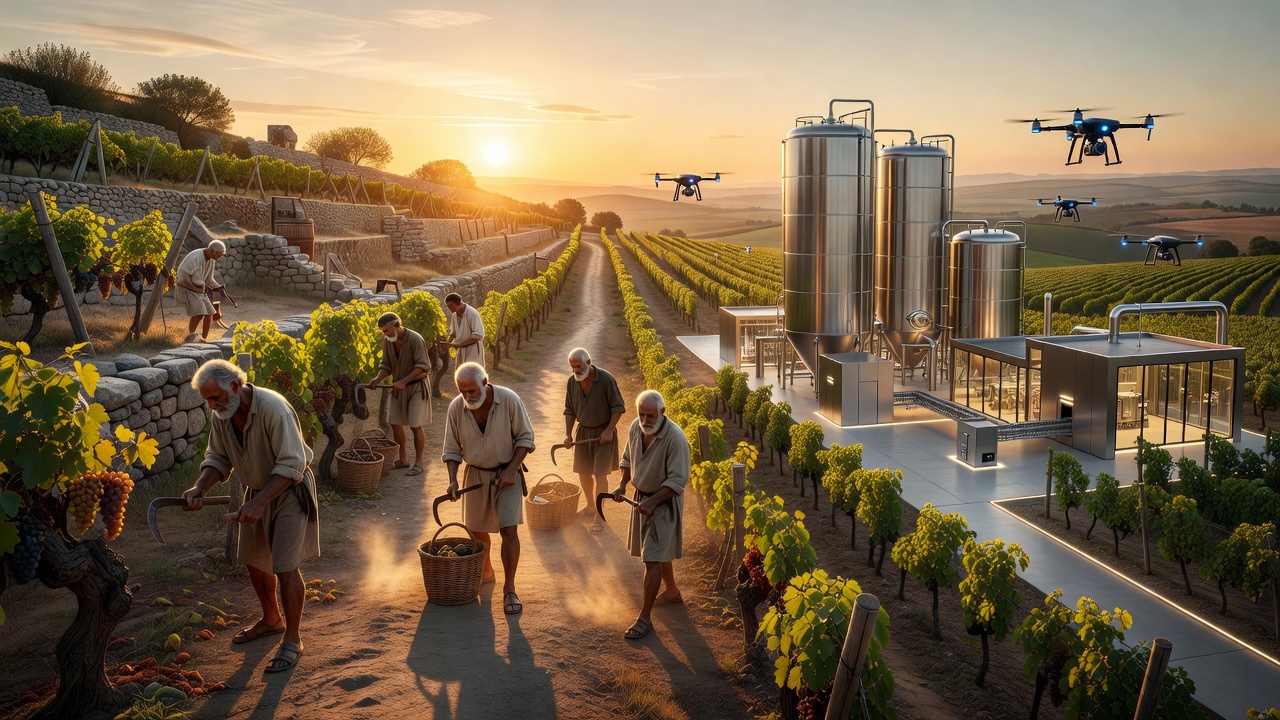
Traditional winemaking emphasizes minimal intervention, relying on natural fermentation and manual harvesting as passed down through generations. In contrast, innovative methods incorporate technology such as AI-driven fermentation monitoring and drone mapping for vineyard health. The comparison reveals clear trade-offs and synergies that enthusiasts can leverage.
- Traditional strengths: Hand-picked grapes preserve berry integrity, oak barrel aging imparts complex tannins, and intuitive blending relies on generational sensory expertise for balanced profiles.
- Innovative strengths: Sensor-equipped tanks allow real-time pH and temperature adjustments, stainless steel vessels with micro-oxygenation control oxidation precisely, and blockchain traceability builds consumer trust from vineyard to bottle.
- Hybrid opportunities: Many producers combine both worlds by applying story-inspired rituals, such as lunar-cycle harvesting, alongside data analytics for consistency and reduced waste.
Studies from leading institutions show hybrid models often outperform pure approaches in blind tastings while lowering environmental impact. The key is selective integration that respects the narrative essence rather than overwriting it with gadgets alone.
Case Studies from Diverse Wine Regions
Across regions, winemaker stories manifest uniquely and drive tailored innovations. In Bordeaux, legends of medieval crus inspire biodynamic farming experiments that enhance soil vitality through companion planting and natural preparations, now augmented by satellite soil monitoring. California's Napa Valley draws from Gold Rush-era tales of bold experimentation, leading to breakthroughs in drought-resistant irrigation systems that recycle wastewater efficiently.
Italy's Tuscany showcases Renaissance-era terracing stories that inform regenerative agriculture projects combating erosion with cover crops and contour plowing enhanced by GPS guidance. South Africa's Cape Winelands leverage indigenous knowledge narratives to develop hybrid fermentation methods blending local wild yeasts with modern temperature-controlled tanks for unique aromatic complexity. In New Zealand's Marlborough, Maori legends of land stewardship have prompted regenerative viticulture programs that integrate native plant corridors with precision viticulture software. These case studies illustrate storytelling's global reach, fostering innovations that respect local climates and histories while pushing boundaries. Decanter and International Organisation of Vine and Wine frequently document such evolutions in their regional reports.
Step-by-Step Guidance for Enthusiasts to Adapt Narratives
Whether you're a home winemaker or industry professional, integrating winemaker stories into projects is straightforward yet requires deliberate planning. Follow these expanded steps for meaningful results:
- Research local legends through books, oral histories, or winery archives to identify core themes like perseverance, ingenuity, or harmony with nature. Spend time cross-referencing multiple sources for accuracy.
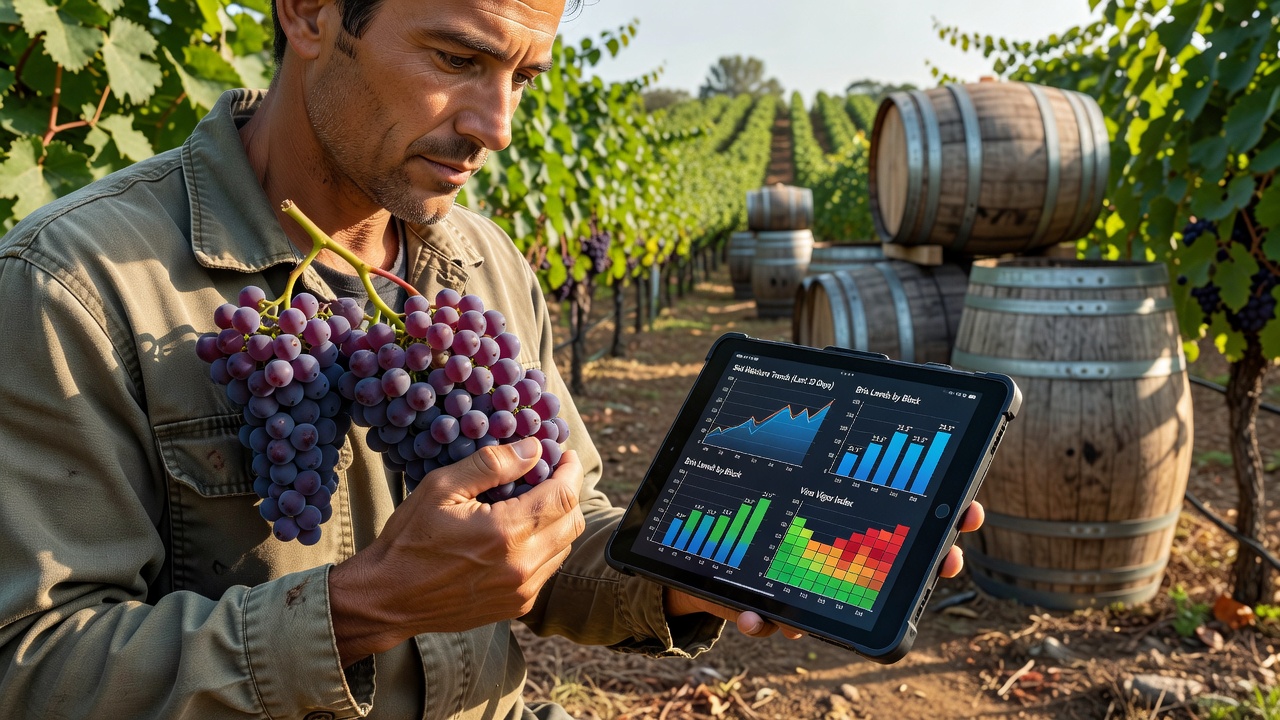
- Map story elements to modern tools—for example, using a monk's site-selection tale to guide soil testing apps and GIS mapping software that replicate historical intuition with quantitative data.
- Experiment small-scale: Start with one traditional technique paired with an innovative twist, such as spontaneous fermentation alongside real-time sensor monitoring to track microbial activity without intervention.
- Document outcomes meticulously, including tasting notes, yield data, and environmental metrics, then share via community forums or social platforms to refine approaches collaboratively with peers.
- Scale thoughtfully by piloting at larger volumes only after validating results, ensuring innovations respect environmental sustainability and regulatory standards in your region.
- Evaluate consumer feedback through surveys or tastings to see how the storytelling element enhances perceived value and emotional connection to the final wine.
This structured process turns inspiration into tangible results, helping enthusiasts create wines that tell their own evolving stories while meeting 2026 market demands for transparency and quality.
FAQ: Common Questions on Integrating Stories into Projects
How do I find authentic winemaker stories?
Begin with regional historical societies, winery archives, or resources from organizations like Wine Enthusiast. Focus on primary accounts and cross-cultural comparisons for genuine inspiration that avoids romanticized myths.
Can storytelling really improve wine quality?
Yes, by fostering creative problem-solving and emotional connection to the process, it leads to more thoughtful innovations that enhance both flavor profiles and market appeal through distinctive branding.
What if my region lacks famous legends?
Draw from universal themes or global tales and adapt them locally—many breakthroughs stem from cross-cultural exchanges that blend stories from multiple continents into fresh applications.
Are there risks in blending old and new methods?
Over-innovation can dilute character, so balance with traditional benchmarks. Test incrementally, monitor sensory outcomes, and maintain authenticity by grounding changes in the original narrative context.
How can home enthusiasts apply these ideas without commercial equipment?
Start with basic tools like pH meters and journaled experiments inspired by historical methods, gradually incorporating affordable sensors or apps that simulate larger-scale innovations at kitchen-table scale.
Conclusion: The Future Shaped by Past Narratives
Winemaker stories remain vital in driving 2026 wine innovations, bridging heritage with progress across regions and techniques. By studying legends, comparing approaches, and following practical steps, enthusiasts can contribute to the next chapter of wine evolution. Embrace these tales to craft wines that honor the past while pioneering the future, ensuring the industry continues to thrive through meaningful, story-driven creativity.
No comments yet. Be the first!