 Uncorked Conversations
Introduction to Humorous Wine Legends
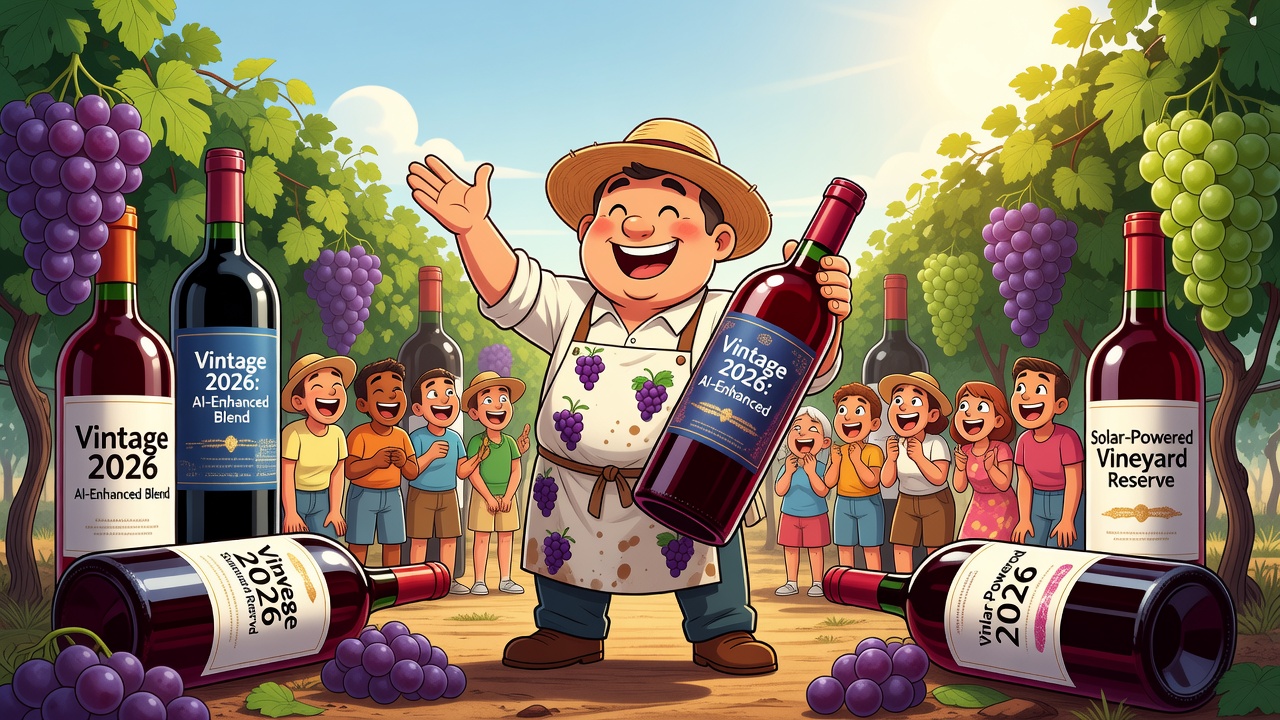
Wine history is often presented as a serious affair of terroir, vintages, and tradition, yet many of the most memorable stories from vineyards come wrapped in humor. In 2026, winemaker tales that blend fact with wit continue to captivate enthusiasts seeking more than dry facts. These legends not only entertain but also make complex topics approachable, boosting engagement with the rich heritage of winemaking across continents and generations. From French chateaus to Australian cellars, humorous anecdotes reveal the personalities behind the bottles and show how laughter has always played a role in preserving oral traditions among vineyard workers. This approach turns passive readers into active storytellers, fostering a deeper connection to wine culture that standard textbooks rarely achieve.
Readers today crave content that feels alive, and humorous legends deliver exactly that by humanizing the craft. Whether through exaggerated mishaps or clever pranks, these tales bridge the gap between ancient practices and modern enjoyment, making wine accessible to newcomers while delighting seasoned aficionados with fresh perspectives on familiar regions.
How Humor Boosts Engagement with Wine Stories
Lighthearted storytelling transforms wine education from lecture to conversation. Research from wine media shows that humorous content increases shares and comments compared to purely factual pieces. Readers remember quirky mishaps, like a winemaker accidentally fermenting grapes in a bathtub during a storm, far longer than technical details alone because the emotional hook creates lasting memories. Humor also breaks down barriers for beginners who might feel intimidated by terms like malolactic fermentation or appellation d'origine contrôlée. Instead of intimidating jargon, funny legends invite laughter and curiosity, encouraging people to explore regions they might otherwise overlook and prompting them to ask questions at tastings or join online communities.
Beyond retention, humor fosters social sharing. A witty anecdote travels faster on platforms where wine enthusiasts gather, turning individual readers into advocates who retell the story at dinner parties. This organic spread amplifies the reach of wine history far beyond traditional articles or books, creating viral moments that benefit both storytellers and the wineries featured in the legends.
Iconic Humorous Anecdotes from Vineyards Worldwide
Every major wine region boasts its share of legendary tales that have been passed down and embellished over time. In Bordeaux, stories circulate about a 19th-century vintner who tricked rivals by labeling his barrels with fake vintage dates, only to reveal the joke after sales and underscore the value of authenticity in a playful way. The prank highlighted the importance of trust in the trade while entertaining the community for decades and inspiring similar lighthearted competitions among neighboring estates. California's Napa Valley features the tale of a winemaker who trained his dog to sniff out overripe grapes, leading to accidental "canine cuvées" that became cult favorites among locals who appreciated the unexpected innovation born from necessity during a busy harvest season.
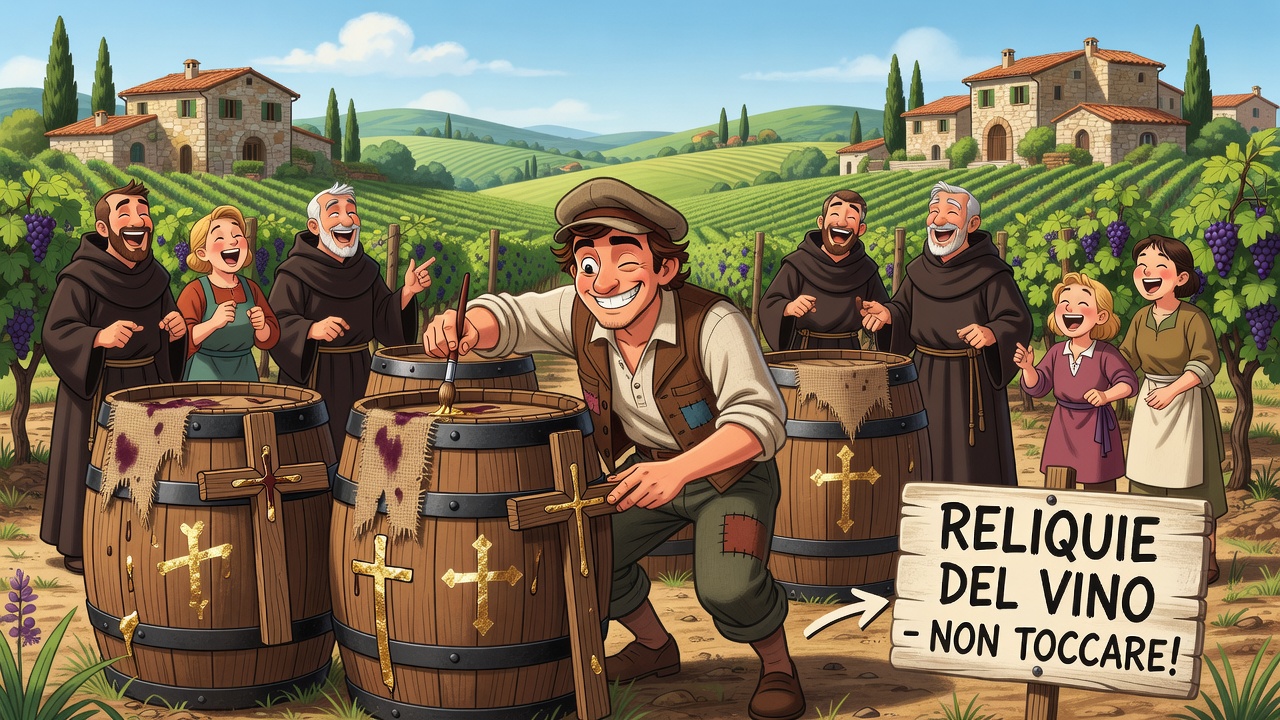
In Italy's Tuscany, legends tell of monks who hid wine from invading forces by disguising barrels as holy relics, complete with comical processions through village streets that fooled soldiers but amused residents for generations. Australian winemakers share yarns about kangaroos raiding vineyards at dawn, inspiring labels featuring the marsupials as honorary sommeliers and prompting harvest crews to install humorous warning signs. These stories humanize the craft, add flavor to tastings, and demonstrate how adversity often sparks the most creative and amusing solutions in winemaking history.
Regional Examples of Funny Wine Legends
- France: Burgundian tales of a duke who swapped his finest Pinot Noir with vinegar during a blind tasting to humble arrogant guests, teaching humility through a memorable prank still recounted at local festivals.
- Spain: Rioja legends involving a winemaker who used church bells to signal harvest time, leading to chaotic yet hilarious midnight grape stomps that became annual community events filled with music and laughter.
- South Africa: Stellenbosch stories of baboons stealing fermentation samples, resulting in unexpectedly popular "wild" wines that winemakers now celebrate with special labels featuring the clever primates.
- Germany: Mosel Valley anecdotes about a vintner who floated barrels down the river to evade taxes, only for the barrels to return with unexpected flavors from the journey that delighted customers.
- Chile: Maipo Valley tales of a family who disguised their best vintages as ordinary table wine during economic hardship, creating a secret code that evolved into playful marketing campaigns still used today.
These examples illustrate how local folklore adapts universal themes of mischief and surprise while reflecting the unique challenges and personalities of each growing area.
Comparing Serious vs. Lighthearted Storytelling Approaches
Serious narratives excel at conveying technical precision and historical accuracy, appealing to academics and professionals who value detailed timelines and data. However, they can feel dry and limit broader appeal among casual drinkers who prefer relatable entry points. Lighthearted approaches, by contrast, prioritize relatability and memorability without sacrificing core facts when balanced well, often leading to higher completion rates on digital platforms. Effective 2026 content blends both: start with a funny anecdote to hook readers, then layer in educational details about grape varieties or climate impacts. This hybrid method outperforms either extreme in audience retention metrics and encourages repeat visits to blogs or newsletters.
When deciding which style to use, consider the audience and platform. Educational seminars benefit from serious tones, while social media and podcasts thrive on wit that sparks comments and shares. The most successful creators in recent years have mastered this balance, resulting in content that educates thoroughly yet feels enjoyable from the first paragraph.
Practical Steps for Enthusiasts to Collect and Share Tales
- Visit local wineries and ask staff for personal stories during tastings, taking notes on names, dates, and specific details to preserve accuracy while adding your own humorous framing later.
- Document anecdotes in a journal or digital note app, noting the region, key characters, and any sensory elements like the smell of fermenting grapes that make the tale vivid for future readers.
- Share via social media or blogs, adding your own witty commentary and pairing the story with photos or short videos to increase engagement and encourage followers to contribute their versions.
- Host themed gatherings where guests recount or invent legends based on real wines, providing prompt cards with regional facts to spark creativity without straying too far from truth.
- Cross-reference tales with reliable sources like Decanter to verify entertaining elements while maintaining respect for the winemakers involved.
- Build a personal archive over months or years, organizing stories by theme such as pranks, animal encounters, or harvest disasters to create themed collections for newsletters or books.
Consistency and authenticity keep collections engaging over time and help enthusiasts develop a unique voice that stands out in the crowded world of wine content.
FAQs on Blending Humor into Wine Narratives
How do I add humor without undermining credibility?
Anchor jokes in real events or gentle exaggerations of known facts, and always provide context afterward so readers understand the line between entertainment and history.
Are there risks to using humor in wine content?
Yes, cultural sensitivities vary by region; test stories with diverse audiences to avoid unintended offense and always credit original sources when retelling legends.
What tools help 2026 creators find fresh tales?
Podcasts, regional wine festivals, and archives from Wine Spectator offer inspiration along with interviews that reveal behind-the-scenes moments rarely found in print.
Can humor work in formal wine education settings?
Yes, when used sparingly as icebreakers at the start of sessions, it relaxes participants and improves information retention without diminishing the seriousness of the material covered later.
Tips for 2026 Content Creators
Focus on multimedia: pair written legends with short videos of reenactments or animated illustrations that bring characters to life. Collaborate with winemakers for exclusive anecdotes that add authenticity and exclusivity to your platform. Track engagement data such as time on page and share rates to refine humorous elements and identify which regions resonate most. Stay current by referencing recent vineyard innovations alongside timeless jokes, creating content that feels both nostalgic and forward-looking. Experiment with formats like serialized stories released weekly or interactive maps where users click regions to reveal funny legends, keeping audiences returning for more.
Ultimately, the best tales entertain while educating, turning casual readers into lifelong wine lovers who appreciate both the science and the stories behind every bottle.
For deeper dives into wine culture and responsible enjoyment, explore resources from Wine Institute.
Conclusion
Humorous wine legends breathe life into history, making 2026 the perfect year to discover and share them. Whether collecting regional gems or crafting your own, these stories ensure wine remains a joyful pursuit for all who encounter them.
No comments yet. Be the first!