 Uncorked Conversations
Why Winemaker Stories Matter More Than Ever in 2026
In an era of rapid technological change and shifting consumer tastes, winemaker stories serve as vital threads connecting past traditions to future innovations. These narratives capture the essence of wine legends that define regions, grape varieties, and cultural heritage. Preserving them ensures that the human element behind every bottle endures for enthusiasts and historians alike. By 2026, climate shifts, generational transitions, and the rise of digital-only communication have accelerated the need for deliberate preservation efforts. Families and estates risk losing irreplaceable anecdotes, techniques passed down orally, and personal triumphs unless proactive steps are taken now. Without intervention, entire chapters of wine history could vanish, leaving future generations with only commercial labels instead of the rich context that makes each vintage meaningful.
Enthusiasts today recognize that wine stories are not mere marketing tools but living records of resilience, innovation, and community. Documenting them contributes to cultural preservation amid evolving trends like sustainable viticulture and global wine tourism recovery.
Hybrid Digital-Physical Archiving Methods
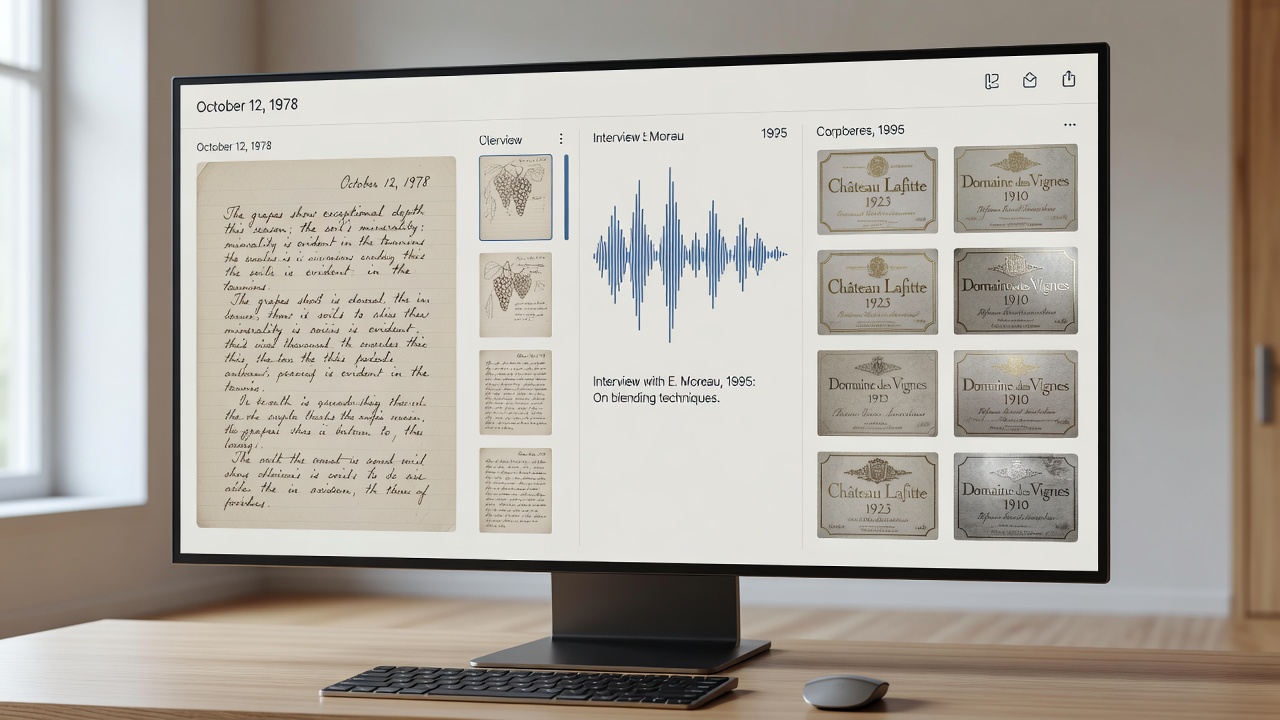
Combining modern technology with tangible artifacts creates resilient archives capable of withstanding both digital obsolescence and physical disasters. Begin with high-resolution scanning of handwritten journals, vintage labels, and soil maps using professional equipment that captures fine details like ink variations and paper texture. Pair these with cloud-based audio and video files stored on redundant platforms that automatically migrate formats every few years. Physical wine cellars or dedicated archive rooms can house original documents alongside discreet QR codes linking to digital versions, allowing seamless access for researchers without risking damage to fragile items.
This hybrid model balances accessibility with authenticity, protecting against data loss while honoring the tactile traditions central to winemaker stories. Practical tools include open-source software for metadata tagging and encrypted external drives for offline backups. Estates that adopt this approach often report higher engagement from younger family members who appreciate both the heritage objects and the searchable databases.
Conducting Ethical Interviews: A Step-by-Step Guide for Beginners
Ethical collection of winemaker stories begins with informed consent and deep respect for personal boundaries. Follow these expanded steps to create recordings that stand the test of time:
- Research the winemaker’s background thoroughly using public records, old harvest reports, and regional histories before any contact.
- Obtain written permission detailing how recordings will be used, stored, and potentially shared, including options for future withdrawal.
- Prepare open-ended questions focused on personal journeys, pivotal decisions, and sensory memories rather than solely technical winemaking details.
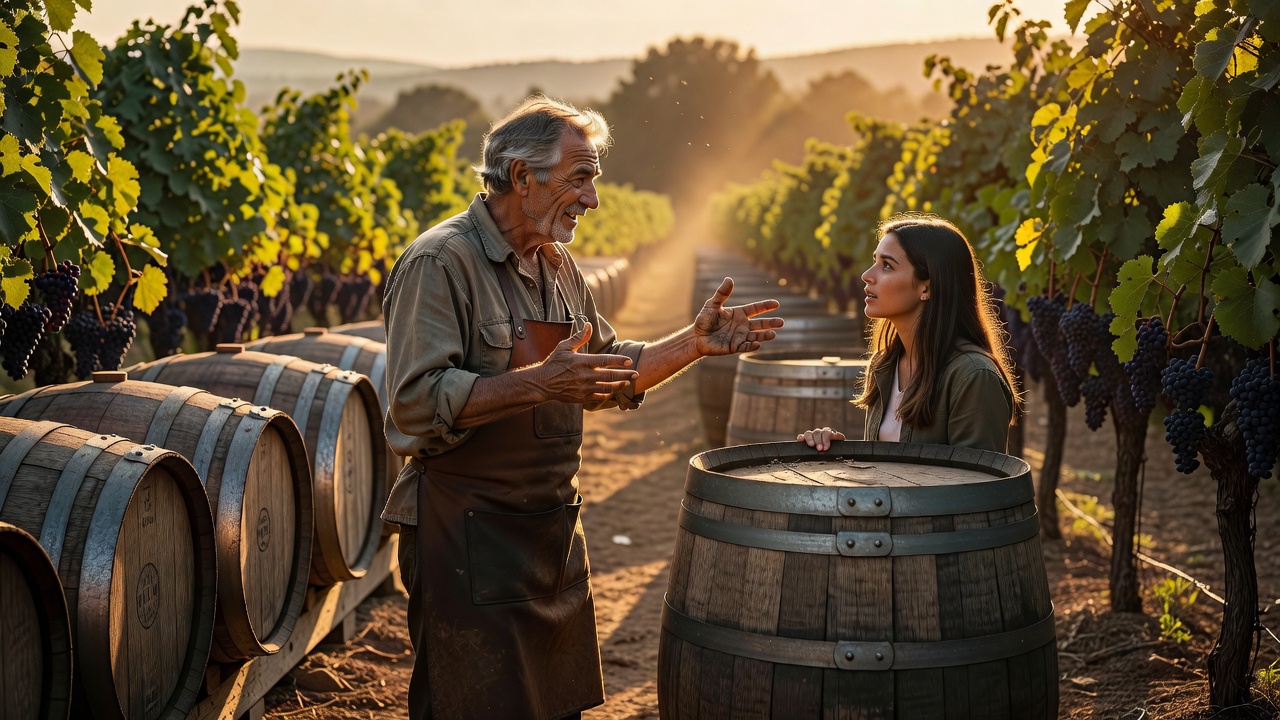
- Conduct sessions in comfortable, familiar settings such as the vineyard at dawn or beside aging barrels to encourage natural storytelling.
- Record in high-quality audio and video while noting environmental sounds that add authenticity, like birdsong or the clink of glasses.
- Transcribe accurately and share drafts for approval, allowing the subject to clarify or redact sensitive passages.
- Store files with clear naming conventions and metadata that include dates, locations, and keywords for easy retrieval.
Always prioritize cultural sensitivity when stories touch on family legacies, trade secrets, or regional rivalries. Beginners should start with shorter sessions and build trust gradually to avoid overwhelming interviewees.
Building Community Archives That Last
Local wine clubs, regional associations, and enthusiast groups can establish shared repositories that amplify individual efforts. Partner with universities or public libraries for long-term hosting and professional cataloging. Use accessible open-source platforms for organizing contributions while encouraging participation through annual storytelling events, harvest festivals, and themed tastings that celebrate wine legends. Clear governance policies addressing ownership, access rights, and update procedures must be established from the outset to prevent disputes later.
Community archives thrive when they incorporate diverse voices, including seasonal workers and neighboring growers whose perspectives enrich the overall narrative. Regular audits of digital files and physical conditions keep collections viable for decades.
Global Case Studies from Family Estates
Successful preservation efforts around the world offer replicable models. In Tuscany, one multi-generational estate digitized three centuries of handwritten harvest logs while preserving the originals in a climate-controlled library wing. They supplemented the records with video interviews conducted over several years. In California’s Napa Valley, a family operation launched an oral history podcast series distributed through community radio and online platforms, reaching new audiences without compromising authenticity. Similar initiatives in South Africa’s Stellenbosch region combined physical photo albums with interactive digital maps showing vineyard evolution. These examples demonstrate how blending preservation with thoughtful public engagement increases both impact and sustainability. Comparing approaches reveals that estates investing in hybrid systems see stronger intergenerational participation than those relying on single formats.
Mistakes to Avoid When Preserving Winemaker Stories
Common pitfalls include rushing interviews without proper consent forms, neglecting regular file migrations leading to format obsolescence, and failing to involve younger family members early. Another frequent error is over-editing stories to sound polished, which strips away the genuine voice that makes winemaker stories compelling. Avoid storing everything in a single location or platform, and never assume future generations will know the context without detailed metadata.
Legal and Technical Challenges: FAQ
How do I handle copyright when archiving family winemaker stories?
Consult intellectual property guidelines from established cultural institutions and secure releases early in the process. Many estates use Creative Commons licenses for broader yet controlled sharing while retaining core rights.
What technology platforms are reliable for long-term storage?
Choose providers with proven track records in heritage preservation, such as those recommended by major libraries. Regular backups, format migrations, and offline copies remain essential practices.
Are there privacy concerns with sharing wine legends publicly?
Yes. Anonymize sensitive details where requested and establish tiered access levels for different audiences, from family-only to fully public.
Can small estates afford professional archiving help?
Many begin with volunteer networks and university partnerships before scaling. Grants from cultural organizations sometimes support initial projects when applications highlight community benefit.
Conclusion
Preserving winemaker stories safeguards the soul of wine culture against the passage of time and technological disruption. Through hybrid methods, ethical interview practices, community collaboration, and careful avoidance of common mistakes, enthusiasts can ensure wine legends continue to inspire and educate generations ahead. Begin today by documenting one conversation, digitizing a single notebook, or reaching out to a local archive—small actions compound into lasting heritage that enriches the entire wine community. For further guidance on oral history best practices, explore resources from the Library of Congress and cultural preservation efforts highlighted by UNESCO.
No comments yet. Be the first!