 Uncorked Conversations
Introduction: The Evolving Tapestry of Wine Legends
Wine has always been more than a beverage; it is a vessel for stories, traditions, and the legacies of winemakers who shape our cultural landscape. As we look toward 2027 and beyond, the narratives surrounding wine legends are poised for significant evolution. Shifting global dynamics, including climate pressures, technological advancements, and cross-cultural exchanges, are redefining how these stories are told and remembered. This article delves deep into expert predictions, real-world case studies, and practical guidance for wine enthusiasts eager to engage with the future of wine history.
Traditional wine legends often centered on family dynasties, terroir mystique, and time-honored techniques passed down through generations. However, the coming years promise a blend of heritage and innovation, where data-driven insights meet ancient vines. Understanding these changes helps enthusiasts appreciate not just the wine in their glass but the unfolding saga behind it. The pace of change accelerates as consumers demand transparency and authenticity, pushing the industry to adapt its storytelling methods rapidly.
Emerging Technologies Reshaping Wine Narratives
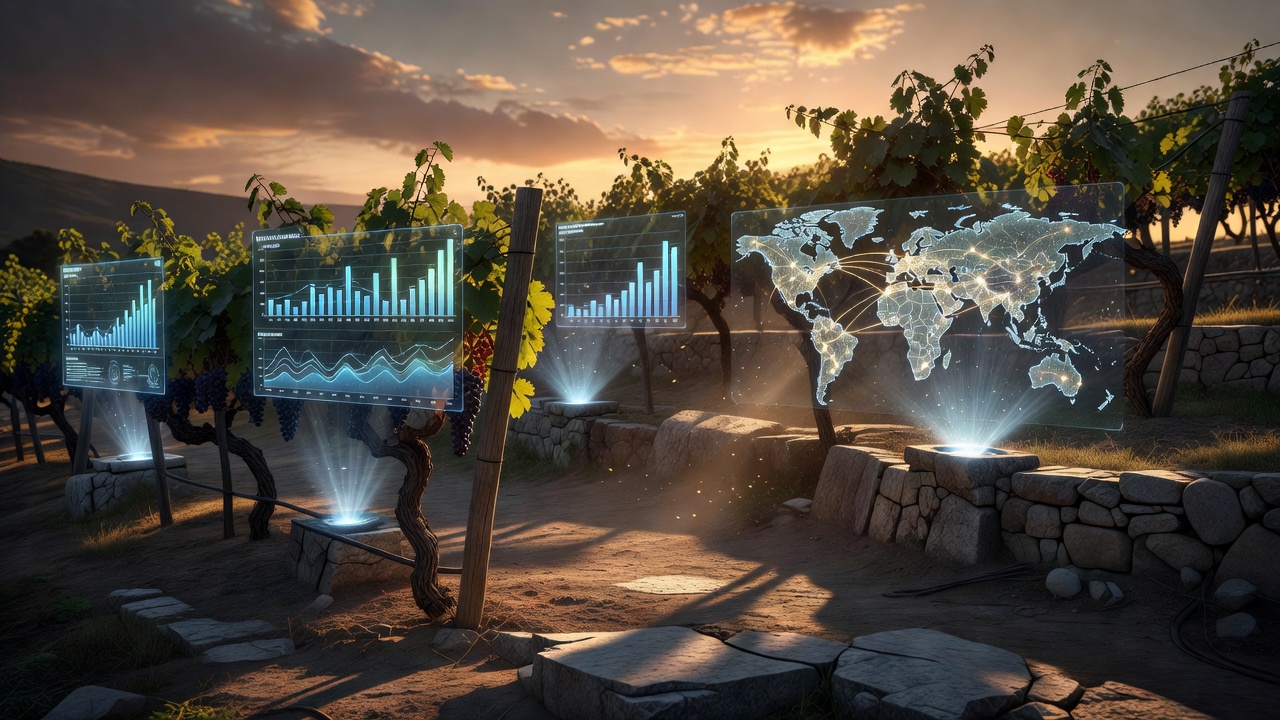
Technology is set to play a pivotal role in how wine legends are documented and shared. Artificial intelligence and blockchain are already enabling transparent tracking of vineyard practices, allowing future stories to include verifiable sustainability metrics and provenance details. For instance, AI tools can analyze soil data and climate patterns to predict vintage quality, turning winemakers into data-informed storytellers who can forecast challenges years ahead.
Virtual reality experiences are another frontier, letting consumers virtually walk through historic vineyards or witness harvest rituals from anywhere in the world. These immersive formats will amplify legends by making them accessible and interactive, moving beyond static books or labels to dynamic digital archives. Additional tools like drone mapping and sensor networks provide real-time environmental data that enriches narratives with scientific precision, creating multi-layered stories that appeal to both traditionalists and tech-savvy audiences alike.
Sustainability Shifts and Their Impact on Legends
Sustainability is no longer optional; it is becoming central to wine legends. Regions adopting regenerative agriculture and water conservation are crafting new hero narratives around environmental stewardship. Winemakers who pioneer low-intervention methods will likely feature in future lore as pioneers who saved ancient traditions from climate threats. These shifts emphasize resilience, with legends highlighting how producers balance economic viability and ecological responsibility.
Global organizations like the International Organisation of Vine and Wine emphasize these transitions, highlighting how eco-friendly practices influence both quality and storytelling. The Food and Agriculture Organization of the United Nations further supports this by providing frameworks for sustainable viticulture that integrate into modern wine histories. As consumers prioritize ethical choices, legends will increasingly celebrate resilience and innovation over mere longevity, fostering a new generation of environmentally conscious icons.
Cultural Exchanges Driving New Wine Stories
Globalization fosters cultural fusion in winemaking, with influences from Asia, Africa, and Latin America enriching European traditions. This exchange creates hybrid legends, such as collaborations between Old World estates and emerging producers in unexpected locales. These narratives celebrate diversity, blending techniques like ancient Chinese fermentation methods with modern biodynamic farming from California or South Africa.
Such cross-pollination ensures wine legends remain vibrant and inclusive, appealing to a worldwide audience while preserving core identities. For example, joint ventures between French châteaux and Indian vineyards introduce spice-infused stories that bridge continents, expanding the global wine canon in unexpected directions.
Expert Predictions for 2027 and Beyond
Leading sommeliers and historians forecast a surge in personalized wine stories powered by consumer data. Legends may evolve into interactive experiences where enthusiasts contribute chapters via apps or community platforms. Additionally, climate adaptation stories will dominate, with winemakers in cooler climates like England or Tasmania rising as new icons. Experts anticipate that by 2027, over half of major wine regions will incorporate AI-driven storytelling tools to engage younger demographics.
Comparisons reveal that traditional storytelling relies on oral histories and printed labels, while futuristic approaches leverage multimedia and real-time updates for greater engagement and accuracy. The hybrid model—combining both—will likely prevail, allowing deep emotional connections alongside verifiable facts.
Case Studies from Innovative Regions
Consider New Zealand's Marlborough region, where Sauvignon Blanc legends now incorporate drone-monitored sustainability efforts and blockchain-traced supply chains that detail every step from vine to bottle. Similarly, Chile's emerging high-altitude vineyards are building tales of pioneering spirit amid Andean challenges, with producers using regenerative practices to combat drought while sharing these journeys through virtual tours.
In South Africa's Stellenbosch, a new wave of winemakers blends indigenous knowledge with cutting-edge tech, creating legends around community-led conservation projects that protect biodiversity hotspots. These examples illustrate how local innovations contribute to global wine narratives, inspiring enthusiasts worldwide to seek out similar stories.
Traditional vs. Futuristic Storytelling Approaches
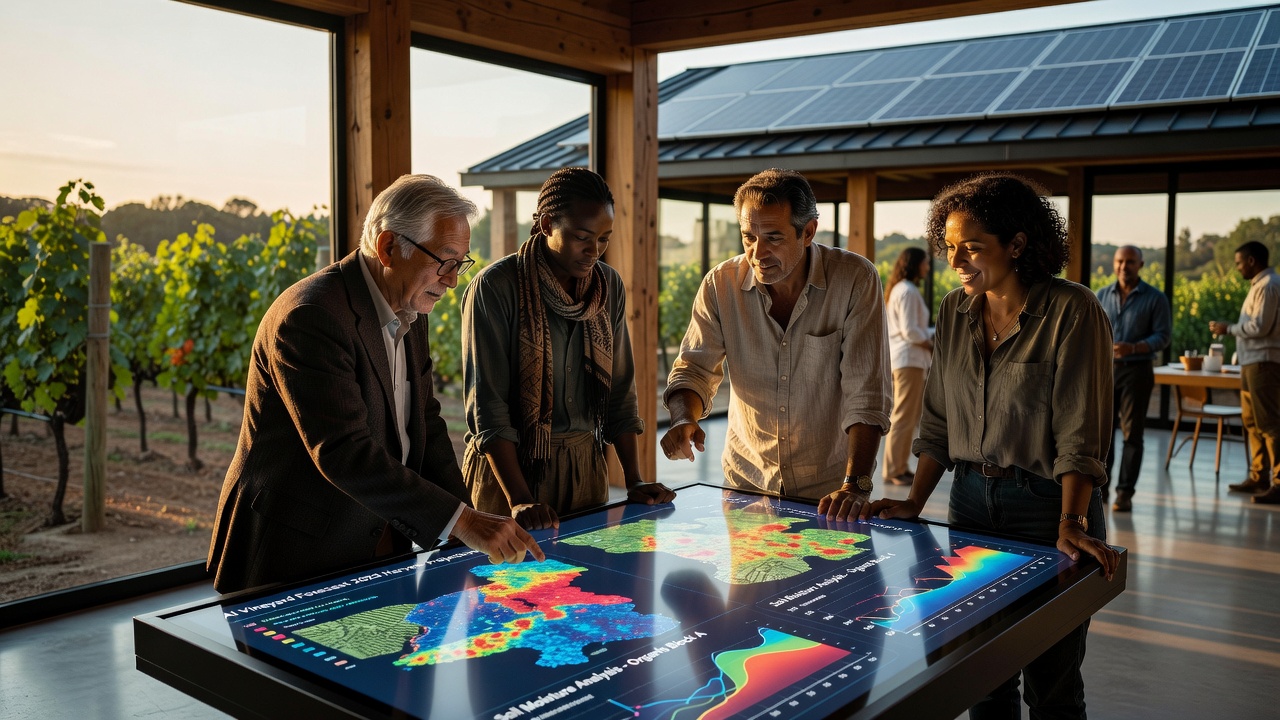
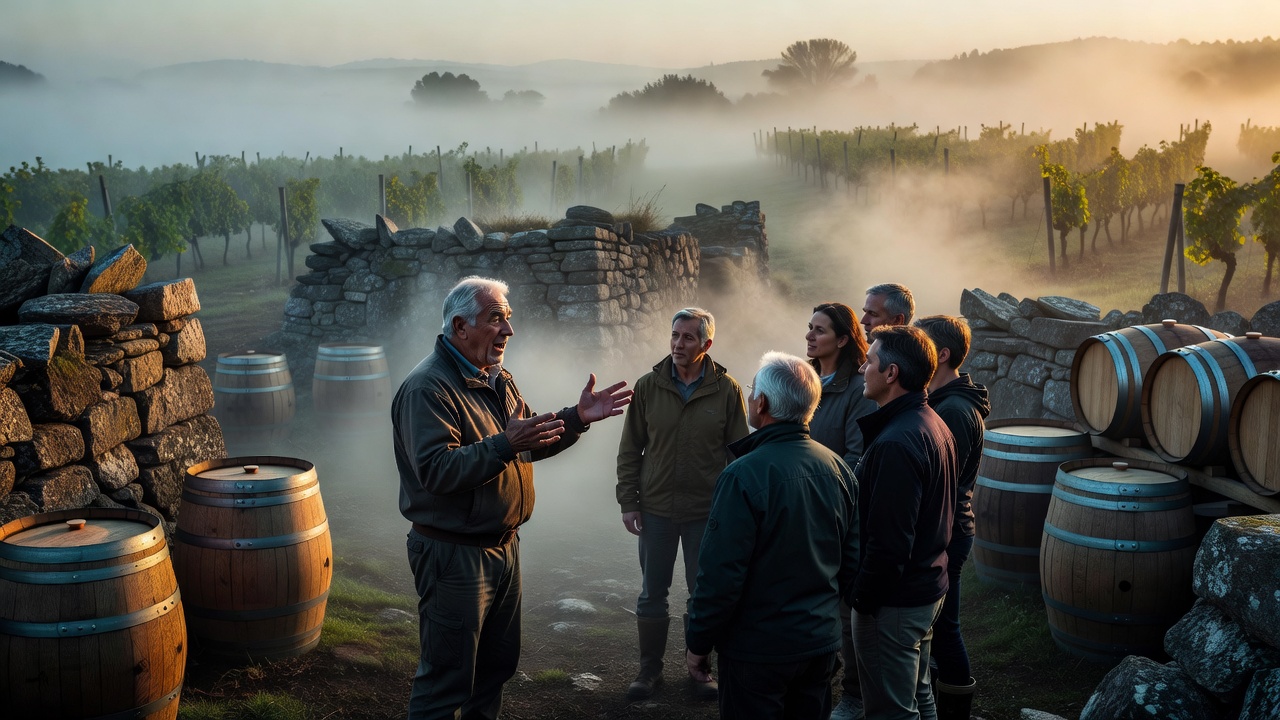
Traditional methods emphasize romance and mystery, often romanticizing family legacies and the poetic aspects of terroir. In contrast, futuristic storytelling integrates science, transparency, and audience participation through apps and data visualizations. Both have merits: the former preserves emotional depth and cultural continuity, while the latter ensures relevance in a digital age by making information accessible and verifiable.
Enthusiasts should blend both for a holistic appreciation, recognizing that pure tradition risks obsolescence while unchecked futurism may lose the soul of wine culture. Successful legends of the future will merge these elements seamlessly.
Practical Steps for Enthusiasts to Track and Contribute
To stay ahead of evolving wine legends, follow these actionable steps:
- Subscribe to reputable wine publications and join online forums focused on emerging trends to receive curated updates and expert analyses.
- Visit wineries employing new technologies and document your experiences through reviews or social media, creating personal contributions to the digital archive.
- Support sustainable producers and share their stories to amplify modern legends, helping smaller operations gain visibility in a crowded market.
- Experiment with apps that use blockchain for wine tracking to understand transparency firsthand and apply this knowledge when discussing vintages.
- Attend virtual tastings or webinars hosted by international bodies to gain global perspectives and network with like-minded individuals shaping future narratives.
- Keep a personal wine journal that incorporates both tasting notes and reflections on sustainability or tech influences for a comprehensive record.
By actively participating, enthusiasts become co-creators of future wine history, ensuring diverse voices are heard in the evolving canon.
Common Pitfalls When Anticipating Wine Trends
Many enthusiasts fall into traps such as over-relying on hype without verifying sources or ignoring regional nuances in favor of global generalizations. Avoid dismissing traditional methods entirely, as they provide foundational context for new innovations. Instead, cross-reference predictions with multiple authoritative outlets and engage directly with producers for balanced insights.
FAQ: Anticipating Wine Trends
How will climate change affect wine legends?
Climate shifts will spotlight adaptive winemakers, creating legends centered on innovation and resilience in regions previously unsuitable for viticulture, while challenging established icons to evolve their stories.
What role does technology play in future wine stories?
Technology enables precise documentation and interactive sharing, making legends more accessible and fact-based while preserving cultural essence through enhanced engagement tools.
Can enthusiasts really contribute to new legends?
Yes, through community platforms, reviews, and advocacy for sustainable practices, individuals help shape the narratives that define tomorrow's icons and ensure inclusivity.
Will traditional wine regions lose their legendary status?
Not necessarily; many will adapt by integrating modern elements, maintaining relevance while honoring heritage in updated storytelling formats.
Conclusion: Embracing the Future of Wine Lore
The future of wine legends promises a rich blend of tradition and progress. By understanding technological, sustainable, and cultural influences, enthusiasts can not only anticipate changes but actively participate in them. As we move into 2027 and beyond, the stories in our wine glasses will reflect a more connected, innovative world—one sip at a time.
No comments yet. Be the first!