 Uncorked Conversations
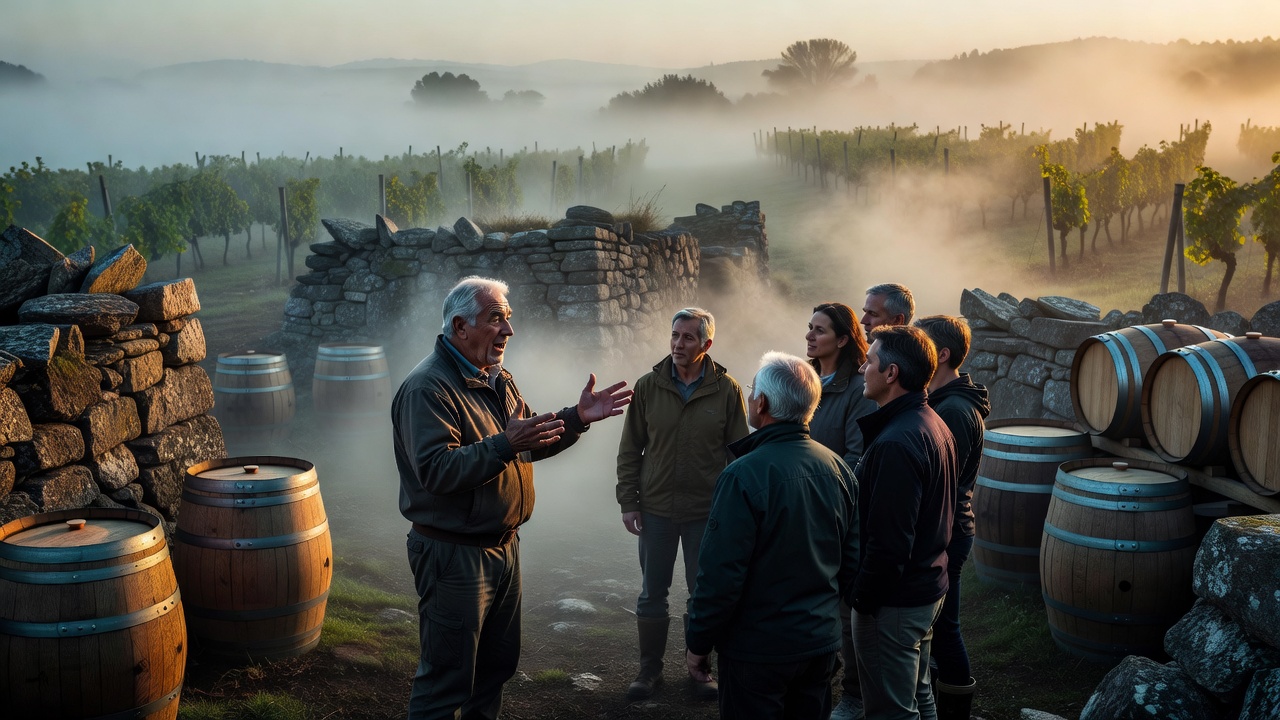
In the evolving world of wine content, transforming ordinary vineyard tales into enduring legends requires mastering sophisticated narrative techniques. As wine enthusiasts and creators look ahead to 2026, the focus shifts toward stories that resonate deeply with audiences seeking authenticity and emotional connection. Intermediate writers often start with basic tasting notes or harvest recaps, but elevating these into timeless legends demands deliberate craft. This involves weaving historical context, personal struggles, and sensory richness into narratives that feel alive. Whether you are documenting a small family estate or a global appellation, the goal remains the same: create stories that readers return to and share across generations.
Core Narrative Elements in Winemaker Stories
Effective wine legends build on timeless elements drawn from centuries of viticulture. Character development turns winemakers into relatable protagonists, revealing their motivations, flaws, and growth. For instance, portray a young vigneron inheriting a struggling Burgundy parcel and confronting generational expectations. Conflict arises naturally from real vineyard experiences, such as battling phylloxera in the 19th century or navigating modern climate volatility that threatens vintage quality. Resolution provides catharsis through innovation, like adopting regenerative farming that restores soil health and community ties. These arcs mirror classic storytelling while grounding every beat in verifiable wine history, creating emotional stakes that transcend mere facts.
Building Conflict from Vineyard Realities
Conflict should feel organic rather than contrived. Draw from documented events like the 2003 European heatwave that forced rapid adaptation in Bordeaux or the economic pressures of phylloxera recovery in California. Layer in interpersonal tensions, such as disputes between traditionalists and experimental producers over oak usage or fermentation methods. This approach keeps readers invested while educating them about the industry.
Oral Versus Written Formats
Oral storytelling thrives during vineyard tours, cellar tastings, and fireside gatherings where tone, pauses, and audience interaction create immediacy. A skilled narrator might pause dramatically before revealing the impact of a frost event, inviting listeners to imagine the tension. Written formats, by contrast, permit intricate layering of details, footnotes, and archival references that reward repeated readings. Consider how an oral legend shared at a Barossa Valley dinner might evolve into a published memoir with added historical depth. Writers benefit from practicing both: record oral sessions first to capture natural rhythm, then refine the transcription into polished prose that preserves voice while adding nuance.
Incorporating Sensory Details for Immersion
Sensory language forms the heartbeat of wine legends, transporting readers into the moment. Beyond listing flavors, evoke the crunch of gravel underfoot during harvest, the sharp tang of fermenting must in the air, or the velvet texture of a well-aged cabernet on the palate. Combine these with visual and auditory cues—the golden hue of late-afternoon sunlight filtering through vine rows or the distant hum of tractors—to build full immersion. Effective examples appear in stories from the Loire Valley where writers describe the misty morning fog that influences sauvignon blanc acidity. This technique turns abstract tasting notes into vivid memories that linger.
Ethical Use of 2026 Digital Tools
Digital tools available in 2026 can accelerate research and collaboration, yet ethical boundaries remain essential. Transcription software and collaborative editing platforms streamline the capture of interviews, but creators must verify every detail through primary sources and personal observation. Overreliance on generative AI risks flattening unique voices into generic templates; instead, treat these tools as assistants that suggest structures or flag inconsistencies. Always disclose any AI assistance in footnotes and prioritize direct conversations with winemakers. This preserves authenticity and respects cultural contexts, especially when stories involve indigenous practices or regional traditions.
Step-by-Step Exercises for Narrative Mastery
Practical exercises help writers internalize these techniques. Begin by mapping a winemaker’s full journey using estate archives and interviews to identify three pivotal conflicts. Next, rewrite a standard tasting note by incorporating all five senses, expanding it from a paragraph into a scene. Experiment with format shifts: deliver the story aloud to a test audience, record reactions, then transcribe and revise for clarity. Finally, conduct a sensitivity review by sharing drafts with readers from varied backgrounds to catch unintended stereotypes. Repeating these steps builds muscle memory for crafting legends rather than simple recaps.
Real-World Examples from Global Vineyards
Consider the multi-generational saga of a South African estate that transformed post-apartheid legacies into community-driven wine tourism, highlighting resilience and shared prosperity. In New Zealand’s Marlborough region, producers integrate Maori land stewardship principles into sauvignon blanc narratives, creating stories that honor both heritage and innovation. Closer to Europe, a Piedmont producer in Italy weaves tales of Barolo’s “king of wines” through the lens of family rivalries and climate adaptation, documented extensively by outlets such as Decanter. Additional depth comes from California accounts preserved by the Wine Institute, where stories of post-Prohibition revival illustrate triumph over adversity. These examples demonstrate how specific regional details combine with universal themes to produce legends that travel worldwide.
Common Pitfalls and Expanded FAQ
Many writers stumble by prioritizing marketing language over genuine emotion or by glossing over cultural nuances. Others fall into the trap of excessive technical jargon that alienates casual readers. Below are answers to frequent concerns.
Q: How do I avoid cultural insensitivity when covering indigenous vineyard practices? Begin with thorough research and direct consultation with community members; always seek permission before sharing sacred traditions.
Q: Can digital tools replace traditional archival research? No. Supplement any tool output with primary documents and on-site visits, cross-referencing against international standards maintained by the OIV.
Q: What makes a wine story feel timeless rather than dated? Anchor narratives in enduring human experiences such as perseverance, family legacy, and connection to land while limiting references to fleeting trends.
Q: How many sensory details are too many? Aim for three to five vivid touches per scene; excess can overwhelm and dilute impact.
Q: Should every legend include a clear hero’s journey? Not necessarily. Some stories thrive on ensemble casts or quiet, collective resilience, especially in cooperative vineyard models.
Conclusion
By integrating character arcs, sensory immersion, ethical tool use, and iterative practice, content creators transform everyday vineyard accounts into legends that endure. The techniques outlined here provide a clear path from basic recaps to emotionally resonant narratives that deepen reader appreciation for wine’s rich global heritage. Apply them consistently and watch your stories gain lasting resonance.

No comments yet. Be the first!