 Uncorked Conversations
Introduction: The Art of Turning Service into Wine Legends
In the evolving world of wine, sommeliers serve as storytellers who elevate simple pours into unforgettable experiences. By 2026, the focus has shifted toward crafting shareable narratives that transform client encounters into enduring wine legends. This approach blends personal observation with strategic sharing, helping enthusiasts and professionals alike build memorable connections to bottles and winemakers. Readers searching for ways to create lasting wine stories will find practical value here, from real interviews to actionable methods that capture authentic reactions and leverage modern platforms. The process begins with understanding that every table interaction holds potential for legend status when viewed through the lens of narrative craft.
Effective storytelling in wine service requires more than reciting tasting notes. It demands an ability to weave guest emotions, winemaker histories, and sensory details into cohesive tales that guests want to repeat and share. This article examines proven techniques drawn from current industry leaders, offering depth on interviews, reaction-capture methods, platform choices, and event applications to help you develop your own legendary wine narratives.
Insights from Leading 2026 Sommeliers
Interviews with prominent figures reveal consistent themes that define successful legend-building. One master sommelier at a top New York restaurant described how a spontaneous pairing during a busy service led to a viral client story about a lesser-known Burgundy producer whose volcanic soil imparted unique minerality. The guest's spontaneous comment about childhood volcanic hikes became the core of a story retold at subsequent tastings. Another in California highlighted listening sessions where guests recount personal memories triggered by aromas, turning those into shared legends at events across the state. These professionals emphasize empathy and timing, noting that the best tales emerge when service feels collaborative rather than prescriptive. A third sommelier in Oregon stressed the importance of follow-up documentation, explaining that without immediate recording, even powerful reactions fade from memory within hours.
Across these conversations, a common thread emerges: the most resonant legends arise from unscripted moments rather than rehearsed scripts. Sommeliers who succeed treat each service as an opportunity to collect raw material that can later be refined into shareable content without losing its human core.
Step-by-Step Techniques for Capturing Client Reactions
Preserving genuine moments requires deliberate practice that goes beyond casual note-taking. Follow these proven steps used by top sommeliers, each expanded with practical implementation details for immediate application.
- Observe subtle cues like facial expressions or pauses during the first sip. Pay attention to micro-reactions such as eyebrow raises or slight nods that signal deeper engagement before words are spoken.
- Note exact phrases guests use to describe flavors without prompting. Capture wording verbatim rather than paraphrasing to preserve the authentic voice that makes stories compelling later.
- Follow up discreetly with open questions such as “What memory does this evoke?” This invites narrative expansion while keeping the conversation natural and guest-centered.
- Record details immediately after service using voice notes or quick journals. Timing matters because details like specific scent associations disappear quickly from short-term memory.
- Connect reactions to the wine’s origin story for deeper context. Link a guest’s personal anecdote to the winemaker’s background or regional history to create layered meaning that resonates beyond the moment.
Applying these methods consistently builds a rich archive of material for future sharing and legend-building. Many sommeliers maintain digital folders organized by wine region or emotion type to facilitate quick retrieval when crafting new content.
Traditional Versus Digital Sharing Platforms Compared
Choosing where to share wine stories impacts reach and authenticity in significant ways. Traditional methods like printed tasting notes or in-person events foster intimate connections but limit audience size to those physically present. Digital options, including curated newsletters and social storytelling, allow broader dissemination while risking dilution of personal voice if not handled carefully.
Comparisons show that hybrid approaches—starting with live service notes then adapting for digital—yield the most engaging results. Sommeliers report higher engagement when stories retain conversational tone across formats. For instance, a story first shared verbally at a private dinner can be expanded into a short newsletter segment with added winemaker quotes for wider distribution.
- Traditional platforms excel at depth and emotional immediacy but struggle with scalability.
- Digital platforms offer speed and reach yet require extra effort to maintain originality and avoid generic phrasing.
- Hybrid strategies combine the strengths of both for maximum legend impact.
For authoritative guidance on wine education standards, consult resources from the Court of Master Sommeliers. Additional context on global wine culture can be found at Decanter.
Real-World Examples from Major 2026 Wine Events
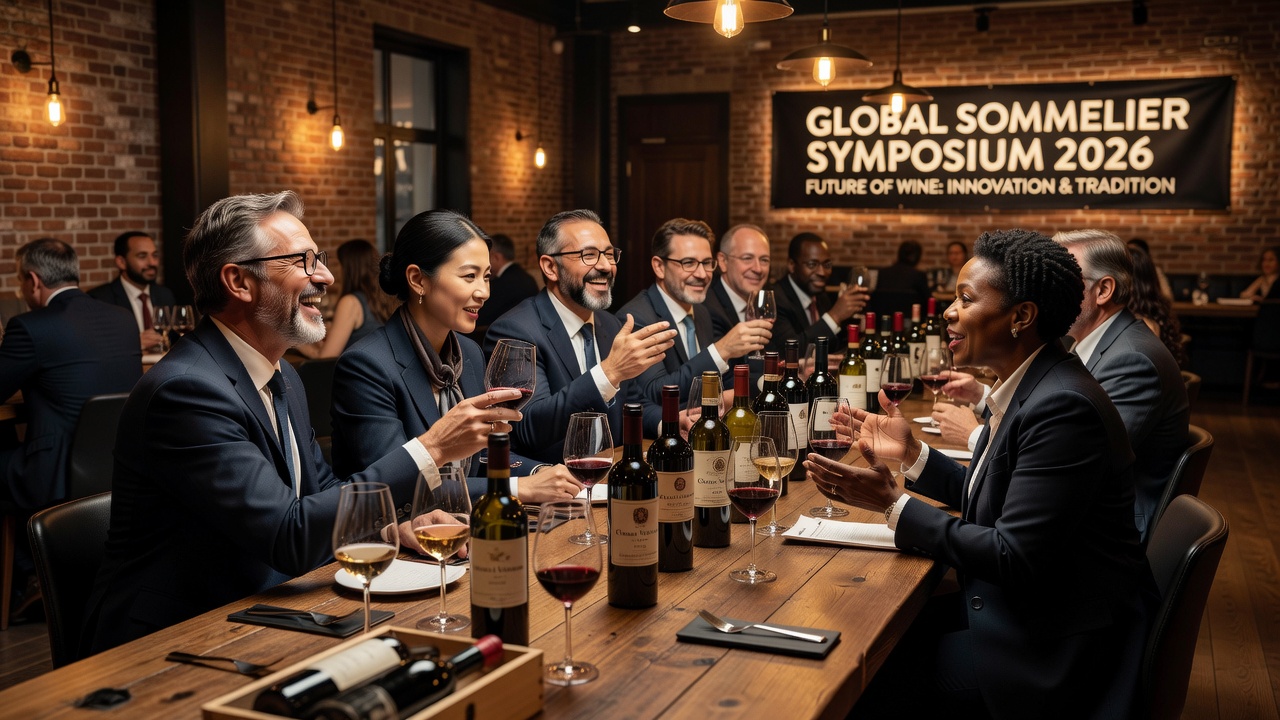
At events like the annual SommFest and regional harvest festivals, sommeliers demonstrated these techniques in action across multiple sessions. One standout moment involved a live storytelling session where a guest’s reaction to a volcanic-soil wine inspired a collaborative legend shared across attendee networks, leading to increased interest in that producer’s allocations. Another example from a Bordeaux-focused gathering used reaction-capture methods to create multi-generational winemaker profiles that attendees later referenced in their own circles, extending the narrative through social channels. A third case at a Pacific Northwest tasting featured a sommelier who linked a guest’s family heritage story to an obscure Riesling producer, resulting in a documented legend that appeared in follow-up event recaps and industry newsletters.
These cases illustrate how on-the-spot narratives evolve into lasting industry touchstones when captured and shared methodically. Event organizers increasingly encourage such practices by providing dedicated spaces for reflection and recording between tastings.
Common Challenges and FAQ on Preserving Authentic Voices
Many professionals face hurdles in maintaining originality amid busy services and digital pressures. Here are answers to frequent questions that arise when building wine legends.
How do I avoid over-editing client stories?
Stick closely to direct quotes and immediate notes. Review recordings only for clarity, not embellishment, to retain the original emotional tone that makes legends memorable.
What if reactions seem too ordinary for legendary status?
Link everyday comments to broader wine history or winemaker journeys to add depth and memorability without fabricating details.
Can digital tools compromise authenticity?
Yes, if overused. Balance with handwritten elements or voice recordings to retain raw emotion before translating to polished formats.
How often should stories be shared publicly?
Focus on quality over quantity—select two to three standout tales per month to maintain impact and prevent audience fatigue.
What role does timing play in capturing reactions?
Immediate documentation within minutes of the moment prevents loss of nuance and ensures the story remains fresh for later refinement.
Conclusion: Crafting Your Own Wine Legends
Sommeliers who master these practices in 2026 create legacies that resonate far beyond the table. By combining keen observation, thoughtful sharing, and respect for authentic voices, anyone in the wine world can turn service moments into enduring legends. Start applying these techniques today to build your own collection of shareable wine stories that connect enthusiasts with the rich human elements behind every bottle.
No comments yet. Be the first!