 Uncorked Conversations
Introduction: Rediscovering Eastern Europe's Winemaking Heritage
Eastern Europe holds some of the world's most compelling yet overlooked wine stories. As global palates seek authentic alternatives to Bordeaux and Tuscany, regions in Hungary and Romania are emerging as sources of true wine legends. These family-run estates preserve centuries-old traditions while adapting to modern challenges, influencing everything from natural winemaking to climate-resilient viticulture in 2026. The narrative goes beyond bottles—it is about cultural preservation and discovery. Winemakers here battle harsh winters, economic shifts, and limited international recognition, yet their triumphs are rewriting global wine conversations. Enthusiasts drawn to lesser-known regions will find that these stories offer fresh perspectives on terroir, resilience, and the human element behind every glass.
Hungary's Tokaj Region: Challenges and Timeless Traditions
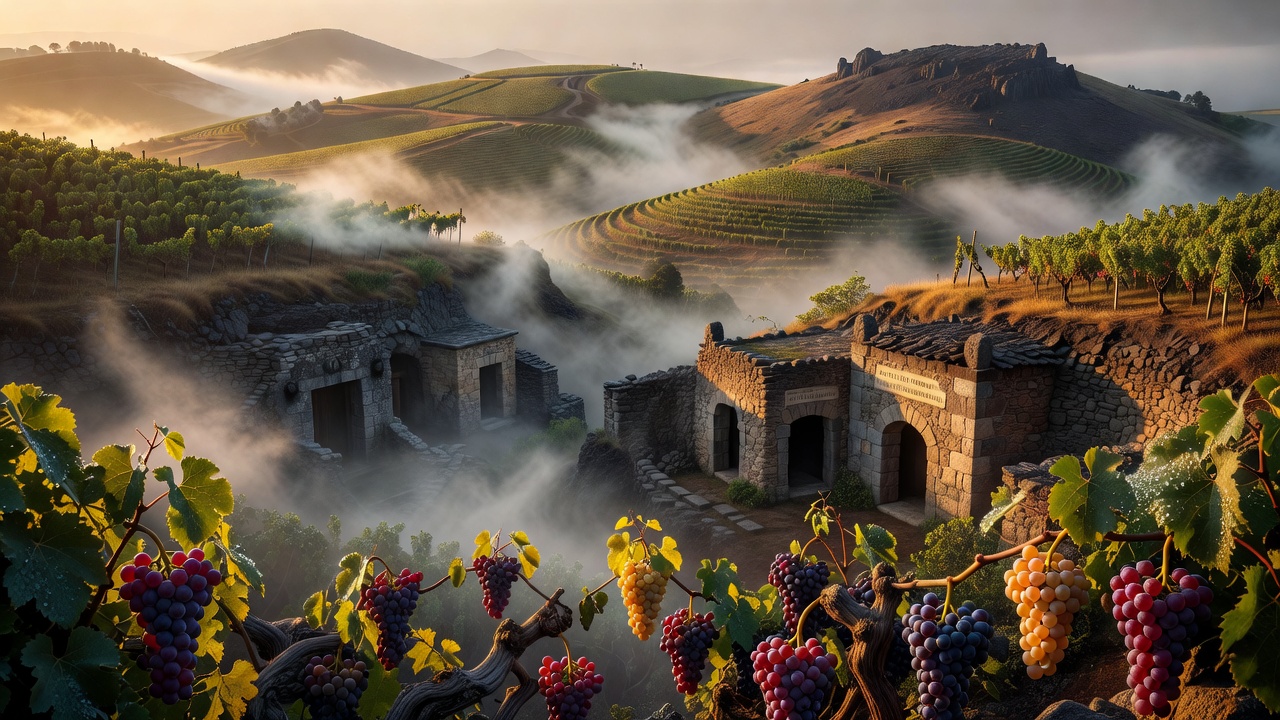
Hungary's Tokaj-Hegyalja region produces some of Europe's most historic sweet and dry wines. Family estates have navigated political upheavals and climate variability to maintain indigenous varieties like Furmint and Hárslevelű. Their methods, rooted in botrytis-affected grapes, now inspire natural wine movements worldwide. Traditions such as the ancient puttony system for classifying sweetness levels continue to shape how 2026 sommeliers approach oxidative and dessert wines. These practices offer lessons in patience and terroir expression that contrast sharply with more commercialized Old World classics. The volcanic soils of Tokaj create distinctive minerality that sets these wines apart, while generational knowledge passed down through families ensures continuity amid changing weather patterns and market demands.
Romania's Rising Legends: From Carpathian Slopes to Global Tables
Romania boasts diverse terroirs across the Carpathian Mountains and Black Sea coast. Winemakers here focus on indigenous grapes like Fetească Neagră and Grasă de Cotnari, blending them with sustainable techniques that address both drought and heavy rains. Their stories highlight resilience, with many estates passing knowledge across five or six generations. These traditions are quietly influencing 2026 global trends, particularly in low-intervention winemaking and biodiversity-focused viticulture. Romanian producers emphasize minimal oak and native yeasts, creating wines that stand alongside Old World benchmarks while offering unique fruit-forward profiles. The country's vast vineyard area, one of the largest in Europe, provides ample opportunity for experimentation that honors the past while looking forward.
The Role of Indigenous Grapes in Cultural Preservation
Indigenous varieties form the backbone of these legends. In Hungary, Furmint's versatility allows for both crisp dry wines and complex sweet expressions, while Romania's Fetească Neagră delivers elegant reds with notes of dark fruit and spice. Preserving these grapes protects biodiversity and local identity against globalization pressures. Winemakers often maintain small plots of old vines that survived the phylloxera epidemic and political changes, ensuring that future generations can taste authentic expressions of place.
Four Family-Run Estates with Unforgettable Backstories
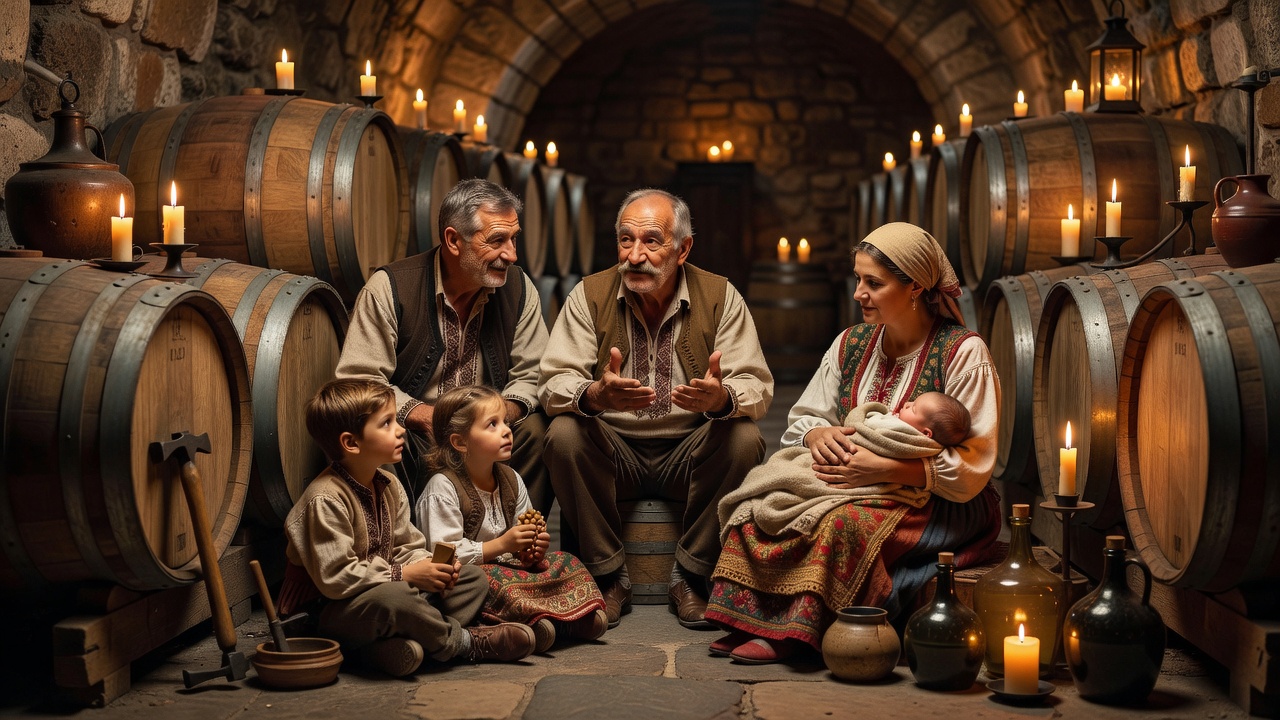
Real-world examples bring these legends to life. Royal Tokaji Estate (Hungary) was founded in the late 20th century by a coalition of British and Hungarian investors reviving pre-communist methods. This estate honors the legacy of 18th-century noble families and their single-vineyard wines showcase volcanic soils that produce legendary botrytis expressions. Cramele Recaș (Romania) is a multi-generational operation that survived the communist era by focusing on quality over quantity. Today the family emphasizes experimental plots with old-vine Fetească Neagră, turning forgotten vineyards into sources of critically acclaimed reds. Tokaj-Hétszőlő (Hungary) dates back to 1502 and was once owned by Transylvanian princes; current custodians restored historic cellars while introducing organic practices, preserving the legend of Tokaji as the “wine of kings.” Budureasca (Romania) represents a newer chapter in an ancient story, blending traditional cellar techniques with modern sustainability to highlight the Dealu Mare region's untapped potential. Each estate demonstrates how personal commitment keeps these stories alive.
Comparisons to Old World Classics
Unlike the rigid appellation systems of France or Italy, Eastern European estates often enjoy greater flexibility. Hungarian Tokaji offers complexity rivaling Sauternes but with brighter acidity. Romanian reds deliver structure similar to Chianti yet with distinctive spice notes from local soils. These differences position them as exciting discoveries for enthusiasts tired of mainstream narratives. The freedom to innovate while respecting heritage allows these producers to respond quickly to 2026 consumer preferences for authentic and sustainable options. International Organisation of Vine and Wine reports highlight how such regions contribute to global diversity in styles and flavors.
Climate Challenges and Triumphs Facing Winemakers in 2026
Harsh winters, unpredictable summers, and shifting rainfall patterns test the limits of traditional practices. Yet many families have adopted techniques such as canopy management and cover cropping to protect vines. These adaptations not only ensure consistent quality but also position Eastern European wines as models for climate-smart viticulture worldwide. The triumphs include higher resilience in older vineyards and renewed interest from international critics seeking alternatives to over-exploited regions.
Practical Tips for Enthusiasts: Planning Visits and Tastings
Start by researching harvest seasons—late September through October offers the best insight into botrytis harvests in Tokaj. Many estates welcome visitors with advance booking; focus on smaller family operations for intimate cellar tours. Create a tasting itinerary that pairs visits with local cuisine to fully appreciate how food traditions enhance the wines. For tastings at home, source through specialist importers who prioritize direct relationships with producers. Store bottles upright in cool, dark conditions to preserve delicate aromatics, especially for sweeter styles. Pair Hungarian Furmint with aged cheeses or Romanian Fetească Neagră with grilled lamb to highlight regional character. Consider building a small collection by starting with entry-level bottles and progressing to single-vineyard expressions. Join online communities or local wine clubs focused on Eastern Europe to exchange recommendations and stay updated on new releases. UNESCO World Heritage Centre provides context on the protected status of Tokaj that enhances any visit.
Building a Collection and Sourcing Tips
Enthusiasts should prioritize importers with transparent supply chains. Attend trade tastings or virtual events hosted by Eastern European producers to sample before purchasing. Document your experiences in a tasting journal to track how these wines evolve and compare across vintages. This approach deepens appreciation and supports the preservation of these unique legacies.
FAQ: Sourcing These Wines and Preserving Their Legends
How can I find authentic bottles from these estates?
Look for specialist retailers or online platforms that list producer details. Verify vintage authenticity through trusted merchants to ensure you receive genuine expressions of these legends. Cross-reference with producer websites when available for the most accurate information.
What makes these wines suitable for long-term cellaring?
High acidity and balanced tannins in many Eastern European wines allow graceful aging, much like top Old World examples. Consult vintage charts from reputable sources before investing in older bottles and store them properly to maintain quality over decades.
Are there ways to support cultural preservation efforts?
Purchasing from family estates and sharing their stories on social platforms helps sustain these traditions. Some producers also partner with heritage organizations focused on vineyard conservation and educational programs for younger generations.
Which grape varieties should beginners start with?
Begin with dry Furmint from Hungary or lighter Fetească Albă from Romania—these offer approachable entry points before exploring sweeter or more structured styles. Experimenting with food pairings accelerates learning and enjoyment.
How do 2026 trends affect availability of these wines?
Growing interest in sustainable and historic wines has increased exports, yet limited production means early planning is essential. Subscribe to newsletters from key estates to receive updates on allocations and special releases.
As interest grows in 2026, these untold winemaker stories continue to enrich the global wine landscape through discovery and respect for heritage. By exploring these regions, enthusiasts play an active role in keeping Eastern European wine legends alive for future generations.


No comments yet. Be the first!