 Uncorked Conversations
Introduction: The Future of Wine Legends
As the global wine industry continues its rapid transformation, enthusiasts and collectors are increasingly searching for predictive insights into the winemaker stories that will define 2027. This article dives deep into the forces reshaping wine history, including emerging regions, technological breakthroughs, and adaptive viticulture practices. By understanding these developments today, readers can position themselves to discover the next icons before they achieve widespread fame, whether through investment, travel, or simply following compelling narratives in the wine world.
Emerging Wine Regions in Asia and Africa
Traditional wine powerhouses in Europe and the Americas face increasing competition from unexpected frontiers. In Asia, China's Ningxia region stands out with its high-altitude vineyards that replicate the terroir of Bordeaux while introducing unique mineral notes from loess soils. Producers here are blending international varieties with local experimentation, creating wines that appeal to both Asian markets and international critics. India's Nashik Valley is another hotspot, where cooler microclimates support premium sparkling wines that rival those from Champagne.
Africa offers equally promising stories. South Africa's Swartland continues to evolve beyond its heritage with bold, natural-style reds from old bush vines. Ethiopia's highlands, with their ancient winemaking roots, are seeing modern revival through small estates focused on indigenous grapes like Wazee. These regions benefit from diverse climates and lower land costs, allowing young winemakers to innovate without the constraints of established appellations. As climate patterns shift, these areas may become central to future wine legends.
Tech-Driven Viticulture Innovations
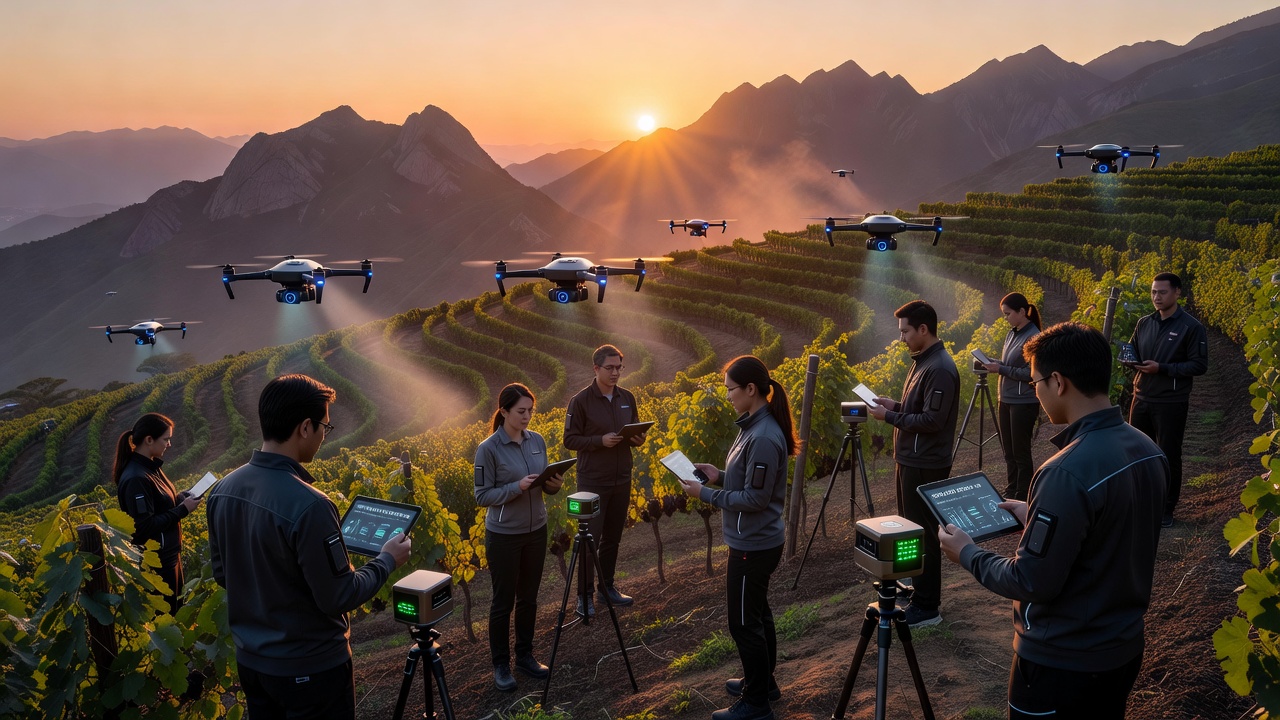
Technology is accelerating the pace at which new winemakers can achieve legendary status. Artificial intelligence now analyzes satellite imagery to predict grape ripeness weeks in advance, while drone fleets monitor vine health across vast estates with precision previously impossible. Soil sensors provide real-time data on moisture and nutrient levels, enabling targeted interventions that conserve resources and enhance quality. Blockchain platforms are also emerging to trace every bottle from vineyard to consumer, building trust and storytelling around provenance.
These tools democratize excellence. A small producer in a developing region can now access the same data-driven insights once reserved for large corporations. The result is faster iteration and higher consistency, setting the stage for 2027 legends who combine tradition with cutting-edge methods. Integration with weather modeling further helps mitigate risks from extreme events.
Climate-Adaptive Grape Varieties with Real-World Examples
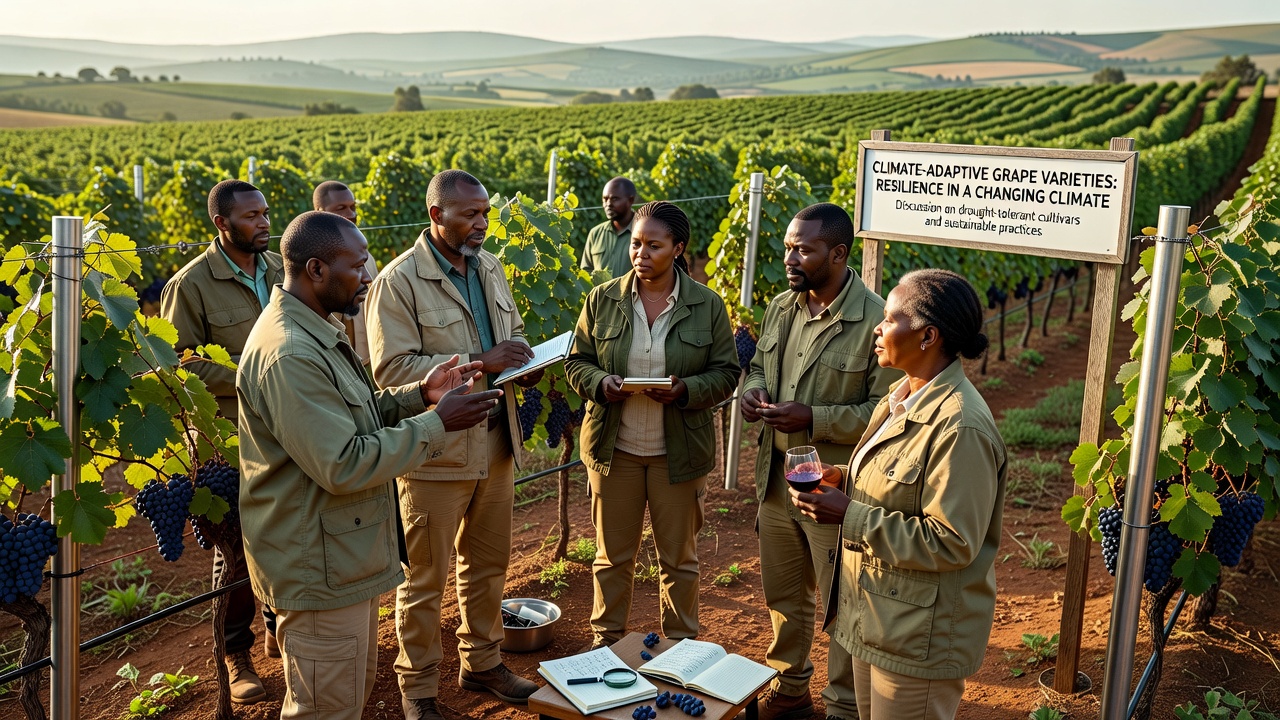
Climate change is forcing a reevaluation of which grapes will thrive in the coming decades. Heat-tolerant varieties such as Assyrtiko from Greece and drought-resistant hybrids developed in California are being planted in new frontiers. In Asia, winemakers in Yunnan province are trialing these alongside local Muscat variants to maintain acidity despite rising temperatures. African examples include South African estates experimenting with Portuguese Touriga Nacional for its resilience in warmer conditions.
Real-world cases illustrate the shift. Young producers in India's Deccan Plateau have released initial vintages of climate-adapted Sauvignon Blanc that earned international acclaim. Ethiopian operations are reviving ancient varieties while incorporating modern irrigation tech to combat irregular rainfall. These efforts not only ensure sustainability but also create distinctive flavor profiles that differentiate future legends from legacy producers. Tracking variety trials through official channels helps enthusiasts anticipate breakthroughs.
Step-by-Step Guidance on Tracking These Developments
Staying ahead requires systematic monitoring. Follow these expanded steps to build your own early-warning system:
- Download specialized vineyard apps endorsed by the International Organisation of Vine and Wine and set up alerts for harvest reports and new region certifications.
- Join professional networks including regional associations and online forums where up-and-coming winemakers share updates on trials and challenges.
- Subscribe to official bulletins from bodies like the Alcohol and Tobacco Tax and Trade Bureau for regulatory changes affecting new imports and exports.
- Attend hybrid events such as virtual tastings and regional symposiums to sample early vintages and network directly with producers.
- Curate a reading list of peer-reviewed journals and industry white papers focusing on viticulture adaptation to stay informed on scientific advances.
Comparisons Between Historical Figures and Future Icons
Historical legends like Robert Mondavi transformed California by championing quality and marketing. Similarly, future icons will leverage technology and sustainability to redefine accessibility. Where past figures fought for recognition of new regions, tomorrow's stars will navigate global supply chains and climate realities. The parallels lie in bold vision; the differences come from data tools and inclusive storytelling that reach wider audiences.
Practical Advice for Investing in or Visiting Nascent Legends
Investors should prioritize small-batch producers with transparent practices and documented sustainability efforts. Diversify across regions and verify estate credentials through independent audits. Visitors benefit from planning trips during harvest seasons, contacting estates in advance, and respecting local customs. Always cross-check travel advisories and import rules to avoid complications.
FAQ
How can I identify the next wine legend early?
Use the step-by-step tracking methods and focus on regions adopting both technology and adaptive grapes.
Are there risks in investing in new winemakers?
Yes, emerging producers involve higher uncertainty; diversify holdings and review production records carefully.
What grape varieties will dominate by 2027?
Climate-resilient options tested in Asia and Africa, such as hybrids and heat-tolerant classics, are projected to gain prominence.
How do I visit these developing wine areas safely?
Research infrastructure, book through verified operators, and time visits for optimal weather and harvest periods.
Can apps really help predict future legends?
Yes, when combined with official data sources they provide actionable insights into rising producers and trends.
Conclusion
By 2027, wine legends will arise from innovative corners of Asia, Africa, and beyond. Begin following these developments now to become part of their unfolding stories.
No comments yet. Be the first!