 Uncorked Conversations
Introduction: Preserving Winemaker Legends Through the Lens
In 2026, photography continues to play a vital role in documenting the rich stories of winemakers around the world. From the rolling hills of Tuscany to the emerging vineyards of Oregon, visual storytelling brings to life the dedication, heritage, and innovation behind every bottle. This beginner-friendly guide dives deep into vineyard photography, helping enthusiasts and professionals alike capture authentic winemaker narratives that span generations. Photography not only records the physical act of winemaking but also immortalizes the personal journeys, challenges, and triumphs that define true wine legends.
Whether you're a hobbyist with a smartphone or an aspiring photographer upgrading your kit, understanding the interplay between light, composition, and emotion is key. We'll explore the evolution of this art form, practical techniques, equipment choices, and actionable steps to create your personal archive of wine legends. By the end of this guide, you'll have the tools to produce images that resonate with viewers and preserve these stories for future generations.
The History of Vineyard Photography
Vineyard photography dates back to the late 19th century when early cameras first documented the labor-intensive process of grape harvesting. Pioneering images from regions like Bordeaux and Napa Valley helped share the romance of winemaking with a global audience. By the mid-20th century, publications began featuring striking black-and-white portraits of winemakers alongside their vines, elevating the craft from agricultural documentation to cultural storytelling. Iconic photographers captured the essence of post-war European vineyards recovering from conflict, showing both resilience and the timeless connection between people and land.
Today in 2026, digital advancements allow for real-time sharing of these stories on platforms worldwide. National Geographic has long championed environmental and cultural photography that resonates with wine regions, inspiring modern creators to focus on sustainability and tradition. Historical archives reveal how early images influenced public perception, turning obscure rural practices into celebrated global traditions. Understanding this lineage helps contemporary photographers approach their work with greater respect and narrative depth.
Essential Techniques for Documenting Wine History
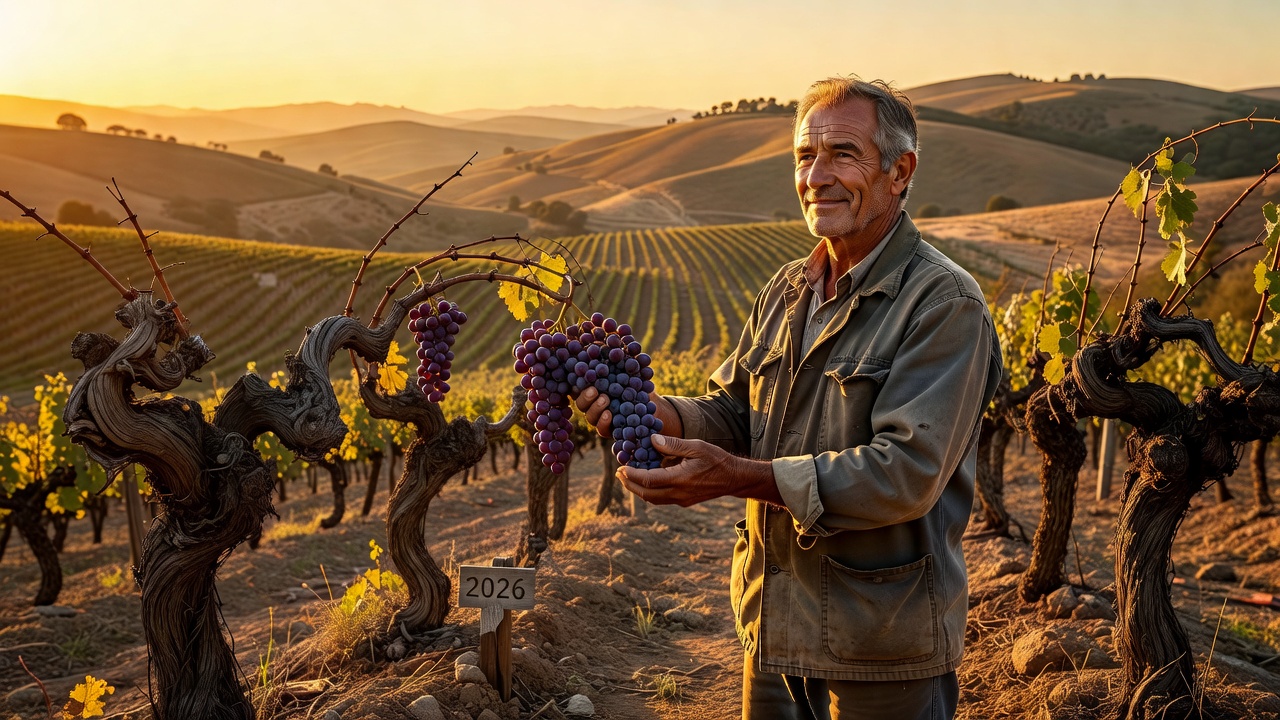
Capturing winemaker stories requires more than technical skill—it demands empathy and observation. Start by researching the winery's background to understand what makes each legend unique. Key techniques include golden hour shooting for warm, inviting tones that highlight grape clusters and weathered hands, environmental portraits that place the winemaker within their vineyard landscape, and macro details of soil, leaves, and fermentation vats to convey the tactile elements of production. These approaches help convey the passage of time and the human element central to wine legends.
Additional methods involve sequencing shots to tell a complete story, from bud break in spring through harvest and aging. Use natural interactions rather than posed shots to reveal genuine personalities. Lighting control in cellars, where artificial sources are minimal, requires patience and an understanding of available light sources like skylights or candlelit tastings.
Equipment Recommendations for 2026 Enthusiasts
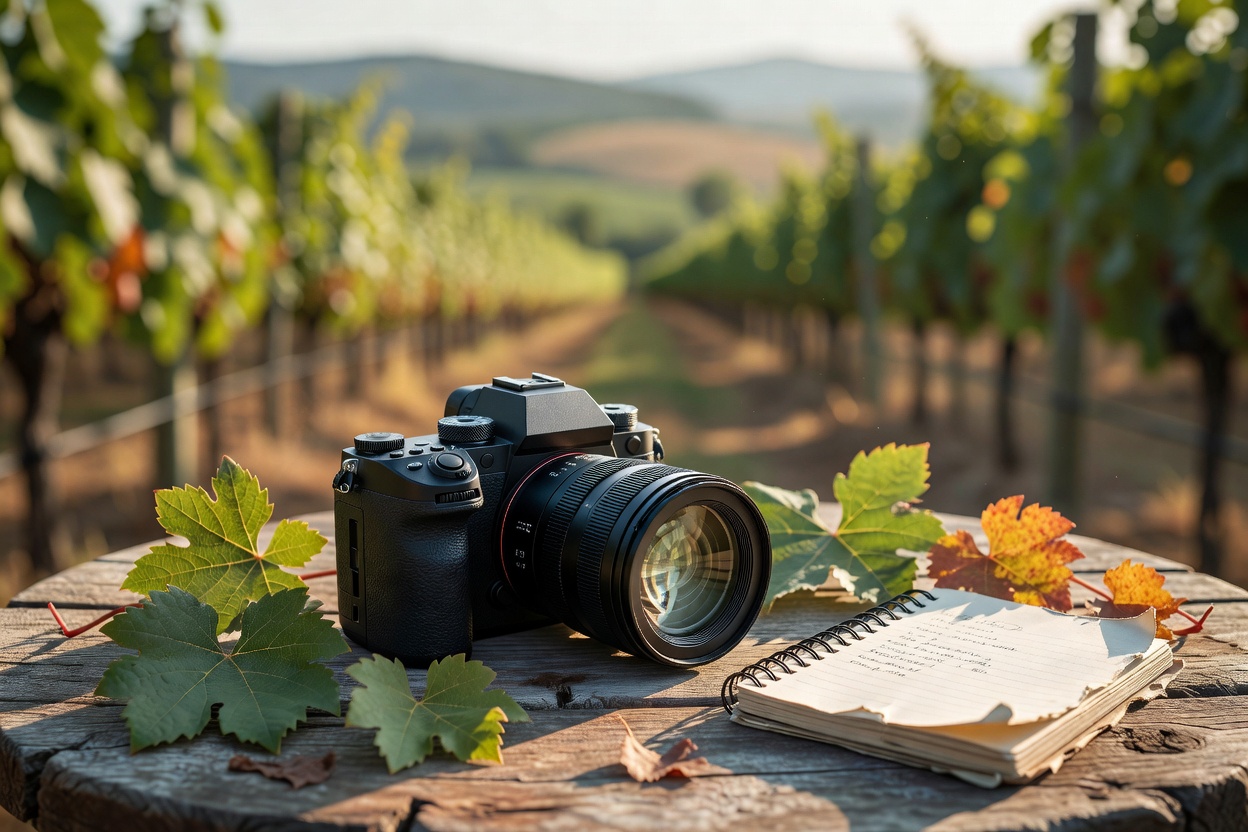
Beginners should prioritize versatility over complexity. Mirrorless cameras offer excellent low-light performance ideal for cellar conditions, while high-quality prime lenses excel at portraits. Tripods ensure stability for long exposures in dim wine caves. Smartphones with advanced computational photography can produce impressive results for social sharing when paired with natural light. Accessories like lens cloths for dusty vineyard days and portable LED panels for controlled lighting round out a practical kit. Focus on gear that supports mobility, as winemaker stories often unfold across sprawling estates.
When selecting equipment, consider weather resistance for outdoor shoots and battery life for full-day vineyard sessions. Many enthusiasts start with entry-level mirrorless bodies paired with a 50mm prime for versatile framing. Experimentation with different focal lengths allows for both intimate close-ups and sweeping landscape views that contextualize the winemaker's world.
Composition Tips for Legendary Vineyard Scenes
Strong composition transforms ordinary vineyard shots into compelling narratives. Use leading lines from vine rows to draw the eye toward the winemaker. Incorporate the rule of thirds to position subjects dynamically against dramatic skies or misty hillsides. Experiment with depth of field to blur backgrounds, emphasizing the person over the setting. For group scenes during harvest, layer elements—foreground grapes, midground workers, and background mountains—to create visual depth. Always seek permission and build rapport to capture genuine expressions that tell authentic stories.
Advanced tips include framing through natural elements like arching vines or cellar doorways to add context and intimacy. Pay attention to color palettes that reflect seasonal changes, and avoid clutter by simplifying backgrounds. These principles ensure your images stand out in an era saturated with visual content.
Analog Versus Digital: A Practical Comparison
Analog film offers a timeless, organic quality perfect for evoking tradition, with its grain and limited shots encouraging deliberate composition. Digital, however, provides instant feedback, high resolution, and easy editing—advantages for 2026 creators sharing content rapidly. Practical steps for enthusiasts include beginning with digital to learn fundamentals, then experimenting with film for special projects. Hybrid workflows, scanning film negatives for digital archives, combine the best of both worlds. Always back up files meticulously and consider cloud storage for long-term preservation of your wine legends collection.
Many professionals recommend starting analog sessions with limited rolls to foster intentionality, then transitioning to digital for volume. This comparison highlights how each medium shapes the storytelling process differently, allowing creators to choose based on the emotional tone they wish to convey.
Real-World Examples from Emerging Wineries
Consider a small family-run operation in the Willamette Valley, where a photographer documented the transition from conventional to regenerative farming. Striking images of soil health tests and intergenerational knowledge transfer helped the winery build a loyal following. Similarly, in South Africa's Cape Winelands, visual essays on climate adaptation have spotlighted resilient winemakers adapting to changing conditions. In New Zealand's Marlborough region, a series focusing on sustainable irrigation practices captured the daily decisions that define modern wine legends, inspiring similar projects globally.
These examples demonstrate how thoughtful photography can amplify lesser-known stories and foster appreciation for the human side of wine production. Each case shows the power of visuals in connecting consumers directly to the source.
Building Your Personal Wine Legends Photo Archive: FAQ
How should I organize my photos?
Use consistent naming conventions and metadata tags for winery, vintage, and winemaker names. Software like Lightroom aids in cataloging thousands of images efficiently.
What ethical considerations apply?
Always obtain consent, respect privacy during sensitive moments like blending sessions, and credit subjects when sharing publicly.
Can I start with just a smartphone?
Absolutely. Many compelling archives begin with mobile photography, focusing first on storytelling before investing in advanced equipment.
How do I handle low-light cellar conditions?
Use a tripod, shoot in RAW for post-processing flexibility, and leverage any available natural light while adding minimal fill light to preserve atmosphere.
Mistakes to Avoid in Vineyard Photography
Common pitfalls include over-editing images to the point of losing authenticity, failing to research the winery's unique story beforehand, and neglecting weather protection for gear. Avoid rushing shots during busy harvest periods, which can disrupt operations. Instead, schedule visits thoughtfully and prioritize relationship-building over quantity of images.
Conclusion
Photography remains one of the most powerful tools for preserving the legends of winemaking in 2026. By mastering history, techniques, and thoughtful composition, you can create a meaningful visual record that educates and inspires. Start small, shoot often, and let the stories of the vines guide your lens toward lasting impact.
No comments yet. Be the first!