 Uncorked Conversations
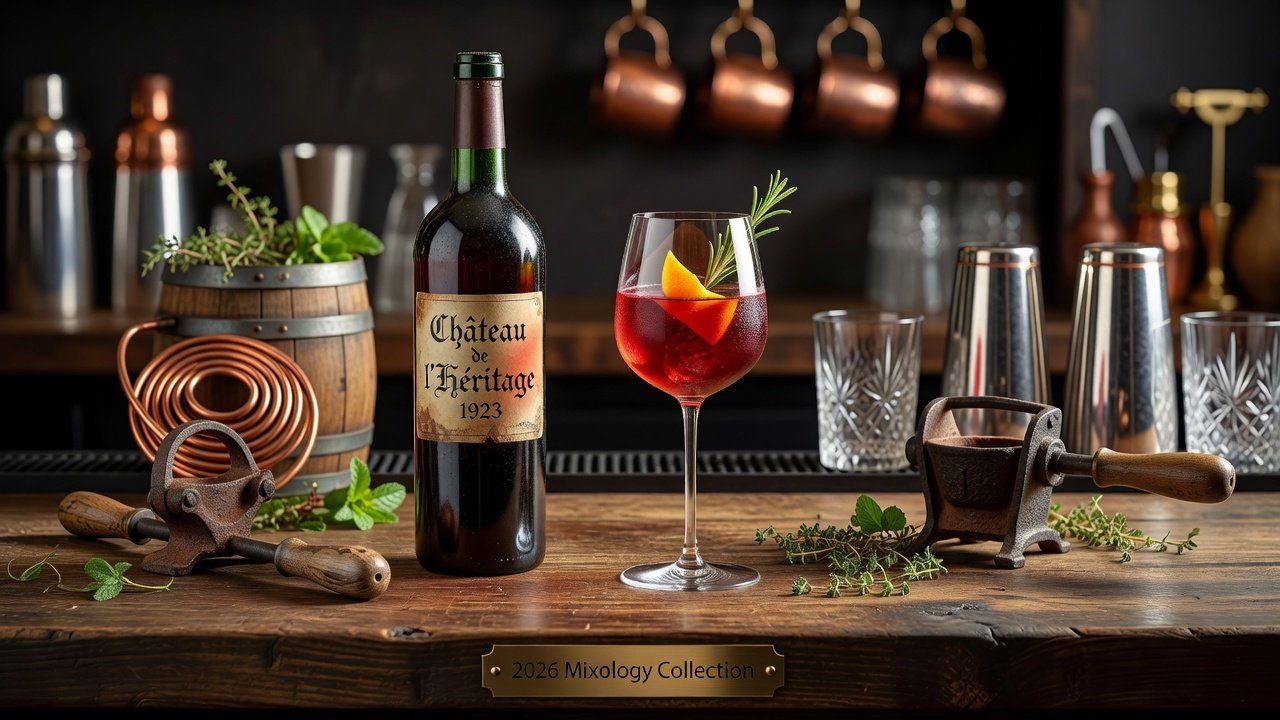
Introduction: Blending Wine Heritage with Modern Mixology
In 2026, cocktail innovation draws heavily from the rich tapestry of wine history. Winemaker stories, from ancient Roman vineyards to contemporary sustainable practices, provide narrative depth that elevates drinks beyond simple recipes. This guide examines how these legends fuel creative mixology for home entertainers and professionals alike, offering practical recipes, comparisons, and real-world insights. Readers seeking fresh angles on blending traditional legends with modern techniques will find concrete steps for entertaining or professional use, including how to adapt historical narratives into contemporary serves that respect both flavor balance and storytelling.
Iconic Wine-Based Drink Origins
Wine-based cocktails trace roots to classical antiquity. The Roman mulsum, a honeyed wine mixture, influenced early aperitifs served at banquets. Winemakers in regions like Bordeaux shared tales of blending grapes with herbs for medicinal elixirs, which evolved into modern sangrias and spritzes. These origins highlight how fermentation techniques and regional grape varieties shaped early mixed drinks. Britannica highlights these historical threads connecting viticulture to beverage culture across centuries.
By the Renaissance, Italian winemakers documented fortified wines that became the basis for vermouth, inspiring today's Negroni variations. Portuguese port legends from the Douro Valley added layers of sweetness and complexity to fortified cocktails. In the 19th century, French winemakers experimented with herbal infusions that prefigured modern bitters. Each story underscores the importance of terroir, grape selection, and aging processes in creating drinks that tell a tale with every sip.
Step-by-Step Recipes Inspired by Famous Legends
Recreate legendary drinks with these 2026 updates. Each draws from winemaker anecdotes for authenticity and includes precise measurements and techniques.
Recipe 1: The Winemaker's Mulsum Spritz
Ingredients: 3 oz chilled white wine (Chardonnay base), 1 oz honey syrup, 2 oz sparkling water, orange peel garnish, fresh thyme sprig.
- Combine wine and honey syrup in a shaker with ice.
- Shake vigorously for 10 seconds to integrate flavors.
- Strain into a wine glass over fresh ice.
- Top with sparkling water and garnish with orange peel and thyme.
This revives Roman traditions while suiting contemporary palates seeking effervescence and subtle sweetness.
Recipe 2: Heritage Vermouth Old Fashioned
Ingredients: 2 oz aged red wine reduction, 0.5 oz simple syrup, two dashes bitters, maraschino cherry, orange twist.
- Stir wine reduction with syrup and bitters over ice for 20 seconds.
- Strain into a rocks glass with a large ice cube.
- Garnish with cherry and orange twist.
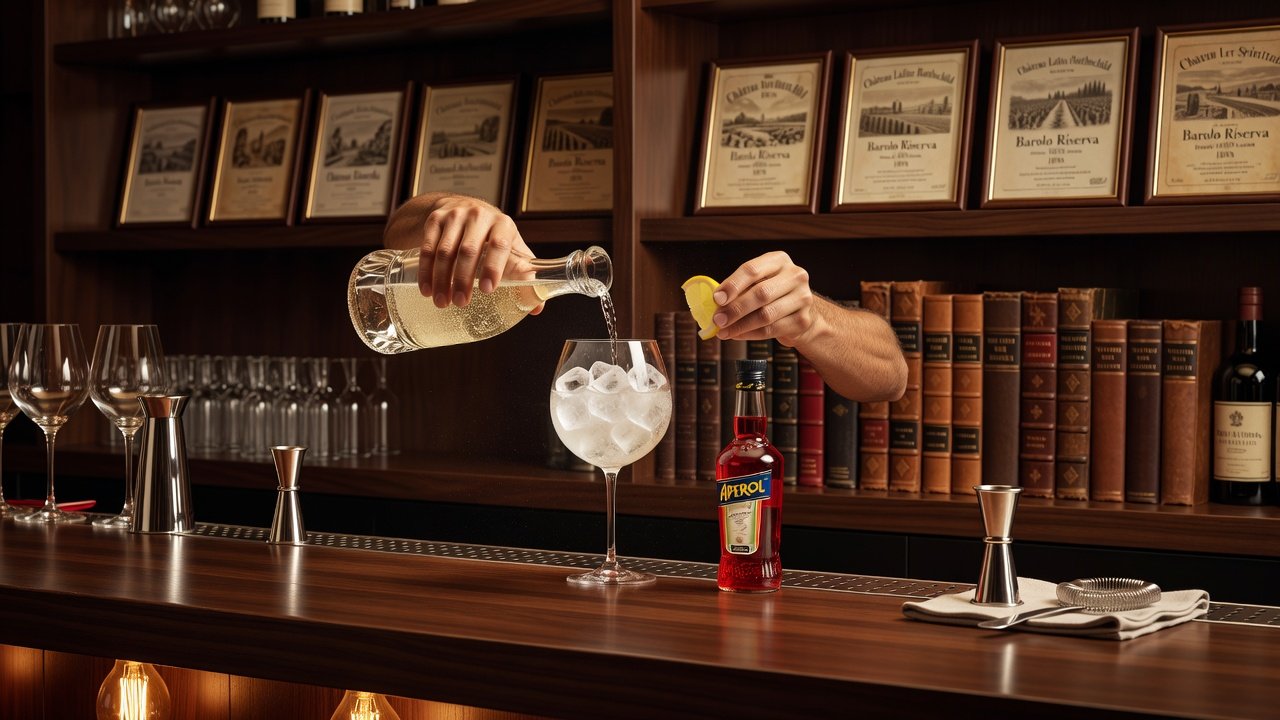
Recipe 3: Douro Valley Port Tonic
Ingredients: 2 oz ruby port, 4 oz tonic water, lime wedge, cinnamon stick.
- Build port and tonic in a highball glass over ice.
- Stir gently to preserve bubbles.
- Garnish with lime and cinnamon for aromatic lift.
Each recipe incorporates a short winemaker backstory to enhance the serving experience at gatherings.
Comparisons of Old Versus New Techniques
Traditional methods relied on open fermentation and manual pressing, yielding robust flavors ideal for long-infused cocktails. These approaches often produced higher tannins and earthy notes that shine in stirred, spirit-forward drinks. Modern techniques use temperature-controlled tanks and micro-oxygenation for precision, allowing lighter, fruit-forward profiles suited to shaken or carbonated serves. Old methods favor bold structure in classics like mulled wines, while new ones excel in low-alcohol, aromatic creations popular in 2026. Professionals note that hybrid methods—such as barrel-aging modern blends or using sous-vide infusions—bridge eras effectively for menus that honor heritage without sacrificing consistency or speed of service.
Real-World Examples from Top Bars
Leading venues like those in Napa and Barcelona incorporate winemaker interviews into drink lists. One establishment features a 2026 cocktail honoring a Burgundy producer's frost-resistant grape stories, using local Pinot Noir reductions with subtle herbal accents. Another draws from Portuguese port legends for fortified twists on classics, enhancing guest engagement through storytelling cards at each table. In New York, a bar revives Renaissance vermouth tales with house-made versions that change seasonally based on winemaker visits. These examples demonstrate how narrative elements increase perceived value and encourage repeat visits.
Practical Tips for Home Mixologists
Follow these actionable guidelines to integrate wine stories into your own creations:
- Start with small-batch wine reductions to control sweetness without overpowering delicate notes.
- Match glassware to the era—use wide bowls for spritzes inspired by ancient traditions.
- Incorporate seasonal herbs mentioned in historical accounts for authenticity.
- Taste wines neat first to understand their story before mixing.
- Document your own variations with short origin notes for guests.
- Experiment with substitutions like using sparkling tea for low-alcohol versions.
- Store fortified wines properly to maintain the integrity of legacy recipes.
Common Mistakes to Avoid
Many enthusiasts overlook acid balance when updating old recipes, leading to flat drinks. Another frequent error is using overly sweet modern wines in place of drier historical styles, which masks nuanced flavors. Always scale ingredients gradually and consider the winemaker's intended aging profile when selecting bases.
FAQ: Pairing Challenges and Substitutions
How do I substitute wines in cocktails? Opt for similar acidity levels; replace Sauvignon Blanc with Pinot Grigio for crisp profiles or use a light Pinot Noir for red-based drinks.
What pairings work best with food? Match tannic reds with bitter liqueurs to avoid clashes and complement charcuterie or aged cheeses.
Common pitfalls with substitutions? Over-sweetening masks wine nuances—always taste incrementally and adjust with citrus or bitters.
Can I adapt recipes for non-alcoholic versions? Yes, use dealcoholized wines and increase sparkling elements while retaining the same garnish and infusion techniques.
How do I source authentic ingredients? Seek small-producer wines from regions tied to the original legends for the most faithful results.
Conclusion
Wine stories enrich 2026 mixology by grounding innovation in heritage. Experiment with these approaches to craft memorable experiences that honor both tradition and creativity, turning every cocktail into a conversation piece rooted in centuries of winemaking passion.
No comments yet. Be the first!