 Uncorked Conversations
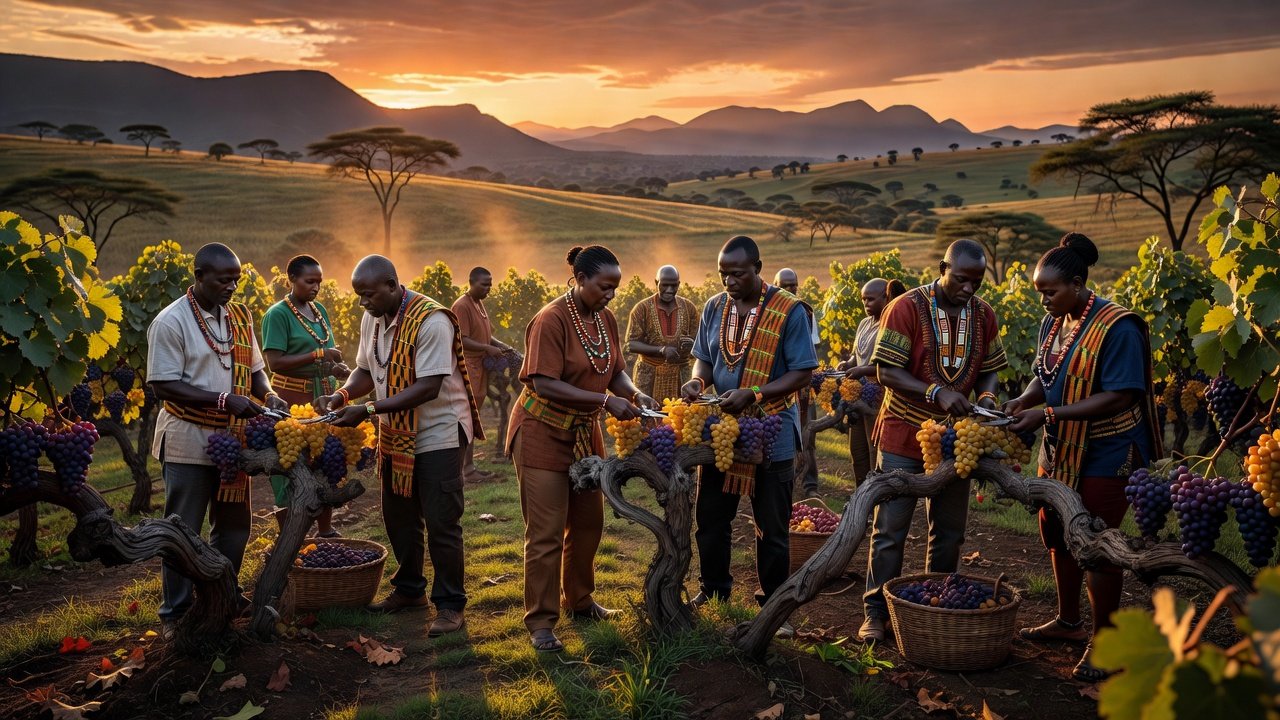
Introduction to African Winemaker Legends
African wine traditions stretch back centuries, offering a rich tapestry of cultural heritage that stands apart from the more commonly explored European regions. This beginner guide dives deep into the untold narratives of winemakers across South Africa, Ethiopia, and Morocco, highlighting how indigenous practices meet modern innovations in the 2026 landscape. From ancient grape varieties to sustainable farming, these stories reveal a dynamic industry rooted in family legacies and resilience. Readers seeking diverse global wine history will discover how these regions contribute unique flavors and techniques that challenge conventional perceptions of wine origins.
The Deep Roots of Wine in Africa
Wine production in Africa predates many European traditions, with evidence of viticulture dating back thousands of years. Archaeological findings suggest early cultivation in the Nile Valley and North African highlands influenced by ancient trade routes. While Europe often dominates global wine conversations, African regions have preserved unique methods influenced by local climates and cultures. The International Organisation of Vine and Wine recognizes the continent's growing contributions to global viticulture. These foundations include wild grape species and fermentation techniques passed orally through communities, creating a living heritage that blends spirituality, agriculture, and social customs.
South African Winemaker Stories
South Africa stands as Africa's largest wine producer, blending Dutch colonial influences with indigenous knowledge. Estates in the Western Cape showcase multi-generational operations where knowledge of soil types and microclimates is handed down carefully. Family legacies emphasize heritage grapes such as Chenin Blanc, which thrives in the region's granite soils. Modern innovations include precision viticulture adapted to the Cape's diverse terroirs, allowing producers to combat drought while maintaining flavor intensity.
Indigenous Grape Varieties in South Africa
Varieties like Pinotage, a cross created locally in 1925, represent innovation while honoring roots. Winemakers experiment with old-vine Chenin Blanc to showcase terroir-driven expressions that rival Old World styles. Other notable grapes include Cinsaut and Muscat, often used in blends that highlight aromatic profiles unique to the Cape Winelands. These varieties demonstrate resilience to local pests and climate variations, providing lessons for global viticulture facing similar pressures.
Ethiopian Traditions and Emerging Legends
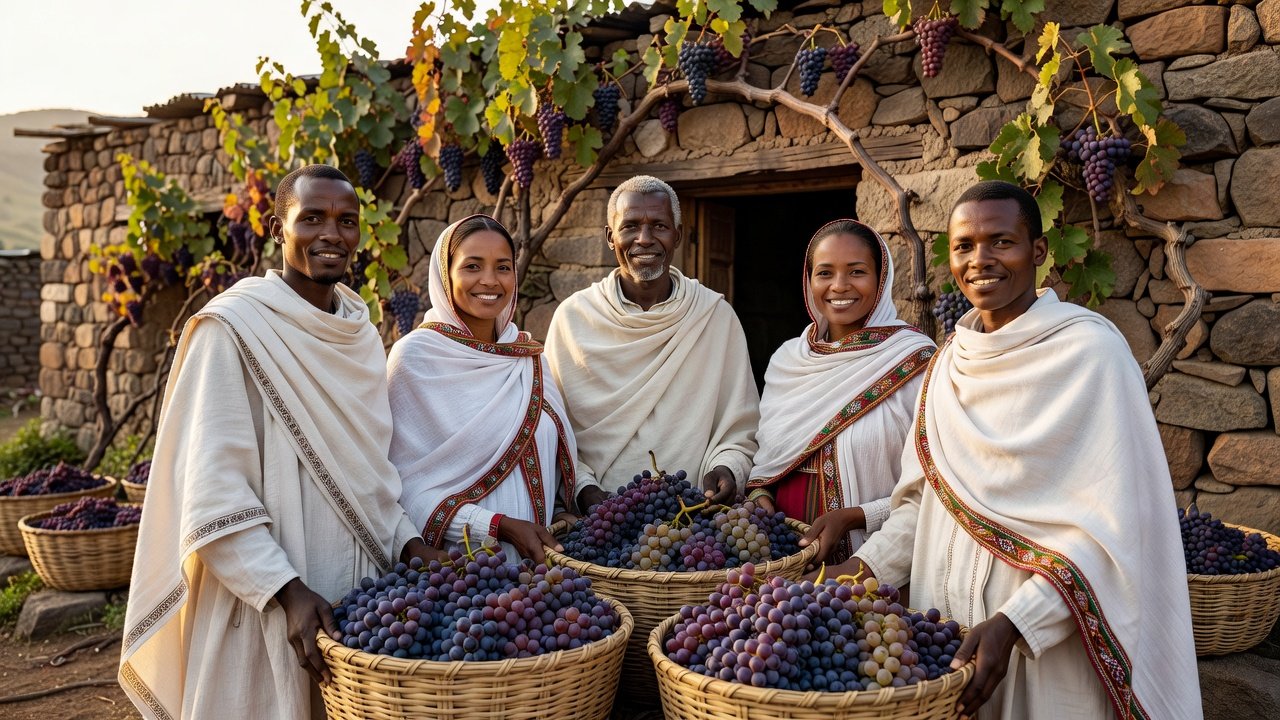
Ethiopia's highland vineyards tap into ancient winemaking knowledge tied to Orthodox Christian heritage. Vineyards at elevations above 2000 meters produce wines with bright acidity and floral notes. Families cultivate native varieties in rugged terrains, producing wines that blend tradition with contemporary techniques for export markets. The process often involves communal harvesting events that reinforce social bonds and preserve oral histories of specific plots.
Family Legacies in Ethiopia
Generational knowledge passed through communities focuses on natural fermentation methods using clay vessels or wooden barrels crafted locally. These legacies preserve biodiversity while adapting to climate challenges in 2026. Examples include small cooperatives reviving forgotten grape types that were nearly lost during political upheavals, now gaining recognition for their distinctive mineral-driven profiles.
Moroccan Innovations in Winemaking
Morocco's Atlas Mountains host vineyards revived after historical declines. Producers leverage the cool nights and intense daytime sun to create balanced wines with concentrated fruit. Sustainability practices, including water conservation through ancient irrigation systems updated with modern drip technology, set examples for arid regions worldwide. Family-run operations often incorporate Berber cultural elements into labeling and hospitality, creating immersive experiences for visitors.
Comparing African Traditions to European Ones
Unlike Europe's strict appellation systems, African winemakers often blend indigenous techniques with flexible approaches. This fosters creativity, such as using wild yeasts or minimal intervention, contrasting with more regulated Old World methods. European traditions prioritize protected designations and centuries-old classifications, while African producers emphasize adaptability and storytelling around cultural origins. Both approaches yield exceptional results, but African wines frequently offer better value and unexpected flavor combinations that appeal to adventurous palates.
Rising Winemakers to Watch in 2026
Profiles include young innovators in the Western Cape experimenting with regenerative agriculture, such as cover cropping and sheep integration for natural fertilization. In Ethiopia, producers are scaling family operations sustainably by incorporating solar-powered pressing equipment. Moroccan estates focus on organic certification to access premium export channels. These figures bridge heritage with global appeal through collaborations that introduce African wines to international festivals and competitions.
Step-by-Step Tips for Sourcing Authentic Stories
- Start with regional wine associations for verified producer contacts and historical archives that detail family timelines.
- Visit local festivals to meet families directly and hear oral histories, always requesting permission before recording or sharing narratives.
- Cross-reference with academic resources on African viticulture from institutions like universities in Cape Town or Addis Ababa.
- Engage ethical tourism operators focused on cultural preservation to ensure visits benefit local communities directly.
- Document narratives with permission to respect community ownership and consider partnering with local historians for deeper context.
- Explore online databases and books published by regional authors to build foundational knowledge before travel.
Sustainability Practices Across Regions
Practices range from solar-powered cellars in South Africa to drought-resistant rootstocks in Morocco. Ethiopian producers often rely on biodiversity corridors around vineyards to support pollinators and soil health. These methods support biodiversity and combat climate impacts effectively. Beginners can support these efforts by choosing bottles from certified sustainable producers, which often feature detailed back labels explaining water management or carbon reduction strategies implemented in the past year.
Modern Innovations in the 2026 Landscape
Technological advances such as drone mapping for vineyard health and blockchain for traceability are being adopted selectively. In South Africa, some estates use AI to predict harvest dates based on weather patterns, reducing waste. Ethiopian and Moroccan winemakers integrate traditional knowledge with these tools to maintain authenticity while improving efficiency. This balance ensures that innovations enhance rather than replace cultural practices central to each region's identity.
How Beginners Can Start Exploring African Wines
Begin by tasting entry-level bottles from each country to identify preferred styles. Attend virtual or in-person tastings hosted by importers specializing in African wines. Build a small collection focusing on one region first, noting tasting notes and pairing ideas. Join online forums dedicated to emerging wine regions for recommendations and discussion. This structured approach helps develop appreciation without overwhelming the palate.
FAQ: Common Misconceptions About African Wine
Is African wine only from South Africa?
No, thriving scenes exist in Ethiopia, Morocco, and beyond, each with distinct traditions shaped by unique geography and history.
Are African wines lower quality than European ones?
Quality varies widely; many African producers now earn international acclaim for unique expressions that stand alongside top global wines in blind tastings.
Do indigenous grapes dominate African production?
Yes, varieties adapted to local conditions play a central role alongside international grapes, offering distinctive character not found elsewhere.
How does climate change affect these regions specifically?
Producers face increased drought and temperature swings, leading to innovative irrigation and canopy management techniques tailored to each area's microclimates.
Conclusion
African winemaker legends offer fresh perspectives on global wine history, blending ancient traditions with forward-thinking innovations. By exploring these narratives, enthusiasts gain appreciation for cultural heritage and sustainable futures in the wine world. The stories from South Africa, Ethiopia, and Morocco demonstrate that wine is more than a beverage—it is a vessel for community, resilience, and creativity that continues to evolve in meaningful ways.
No comments yet. Be the first!