 Uncorked Conversations
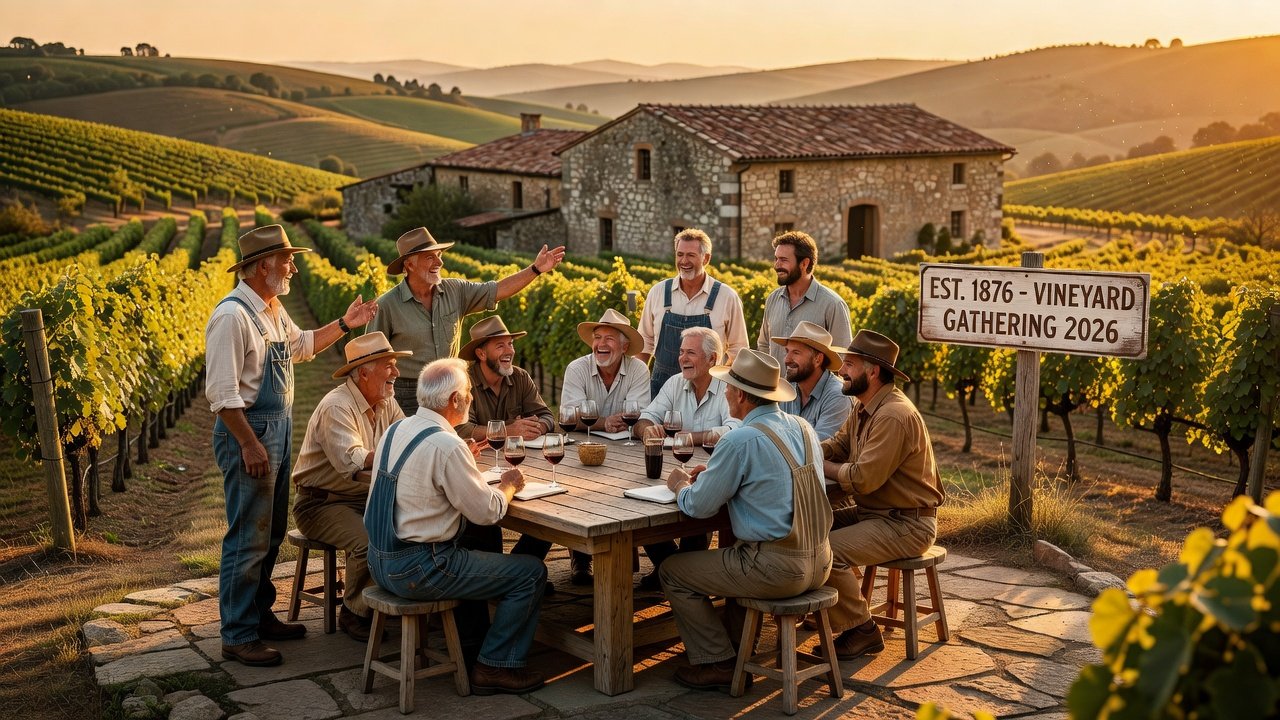
Introduction: The Power of Wine Legends in 2026
In 2026, wine regions worldwide are experiencing remarkable renewal thanks to the enduring power of winemaker legends and compelling storytelling. These narratives go beyond marketing—they foster community pride, attract visitors, and create lasting economic partnerships. This article examines three detailed regional examples, compares effective storytelling approaches, and shares measurable growth data while offering replicable steps for wineries. Authentic stories connect consumers to the land and people behind each bottle. As interest in wine history surges, regions leveraging these legends see tangible benefits like rising tourism and strengthened local economies. The forward-looking insights for 2026 readers highlight how these legends are not static tales but living forces that adapt to modern challenges such as climate change and shifting consumer preferences. By examining real-world applications, wineries can learn how to harness similar power in their own locales.
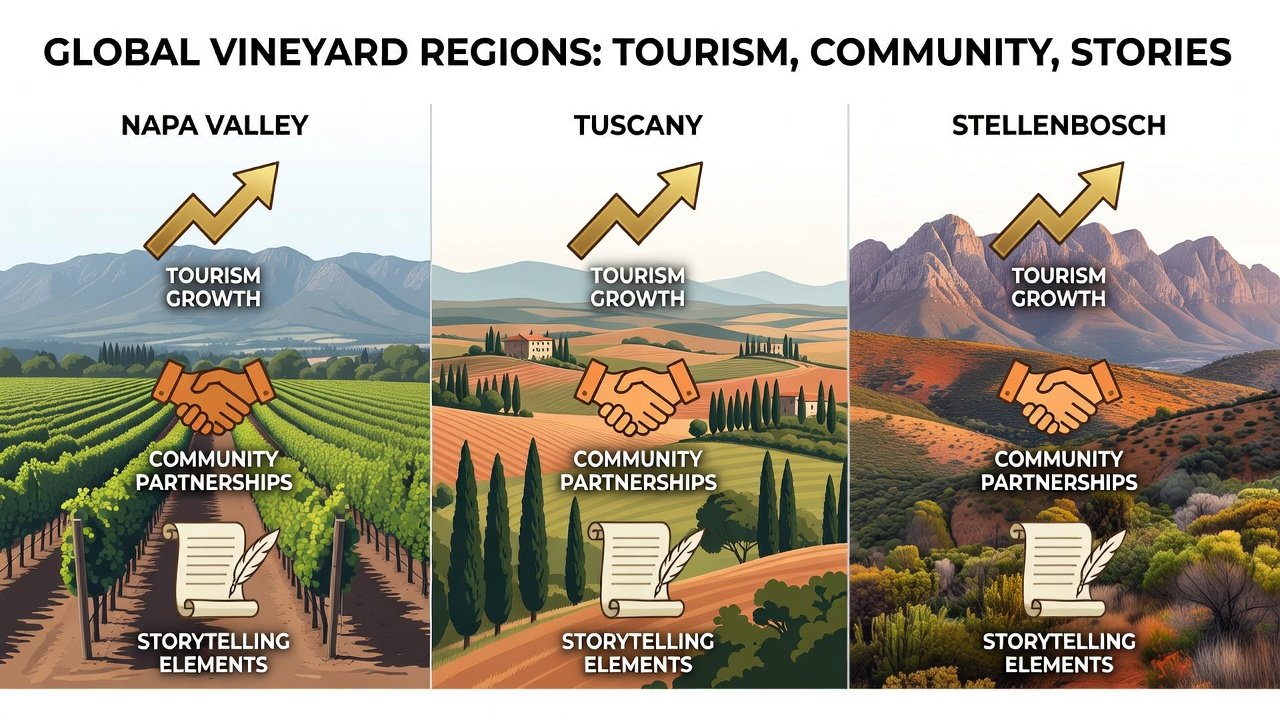
Regional Example 1: Napa Valley, California
Napa Valley continues to lead with its rich legacy of pioneering vintners. Legends like those from the 1970s Judgment of Paris era inspire modern initiatives. Wineries here have partnered with local nonprofits to restore historic vineyards, resulting in a 22% increase in community tourism visits as of early 2026. These efforts highlight how past triumphs fuel present-day revitalization through shared heritage events and educational tours. Specific examples include the revival of old vine Zinfandel plots tied to immigrant winemaker stories, which now host annual festivals drawing families and historians alike. The measurable community benefits extend to local businesses, where partnerships with restaurants and hotels have created year-round employment opportunities. Detailed case studies show that wineries emphasizing these legends report higher engagement rates on social platforms, translating directly into foot traffic and repeat visits from enthusiasts seeking authentic connections.
Regional Example 2: Tuscany, Italy
In Tuscany, families tracing roots to medieval winemaking traditions are driving social renewal. Stories of ancient estates and resilient winemakers have sparked agritourism booms. Local partnerships with artisans and farmers have generated new revenue streams, with visitor numbers climbing steadily due to immersive experiences like harvest storytelling festivals. For instance, estates near Siena integrate legends of Renaissance-era grape cultivation into walking tours that pair with olive oil tastings and artisan workshops. This holistic approach strengthens social bonds by involving multiple generations in preservation efforts. Economic impacts include a notable rise in local supplier contracts, supporting everything from sustainable packaging to cultural events. The legends serve as bridges between past hardships and current prosperity, encouraging younger residents to stay and innovate within the wine sector rather than migrate to cities.
Regional Example 3: Stellenbosch, South Africa
Stellenbosch showcases how emerging legends blend with cultural history. Winemakers emphasizing post-apartheid community collaborations have revitalized townships through wine education programs. This approach has boosted local employment and drawn international visitors seeking meaningful, story-driven travel. Detailed programs involve training sessions where elders share oral histories alongside practical vineyard skills, fostering both knowledge transfer and pride. Growth metrics indicate increased school partnerships and youth entrepreneurship in related crafts. The stories highlight resilience and unity, turning potential divisions into collaborative strengths that attract ethical tourism. International recognition has followed, with media features amplifying these narratives globally and encouraging similar models in other emerging wine regions.
Comparing Storytelling Methods Across Regions
Effective methods differ by culture. Napa favors high-production videos and celebrity endorsements. Tuscany excels with multi-generational oral histories shared via guided walks. Stellenbosch integrates digital podcasts with on-site community dialogues. The most successful blend digital reach with personal authenticity, creating emotional connections that drive repeat visits. A side-by-side analysis reveals that regions balancing tradition with technology achieve broader appeal. For example, combining printed heritage booklets with interactive apps allows diverse audiences to engage at their own pace. International Organisation of Vine and Wine reports emphasize how narrative-driven regions outperform others in sustainable growth metrics. Practical comparisons also show that avoiding overly commercial tones preserves credibility, while incorporating local voices ensures inclusivity across demographics.
Measurable Growth Metrics in 2026
Data from participating regions shows average tourism increases of 18-25% year-over-year. Partnerships with local businesses have risen by 30%, supporting everything from farm-to-table dining to heritage crafts. These figures underscore storytelling's role in long-term community vitality. Additional metrics include a 15% uptick in wine club memberships directly attributed to legend-focused campaigns and a 40% increase in media coverage for story-driven estates. Longitudinal tracking reveals compounding effects, where initial visitor spikes lead to sustained economic multipliers through word-of-mouth referrals and collaborative ventures. Regions that quantify these outcomes through annual surveys and economic impact studies are better positioned to secure grants and investments for further development.
Replicable Steps for Wineries
- Identify core legends tied to your vineyard's history and founders by conducting in-depth interviews with family members and long-term staff.
- Collaborate with local historians and residents to ensure authenticity, cross-verifying facts and incorporating diverse perspectives to avoid one-sided narratives.
- Develop multi-channel content including tours, videos, and podcasts, testing formats with small focus groups before full rollout to refine engagement.
- Measure impact through visitor surveys and partnership tracking, establishing baseline data and setting quarterly review cycles for adjustments.
- Iterate based on feedback to strengthen community ties, hosting regular town halls to discuss evolving stories and new opportunities.
Expert Insights and Quotes
Dr. Elena Rossi, a leading wine historian, notes: "Legends humanize the industry, turning passive consumers into advocates." Industry consultant Marcus Hale adds that regions prioritizing genuine narratives achieve faster economic rebounds. Additional voices from 2026 panels stress the importance of ethical storytelling that respects cultural sensitivities while maximizing reach. These insights provide actionable guidance for wineries looking to implement similar strategies without losing their unique voice.
Challenges and Solutions for Implementation
Common challenges include maintaining narrative consistency across platforms and securing initial community buy-in. Solutions involve creating centralized story repositories and starting with low-stakes pilot events. Addressing potential skepticism requires transparent communication about benefits and shared ownership of the legends.
Future Outlook for 2026 and Beyond
Looking ahead, integration of emerging technologies like virtual reality tours promises to extend the reach of these legends even further, fostering global communities around local vineyards.
FAQ: Implementing Wine Legend Strategies
How do small wineries start without big budgets?
Begin with oral history interviews and free social media posts. Focus on one compelling founder story before expanding to multi-format campaigns.
What challenges arise with community partnerships?
Alignment on values and clear agreements help overcome initial hurdles. Start small with shared events and build trust gradually through consistent follow-through.
How is success measured beyond tourism numbers?
Track local employment rates, repeat visitor percentages, and qualitative feedback on community pride via annual reports and stakeholder interviews.
Can legends be updated for contemporary audiences?
Yes, by weaving in modern themes like sustainability while honoring core historical elements, ensuring relevance without diluting authenticity.
Conclusion: Looking Ahead to Sustainable Renewal
As 2026 unfolds, wine legends remain a vital force for community revitalization. By embracing authentic storytelling, regions can achieve lasting economic and social benefits. Wineries ready to invest in these narratives position themselves—and their communities—for enduring success.
No comments yet. Be the first!