 Uncorked Conversations
Introduction: Science Meets the Stories Behind Your Favorite Wines
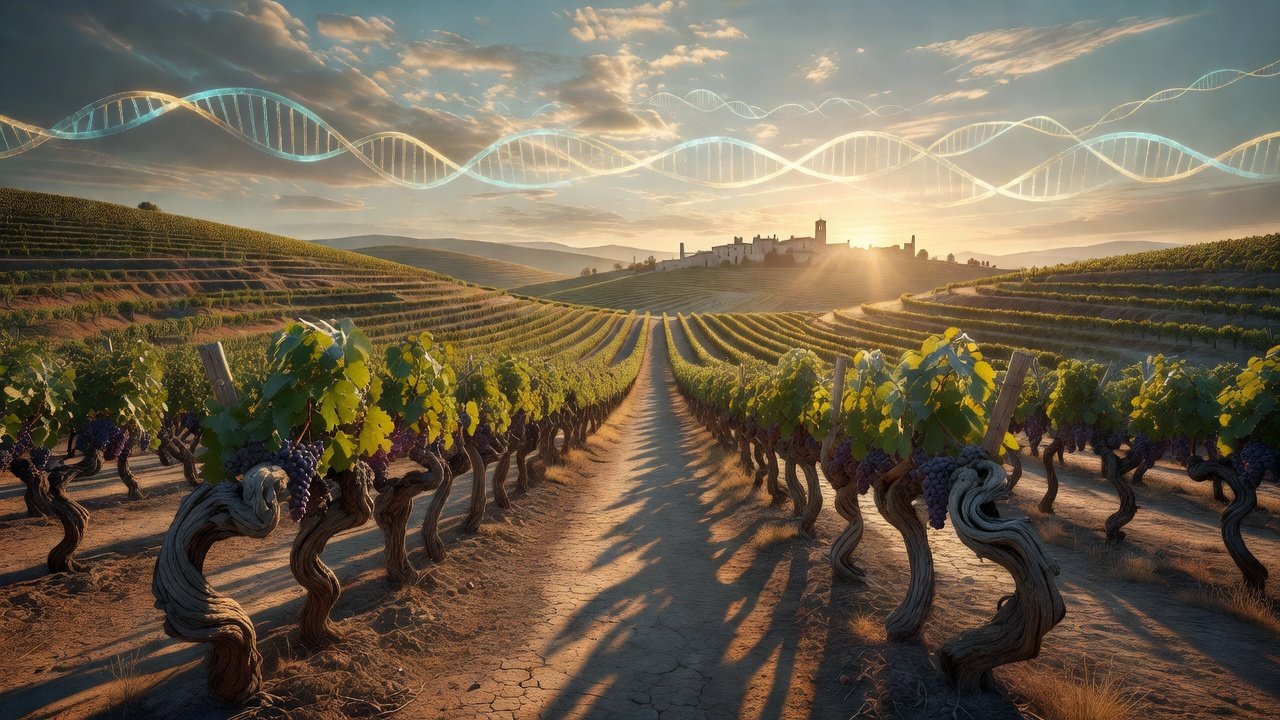
Wine enthusiasts have long cherished legends passed down through generations—tales of ancient vines, heroic winemakers, and mysterious origins. In 2026, DNA analysis is peeling back these layers with unprecedented precision. Genetic research now allows modern wine lovers to verify, refine, or even rewrite the narratives surrounding iconic bottles. This advanced beginner guide blends cutting-edge science with compelling storytelling, helping you understand how lab findings intersect with tradition without replacing the romance of the vineyard.
Whether you are exploring European cellars or New World vineyards, these insights deepen appreciation. From tracing grape lineages across continents to comparing centuries-old lore against modern data, the field offers fresh perspectives for curious drinkers. DNA studies are not just academic exercises; they influence planting decisions, marketing, and even the way sommeliers describe bottles at the table.
2026 DNA Studies on Ancient Grape Varieties
Recent advances in genomic sequencing have unlocked details about grape varieties once thought lost to time. Researchers use whole-genome sequencing to map relationships between modern cultivars and their wild ancestors. For instance, studies published in 2026 highlight how certain European grapes carry markers from Roman-era plantings, confirming long-suspected migrations across the Mediterranean and into Central Europe.
Key techniques include SNP analysis, which identifies single nucleotide polymorphisms to build detailed family trees for vines. These methods also incorporate CRISPR-inspired tools for faster variant detection and ancient DNA extraction from preserved seeds or wood fragments. One notable 2026 finding suggests that some varieties labeled as "indigenous" actually incorporate genetic material from distant regions introduced through trade routes centuries ago. Another study mapped the spread of Pinot Noir relatives, showing unexpected connections to wild grape populations in the Caucasus Mountains.
Nature continues to report on these breakthroughs, providing open-access summaries suitable for enthusiasts seeking deeper context beyond headlines.
How DNA Analysis Works in Viticulture
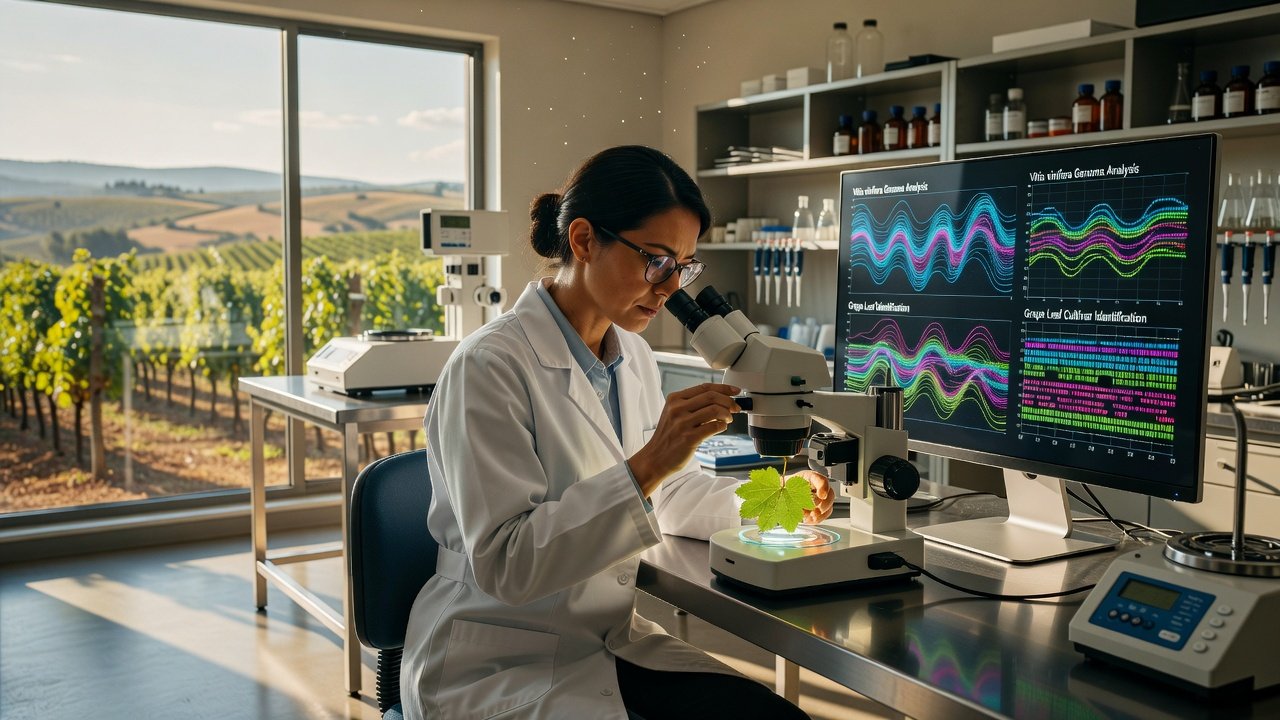
Understanding the process helps readers appreciate the rigor behind the results. First, scientists collect leaf or berry samples from target vines. They then extract DNA and perform library preparation for high-throughput sequencing machines. Bioinformatics pipelines align the resulting reads against reference genomes of known varieties like Cabernet Sauvignon or Chardonnay.
Next comes variant calling and phylogenetic tree construction, which visualizes relationships. Finally, results are cross-referenced with historical records and ampelographic descriptions. This multi-step workflow typically takes several weeks but delivers highly reliable lineage data that traditional morphological observation alone cannot provide.
Real-World Examples from European and New World Vineyards
In Europe, DNA work in Tuscany has clarified the heritage of Sangiovese clones. Lab results show subtle variations that explain flavor differences between neighboring estates, moving beyond soil and climate explanations alone. Similarly, in Bordeaux, genetic mapping has traced Cabernet Sauvignon back to a natural cross of Cabernet Franc and Sauvignon Blanc, validating centuries-old oral histories while revealing additional minor parent contributions previously undocumented.
New World regions offer equally fascinating cases. California vineyards have used DNA to identify rare Zinfandel relatives from Croatian sources, reshaping import regulations and planting decisions for several estates. In Australia, researchers confirmed Shiraz connections to French Syrah while uncovering unique mutations developed locally over 150 years that affect drought resistance. South African producers have mapped Pinotage origins, discovering it carries unexpected Cinsault and Pinot Noir segments that influence its distinctive spice notes.
These examples demonstrate how science respects heritage while adding fresh context for today's winemakers and drinkers who seek authenticity in every pour.
Traditional Lore Versus Lab Findings: Key Comparisons
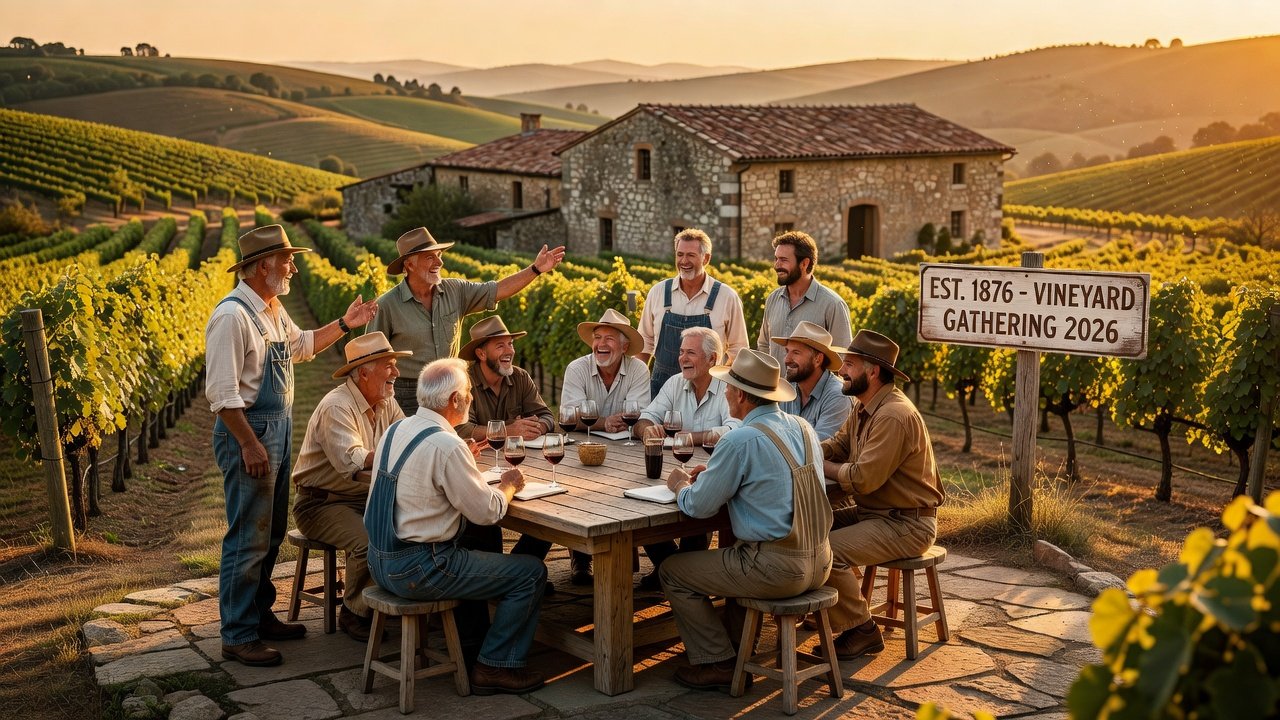
Many wine legends stem from romantic storytelling rather than written records. DNA often supports core elements of these tales but adds important nuance. Consider the myth of a single heroic monk introducing a variety to a region—genetics frequently shows multiple introduction points instead, reflecting trade and migration patterns.
Common discrepancies include:
- Overstated purity: Some "pure" heirloom varieties turn out to be natural hybrids with two or more ancestral lines.
- Geographic origins: DNA points to different source regions than local folklore suggests, sometimes thousands of kilometers away.
- Age estimates: Vines once dated by oral tradition are revealed as younger or older through molecular clock calculations calibrated against archaeological finds.
- Resilience traits: Legends praising a variety's hardiness are sometimes confirmed, while others are attributed to rootstock choices rather than the scion itself.
Yet the emotional power of these stories remains intact. The best approach combines both perspectives for richer understanding and more informed tasting experiences.
Practical Steps to Explore Local Winemaker Stories
Ready to apply these insights yourself? Follow these detailed steps to blend science and storytelling in your wine journey:
- Visit regional archives or libraries for historical planting records before tasting sessions, noting any documented introductions of varieties.
- Ask winemakers about any DNA testing they have conducted on their vines and request summaries of the findings if available.
- Compare tasting notes with genetic profiles shared on winery websites or public academic databases to spot correlations between heritage and flavor.
- Join virtual or in-person seminars hosted by universities studying viticulture genomics for accessible explanations of recent papers.
- Document your own discoveries in a tasting journal to track how new facts enhance enjoyment and sharing with fellow enthusiasts.
- Support vineyards that publish DNA results by purchasing their wines and providing feedback on how the science shapes your perception.
Start small with one bottle from a familiar region and expand outward as your confidence grows.
Case Studies: DNA Reshaping Wine Narratives
Case Study 1: A Portuguese estate discovered through DNA that its flagship variety descended from an ancient Greek import, prompting updated marketing that honors both origins while highlighting the unique adaptations developed over centuries in the Douro Valley.
Case Study 2: A Chilean winery used sequencing to prove its Carménère vines survived phylloxera better than previously believed due to specific genetic markers, boosting export confidence and leading to expanded plantings across the Maipo Valley.
These stories show tangible benefits for producers and consumers alike, turning abstract science into marketable authenticity.
FAQ: Accessible Testing Options for Wine Enthusiasts
What types of DNA tests are available for grapes? Commercial labs offer targeted sequencing for varietal confirmation, heritage mapping, and disease-resistance screening using established panels.
Can individuals request testing? Some universities and private services accept samples from vineyard owners or serious hobbyists, though costs vary by scope and turnaround time.
How accurate are the results? Modern methods achieve over 99 percent reliability when proper protocols are followed and sufficient sample quality is maintained.
Where can I learn more without technical expertise? Look for popular science articles, winery educational events, and public webinars that translate complex findings into accessible language for everyday wine lovers.
DNA research is transforming how we experience wine legends. By embracing both lab data and human stories, enthusiasts gain deeper connections to every glass. As 2026 unfolds, these tools promise even more revelations, inviting everyone to become part detective and part storyteller in the world of wine.
No comments yet. Be the first!