 Uncorked Conversations
Introduction to Global Wine Legends
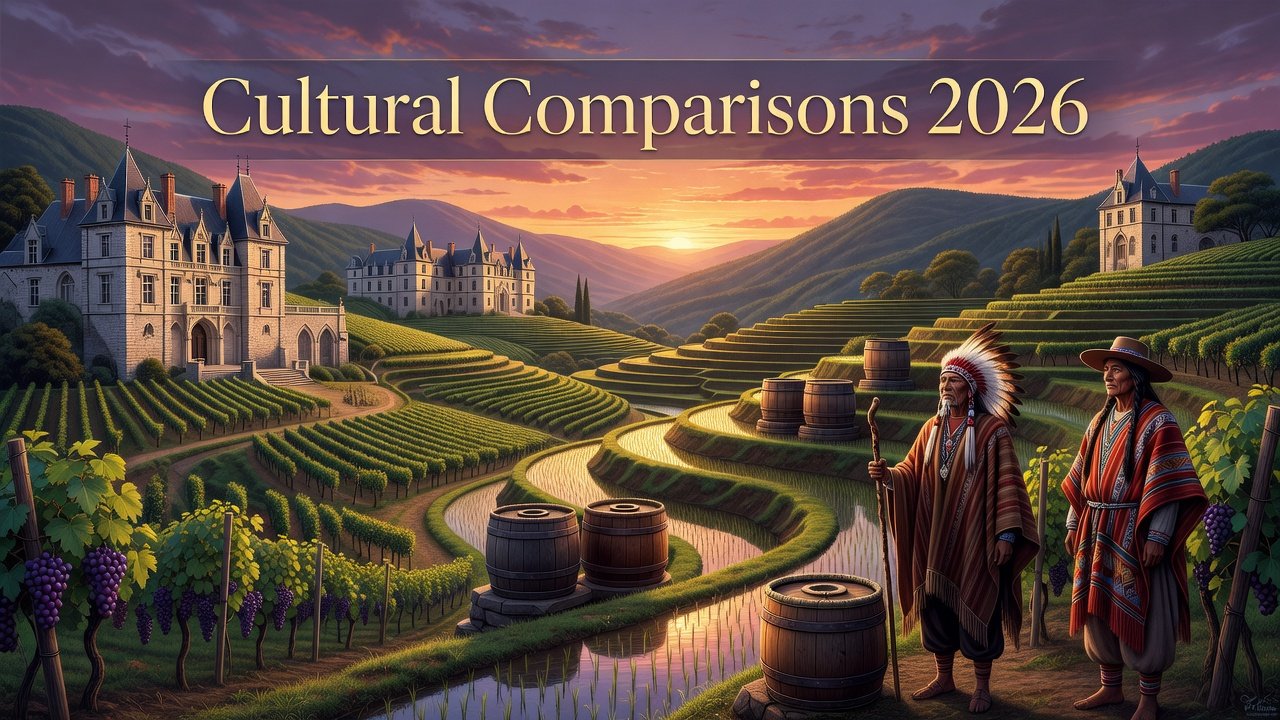
Wine legends transcend mere history; they embody cultural values, traditions, and innovations that shape how enthusiasts appreciate the beverage today. For 2026, global wine narratives are evolving rapidly, blending ancient stories with modern sustainability practices. This article delves into comparative insights across regions, highlighting differences between European and Asian traditions while examining indigenous influences and emerging adaptations. Enthusiasts seeking deeper connections will find that these legends reveal why certain winemaking practices endure or evolve under contemporary pressures like climate change and globalization. By comparing stories from multiple continents, readers gain tools to appreciate wines beyond flavor profiles, understanding the human and cultural forces behind each bottle.
Understanding these legends helps enthusiasts connect deeply with wines from around the world. Whether exploring Bordeaux tales or Japanese sake lore, cultural contexts reveal why certain practices persist or transform. In 2026, digital platforms and virtual experiences make cross-cultural exploration more accessible than ever, allowing enthusiasts to trace legends through interactive maps and global webinars without leaving home.
European Wine Traditions: Myth and Mastery
European wine legends often center on monastic origins and aristocratic legacies. In France, stories of monks perfecting terroir in Burgundy date back centuries, emphasizing patience and land stewardship that continue to influence modern appellation systems. Italy's legends highlight family dynasties in Tuscany, where innovation meets heritage through varietals like Sangiovese, passed down through generations amid shifting political landscapes. Spain contributes tales of Rioja pioneers who blended local grapes with international techniques in the 19th century, creating resilient styles still celebrated today.
These narratives prioritize continuity, with winemakers viewed as guardians of history. Sustainability here focuses on preserving ancient vineyards amid climate shifts, often through strict regulations that protect soil health and biodiversity. Enthusiasts can visit historic chateaus to witness how legends inform daily decisions, from pruning techniques to harvest timing rooted in centuries-old calendars.
Asian Traditions: Harmony and Innovation
Asian wine cultures, particularly in China and Japan, weave legends around balance and nature. Chinese legends tie wine to imperial courts and medicinal uses, evolving into modern high-altitude vineyards in regions like Ningxia where ancient philosophies meet cutting-edge irrigation. Japan's sake traditions blend Shinto rituals with rice cultivation myths, now adapting to global markets with premium exports that honor seasonal cycles and community bonds. In India and Korea, similar stories emphasize fermented beverages tied to festivals and healing practices.
Unlike Europe's focus on grape lineage, Asian stories stress harmony with seasons and community. Indigenous influences appear in Korean makgeolli folklore, rooted in agricultural rites that celebrate rice spirits as gifts from the earth. These traditions are seeing renewed interest in 2026 as global consumers seek mindful, culturally rich alternatives to mainstream wines.
Indigenous Influences on Wine Narratives
Indigenous perspectives add profound layers. In New Zealand, Maori legends connect wine to land guardianship, influencing modern practices that incorporate native plants and respect for ancestral territories. South American stories from Andean communities emphasize ancestral fermentation techniques using native fruits alongside grapes, fostering biodiversity in high-altitude settings. Australian Aboriginal narratives highlight bush tucker ingredients in experimental wines, bridging ancient knowledge with contemporary craft.
These narratives challenge Eurocentric views, promoting biodiversity and respect for ecosystems in 2026 discussions. They encourage enthusiasts to consider ethical sourcing and the role of traditional ecological knowledge in combating environmental challenges faced by the wine industry worldwide.
Case Studies: Legends from Three Regions Compared
Consider three legends: France's Domaine de la Romanée-Conti (European), Japan's Koshu winemaking revival (Asian), and New Zealand's Maori-inspired sustainable estates (indigenous-modern fusion). Each offers unique lessons on sustainability and innovation that enthusiasts can apply when selecting wines.
- Sustainability: French estates focus on organic certification and soil health, maintaining centuries-old vines through careful water management. Japanese producers innovate with water-efficient techniques and solar-powered facilities that align with harmony principles. Maori-influenced wineries integrate regenerative farming, drawing from traditional knowledge to restore native ecosystems while producing premium Pinot Noir.
- Innovation: All adapt to 2026 trends like AI monitoring of vineyards and precision fermentation, but cultural lenses differ—Europe preserves heritage through selective breeding, Asia blends tech with ritual for export growth, and indigenous approaches prioritize ecological storytelling in labeling and marketing.
Direct comparisons show European legends value legacy and regulation, Asian ones emphasize adaptation and balance, and indigenous ones foster inclusivity and land stewardship. These case studies demonstrate how legends guide practical decisions in the vineyard and marketplace.
Modern Adaptations and 2026 Trends
In 2026, wine legends incorporate digital storytelling and climate resilience. Trends include virtual tastings of cross-cultural vintages and blockchain-traced origins that let consumers verify sustainability claims in real time. Winemakers blend legends, such as European-Asian hybrid narratives in fusion wines that combine Old World techniques with Eastern fermentation methods. Emerging focuses on diversity highlight underrepresented voices, driving global enthusiasm through inclusive festivals and collaborative projects.
Another key trend involves regenerative practices inspired by indigenous legends, which are gaining traction in Europe and Asia alike. Enthusiasts should watch for labels that reference these evolving stories, as they signal deeper commitments to environmental and cultural preservation.
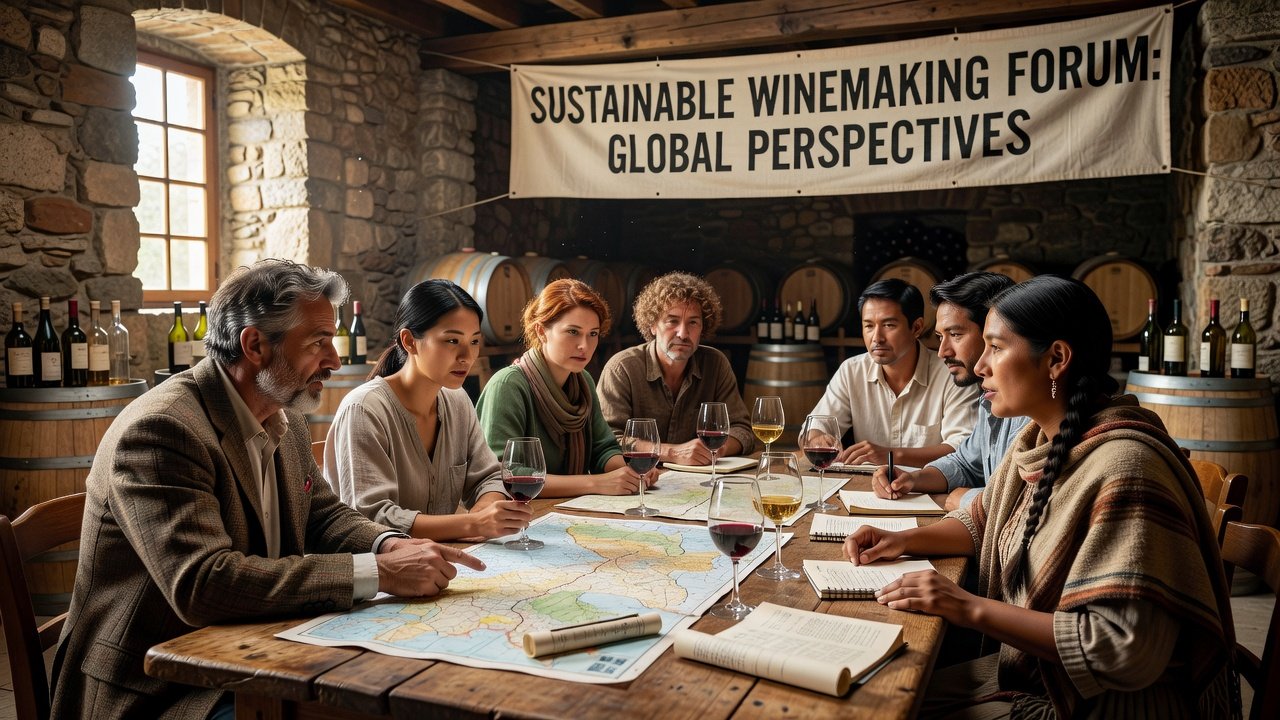
Practical Steps for Enthusiasts to Research Cross-Cultural Stories
- Start with primary sources like regional wine councils and historical texts available through libraries or official heritage sites to build a factual foundation.
- Attend multicultural festivals or virtual webinars on global legends, taking notes on recurring themes such as sustainability and ritual.
- Compare themes using journals from institutions like the World Health Organization for cultural health aspects of wine traditions and the Food and Agriculture Organization for agricultural contexts.
- Visit diverse regions or use apps for virtual tours, noting sustainability metrics and how legends influence current practices.
- Join online forums and book clubs focused on wine stories to discuss misconceptions and share findings with a global community.
- Document your research in a personal journal, cross-referencing legends with tasting notes to create meaningful connections.
Mistakes to Avoid When Exploring Wine Legends
Enthusiasts often overlook the living nature of legends, treating them as static history rather than evolving narratives. Avoid assuming all traditions are purely European or romanticizing indigenous practices without acknowledging modern adaptations. Another common error is ignoring economic contexts, such as how legends support local economies in developing regions. Always verify sources through authoritative channels and seek diverse perspectives to prevent cultural bias in your understanding.
FAQ: Addressing Common Misconceptions
Are all European wine legends about aristocracy?
No, many stem from peasant innovations and monastic science, not just elites, reflecting broader community contributions across centuries.
Do Asian traditions ignore sustainability?
Quite the opposite—legends often center on seasonal harmony, now enhanced with modern eco-practices that address water scarcity and biodiversity in 2026.
Can indigenous influences apply to non-native regions?
Yes, global enthusiasts adapt these principles through ethical sourcing, education programs, and collaborative projects that respect origin communities.
How do 2026 trends affect traditional legends?
Digital tools and climate innovations are integrating with legends rather than replacing them, creating hybrid stories that appeal to younger generations while honoring roots.
Conclusion
Global wine legends offer rich comparative insights for 2026 enthusiasts. By exploring European mastery, Asian harmony, and indigenous wisdom, readers gain appreciation for sustainability and innovation across cultures. Use the steps above to deepen your journey, avoid common pitfalls, and challenge misconceptions, fostering a more connected and informed wine world that celebrates diversity in every glass.
No comments yet. Be the first!