 Uncorked Conversations
Introduction: Science Meets Tradition in Modern Winemaking
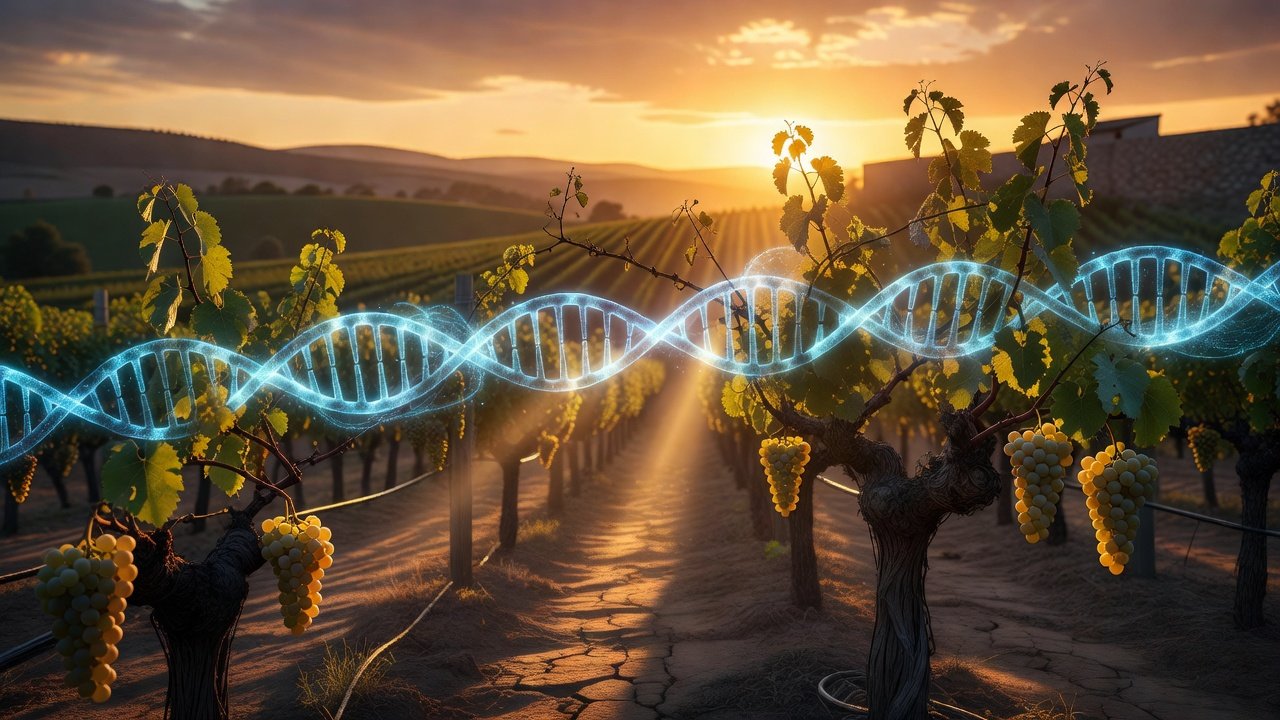
The world of wine has always been steeped in stories passed down through generations. Yet in 2026, cutting-edge DNA analysis is peeling back layers of myth to reveal the true genetic heritage of legendary vineyards and winemakers. This intersection of genomics and viticulture is transforming how enthusiasts understand everything from ancient grape varieties to the authenticity of historic estates. By examining the DNA of grapevines, researchers can trace lineages that oral histories alone could never confirm. This forward-looking approach not only validates centuries-old claims but also opens new doors for emerging wine regions worldwide, allowing producers to protect their unique identities in an increasingly competitive global market.
DNA insights provide a scientific foundation that complements the romantic narratives long associated with wine legends. Enthusiasts and professionals alike are discovering how genetic data can guide future plantings, improve disease resistance, and even influence marketing strategies for bottles that carry centuries of tradition. The result is a richer appreciation for the liquid in every glass, grounded in verifiable evidence rather than folklore alone.
How DNA Analysis Uncovers Hidden Wine Histories
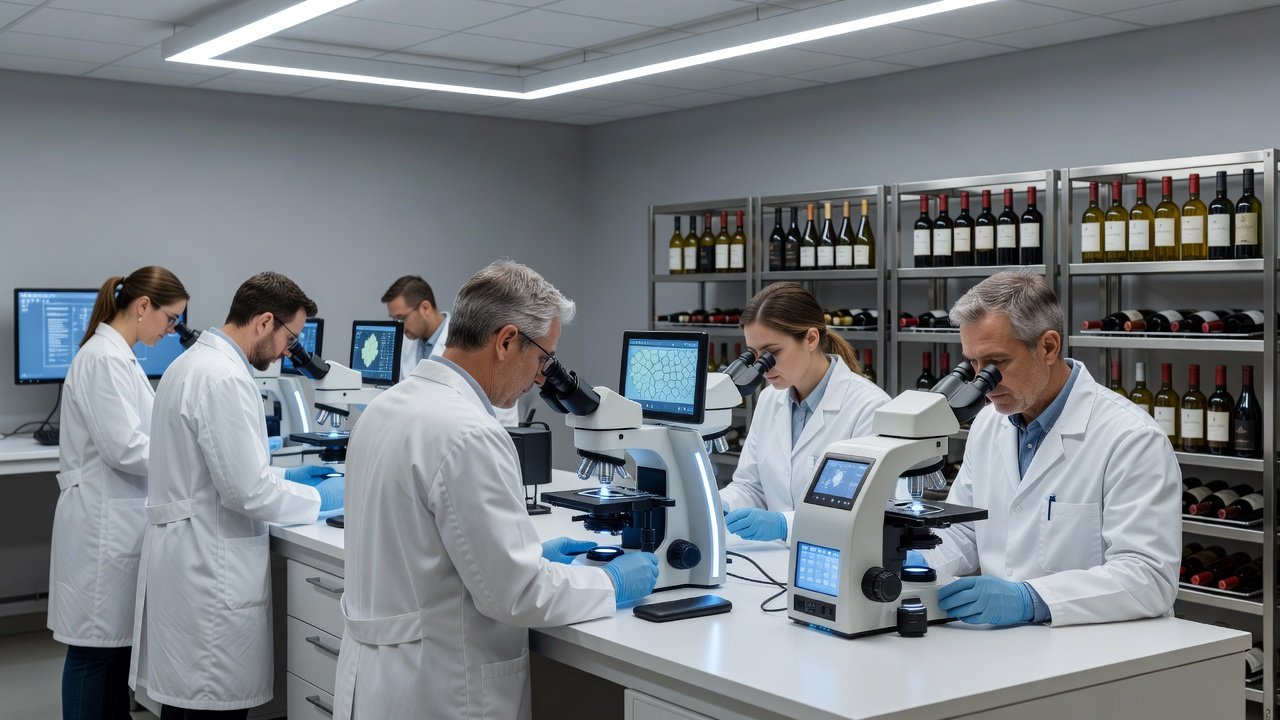
Modern genetic sequencing allows scientists to map the complete genome of Vitis vinifera, the primary species behind most wines. Techniques like whole-genome sequencing and SNP profiling compare living vines against historical samples preserved in herbaria or archaeological sites. These methods reveal parentage, migration patterns, and even disease resistance traits lost to time. Unlike traditional ampelography, which relies on leaf and berry morphology, DNA provides irrefutable evidence of clonal relationships and varietal origins. In 2026, portable sequencers are making field testing faster and more accessible than ever before, enabling small producers in remote areas to participate in large-scale studies.
Researchers often combine DNA results with historical records from monasteries and shipping logs to build comprehensive timelines. This multi-layered approach has already resolved long-standing debates about which varieties traveled along ancient trade routes. For example, genetic markers can pinpoint exact moments when a variety adapted to new soils, offering clues about climate resilience that are invaluable today.
The Technology Behind DNA Sequencing in Viticulture
At the core of these revelations are advances in next-generation sequencing platforms that have dropped costs dramatically while increasing accuracy. Labs now process thousands of samples simultaneously, identifying thousands of genetic markers per vine. This precision helps distinguish between closely related clones that look identical in the vineyard but behave differently in the bottle. Institutions like UC Davis have pioneered many of these methods, sharing open databases that winemakers worldwide can reference. The technology also supports predictive modeling, where genetic profiles forecast how a vine might perform under future climate scenarios projected for 2030 and beyond.
Case Studies from Emerging Wine Regions
Consider the high-altitude vineyards of the Andes in Argentina. Genetic studies have shown that some Malbec clones thought to be purely French actually carry unique South American mutations developed over 150 years of isolation. Similar revelations have emerged in Georgia’s ancient qvevri regions, where DNA confirmed indigenous varieties predate known European imports by millennia. In China’s Ningxia province, researchers identified previously unknown hybridizations between local wild grapes and imported Cabernet Sauvignon, explaining distinctive flavor profiles that have propelled the region onto the global stage. These findings allow producers to market their wines with authentic stories that resonate with collectors seeking both heritage and innovation.
Additional examples include South African vineyards where DNA tracing linked certain Pinotage ancestors to surprising European crossings, helping refine clonal selections for better drought tolerance. In Australia’s Barossa Valley, genetic work has clarified the true origins of old Shiraz vines, correcting earlier assumptions based solely on family lore.
Genetic Tracing Versus Oral Histories: A Comparative Look
Oral traditions often celebrate dramatic tales of noble families smuggling cuttings across borders. DNA frequently corroborates the broad strokes while correcting details. For instance, a famous Bordeaux estate long claimed direct descent from a single 17th-century vine; genetic tracing revealed multiple distinct lineages introduced later. This does not diminish heritage but enriches it, showing how adaptability and innovation have always defined great winemaking. Enthusiasts now appreciate both the romantic narrative and the scientific precision, creating a more nuanced understanding of wine legends. Comparisons also highlight where oral histories captured emotional truths that genetics cannot measure, such as the cultural significance of certain harvest rituals.
Legends Reshaped by Genetics: Real-World Examples
One celebrated case involves a legendary Tuscan vineyard whose flagship variety was long assumed to be a Sangiovese clone. DNA analysis proved it to be a rare natural cross with an obscure local grape, explaining its unique aging potential. Another example comes from California, where a historic Zinfandel vineyard was traced back to Croatian origins rather than Italian, reshaping marketing and clonal selection strategies. In Portugal, DNA work on ancient Touriga Nacional vines uncovered hidden diversity that winemakers are now using to create more resilient blends. These real-world examples demonstrate how genetics can both preserve and evolve the stories that make wine so captivating.
Expert Perspectives on 2026 Applications
Leading viticulturists emphasize that DNA tools will soon integrate with AI to predict climate resilience. Portable devices already allow small producers to verify their own plant material on-site. As the technology matures, expect more transparent labeling and even blockchain-linked genetic certificates for premium bottles. Experts from organizations such as the International Organisation of Vine and Wine note that collaborative databases are growing rapidly, fostering international cooperation on variety conservation. Interviews with researchers highlight practical benefits like faster identification of disease-resistant rootstocks, which could reduce pesticide use across entire regions.
Practical Steps for Wine Enthusiasts to Engage
- Visit university extension programs offering public DNA testing days for personal vineyard samples.
- Contribute to citizen-science projects by submitting leaf samples from historic vines in your region.
- Read peer-reviewed papers from institutions specializing in grape genetics to stay informed.
- Support wineries that publish genetic authenticity reports on their websites.
- Attend 2026 wine conferences focused on genomics to network with scientists and producers.
- Start a small home vineyard project using verified genetic stock from reputable nurseries.
Addressing Common Myths About Wine DNA Technology
FAQ
Does DNA testing destroy the vines? No, modern methods use tiny leaf or wood samples with zero impact on plant health.
Can genetics prove wine quality? Genetics reveals heritage and potential, but terroir, winemaking skill, and vintage conditions still determine the final product.
Is the technology only for large estates? Affordable sequencing services now exist for hobbyists and small producers alike.
Will DNA replace traditional tasting? Never. It complements sensory evaluation by adding verifiable history to the experience.
Are results always conclusive? Most tests achieve over 99 percent accuracy, though rare mutations may require additional sampling.
How long does a typical analysis take? Turnaround times range from a few days for basic profiling to several weeks for full genome sequencing.
Conclusion: Embracing a Data-Driven Future for Wine Legends
As 2026 unfolds, DNA insights continue to honor wine’s rich past while illuminating its future. By blending rigorous science with timeless storytelling, the industry moves toward greater authenticity and innovation. Whether you are a collector, producer, or curious drinker, understanding these genetic revelations deepens appreciation for every glass poured and encourages responsible stewardship of the world’s viticultural heritage.
No comments yet. Be the first!