 Uncorked Conversations
Introduction: The Eternal Bond Between Wine and Verse
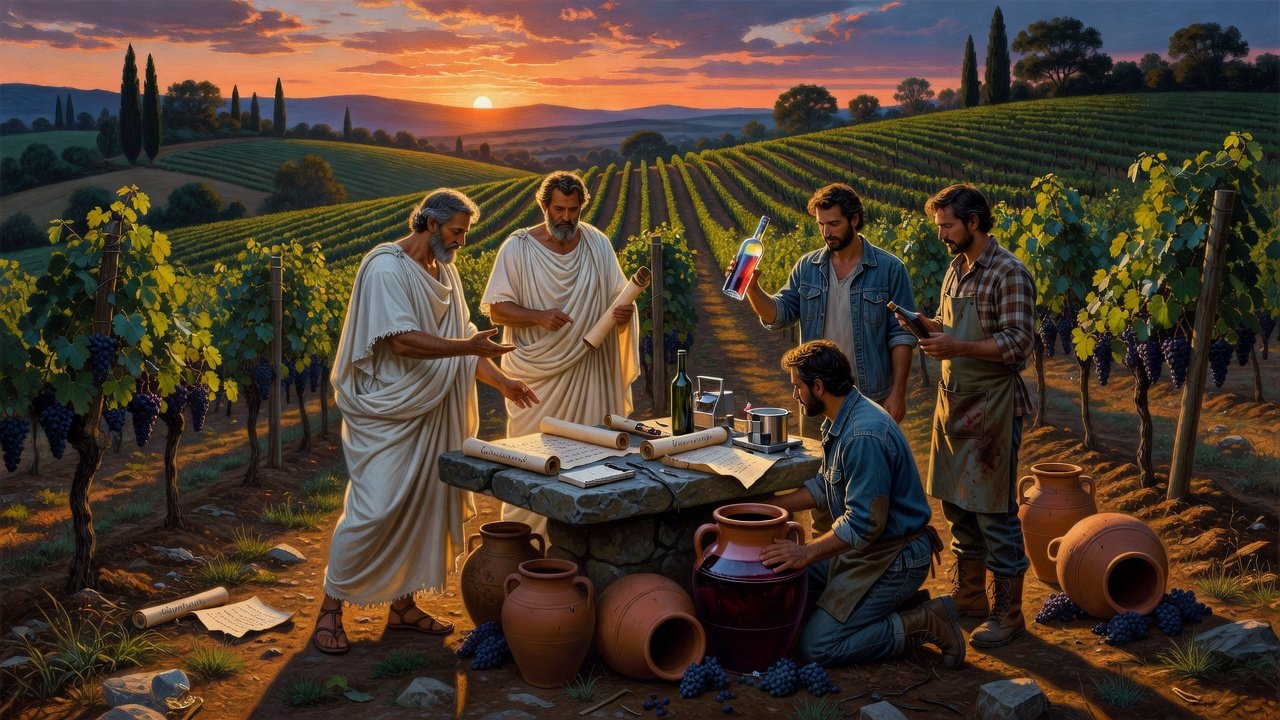
Poetry has long served as a vessel for winemaker stories, capturing the essence of terroir, rivalry, and passion across centuries. In 2026, enthusiasts continue to turn to verse for emotional depth that historical records often lack. This exploration reveals how ancient odes and contemporary poems immortalize legends, offering comparisons to documented events and practical guidance for readers seeking richer connections to viticulture. From the vineyards of ancient Rome to today's natural wine scenes, poets transform winemaker narratives into timeless art that blends fact with imagination.
The power of poetry lies in its ability to humanize the winemaker's journey. Where ledgers record yields and dates, verse conveys the sweat, heartbreak, and triumphs behind each bottle. This article delves deeply into key eras, poets, and themes while providing actionable advice for integrating these works into personal wine appreciation practices.
Ancient Odes: Foundations of Wine Poetry
Early examples trace back to Roman and Greek traditions. Horace's odes celebrate winemakers' dedication to the vine, blending personal anecdotes with philosophical reflections on balance and moderation. These verses often compare idealized harvests to real agricultural challenges, highlighting the poet's role in preserving oral histories that might otherwise fade. Virgil expanded this tradition in the Georgics, detailing the labor-intensive process of vine cultivation and the emotional stakes for small-scale producers facing unpredictable weather.
Omar Khayyam's Rubaiyat further immortalizes Persian winemaking lore, where rivalry among vintners mirrors cosmic themes of fate and renewal. Documented events from medieval texts align closely with his imagery, showing how poetry amplifies factual rivalries into universal tales of ambition and loss. Comparisons reveal that while historical accounts focus on trade disputes, the poems infuse these with layers of existential longing, making the winemaker a symbol of resilience.
Key Poets and Works Blending History with Emotion
Modern poets like those featured in contemporary anthologies draw from these roots while addressing current terroir issues such as climate shifts and sustainable practices. Works inspired by California winemakers echo ancient structures yet incorporate personal narratives of family estates passed through generations. Comparisons reveal poetic license: where records note a 19th-century blight, verse personifies it as a vengeful rival spirit that tests the winemaker's spirit and ingenuity.
Another standout involves winemaker-poets themselves, merging biography with lyricism to document daily rituals in the cellar. These pieces offer emotional layers absent from dry ledgers, fostering deeper appreciation among readers who visit the same regions today. Examples include verses that contrast the solitude of pruning vines at dawn with the communal joy of harvest festivals, providing a bridge between eras.
Thematic Analysis: Love, Rivalry, and Terroir in Verse
- Love: Poems portray winemakers' devotion to grapes as romantic bonds, often comparing fermentation to heartfelt transformation. This theme recurs in works where the vine is a beloved companion, enduring seasons of drought and abundance alike.
- Rivalry: Verse dramatizes competitions between estates, turning documented disputes into epic narratives that highlight human ambition and the drive for excellence in quality and reputation.
- Terroir: The land emerges as a character, with poets detailing soil and climate influences through sensory metaphors that complement scientific accounts of mineral content and microclimates.
These themes provide a lens for understanding how poetry elevates winemaker stories beyond facts, encouraging readers to reflect on their own encounters with specific vintages and regions.
Comparisons Between Poetic Interpretations and Documented Events
Throughout history, poetry has both mirrored and diverged from verifiable records. For instance, ancient Roman accounts of a famous estate feud match the competitive tension in Horace's lines, yet the poem adds mythic elements of divine intervention absent from court documents. In the 20th century, verses about Prohibition-era winemakers exaggerate isolation to underscore themes of perseverance, while archives show collaborative smuggling networks. Such contrasts enrich understanding by showing how emotional truth often transcends literal accuracy, helping enthusiasts appreciate the human stories behind labels they encounter in 2026.
Practical Pairing Suggestions for Poetry Readings
Pairing verse with wine enhances the experience and creates memorable sensory connections. For Horace-inspired odes, select crisp whites from Italian regions to evoke ancient estates and their sun-drenched hillsides. Contemporary works suit bold reds that mirror modern terroir explorations in places like Oregon or South Africa. Consider reading pace: slow sips during reflective stanzas allow flavors to unfold alongside words, heightening both the poem's imagery and the wine's complexity.
Book clubs in 2026 can experiment with seasonal matches, aligning poems about harvest with corresponding vintages for immersive sessions. Additional tips include preparing tasting notes that reference specific lines from the poetry, or hosting blind tastings where participants guess the wine after hearing a verse describing its origins. These pairings turn solitary reading into shared rituals that deepen collective appreciation.
2026 Enthusiast Recommendations for Anthologies and Discussion Prompts
Readers seeking collections should explore volumes from established presses that compile wine-themed poetry spanning eras. Discussion prompts include comparing poetic winemaker portraits to real biographies, debating how rivalry themes reflect today's industry dynamics, or exploring how terroir descriptions influence perceptions of flavor profiles. These recommendations emphasize accessible editions that spark conversation and encourage participants to bring their own tasting experiences to the table.
Step-by-Step Guidance: Documenting Personal Wine Stories Through Poems
1. Select a memorable tasting moment and note sensory details such as aroma, texture, and emotional response in a dedicated journal.
2. Choose a poetic form, such as ode or sonnet, to structure your narrative around the winemaker's imagined inner world or your own discovery.
3. Incorporate themes like terroir or rivalry drawn from your experience, weaving in comparisons to historical events for added depth.
4. Revise by reading aloud with a paired wine, adjusting language to match the rhythm of flavors as they evolve on the palate.
5. Share in a journal or group to refine emotional resonance, then consider publishing personal collections online or in local wine newsletters for broader impact.
This process transforms personal legends into lasting verse, much like historical poets who turned everyday vineyard life into enduring art. Expanding each step with reflection time ensures the resulting poems capture nuance and authenticity.
FAQ: Sourcing Rare Editions of Wine Poetry
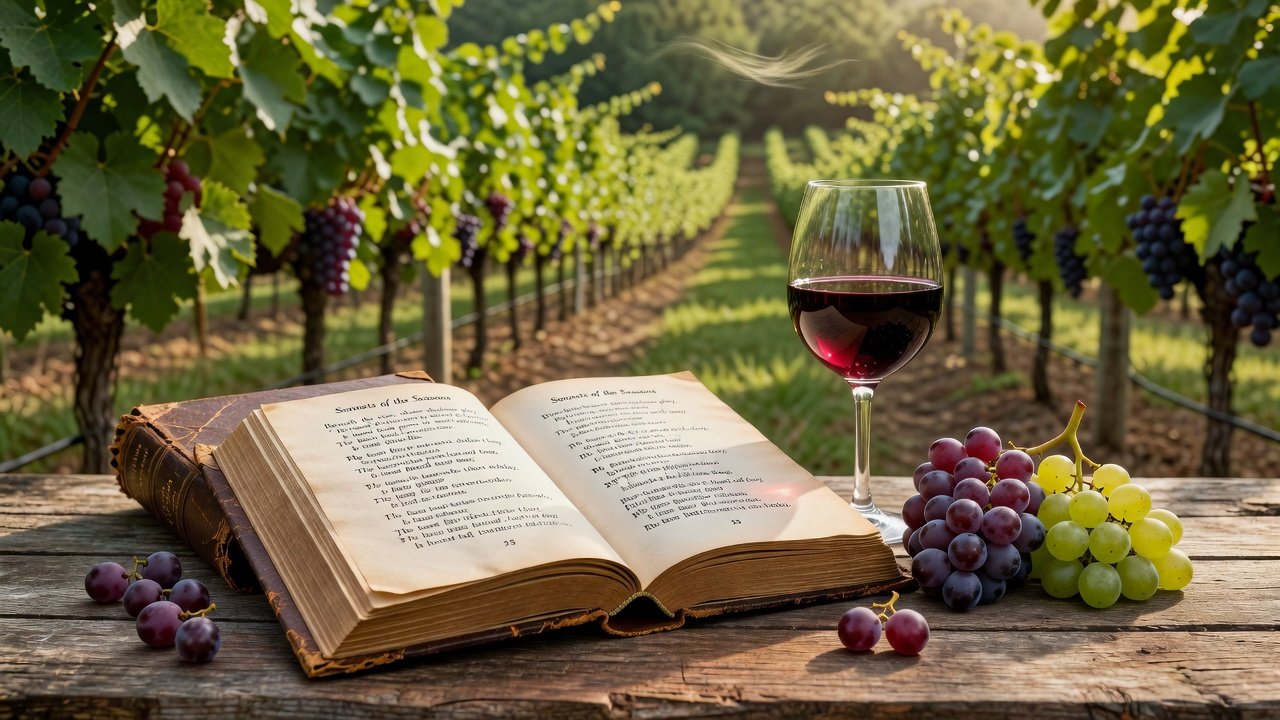
How can I find out-of-print wine poetry anthologies? Start with specialized booksellers or library archives focused on viticulture literature, and cross-reference with digital catalogs for availability.
Are digital versions available for 2026 readers? Many classics appear on reputable literary platforms, preserving accessibility without physical rarity concerns.
What makes an edition rare? Limited prints tied to specific vintages or signed by winemaker-poets often hold unique value for collectors and scholars alike.
Where to begin for beginners? Public domain works from Poetry Foundation offer free entry points into the genre.
Can I connect with communities discussing these works? Online forums and local literary groups frequently host events, while resources from Britannica provide historical context to enrich discussions.
Conclusion: Poetry's Lasting Legacy in Winemaking Narratives
Through ancient roots and fresh interpretations, poetry continues to immortalize winemaker stories in 2026. By engaging with these verses, readers gain emotional and historical insights that enrich their own wine journeys. Explore these legends to deepen connections with the art of winemaking and create your own poetic records of discovery.
No comments yet. Be the first!