 Uncorked Conversations
Introduction: The Enduring Allure of Winemaker Memoirs
Wine has always been more than a beverage—it is a vessel for human stories, cultural heritage, and personal triumph. In 2026, biographies and memoirs continue to captivate readers by revealing the lives behind legendary bottles. These narratives transport enthusiasts from vineyard slopes to cellar depths, blending factual accounts with mythic elements that have shaped wine culture for centuries. Whether you are a beginner seeking an engaging entry point or an advanced collector hunting rare editions, this guide explores the most compelling reads available now. The personal narratives in these books often reveal the grit behind success, from battling unpredictable weather to navigating family legacies and international markets. They serve as both inspiration and practical education, showing how decisions made decades ago still influence today’s tasting notes and vineyard practices.
From historical pioneers who revolutionized viticulture to contemporary voices addressing climate challenges and sustainability, these books offer profound lessons. They also provide practical value through suggested pairings that enhance both the reading and tasting experience, turning each chapter into a multisensory journey.
Historical Figures from Wine History
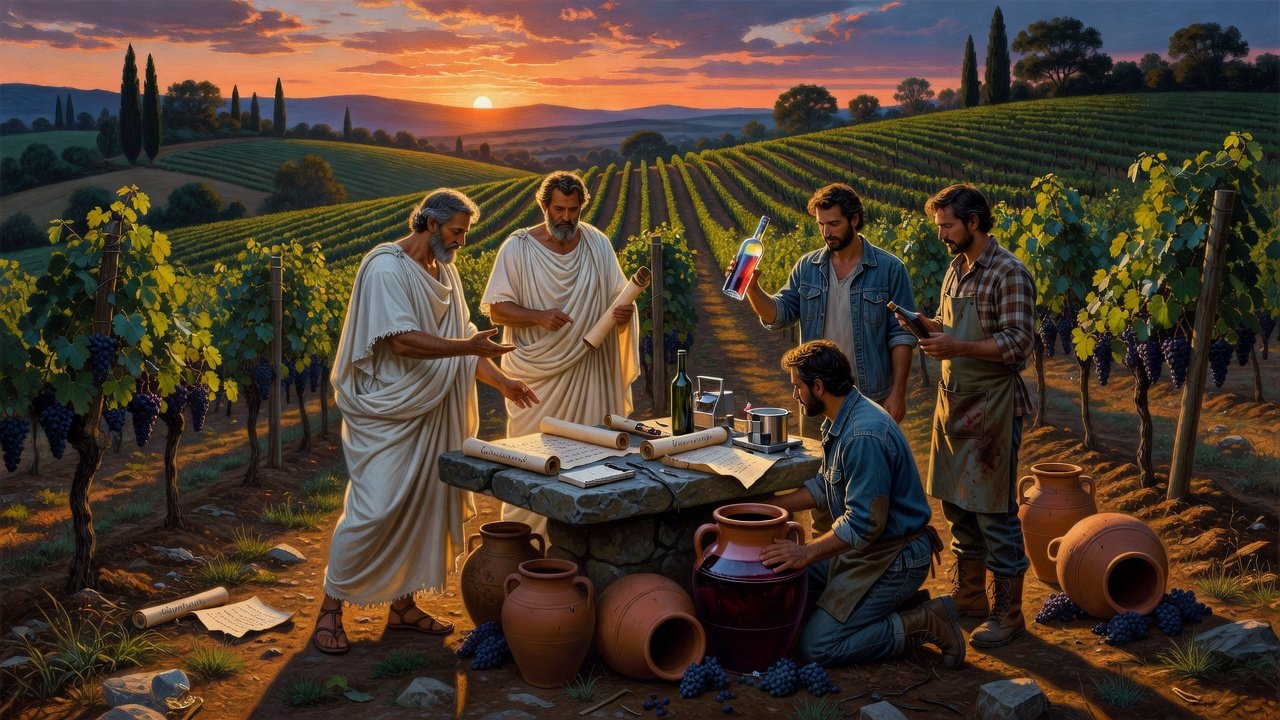
Early wine legends laid the foundation for today’s industry. Memoirs like those chronicling the life of Dom Pérignon highlight his 17th-century innovations in Champagne production, where meticulous fermentation techniques turned humble grapes into sparkling icons. Another classic focuses on the Rothschild family and their transformation of Bordeaux estates, illustrating how vision and resilience overcame phylloxera crises in the 1800s. Readers learn about the monastic orders in Burgundy that first classified vineyards by quality, establishing the foundation for the region’s famous appellation system still used today.
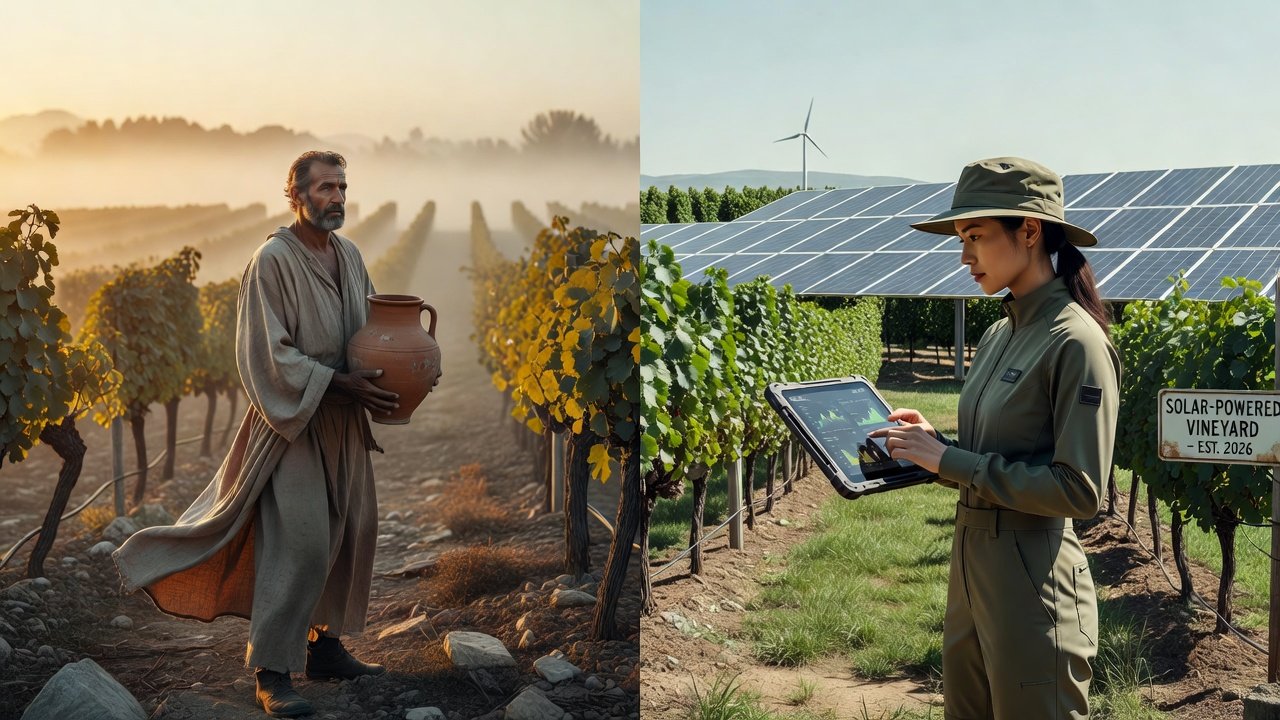
These tales often merge fact with legend, portraying winemakers as near-mythical figures who battled nature and politics. Additional stories cover figures such as the founders of California’s early missions who planted the first vines in the 18th century, or the Hungarian winemakers who protected Tokaji’s reputation through centuries of political upheaval. Readers gain insight into how regional traditions evolved, from Burgundy’s monastic roots to California’s post-Prohibition rebirth, and how each generation adapted techniques while preserving core philosophies.
Modern 2026 Releases and Emerging Narratives
New releases in 2026 emphasize personal resilience amid global shifts. Titles exploring winemakers in Oregon’s Willamette Valley detail experiments with Pinot Noir under changing weather patterns, including specific accounts of smoke taint mitigation after recent wildfires. European authors recount stories from Tuscany and the Rhône Valley, where family estates adapt to organic practices while preserving centuries-old methods such as hand-harvesting and minimal intervention in the cellar.
One standout memoir captures a young winemaker’s journey in South Africa’s Stellenbosch region, weaving together apartheid-era legacies with modern export successes and the introduction of new grape varieties suited to local soils. Another release from New Zealand details the rise of Sauvignon Blanc pioneers who transformed Marlborough from sheep pastures into a world-renowned wine destination. These contemporary works feel immediate and relatable, often incorporating interviews, archival photos, and even suggested tasting notes that help readers connect emotionally with the challenges described.
Classic Works Versus Contemporary Memoirs: Key Comparisons
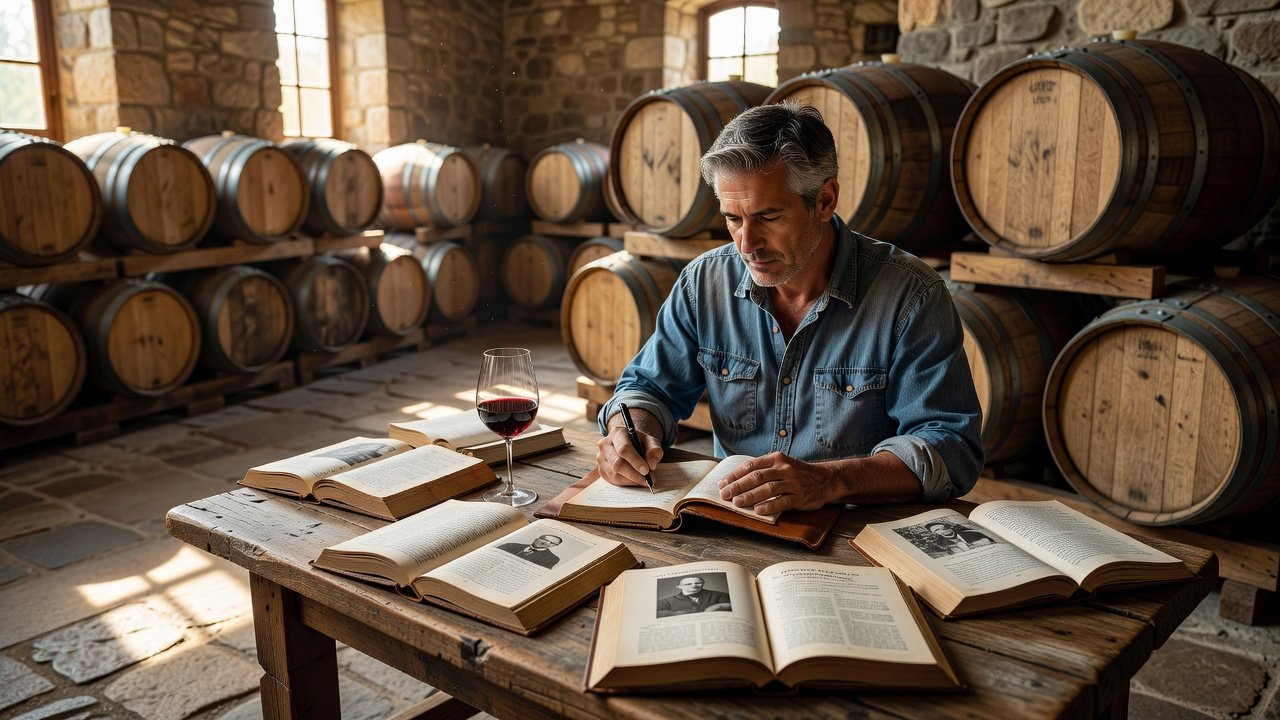
Classic biographies tend toward sweeping historical overviews with formal prose, while 2026 releases favor intimate first-person accounts and conversational tones. For instance, older texts on French wine dynasties emphasize lineage and grandeur, whereas newer books highlight emotional struggles, failures, and breakthroughs in sustainable farming such as regenerative agriculture and water conservation techniques. Classics often focus on single legendary estates, while modern memoirs frequently explore collaborative communities and cross-border influences.
Both styles enrich understanding. Classics build foundational knowledge about terroir and tradition; modern ones connect directly to current issues like biodiversity, ethical labor practices, and the impact of climate change on harvest dates. Many readers start with one classic before diving into fresh releases for a balanced perspective that spans centuries of innovation.
Practical Reading List with Wine Pairings
Build your library with these recommendations, each paired with an accessible wine for immersive reading sessions. The pairings are chosen to reflect the regional and emotional themes of each book, creating a deeper connection between story and sip.
- Historical Focus: Start with a biography of early Champagne pioneers paired with a crisp non-vintage brut from the same region to experience the legacy of fermentation techniques described in the text.
- Modern Releases: Choose a 2026 Oregon memoir alongside a vibrant Pinot Noir from the Willamette Valley to mirror the story’s terroir and the winemaker’s personal journey through climate challenges.
- Global Exploration: Pair a South African narrative with a bold Cabernet Sauvignon from Stellenbosch for thematic harmony that highlights both heritage and contemporary success.
- Advanced Collectors: Select rare-edition memoirs of Bordeaux legends matched with a structured Left Bank red to appreciate the depth of history and meticulous vineyard management detailed in the pages.
- Beginner-Friendly Option: Opt for an Italian Piedmont memoir alongside a balanced Barolo to gradually introduce complex tannins and storytelling elements suitable for new readers.
These pairings turn solitary reading into sensory experiences, helping flavors echo the emotional arcs in each book while encouraging readers to explore new regions and styles.
Global Regions and Cross-Cultural Stories
Wine legends span continents and cultures. Italian memoirs from Piedmont reveal Nebbiolo’s demanding cultivation and the slow aging process that defines Barolo and Barbaresco. Australian accounts from the Barossa Valley celebrate Shiraz heritage and the multi-generational families who have preserved bush-vine techniques. In South America, Chilean stories highlight Carmenère’s rediscovery after being mistaken for Merlot for decades, alongside the rise of sustainable practices in the Casablanca Valley. Asian perspectives, including emerging narratives from China’s Yunnan province, show how ancient traditions meet contemporary winemaking amid high-altitude vineyards.
Additional examples include memoirs from Portugal’s Douro Valley detailing Port production history and from Greece’s Santorini island, where volcanic soils and old-vine Assyrtiko create unique stories of resilience. Exploring these regions broadens appreciation for how climate, soil, and culture shape both wines and the people who craft them. Decanter offers excellent regional overviews to complement your reading, while Wine Magazine provides in-depth interviews that expand on the themes found in these memoirs.
How to Read These Memoirs: A Step-by-Step Guide for All Levels
Beginners should start with modern releases that include glossaries and timelines. Take notes on unfamiliar terms and pair each chapter with a small tasting session. Intermediate readers can compare two books from different eras to trace evolving techniques. Advanced collectors benefit from cross-referencing memoirs with auction records and vineyard maps. Keep a journal of key lessons, such as soil management strategies or marketing approaches, and apply them during your own winery visits or home tastings.
FAQ: Sourcing Rare Editions and Building Your Collection
How do I find out-of-print wine memoirs? Begin with specialized antiquarian booksellers and online marketplaces focused on gastronomy titles. Check library networks for interlibrary loans and monitor estate sales for hidden gems.
Are signed editions worth pursuing? Yes, for collectors seeking provenance, though condition and scarcity matter more than signatures alone; always verify authenticity through certificates or expert appraisal.
What resources help verify authenticity? Consult established wine literature databases and auction house catalogs for verified editions. Jancis Robinson maintains reliable reference materials on wine literature.
Can beginners start with modern releases? Absolutely—2026 memoirs often include helpful glossaries, timelines, and discussion questions that ease newcomers into the subject while still offering depth for experienced readers.
How should I store rare editions to preserve value? Keep books in a cool, dry environment away from direct sunlight, ideally in protective sleeves, and avoid stacking to prevent spine damage.
Conclusion: Why These Stories Matter
Memoirs of wine legends bridge generations, revealing the passion, setbacks, and innovations behind every glass. By exploring both historical giants and 2026 releases, readers deepen their connection to wine culture while enjoying practical pairings and global perspectives. Start your journey today and let these narratives uncork new appreciation for the art of winemaking, whether you read for pleasure, education, or collection-building purposes.
No comments yet. Be the first!