 Uncorked Conversations
Introduction: The Allure and Reality of Winemaking Tales
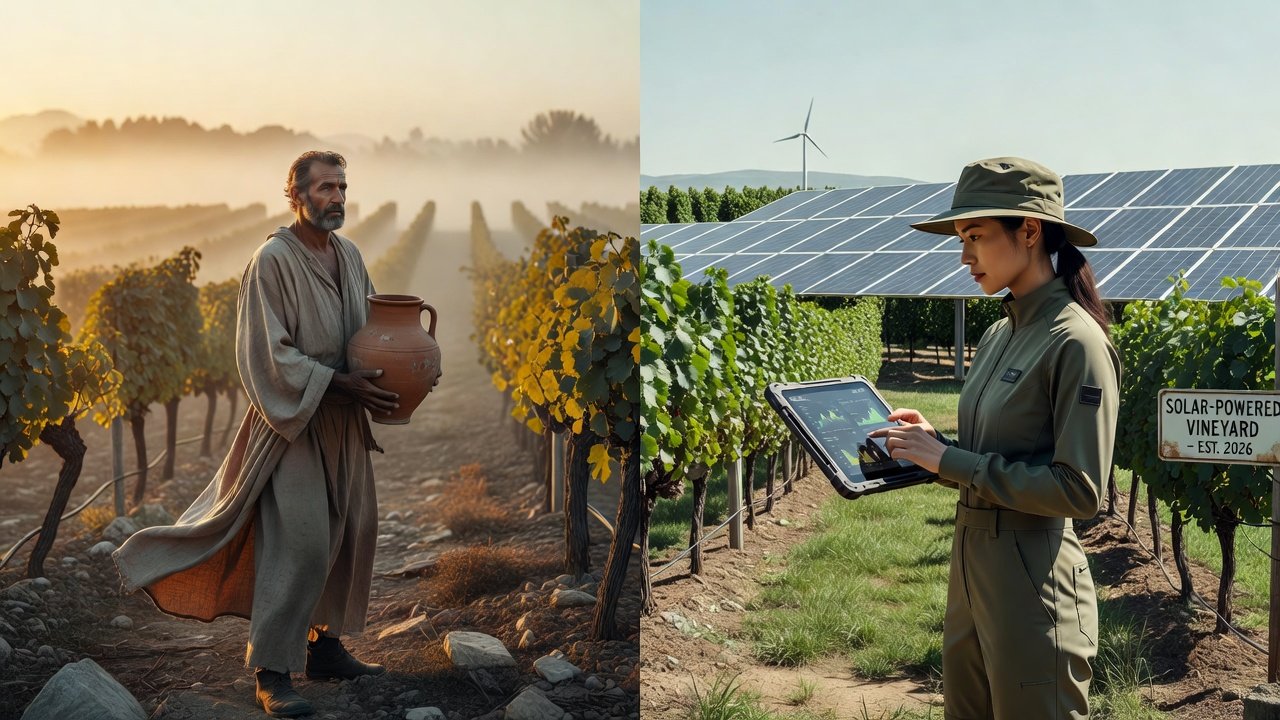
Wine has always been wrapped in storytelling, from ancient myths of Dionysus to modern media portrayals of passionate artisans battling the elements. Yet in 2026, the gap between these legends and the lived realities of winemakers is wider than ever. Media often amplifies heroic narratives while downplaying challenges like climate adaptation, labor shortages, and the push for sustainability. This article dives deep into that disconnect, offering authentic insights for enthusiasts seeking truth over glamour. Understanding this divide helps consumers appreciate the craft more fully and supports producers who prioritize transparency in an industry increasingly shaped by both tradition and technology.
How Media Shapes Public Perception of Winemaker Stories
Documentaries, social media, and books frequently romanticize the winemaker as a lone genius crafting liquid poetry. Platforms like Instagram highlight golden-hour vineyard shots but rarely show the 4 a.m. harvests or regulatory paperwork. This selective lens creates unrealistic expectations, influencing consumer choices and even policy around wine regions. Real winemakers report that these portrayals can attract tourists but also set up disappointment when visitors encounter modern industrial elements. For instance, popular streaming series often depict harvest as a festive family event, ignoring the heavy machinery and migrant labor crews essential to large-scale production today. Such framing can distort public understanding of the economic pressures facing small estates, leading enthusiasts to undervalue the collaborative and scientific aspects of contemporary winemaking.
Historical Myths Versus Documented Facts
Many legends claim certain wines were invented by accident or divine intervention. For example, the story of Dom Pérignon declaring "I am drinking the stars" upon discovering Champagne is charming but largely apocryphal; records show sparkling wine evolved gradually through monastic and merchant experimentation. Documented evidence from archives reveals that innovation often came from necessity—such as using sulfur to prevent spoilage—rather than inspiration alone. Another common myth surrounds the supposed discovery of terroir by medieval monks who tasted soil directly; in reality, early classifications emerged from tax records and trade routes rather than mystical insight. Comparing these myths to primary sources like estate ledgers shows winemaking as a collaborative, iterative craft shaped by economics and science. A third example involves the legend of ancient Roman winemakers achieving perfection through simple wooden presses; archaeological findings indicate they employed sophisticated fermentation controls and blending techniques far ahead of their time, yet still faced spoilage issues that required constant adaptation.
Case Studies: Three Modern Winemakers Defying Legends
Consider Elena Rodriguez of a boutique operation in California’s Central Coast. Unlike the solitary genius myth, her success stems from team collaboration and data-driven irrigation systems that conserve water amid drought. Her journey highlights innovation over isolation, including partnerships with local universities to monitor vine stress in real time. Rodriguez also navigates labor regulations and market fluctuations that legends rarely address, turning potential setbacks into opportunities for community-supported agriculture models.
In Bordeaux, winemaker Thomas Moreau integrates AI for harvest timing, far from the image of hand-crafted tradition. His vineyard’s focus on regenerative agriculture addresses soil health directly, countering romantic notions of untouched terroir. Moreau’s team conducts ongoing soil microbiome testing and experiments with intercropping to boost biodiversity, practices that require significant upfront investment but yield measurable long-term benefits in resilience against extreme weather events recorded in recent seasons.
Finally, Priya Patel in South Africa’s Stellenbosch region emphasizes community partnerships for fair labor practices. Her story underscores sustainability challenges that legends rarely mention, including adapting to shifting rainfall patterns documented in 2025 reports. Patel has implemented training programs for seasonal workers and transparent supply-chain tracking, demonstrating how modern winemaking prioritizes equity alongside quality.
Real Challenges: Sustainability and Innovation in 2026
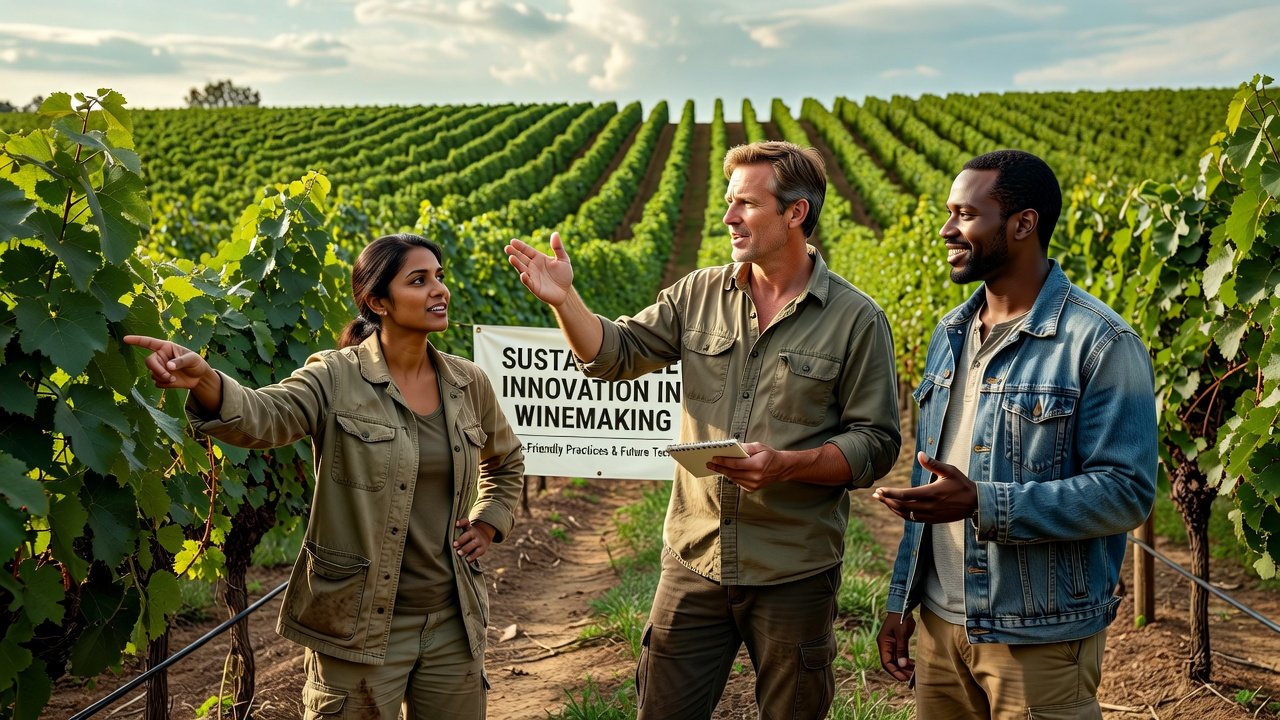
Today’s winemakers grapple with water scarcity, shifting pest patterns, and the need for low-intervention techniques. Sustainability requires investments in solar-powered facilities and cover cropping, while innovation includes genetic research for drought-resistant vines. These practical demands contrast sharply with legends of effortless abundance. Enthusiasts can explore resources from Wine Institute to understand industry-wide efforts. Additional pressures include evolving consumer preferences for organic certifications and the rising costs of compliance with international trade standards. Producers must balance these factors while maintaining flavor profiles that satisfy both critics and everyday drinkers, often relying on precision agriculture tools to optimize every aspect of the growing cycle.
Practical Steps to Verify Wine Stories
To separate fact from fiction, start with these actionable methods:
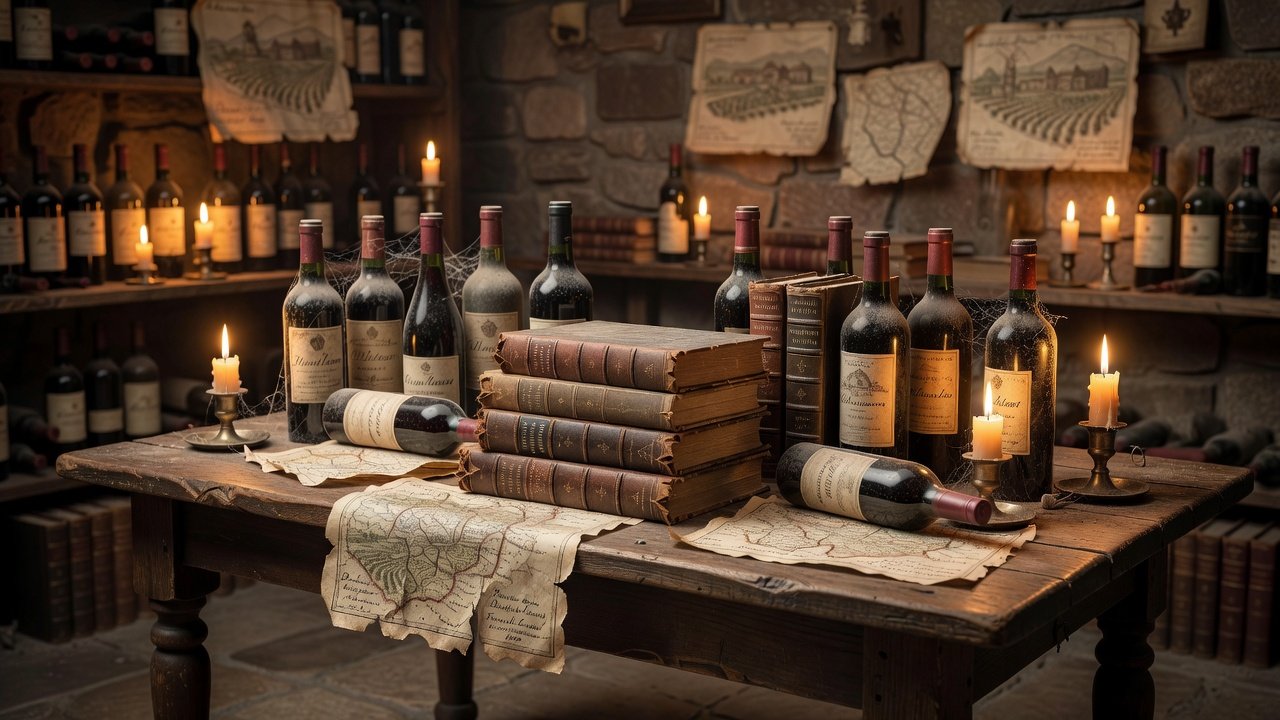
- Consult regional archives and university libraries for estate records and historical maps, cross-checking dates and names against multiple sources to build a reliable timeline.
- Reach out directly via winery websites for virtual or in-person interviews with winemakers, preparing specific questions about challenges rather than relying on marketing materials.
- Cross-reference claims with scientific databases from institutions like UC Davis Viticulture and Enology, focusing on peer-reviewed studies that provide empirical evidence.
- Attend trade tastings or join professional associations for unfiltered conversations that reveal operational realities behind polished narratives.
- Use digital tools to track vineyard data on public registries, verifying sustainability claims through third-party audits and environmental reports.
These steps empower readers to build a grounded appreciation of wine history and encourage deeper engagement with the industry.
Examples from Recent Vineyards
Vineyards in Oregon’s Willamette Valley have adopted blockchain for traceability, revealing supply-chain realities absent from legends. Similarly, New Zealand producers are publishing open-source data on carbon footprints, fostering transparency that benefits the entire sector. In Spain’s Rioja region, estates now share detailed climate data logs online to demonstrate adaptive strategies against heatwaves. Australian wineries in the Barossa Valley have introduced public dashboards showing water usage metrics, allowing consumers to see exactly how innovation supports long-term viability. Such examples illustrate how 2026 winemaking blends tradition with verifiable accountability, supported by organizations like International Organisation of Vine and Wine.
FAQ: Common Misconceptions About Wine Legends
Are all wine legends completely false?
Not entirely—many contain kernels of truth exaggerated over time. The key is distinguishing embellishment from core events through reliable sources.
Do modern winemakers still follow ancient methods?
While some techniques persist, most incorporate contemporary tools for consistency and sustainability, moving beyond purely traditional approaches.
How can I tell if a winery story is marketing hype?
Look for specific, dated evidence like published studies or third-party certifications rather than vague anecdotes.
Is sustainability just a buzzword in wine?
No—organizations track measurable metrics, and leading producers share transparent reports on practices like reduced pesticide use.
Why do legends persist despite documented facts?
They serve marketing purposes and cultural nostalgia, making complex realities more accessible to casual consumers while sometimes overshadowing the hard work involved.
Conclusion: Embracing Authentic Wine Narratives
Understanding the contrast between wine legends and real winemaker stories enriches appreciation for the craft. By seeking documented facts and supporting transparent producers, enthusiasts contribute to a more honest industry narrative in 2026 and beyond. Explore further through Decanter for ongoing coverage of evolving practices. This informed perspective ultimately strengthens the connection between drinkers and the dedicated professionals behind every bottle.
No comments yet. Be the first!