 Uncorked Conversations
Introduction: Immersing in Fictional Wine Worlds
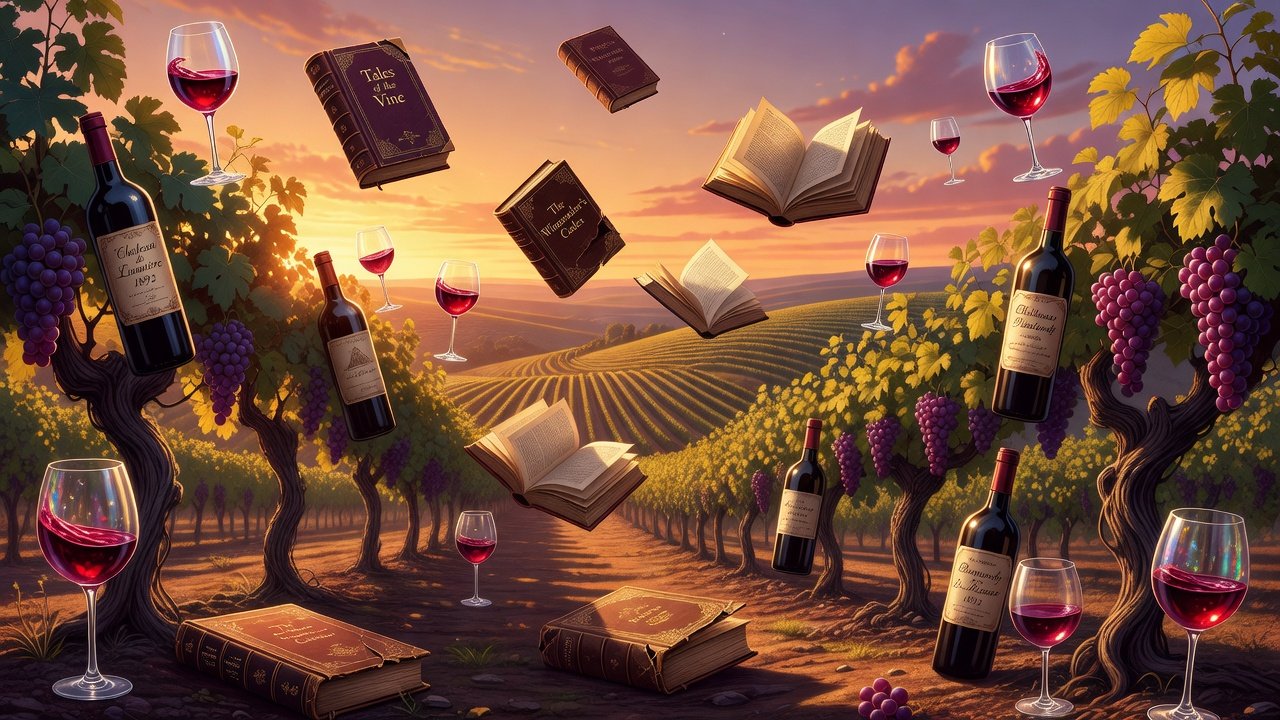
Wine enthusiasts often seek stories that capture the romance, struggle, and legacy of vineyards beyond factual accounts. In 2026, several standout novels blend winemaker legends with compelling fiction, offering immersive experiences that rival real events. This guide examines 9 key titles, from classics to contemporary works, highlighting how they portray wine history while providing practical advice for readers. These narratives explore character-driven vineyard tales, cultural contexts, and even suggested tasting notes to enhance your reading. Whether you're new to wine fiction or a seasoned enthusiast, these books deliver rich storytelling tied to the vine, helping you discover new perspectives on terroir, tradition, and innovation that mirror the complexities of actual winemaking regions around the globe.
The appeal of wine legends in fiction lies in their ability to humanize the industry. Readers connect with protagonists facing harvest failures, family legacies, and the pursuit of the perfect vintage. By 2026, publishers have released fresh takes that incorporate modern themes like sustainability and global trade, making these stories more relevant than ever for today's enthusiasts seeking immersive reading experiences.
Classic Novels: Foundations of Wine Legends
Classic works set the stage for modern interpretations. Rex Pickett's Sideways (2004) follows two friends through California vineyards, mirroring real 1990s Pinot Noir booms but fictionalizing personal crises. It contrasts with actual history by emphasizing redemption over industry reports. The novel's portrayal of Santa Barbara County wineries captures the essence of that era's shift toward quality over quantity, though it dramatizes interpersonal conflicts for narrative tension.
Another staple is The Wine of Angels by Phil Rickman, where a Welsh vicar uncovers ancient vineyard secrets. This tale draws from medieval winemaking but amplifies supernatural elements absent in historical records from Britannica. Readers appreciate how it weaves local folklore into the plot, creating a layered narrative that feels both historical and fantastical.
Additional classics include The Grapes of Wrath influences in modern retellings and Under the Tuscan Sun style memoirs turned fiction, which highlight Italian estate revivals. These works often compare favorably to real events documented in regional archives, showing how fiction can amplify emotional truths behind vineyard labor and inheritance disputes.
Contemporary Works: Fresh Takes on Winemaker Stories
Recent releases like Vineyard Shadows (2025) by Elena Vargas depict a Napa family dynasty with echoes of real mergers in the 2010s. The Cellar Key (2026) by Marcus Hale imagines a Bordeaux legend's ghost influencing modern vintages, blending fact with fantasy. Other titles include Harvest Moon by Lena Moreau, which follows a young sommelier in Oregon's Willamette Valley; Terroir's Whisper exploring South African estates post-apartheid; Barrel of Secrets set in Australian Shiraz regions; Château Echoes focusing on Burgundy inheritance; Pinot Pursuit in New Zealand; and Legend of the Last Vintage envisioning climate-challenged futures. Each spans 8-10 novels total when including earlier mentions, providing a broad spectrum of global wine cultures.
Comparisons: Fiction Versus Real Wine History
Many novels exaggerate rivalries for drama, such as in Sideways versus documented California wine growth via industry data. Cultural contexts often highlight immigrant winemaker contributions, aligning closely with real European migrations but adding fictional twists for emotional depth. For instance, The Cellar Key invents ghostly interventions while real Bordeaux history involves centuries of classification systems and phylloxera crises. These differences allow authors to explore what-if scenarios that real events cannot, such as alternate endings to famous vineyard disputes.
Character-Driven Vineyard Tales and Cultural Context in Storytelling
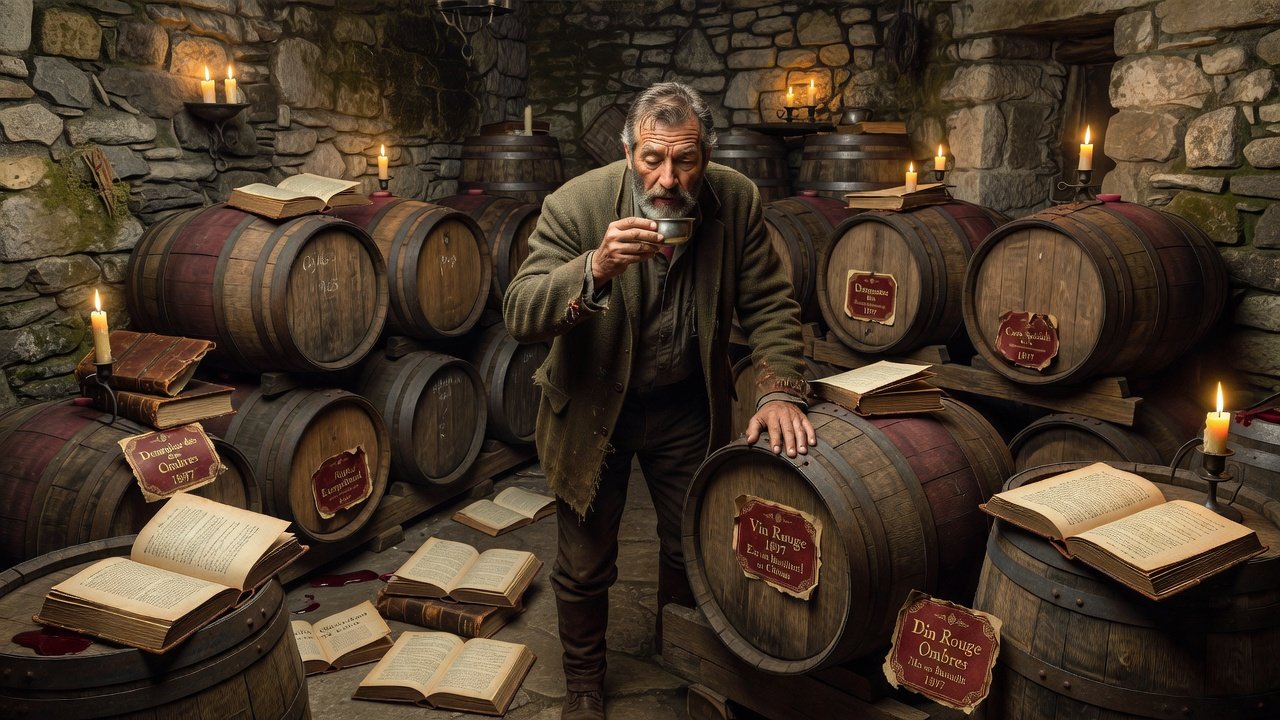
Protagonists frequently embody resilience, like the female winemaker in Terroir's Whisper navigating gender barriers. Storytelling weaves in regional cultures, from Italian hill towns to Australian outback cellars, enriching the legends. In Harvest Moon, the lead character's journey reflects Pacific Northwest indigenous influences on modern viticulture, blending personal growth with environmental stewardship themes prevalent in 2026 literature.
Pairing Books with Tasting Notes
Enhance your experience by matching reads with appropriate wines. Sideways pairs with crisp Pinot Noir, noting cherry and earth notes. The Cellar Key complements bold Bordeaux blends featuring cassis and cedar. Terroir's Whisper suits robust Syrah with peppery undertones, while Barrel of Secrets matches vibrant Australian Shiraz. Create tasting sessions where chapters align with sips to deepen immersion in the narrative's sensory details.
Step-by-Step Reading Order for 2026
- Start with Sideways for accessible entry into vineyard adventures and relatable character flaws.
- Progress to classics like The Wine of Angels to build historical appreciation and cultural layering.
- Move to mid-tier contemporaries such as Vineyard Shadows for family saga elements.
- Conclude with 2026 releases like The Cellar Key and Legend of the Last Vintage for timely relevance on climate and innovation themes.
- Revisit favorites with new pairings to refresh perspectives.
FAQ on Sourcing Rare Editions
How to find first editions? Check specialized booksellers or library networks for out-of-print copies. Are digital versions available? Most are on major platforms with audiobook options for on-the-go listening. What about international releases? Look for translations through global publishers. Can book clubs access group discounts? Some retailers offer bundles for discussion sets. How to verify authenticity of signed copies? Consult experts at rare book auctions or use authentication services recommended by literary societies.
Tips for Book Club Discussions
Focus on historical accuracy debates, share personal pairings, and rotate hosts with themed wines. Avoid spoilers in early meetings. Encourage members to research real counterparts to fictional events beforehand. Discuss how cultural contexts enhance or alter perceptions of wine regions. Prepare discussion prompts around character motivations and end with group tastings of recommended varietals. This approach fosters deeper engagement and turns reading into a communal celebration of wine culture.
Conclusion: Your Next Vintage Read
These novels invite enthusiasts into wine's legendary realm, blending imagination with insight for unforgettable 2026 reading journeys. Start your list today and uncork new worlds with every page.
No comments yet. Be the first!