 Uncorked Conversations
Introduction: The Power of Wine Legends in 2026
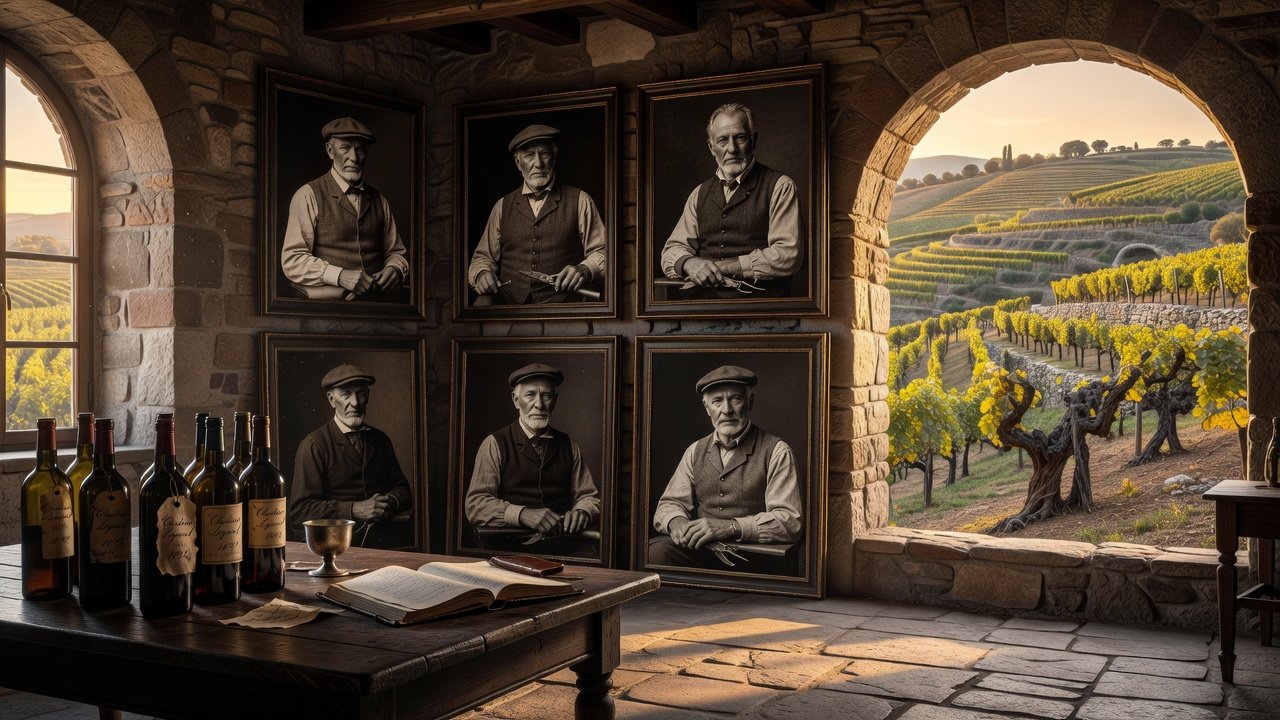
In 2026, wine enthusiasts are increasingly drawn to compelling narratives behind the bottle. Wine legends—stories of pioneering winemakers, historic estates, and dramatic vineyard tales—play a pivotal role in shaping purchasing decisions. These stories transform a simple purchase into an emotional connection, fostering brand loyalty and driving measurable sales growth for wineries worldwide. Consumers today seek authenticity amid a crowded market where thousands of labels compete for attention on shelves and online stores. Research from industry leaders shows that emotional storytelling can increase engagement by highlighting heritage and passion, turning casual buyers into devoted advocates who recommend bottles to friends and share posts across networks.
This article examines real examples where legends boosted loyalty, compares effective versus weak narratives, and provides actionable steps for wineries. It also explores how digital platforms amplify these tales and offers practical tips plus answers to common implementation questions. By the end, readers will understand how to leverage stories for sustainable success in a competitive landscape.
Real-World Examples of Legends Boosting Sales and Loyalty
Consider the story of a small California winery whose founder survived a devastating fire in the 1980s to replant vineyards from scratch. By weaving this resilience into marketing materials, the brand saw repeat purchases rise significantly as customers felt part of the legacy of determination. Enthusiasts often cite this tale during tastings, creating word-of-mouth momentum that extends far beyond initial marketing spend. Another example involves a French château whose tale of royal patronage from centuries ago helped it secure partnerships with luxury retailers seeking exclusive heritage products.
A third case comes from an Italian family estate in Tuscany that overcame phylloxera outbreaks in the early 20th century through innovative grafting techniques. Sharing this survival narrative in newsletters and videos led to a surge in direct-to-consumer sales, with many buyers citing the story as the reason they chose the bottle over competitors. These cases demonstrate how legends create differentiation in a market saturated with similar varietals. Wineries that lean into such narratives report stronger community ties compared to those focusing solely on tasting notes or technical specs.
Effective Narratives vs. Weak Narratives: A Clear Comparison
Effective wine legends are authentic, specific, and emotionally resonant. They include concrete details like a winemaker’s personal challenges or a vineyard’s unique terroir history that readers can visualize and relate to. Weak narratives, by contrast, rely on vague claims such as “family-owned for generations” without context, failing to engage modern buyers who demand proof and depth. The difference often determines whether a story spreads organically or fades into background noise.
- Effective: Detailed accounts of innovation during economic hardship, supported by photos, timelines, and quotes from descendants that add human texture.
- Weak: Generic heritage mentions lacking verifiable events or human elements, leaving audiences skeptical and disengaged.
- Effective: Stories tied to current values like sustainability, showing clear evolution over time with measurable milestones.
- Weak: Overly polished tales that feel manufactured and disconnected from the product, appearing as marketing gimmicks rather than lived history.
- Effective: Legends that invite participation, such as inviting visitors to contribute their own memories during tours.
- Weak: One-sided stories that ignore challenges or failures, resulting in flat, unrelatable content.
Comparing these approaches reveals that authenticity wins consistently. Effective stories encourage sharing and repeat buys, while weak ones are quickly forgotten in favor of more compelling alternatives.
Steps to Craft Authentic Wine History Elements into Campaigns
Wineries can integrate legends systematically to maximize impact. Follow these practical steps for best results:
- Research deeply: Interview family members, review archives, and document key events with dates and locations to build a factual foundation that withstands scrutiny.
- Identify emotional hooks: Focus on themes like perseverance, discovery, or community impact that resonate across demographics and cultures.
- Integrate visuals: Pair stories with historical images and modern parallels to create multimedia experiences that hold attention longer than text alone.
- Test and refine: Share drafts with loyal customers for feedback before full launch, adjusting tone and details based on real reactions.
- Measure response: Track engagement metrics such as time on page, social shares, and conversion rates to iterate and improve future campaigns.
This process ensures narratives feel genuine and relevant to 2026 consumers who value transparency above all else. Rushing any step risks diluting the legend’s power.
The Role of Digital Platforms in Amplifying Legends
Digital channels are essential for spreading wine legends far beyond physical tasting rooms. Social media allows wineries to post serialized stories that build anticipation week after week, while email newsletters deliver personalized chapters to subscribers who have already shown interest. Platforms like Instagram and TikTok excel at visual storytelling, turning legends into short videos that reach younger audiences discovering wine for the first time.
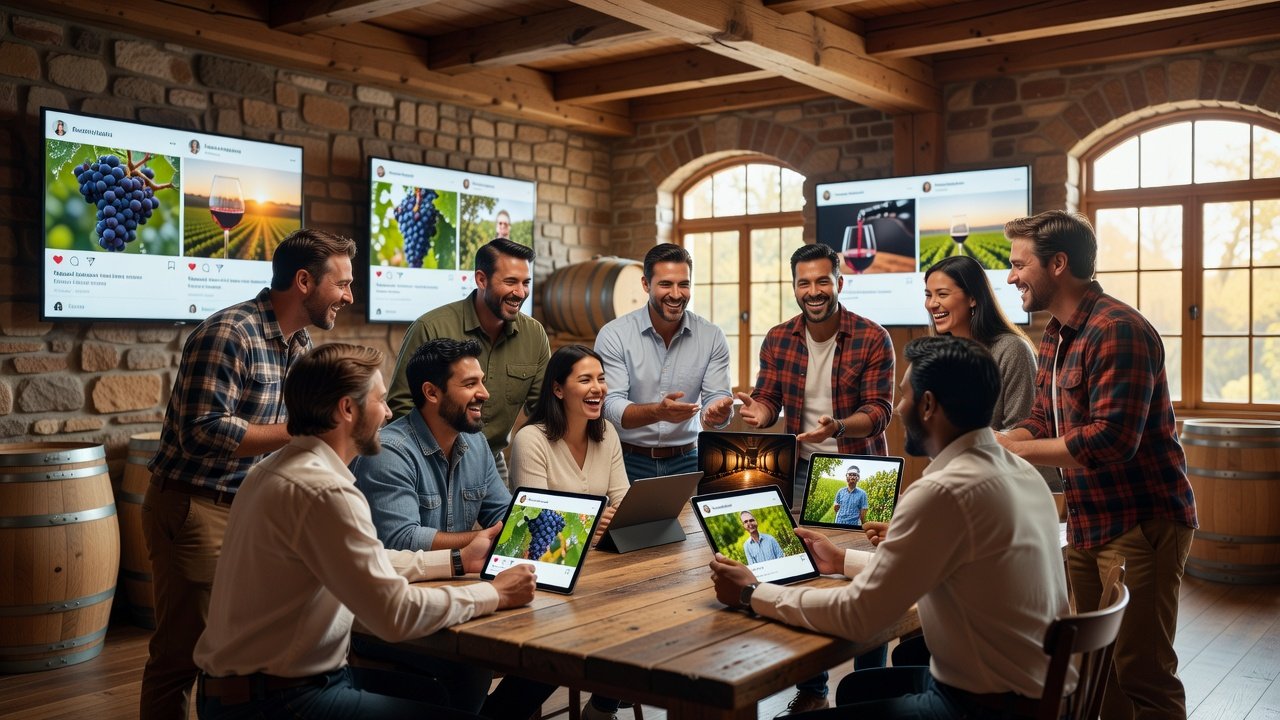
Successful campaigns often combine user-generated content with official narratives, creating a feedback loop of loyalty where fans add their own chapters. Data from authoritative sources indicates that digital amplification can extend a legend’s reach exponentially. For more on wine industry best practices, visit the Wine Institute. Additional insights on global wine trends are available at Decanter and Wine Magazine.
Practical Tips for Wineries Implementing Legend-Driven Marketing
To succeed, start small by selecting one core legend and building around it rather than overwhelming audiences with multiple threads. Collaborate with influencers who align with the story’s values for authentic endorsements. Avoid over-commercialization—keep the focus on heritage rather than hard sells that can erode trust. Regularly update legends to reflect new chapters, such as recent sustainability achievements or expansions into new markets.
Monitor impact through surveys asking customers what drew them to the brand and which elements resonated most. Adjust based on feedback to maintain relevance as consumer preferences evolve. Another tip is to train staff to retell legends consistently during tastings, turning every visit into an immersive experience that encourages sharing on social media.
FAQ: Addressing Implementation Challenges and Measuring Impact
How do I handle limited historical records?
Supplement with oral histories from long-term employees and cross-reference with regional archives or university libraries. Many wineries partner with local historians for accuracy and credibility that strengthens the overall narrative.
What metrics best measure story impact?
Track direct sales attribution, social engagement rates, brand recall surveys, and email open rates tied to story content. Tools like Google Analytics help correlate story content with website conversions over time.
Can small wineries compete with larger estates?
Absolutely. Smaller operations often have more intimate, relatable legends that resonate deeply with niche audiences seeking authenticity over polished corporate messaging.
How often should legends be refreshed?
Update quarterly with new milestones while preserving core elements to maintain consistency and trust among repeat customers.
What common pitfalls should be avoided?
Steer clear of exaggeration or fabrication, as modern consumers quickly detect inauthenticity through online fact-checking and reviews.
Conclusion
Wine legends remain a powerful driver of consumer choices in 2026. By crafting authentic narratives, leveraging digital platforms, and measuring results carefully, wineries can build lasting loyalty and sustainable growth. Embrace these strategies to turn history into a competitive advantage that stands the test of time.
No comments yet. Be the first!