 Uncorked Conversations
Introduction: Beyond the Famous Vintages
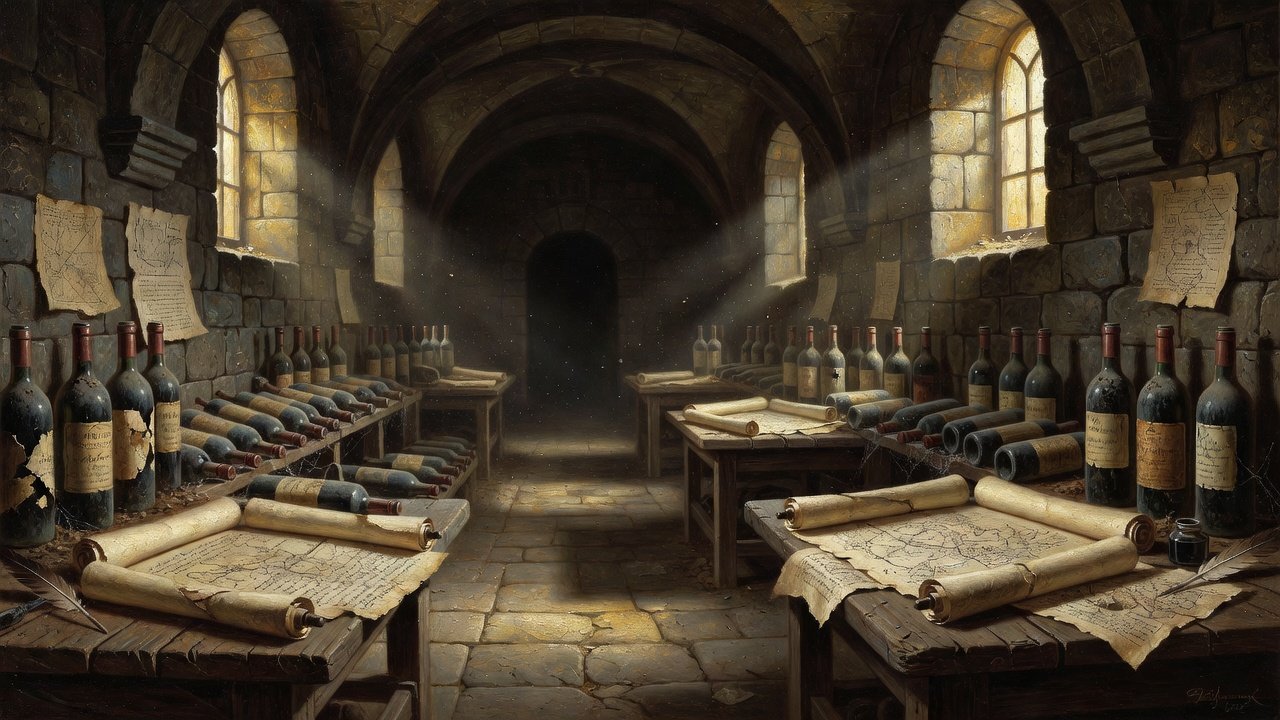
Wine enthusiasts in 2026 seek more than the well-trodden tales of Bordeaux dynasties or Napa pioneers. The true richness of wine history lies in its lesser-known legends—obscure winemakers, forgotten regional innovations, and hidden vineyard stories that shaped global viticulture. This guide helps you uncover these narratives, preserving them for personal collections and deeper appreciation. In an era of digital archives and global connectivity, discovering these stories adds layers of meaning to every bottle opened and every tasting note recorded.
Why Lesser-Known Wine Legends Matter in 2026
Popular accounts often overshadow the diverse contributions from small producers and indigenous communities. Exploring these stories reveals how climate adaptation, cultural exchanges, and individual resilience influenced modern winemaking. Enthusiasts gain unique insights that enrich tastings and cellar choices. For instance, understanding the role of overlooked female winemakers in early 20th-century Portugal can transform how one appreciates traditional methods still used today. These hidden legends also highlight sustainability practices that predate current trends, offering lessons for contemporary challenges like shifting weather patterns. By focusing on discovery and preservation, collectors build narratives that differentiate their cellars from standard collections, fostering a deeper connection to the land and people behind each vintage.
Research Techniques for Obscure Winemaker Figures
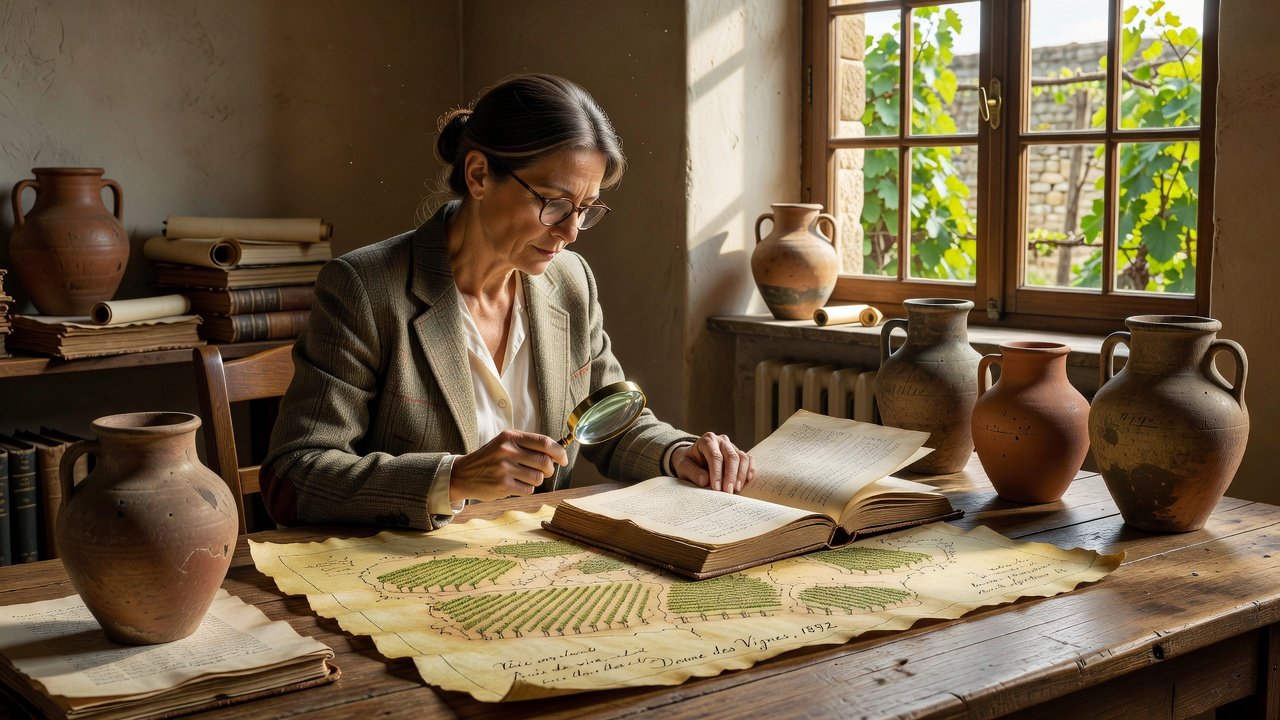
Start with local archives and university libraries holding viticultural records. Cross-reference oral histories from descendant families using digital databases. Step-by-step approach: 1) Identify target regions via historical maps from the 18th and 19th centuries. 2) Search parish records and tax ledgers for mentions of vineyard ownership. 3) Consult estate ledgers for production notes detailing grape varieties and yields. 4) Verify with carbon dating on artifacts where possible, or DNA testing of preserved vine samples. Tools like digitized newspaper collections from the 1800s accelerate discovery, while regional historical societies often hold unpublished letters and diaries. Always approach research with patience, as many records require translation from original languages such as Latin, French, or indigenous dialects.
Regional Comparisons of Untold Tales
European stories often center on monastic innovations during the Middle Ages, where monks preserved viticultural knowledge through turbulent times. In contrast, South American legends highlight indigenous adaptations post-colonization, including unique fermentation techniques using native fruits alongside grapes. Asian vineyard revivals blend ancient fermentation methods with contemporary techniques, particularly in regions like Georgia and Armenia where qvevri vessels remain central. African examples, though rarer in mainstream literature, feature early trade-route influences that introduced new grape varieties to Mediterranean shores. These comparisons highlight how geography and migration created distinct legends across continents, showing parallels in resilience against phylloxera outbreaks and economic shifts. International Organisation of Vine and Wine provides foundational data on global viticultural heritage that supports such regional analysis.
Case Studies of Hidden Legends
Consider the story of a 19th-century Georgian qvevri master whose clay vessel techniques influenced natural winemaking revivals seen today. His methods involved burying amphorae for extended periods, creating complex flavors that modern natural wine producers replicate. Another example comes from Chilean coastal valleys where forgotten female winemakers pioneered smoke-tainted grape rescues after volcanic events, developing filtration processes still referenced in current wildfire recovery protocols. In South Africa, an 18th-century enslaved winemaker's innovations in blending contributed to early Constantia dessert wines, a legacy rediscovered through estate family records. A fourth case from rural Spain involves a shepherd-turned-vintner who crossbred local grapes to withstand drought, techniques documented in village church archives. These cases demonstrate practical preservation through modern replications and inspire enthusiasts to experiment with similar historical methods in home cellars.
Step-by-Step Guide to Sourcing Archives
- Begin online with national library portals for digitized manuscripts, focusing on keywords like "viticulture" and specific village names.
- Reach out to regional wine museums for access permissions, often granted to serious researchers with a clear project outline.
- Cross-check findings against peer-reviewed journals available through academic databases.
- Engage local historians for contextual interviews, which frequently reveal oral traditions not captured in writing.
- Document sources meticulously for future verification, using spreadsheets to track dates, locations, and key figures.
- Visit physical sites when possible to photograph remaining vineyard markers or cellar inscriptions that corroborate written evidence.
Verifying Historical Accuracy with Modern Tools
FAQs often arise around authenticity. Use DNA analysis on vine samples to confirm grape lineage and AI-driven text recognition for faded documents. Cross-validate with satellite imagery of old vineyard sites to match historical descriptions. Always prioritize multiple corroborating sources over single accounts. Additional tools include blockchain-based provenance platforms for tracing bottle lineages and virtual reality reconstructions of ancient cellars. Common pitfalls include over-relying on secondary sources or ignoring cultural context, which can lead to misinterpretations. For example, verifying a legend about a 17th-century Italian winemaker requires checking both church records and contemporary merchant logs to ensure consistency.
Building Your Personal Collection of Wine Stories
Incorporate these legends by labeling bottles with historical notes or hosting themed tastings that pair wines with printed story cards. Preservation ensures these narratives endure beyond 2026 trends. Start small by selecting three overlooked figures from different regions and sourcing matching bottles through specialty importers. Share discoveries on enthusiast forums to crowdsource additional details. Over time, this practice turns a standard wine collection into a living archive of human ingenuity. Wine Institute offers resources on sustainable heritage practices that align with these efforts. Additional context appears via Decanter archives on global wine evolution, which frequently feature in-depth historical pieces.
Conclusion: Embracing Discovery
Uncovering lesser-known wine history legends transforms casual interest into profound expertise. Apply these methods to reveal stories that continue shaping the world's vineyards today, enriching both knowledge and enjoyment for years to come.

No comments yet. Be the first!