 Uncorked Conversations
Introduction: Unlocking Wine Expertise Through Podcast Learning
Wine education has traditionally relied on books, classes, and in-person tastings, but modern listeners are turning to audio formats for flexible, in-depth learning. Uncorked Conversations stands out as a premier wine podcast that uses expert interviews to deepen knowledge on topics like flavor profiling and vineyard regions. This approach makes complex concepts accessible while encouraging practical application at home. The podcast's conversational style allows listeners to absorb information during commutes or daily routines, turning otherwise idle time into productive education sessions.
By featuring sommeliers, winemakers, and industry veterans, the show transforms passive listening into active skill-building. Listeners report improved ability to describe wines, identify regional characteristics, and select bottles confidently. Over multiple seasons, recurring themes emerge that create a cumulative learning effect, where early episodes on basics support later explorations of advanced topics like oxidative aging or biodynamic practices.
Developing Flavor Vocabulary Through Expert Interviews
One core strength of Uncorked Conversations lies in its focus on expanding descriptive language for wines. Episodes often break down terms like "terroir-driven" or "secondary aromas" with real examples from tastings. Guests share personal tasting notes, helping listeners build a mental lexicon that goes beyond basic descriptors like "fruity" or "dry." Detailed discussions on aroma wheels and how volatile compounds create specific scents provide listeners with tools to articulate subtle differences between similar wines.
Traditional wine classes teach vocabulary through static lists, but the podcast format allows for conversational explanations that stick better. For instance, a recent episode on Pinot Noir explored how soil types influence cherry versus earth notes, giving listeners nuanced language they can immediately apply during home tastings. Another installment dissected the evolution of descriptors from primary fruit to tertiary notes developed during bottle aging, complete with listener-submitted examples that were analyzed on air.
Gaining Regional Wine Insights from Global Experts
Regional knowledge forms another pillar of the podcast's educational value. Interviews with producers from Bordeaux to Barossa Valley provide insider perspectives on climate, grape varieties, and winemaking traditions. These discussions highlight how factors like vintage variation affect flavor profiles in ways textbooks often overlook. Episodes frequently contrast Old World restraint with New World fruit-forward styles, using specific producer stories to illustrate microclimates and appellation rules.
Compared to static maps or generic region guides, the audio format brings regions to life through stories. Listeners learn why certain Italian wines pair well with specific foods or how New Zealand's cool climate shapes Sauvignon Blanc acidity. This contextual depth fosters a global understanding that enhances travel planning or shopping decisions. Decanter offers complementary regional resources that align well with these podcast insights, while Wine Spectator provides additional vintage charts listeners can reference alongside episodes.
Practical Tasting Applications and Home Exercises
The show excels at bridging theory with practice. Episodes frequently include guided tasting steps, such as noting appearance, aroma, palate, and finish in sequence. Listeners are encouraged to replicate these at home with affordable bottles, turning each episode into an interactive lesson. One particularly effective format involves replaying segments while tasting the discussed wine, allowing immediate reinforcement of concepts like acidity balance or tannin structure.
Steps for applying knowledge include: selecting wines mentioned in an episode, tasting blind while replaying key segments, and journaling comparisons. Additional techniques involve pairing episodes with food experiments, such as matching a discussed Syrah with grilled meats to test tannin interactions. This method outperforms traditional education by allowing repetition and personalization. 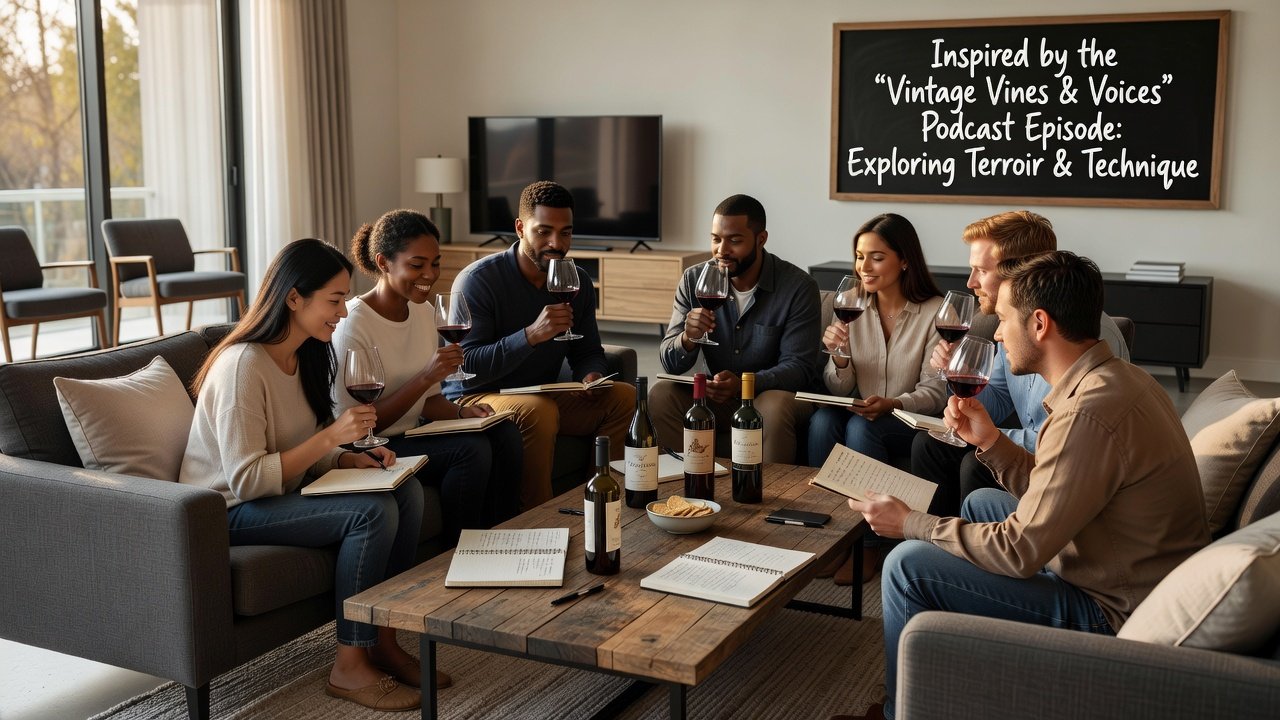
Comparisons to Traditional Wine Education Methods
While certification courses like those from the Wine & Spirit Education Trust provide structured credentials, they require significant time and financial investment. Uncorked Conversations delivers ongoing education without barriers, updating listeners on trends like sustainable practices or emerging regions in real time. Books offer depth but lack interactivity, whereas the podcast encourages community engagement through listener questions featured in episodes. Case studies show hobbyists advancing faster by combining both approaches: using the show for inspiration and courses for certification. The podcast's accessibility also benefits those in remote areas without access to local sommelier programs or wine shops hosting events.
Listener Case Studies: Career and Hobby Growth
Real-world impact is evident in listener feedback. A retail buyer credited the podcast with sharpening her palate, leading to better inventory choices and a promotion within her wine shop chain. Another enthusiast started a local tasting club after applying regional insights from multiple episodes, expanding her social circle around wine. A third listener, previously intimidated by restaurant wine lists, now confidently recommends pairings during client dinners after following episodes on food and wine synergy. These stories illustrate how consistent listening translates to tangible outcomes, from career advancement in hospitality to enriched personal enjoyment. Beginners often begin with introductory episodes on basics, progressing to advanced topics like aging potential and vineyard sustainability.
Maximizing the Podcast for Beginners and Enthusiasts
To get the most from Uncorked Conversations, start with episodes tagged for novices and pair them with simple tools like a tasting journal. Enthusiasts can dive into deep-dive interviews on specific varietals. Cross-referencing with authoritative sites builds further expertise. Tracking personal progress by revisiting early notes after six months of listening reveals measurable growth in descriptive accuracy and regional recognition skills.
Wine Spectator and Wine Enthusiast resources provide excellent follow-up reading to reinforce podcast takeaways, helping solidify concepts through visual and written reinforcement.
FAQ: Common Questions on Using Wine Podcasts Effectively
How often should beginners listen to build knowledge?
Weekly episodes allow steady progress without overload, with active tasting practice after each one to cement new terms and techniques.
Can podcasts replace formal wine classes?
They complement classes well but work best alongside hands-on tasting for full mastery of both theory and sensory skills.
What equipment helps maximize at-home application?
A basic wine glass set and notebook suffice; focus on consistency rather than expensive tools for optimal results.
Are there episodes suitable for non-drinkers interested in wine culture?
Yes, many focus on history, pairings, and industry stories without requiring consumption, making the content inclusive.
How can listeners track improvement over time?
Maintain a dated tasting journal and periodically re-taste familiar wines to compare notes from earlier episodes.
Conclusion: Elevating Your Wine Journey
Uncorked Conversations transforms wine learning into an engaging, accessible experience. By emphasizing vocabulary, regions, and practical steps, it empowers listeners to grow their expertise meaningfully. Whether advancing a hobby or career, the podcast offers a dynamic alternative to conventional methods that continues to evolve with the industry.
No comments yet. Be the first!