 Uncorked Conversations
Introduction: The Shifting Landscape of Wine Narratives
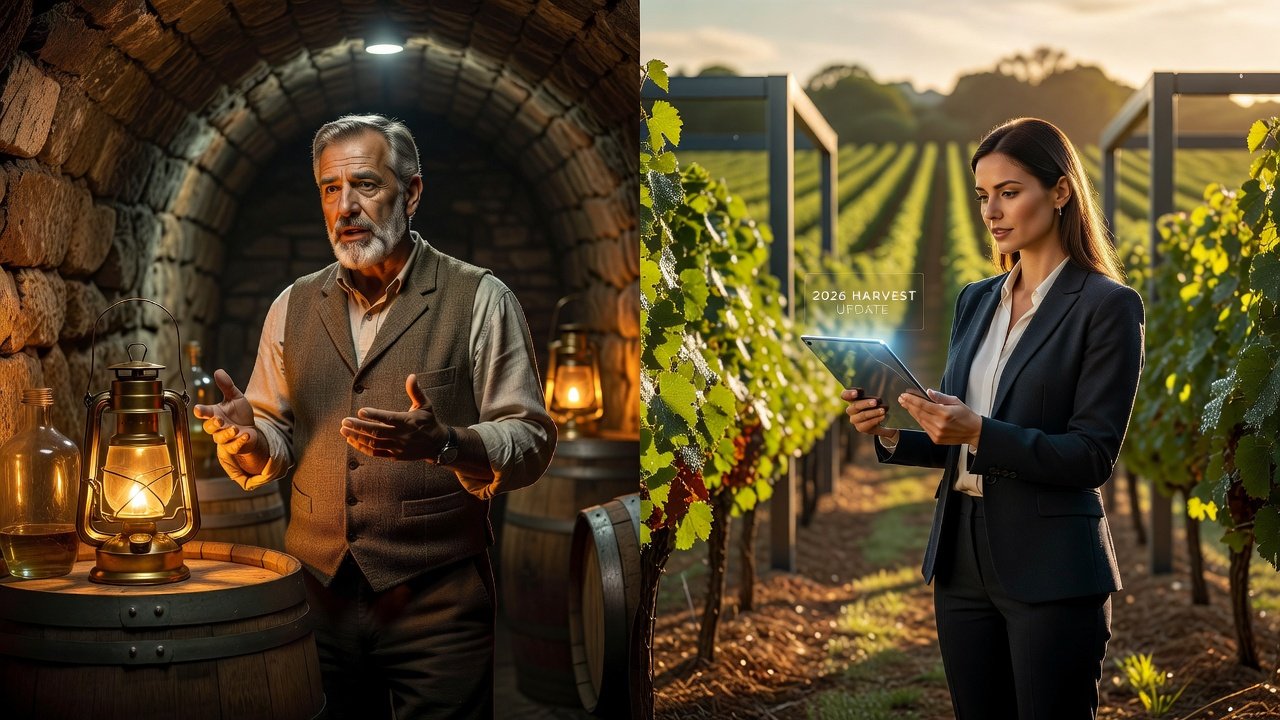
Wine has always been more than a beverage; it carries legends, family histories, and cultural heritage passed down through generations. In 2026, the evolution of these stories from intimate oral traditions to dynamic digital platforms marks a significant shift. This beginner guide examines how vineyards and enthusiasts are blending classic storytelling with modern tools like apps and social media, addressing search intent around adapting legends for contemporary audiences without losing authenticity. Traditional methods relied on face-to-face sharing in cellars or during harvests, fostering deep personal connections that built trust and emotional resonance over decades. Digital platforms now amplify reach, allowing global audiences to engage with winemaker tales through videos, interactive maps, and user-generated content. The key challenge remains balancing preservation techniques with innovative engagement strategies that respect the origins of each tale while making them accessible to new generations of wine lovers.
Understanding this transition helps enthusiasts and professionals alike navigate the best ways to keep wine heritage alive. Oral traditions once thrived in small communities where stories were adjusted slightly with each retelling to reflect current conditions, but this also led to variations that could drift from original facts. Today, digital tools offer precision through timestamps, photos, and verified accounts, yet they demand careful curation to avoid oversimplification. This comprehensive exploration covers comparisons of engagement levels, real-world vineyard transitions, and actionable steps for personal digitization projects.
Classic Storytelling Methods in Wine Culture
For centuries, wine stories thrived through oral traditions. Elders recounted harvest tales, soil secrets, and ancestral triumphs around vineyard firesides. These narratives preserved regional identities and techniques, often tied to specific terroirs that influenced everything from grape varieties to fermentation processes. Written records emerged later via handwritten ledgers and early books, but the essence stayed rooted in personal, sensory experiences that engaged multiple senses during the telling. Engagement levels were high within communities but limited geographically, meaning stories rarely traveled beyond local valleys or villages without significant effort from travelers or merchants.
Preservation depended on memory and repetition, risking loss over time due to migration or generational gaps. This method emphasized authenticity, as stories evolved organically through retellings that incorporated new observations about weather patterns or soil changes. However, the lack of permanent records made it difficult to verify details centuries later, leading many regions to lose subtle nuances about specific vintages or family innovations. In contrast to modern methods, these approaches created strong communal bonds but struggled with scalability and long-term accuracy.
The Rise of Digital Platforms and Apps in 2026
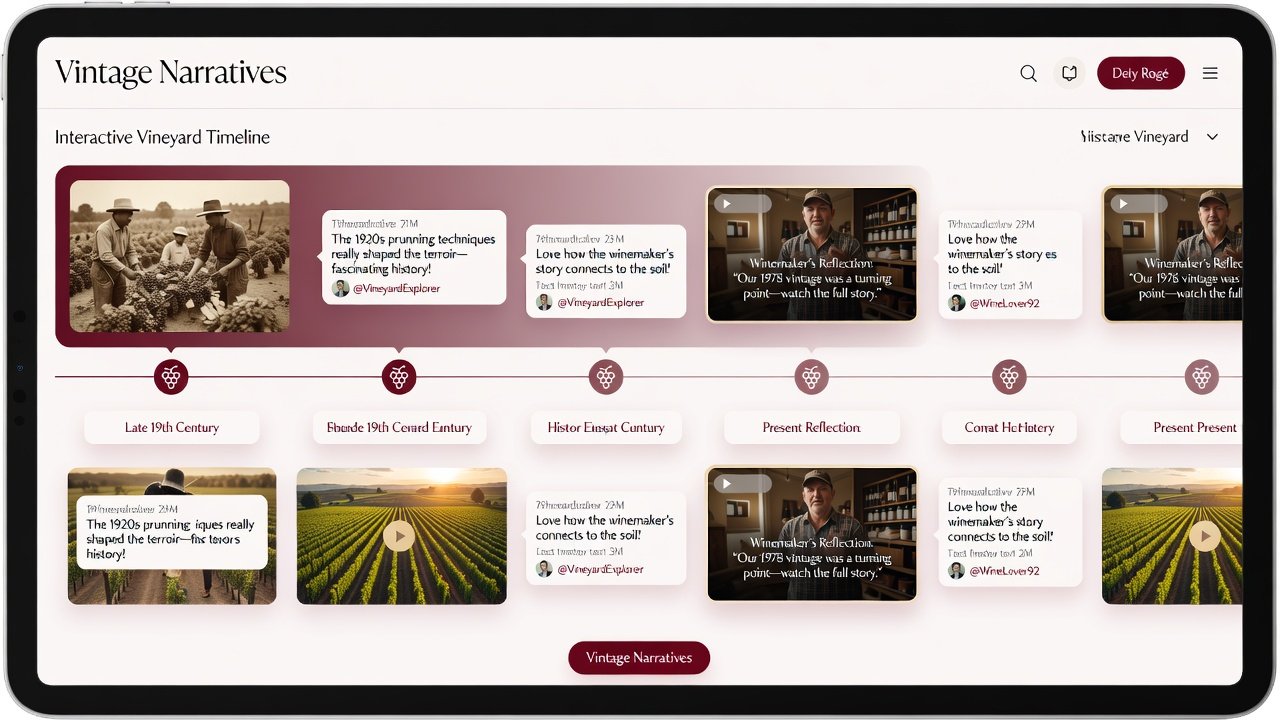
By 2026, digital tools have transformed wine storytelling. Platforms like dedicated wine apps and social media channels enable vineyards to share multimedia content, including virtual tours and live harvest streams that capture the exact moment grapes are picked. Social media fosters real-time interaction, where followers comment on winemaker decisions or suggest pairings based on their own experiences. Apps now incorporate AI-driven recommendations that weave in historical context, making legends accessible to beginners who might otherwise feel overwhelmed by complex family lineages or regional dialects.
Engagement metrics show broader reach, with digital formats allowing instant feedback and community building across continents. Preservation benefits from cloud storage and searchable databases, safeguarding stories against physical degradation from fires, floods, or simple neglect. In 2026, features such as augmented reality overlays on vineyard maps let users visualize how a particular legend unfolded on the exact plot of land where it occurred. These advancements address search intent for modern accessibility while providing tools to maintain the integrity of each narrative through version control and contributor verification systems.
Comparing Engagement Levels and Preservation Techniques
Traditional methods excel in emotional depth and cultural nuance, creating lasting bonds among small groups that often span multiple generations within the same family. Digital approaches boost scalability and interactivity, often achieving higher engagement through likes, shares, and analytics-driven refinements that help creators understand what resonates most with audiences. However, they risk diluting authenticity if not managed carefully through oversight committees or direct winemaker involvement.
Preservation in analog forms involves physical archives and oral repetition, while digital techniques use metadata tagging and blockchain for provenance tracking that ensures no unauthorized alterations occur. A hybrid model often yields the best results, combining tactile experiences with online accessibility for audiences who seek both depth and convenience. Consider these key differences:
- Traditional: High intimacy, low scalability; vulnerable to memory fade but rich in sensory context like the smell of aging barrels during storytelling sessions.
- Digital: Global reach, measurable engagement; requires tech literacy and ongoing updates to stay relevant amid changing algorithms.
- Hybrid: Combines strengths for modern audiences seeking both depth and convenience, often resulting in stronger community loyalty and better long-term story retention rates.
Real-World Examples of Successful Transitions
Several vineyards illustrate effective shifts. In California, family estates have digitized oral histories into podcast series and interactive websites, attracting younger consumers while honoring roots through careful narration by current owners. European chateaus use social media to document seasonal changes, linking posts to centuries-old family lore for authentic appeal that educates followers about climate impacts on specific plots. One notable case involves a historic Italian winery that transitioned handwritten tasting notes to a mobile app, resulting in increased global interest without compromising heritage details by including side-by-side comparisons of original scripts and digital versions.
Another example comes from a South African estate that created virtual reality experiences allowing users to walk through reconstructed 19th-century cellars while hearing recorded stories from descendants. These transitions demonstrate measurable growth in visitor engagement and international wine club sign-ups. They also highlight practical lessons, such as the importance of starting small with pilot projects before full rollout and involving multiple family members to ensure diverse perspectives are captured accurately.
Practical Steps for Enthusiasts to Digitize Personal Wine History
Begin by recording family stories through interviews or voice memos using high-quality microphones to capture tone and emotion. Organize them into digital formats using simple apps for transcription and archiving that support tagging by vintage year or region. Next, create visual content like photo essays or short videos to pair with narratives, ensuring each element includes captions that reference original sources.
Share on platforms while maintaining authenticity by citing sources and avoiding embellishments that could alter meaning. Collaborate with local historians or use free online tools to build searchable databases that allow future users to cross-reference details. Regularly update content to reflect new vintages, ensuring stories remain living documents that evolve naturally. Additional steps include backing up all files in multiple locations, obtaining permissions from living storytellers, and testing digital versions with small focus groups before public release to gather feedback on clarity and emotional impact.
Maintaining Authenticity in Modern Adaptations
Search intent often focuses on avoiding superficial digital versions that prioritize virality over truth. To preserve integrity, ground digital content in verified facts from original tellers and involve winemakers directly in content creation. Seek feedback from traditional communities through regular consultations or advisory panels. This approach respects heritage while embracing tools that expand reach, fostering a richer global appreciation of wine culture. Authoritative resources such as Wine Institute and International Organisation of Vine and Wine provide frameworks for ethical digitization that many estates now follow.
Conclusion
The evolution of wine stories in 2026 reflects a dynamic interplay between tradition and technology. By thoughtfully integrating digital platforms, enthusiasts and vineyards can ensure legends endure and thrive for future generations, creating a legacy that blends the best of both worlds.
FAQ: Common Challenges in Blending Old and New Formats
How do I prevent digital stories from losing authenticity?
Always source content directly from winemakers and cross-reference with historical records. Use direct quotes and original photos to anchor narratives, and consider periodic reviews by family elders or community leaders.
What tools are best for beginners digitizing wine histories?
Start with accessible apps for recording and organizing, then progress to platforms supporting multimedia. Focus on user-friendly interfaces that support export for long-term preservation and include built-in citation features.
Can traditional methods coexist with social media?
Yes, many vineyards host in-person events documented online, creating a seamless bridge that enhances both formats and often leads to higher attendance at physical gatherings.
What common mistakes should be avoided during transition?
Avoid rushing the process without proper backups, ignoring permissions from story contributors, or over-editing content to fit platform algorithms, as these can erode trust and historical accuracy.
How can engagement be measured effectively?
Track metrics like shares, comments, and return visits while also monitoring qualitative feedback through surveys that ask participants how well the digital version captured the original emotional essence.
No comments yet. Be the first!