 Uncorked Conversations
Introduction: Wine Legends Meet Modern Sustainability
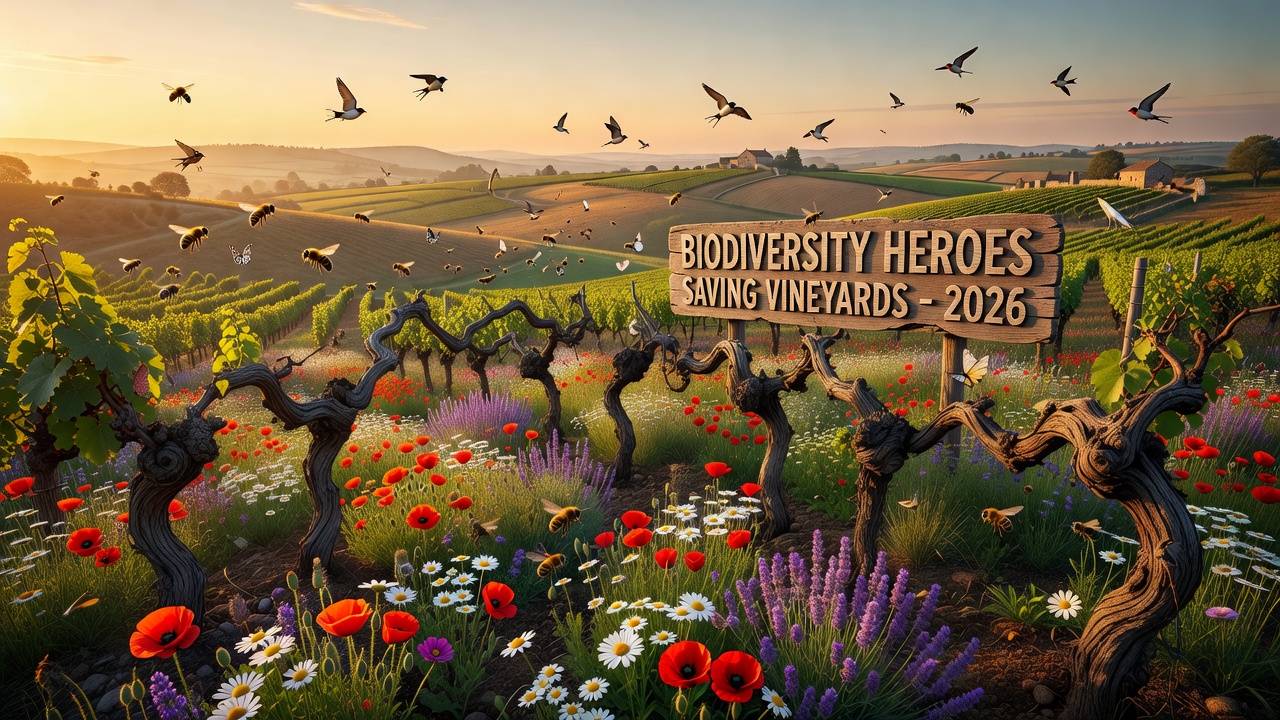
The world of wine has long been shaped by visionary winemakers whose stories echo through centuries. In 2026, these legends are inspiring a new wave of biodiversity efforts that blend time-honored practices with cutting-edge innovations. This intersection of history and sustainability appeals to enthusiasts and professionals alike, as regenerative viticulture becomes essential for resilient vineyards facing climate variability and shifting consumer expectations.
From the rolling hills of Bordeaux to the steep terraces of the Douro Valley, legendary estates are leading the charge. Their work not only preserves rare grape varieties but also restores ecosystems, supporting pollinators, soil health, and wildlife corridors. As global temperatures rise, these efforts represent both homage to the past and a practical roadmap for the future of viticulture.
Historical Foundations of Biodiversity in Viticulture
Old-world traditions often emphasized harmony with nature long before the term "biodiversity" entered common use. Monastic winemakers in Burgundy selected plots based on microclimates and native flora, creating polycultures that naturally controlled pests and enriched soils. These approaches contrast with 20th-century industrialization, which prioritized monocultures and chemical inputs, yet they provide enduring blueprints for today's regenerative methods.
Comparisons reveal that while old-world regions relied on manual labor and mixed planting, 2026 innovations incorporate drone monitoring of canopy health, cover cropping with regionally native seeds, and AI-driven pest management that reduces chemical use. The result is a powerful synthesis that honors ancestral knowledge while preparing vineyards for unprecedented environmental pressures. Many estates now document these evolutions through detailed soil microbiome analyses that trace back to 19th-century practices.
Case Studies of Legendary Vineyards
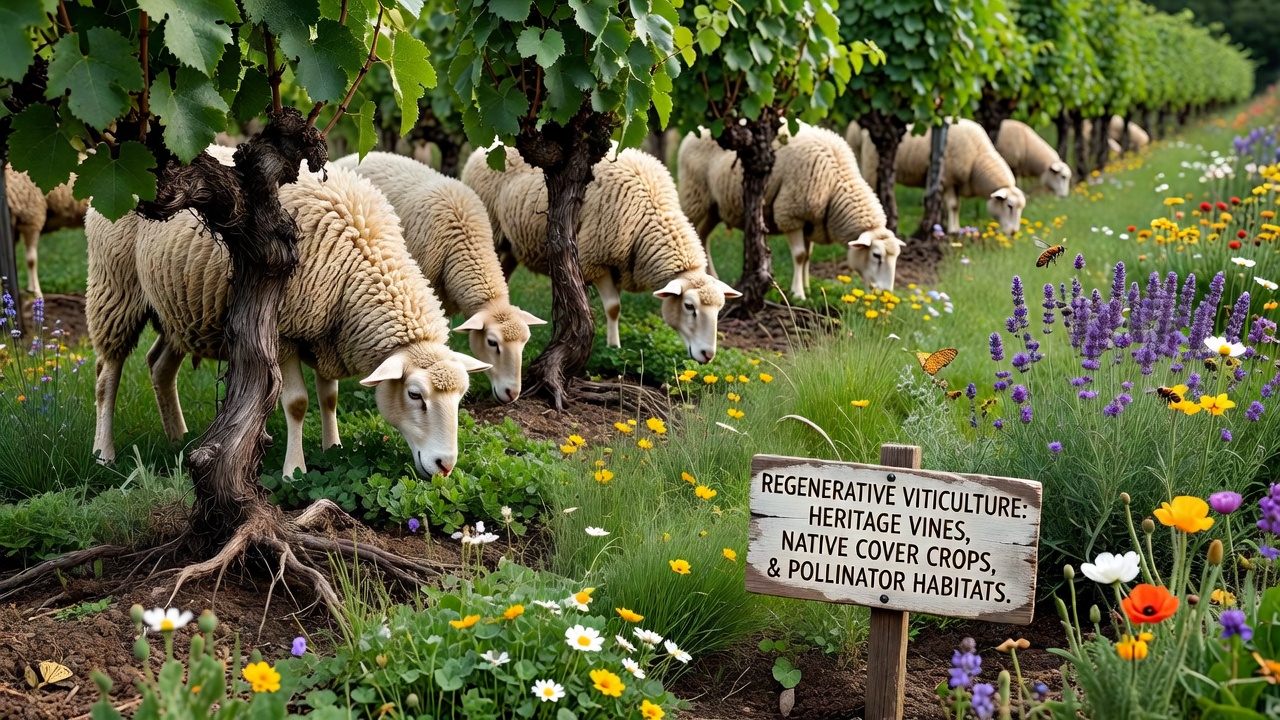
Consider the legacy of estates in Tuscany's Chianti Classico. Modern stewards have revived ancient olive-wine intercropping systems, boosting insect diversity by significant margins in recent trials while improving grape resilience. Similarly, in South Africa's Stellenbosch region, descendants of pioneering families now integrate sheep grazing and indigenous fynbos restoration, creating habitats that support birds and beneficial insects year-round.
In California’s Napa Valley, historic properties founded in the 19th century are pioneering water-wise biodiversity corridors that connect fragmented habitats. These examples demonstrate how personal stories of perseverance fuel scalable environmental solutions that benefit both wine quality and surrounding ecosystems. Additional cases from Portugal's Douro Valley show terraces replanted with native shrubs that prevent erosion and attract pollinators essential for healthy vine flowering.
Global Regions Embracing 2026 Innovations
Biodiversity efforts span continents and climates. In Australia’s Barossa Valley, legends of Shiraz pioneers inspire large-scale native woodland plantings that combat erosion and provide shade for livestock integrated into vineyard management. European counterparts in Spain’s Priorat leverage steep slate soils with heritage dry-farming techniques enhanced by solar-powered soil moisture sensors that optimize water use without disrupting natural cycles.
Asia’s emerging wine regions, such as China’s Ningxia, draw on cross-cultural legends to introduce biodiversity strips between vine rows, fostering beneficial insects and reducing reliance on external inputs. These diverse approaches highlight universal principles adaptable to local conditions, from arid deserts to temperate river valleys. Success stories also emerge from South America’s Mendoza region, where old-vine Malbec producers combine traditional flood irrigation knowledge with modern hedgerow plantings to support local bird populations.
International Organisation of Vine and Wine reports emphasize how such integrated practices improve vineyard resilience globally, while FAO guidelines offer frameworks for measuring biodiversity gains in agricultural landscapes.
Practical Steps to Support Biodiversity Heroes
Readers can actively contribute through informed choices that directly sustain these legendary efforts. Start by seeking wines certified by regenerative organizations and visit producer websites for transparency reports detailing species counts and habitat projects. Prioritize bottles from estates sharing their heritage stories alongside sustainability metrics, allowing consumers to connect emotionally with the winemakers' journeys.
Additional steps include participating in virtual tastings or vineyard tours that highlight biodiversity projects, which often feature live updates on pollinator returns or soil carbon improvements. Advocate for policies supporting small legendary producers via industry associations, and consider joining citizen science initiatives that track vineyard wildlife. Ethical purchasing amplifies the impact of these heroes, ensuring traditions endure while encouraging wider adoption of regenerative techniques across the industry.
Challenges, Expert Quotes, and Forward-Looking Predictions
Leading viticulturists note persistent challenges such as balancing yield with habitat restoration and navigating regulatory hurdles for native species reintroduction. One expert states, "The legends of yesterday teach us that diversity is not optional—it is the foundation of great wine and resilient landscapes." Another predicts that by 2030, integrated biodiversity metrics will become standard in premium wine evaluations.
Looking ahead, expect expanded use of blockchain for tracing biodiversity outcomes and deeper partnerships with conservation groups. These developments will help scale successful models from historic estates to newer plantings worldwide, creating a more robust global wine ecosystem.
FAQ: Debunking Myths About Eco-Friendly Winemaking
- Does biodiversity reduce wine quality? No—many award-winning wines come from biodiverse estates where natural balance enhances flavor complexity through healthier vines and varied terroir expression.
- Is regenerative viticulture only for large estates? Small and historic vineyards often lead the way due to intimate knowledge of their land, allowing precise interventions that larger operations later adopt.
- Are organic practices the same as biodiversity-focused ones? Organic certification is a valuable starting point; true biodiversity involves holistic ecosystem restoration that goes beyond basic input restrictions to rebuild entire food webs.
- Will these methods increase costs for consumers? In many cases, efficiencies from healthier soils and reduced external inputs offset expenses, keeping quality wines accessible while delivering long-term environmental benefits.
- How can beginners identify truly regenerative wines? Look for third-party verifications, producer transparency on species diversity, and participation in regional biodiversity charters rather than relying solely on marketing claims.
Additional myths around labor intensity or flavor consistency are addressed in detailed resources from leading agricultural bodies.
Conclusion: Honoring Legends Through Action
The heroes of wine history continue to guide the industry toward a biodiverse future that safeguards both cultural heritage and ecological health. By understanding their stories, supporting their efforts through deliberate choices, and applying practical steps, enthusiasts ensure vibrant vineyards for generations to come. Embrace these legends in your next glass and contribute to a sustainable legacy that bridges past wisdom with tomorrow's innovations.
No comments yet. Be the first!