 Uncorked Conversations
Introduction to VR for Wine Stories in 2026
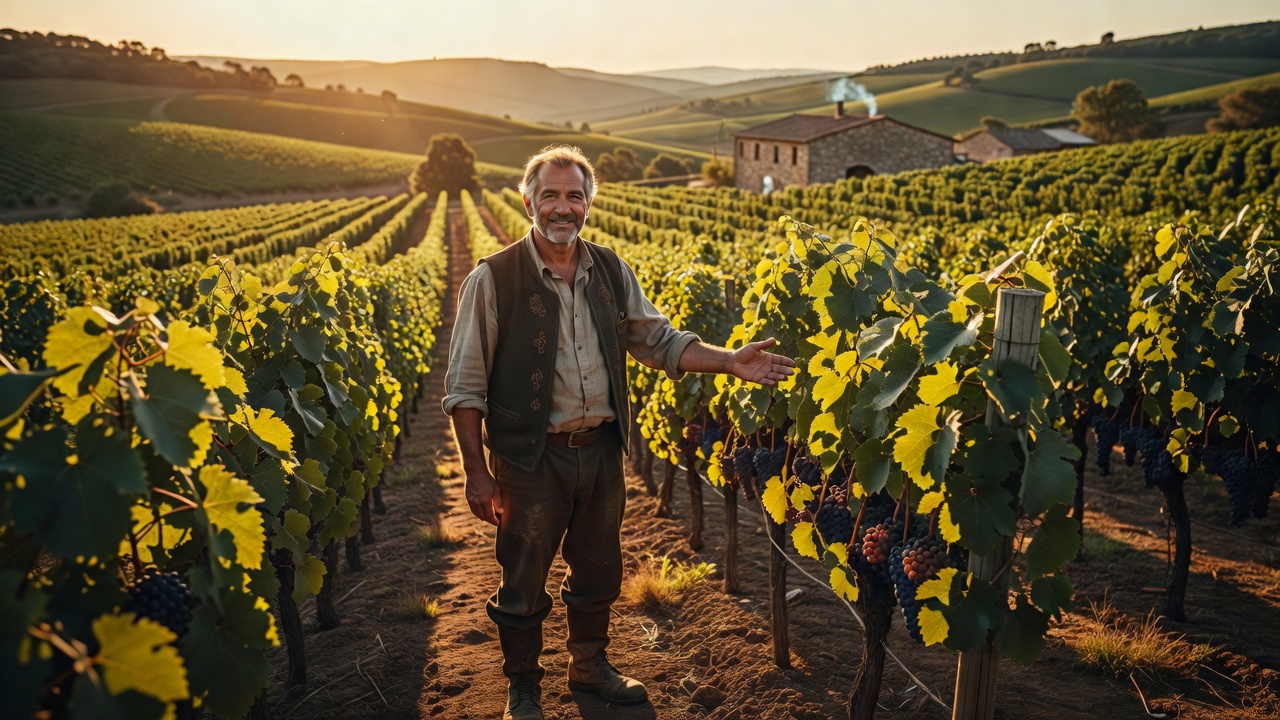
Virtual reality is transforming how enthusiasts engage with wine legends and winemaker stories. In 2026, creators can build immersive experiences that transport users directly into vineyards, capturing the essence of terroir, tradition, and personal narratives. This guide helps beginners select platforms, capture content, and integrate storytelling elements for maximum impact. Wine stories have long been shared through bottles and conversations, but VR elevates them by allowing audiences to walk among the vines and hear winemakers recount their journeys in three dimensions. The search intent for tech-enhanced storytelling reflects growing interest in blending heritage with innovation, making this an ideal time to explore these tools.
Choosing the Right VR Platform
Popular options include Meta Quest headsets for accessibility and high-end systems like HTC Vive for professional productions. Consider ease of use, content distribution, and integration with 360-degree video tools. Compare features such as spatial audio support and cross-platform compatibility before committing. Meta Quest devices excel in consumer reach due to their standalone design, while HTC Vive offers superior tracking for detailed vineyard simulations. Emerging platforms like Apple Vision Pro provide high-resolution displays suited for intricate details in wine legends narratives. Evaluate software ecosystems, including Unity integration for custom elements, and test how each handles large media files from vineyard shoots. Beginners should start with user-friendly interfaces that support easy uploading of 360 footage before scaling to advanced features.
Capturing Vineyard Content Effectively
Start with 360-degree cameras mounted on drones or tripods to record harvest scenes and cellar processes. Focus on winemaker interviews using binaural audio for realistic depth. Edit footage to highlight key moments from wine legends, ensuring smooth transitions that maintain viewer immersion. Use stabilized gimbals during walking tours to avoid motion sickness, and capture multiple angles of barrel rooms and fermentation tanks. Incorporate seasonal elements like spring bud break or autumn harvests to enrich the visual story. Post-production involves color grading to emphasize the golden hues of vineyards and layering ambient sounds such as birdsong or crushing grapes. This technique helps preserve authentic wine history while creating emotional connections through sensory details.
Step-by-Step VR Tour Setup
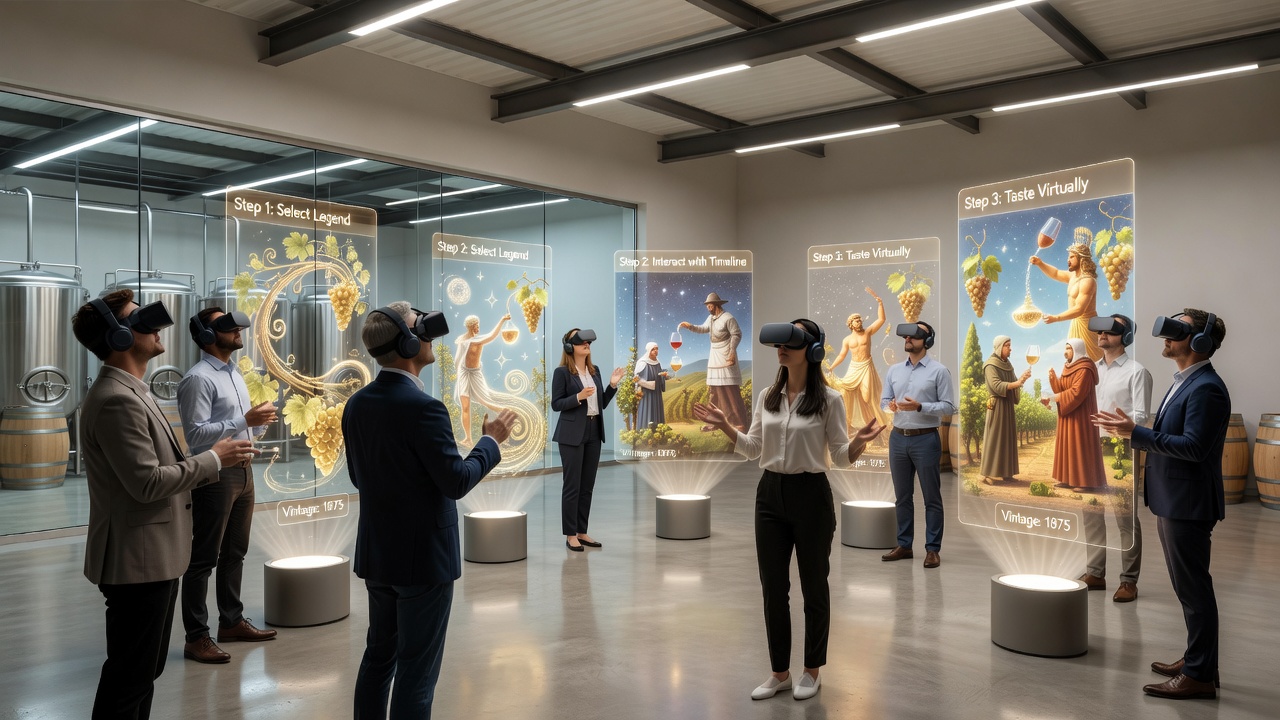
- Install VR authoring software like Unity or specialized wine tourism tools and familiarize yourself with basic scene building.
- Import captured 360 media and add interactive hotspots for winemaker stories, including clickable timelines of family legacies.
- Incorporate navigation menus that allow users to jump between vineyard sections or cellar tours seamlessly.
- Test accessibility features including subtitles and adjustable viewing angles for diverse audiences.
- Optimize for mobile and desktop viewing where possible to broaden reach beyond dedicated headsets.
- Publish to platforms like SteamVR or dedicated apps for audience reach and monitor analytics on engagement.
Integrating Wine Legends Elements
Blend historical anecdotes with modern visuals by overlaying digital artifacts such as old photographs or handwritten notes from legendary winemakers. This approach deepens immersion by letting users explore how past decisions shaped current vintages. For instance, recreate a 19th-century harvest scene alongside present-day practices to illustrate evolution in techniques. Use voiceovers from descendants recounting family tales to humanize the experience and connect users emotionally to wine stories.
VR Versus Traditional Podcasts and Maps
Unlike audio podcasts, VR delivers visual and spatial context that deepens emotional connection to wine history. Traditional maps offer static overviews, while VR enables interactive exploration of vineyard layouts. Real-world examples from emerging wineries in California and Tuscany show higher engagement rates with VR tours compared to conventional formats. Podcasts excel in portability for listeners on the go, yet lack the visual storytelling that VR provides for complex topics like terroir variations. Maps serve as quick references but cannot convey the dynamic movement through rows of vines or the sounds of a bustling crush pad. Studies on immersive media indicate VR increases retention of narrative details by allowing active participation rather than passive listening.
Practical Checklists for Creators and Enthusiasts
- Verify headset compatibility and update firmware regularly to ensure smooth performance.
- Plan shoots around optimal lighting and seasonal vineyard changes for the most vivid footage.
- Include diverse winemaker perspectives to enrich narratives and appeal to broader demographics.
- Gather user feedback post-experience to refine future tours and address any navigation issues.
- Backup all raw footage on multiple drives and organize files by date and location for efficient editing.
- Research local regulations for drone use in vineyards to avoid legal complications during capture.
Real-World Examples from Emerging Wineries
Small producers in Oregon have used VR to share family legacies, resulting in increased virtual visits and direct sales. European estates integrate wine education resources with immersive elements, creating memorable journeys through wine legends. In New Zealand, a boutique winery developed a VR tour highlighting Maori traditions in viticulture, blending cultural heritage with modern technology. These cases demonstrate how even resource-limited operations can leverage affordable capture tools to stand out. Another example comes from South African estates that combine VR with live Q&A sessions, allowing global audiences to interact with winemakers in real time.
Accessibility Considerations and FAQ on Costs
Accessibility improves yearly with better voice navigation and language support. Ensure tours include closed captions and options for seated experiences to accommodate users with mobility concerns. For those new to the technology, start with shorter sessions to build comfort. Regarding costs, entry-level hardware and software vary widely depending on scale, with many free trials available for testing. Focus on qualitative benefits like enhanced storytelling rather than specific figures, as market conditions shift frequently. Common questions include whether VR requires prior tech knowledge—most platforms offer intuitive tutorials—and how long production takes, often spanning several weeks for full tours. Another FAQ addresses device compatibility, noting that many experiences work across multiple headsets with minor adjustments.
Conclusion
Embracing VR for winemaker stories opens new doors in 2026 for storytelling that resonates. Follow these steps to create compelling experiences that honor wine history while engaging modern audiences. By combining practical techniques with creative integration of legends, creators can produce tours that educate and inspire long after the headset is removed. For further reading on immersive technologies, consult resources from Meta or explore broader wine heritage at Wine Institute.
No comments yet. Be the first!