 Uncorked Conversations
Introduction: Capturing Authentic Winemaker Narratives in 2026
Aspiring wine writers and enthusiasts often seek ways to document the personal legacies and legends behind great wines. This guide provides practical, ethical methods for interviewing winemakers to create timeless stories that resonate in 2026 and beyond. By focusing on insightful preparation, genuine connections, and respectful storytelling, you can highlight both emerging trends and deep historical contexts without repeating common advice found elsewhere. The wine industry continues to evolve rapidly, with new generations of producers blending tradition and innovation, making 2026 an ideal time to preserve these voices for future readers.
Preparing Insightful Questions Focused on 2026 Trends
Effective interviews begin long before you meet the winemaker. Research current industry shifts such as regenerative viticulture, climate-adaptive grape varieties, and consumer demand for transparency in natural winemaking. Craft questions that blend future-oriented topics with personal reflection. For example, ask how 2026 sustainability goals influence their vineyard practices or how legacy family techniques adapt to new technologies. Strong preparation involves studying recent reports from industry bodies and reviewing the winemaker’s past interviews to avoid repetition and uncover fresh angles. Consider the broader market context, including shifts toward low-intervention wines and biodiversity-focused farming that many estates now prioritize.
Sample Questions to Get Started
- How do you see climate patterns evolving in your region by 2026, and what adaptive strategies are you implementing?
- What personal family stories shape your approach to winemaking today?
- In what ways are you incorporating data-driven tools while preserving traditional methods?
- Can you describe a moment when a historical challenge directly influenced a decision you made last season?
- How are younger family members contributing new perspectives while honoring established practices?
These questions encourage detailed responses that connect individual journeys to broader 2026 trends. Tailor them further based on the specific region or grape variety to demonstrate genuine interest and elicit richer storytelling.
Building Rapport During Vineyard Visits
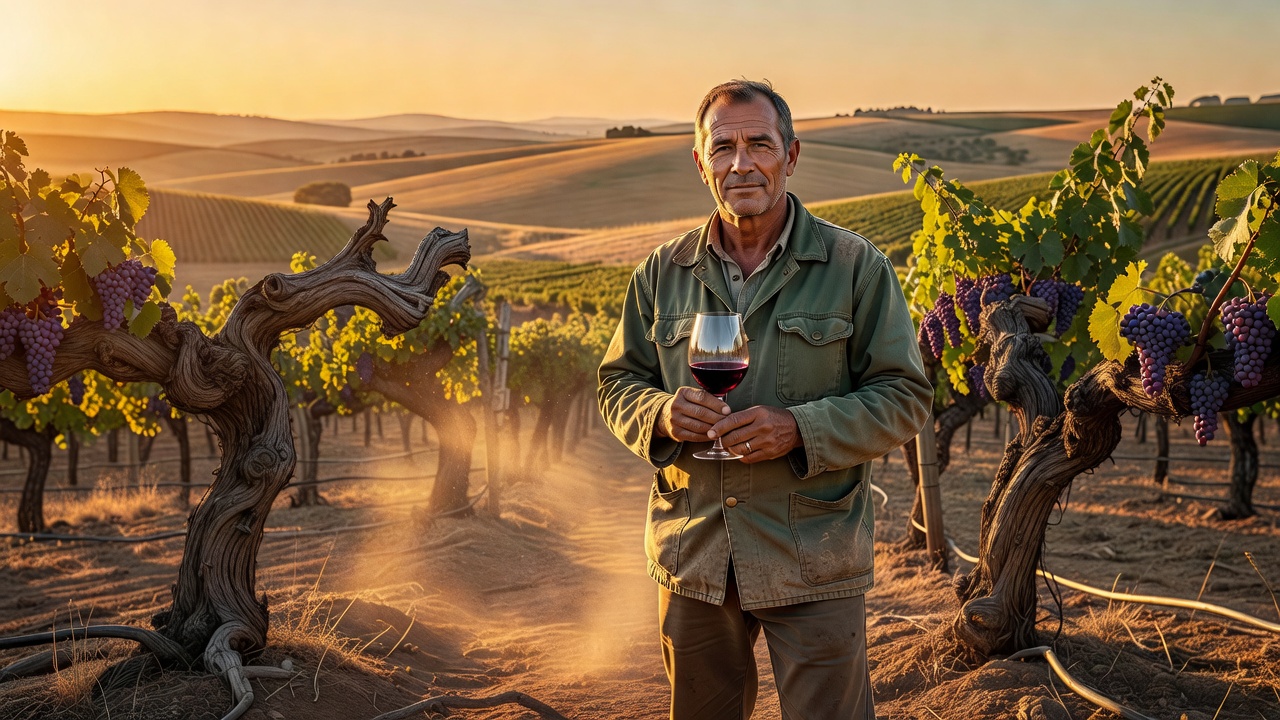
Vineyard visits offer irreplaceable context. Arrive prepared with background knowledge of the estate's history and the winemaker's previous work. Start conversations casually while walking among the vines to ease into deeper topics. Observe body language and share genuine curiosity about their daily routines to foster trust. This rapport often leads to richer anecdotes about generational knowledge and personal challenges. Spend time discussing the soil, weather patterns, or even the challenges of the most recent harvest to create a natural flow. One proven approach involves beginning with a shared tasting of a recent vintage, allowing the winemaker to explain choices naturally before transitioning to structured questions. Building this connection can take patience, especially with more reserved producers who value privacy.
Step-by-Step Process for Recording Sessions
Recording interviews preserves nuance for later storytelling. Follow this sequence for reliable results:
- Obtain explicit consent for audio or video recording at the outset.
- Use a high-quality portable recorder and a backup device to avoid technical failures.
- Position microphones to capture clear dialogue while minimizing background noise from wind or machinery.
- Take handwritten notes alongside recordings to note non-verbal cues and environmental details.
- Immediately after the session, review notes and jot down initial impressions while memories remain fresh.
- Organize digital files with clear labels including date, name, and location for easy retrieval during writing.
Transcribe key sections promptly to maintain accuracy when weaving stories later. Consider using transcription software as a first pass before manual editing for precision. Always back up recordings to multiple secure locations immediately after the visit concludes.
Ethical Considerations for Sharing Legends
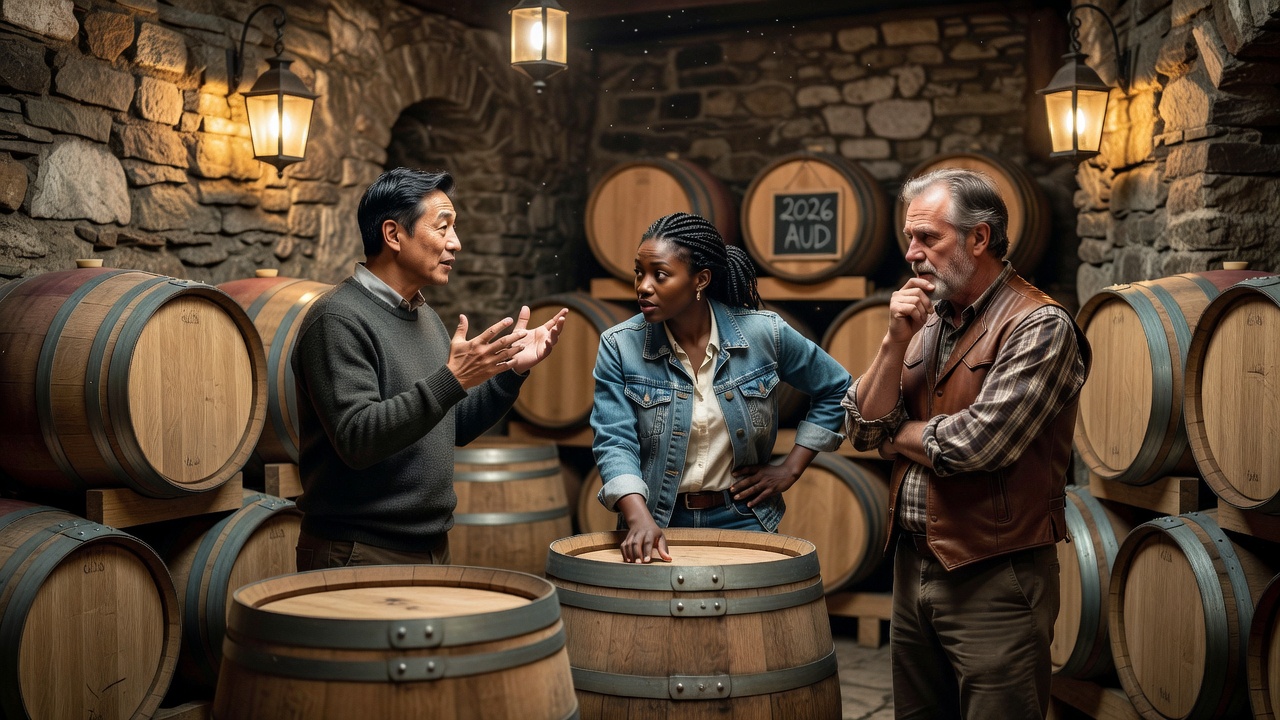
Winemaker stories often involve sensitive family histories or proprietary techniques. Always prioritize consent when discussing personal matters. Anonymize details if requested and verify facts with the interviewee before publication. Respect cultural contexts, especially when stories touch on indigenous practices or regional traditions. Ethical handling builds long-term credibility and encourages future access to other winemakers. For instance, when a producer shares details about land inheritance disputes or wartime disruptions to family estates, confirm whether those elements should remain private. Develop a clear release form that outlines how stories will be used and offer interviewees the chance to review drafts. This approach prevents misunderstandings and respects the trust placed in you as a storyteller.
Weaving Historical Context for Deeper Narratives
Enrich modern interviews by integrating verified historical elements. Reference events like the phylloxera epidemic or post-war vineyard reconstructions to frame current practices. This layering creates narratives that feel both contemporary and enduring. Cross-reference details with established sources such as Decanter to ensure accuracy without overwhelming the personal voice of the winemaker. Additionally, consult resources from the International Organisation of Vine and Wine for global historical data on viticulture. Understanding how past crises shaped today’s techniques allows you to ask more nuanced follow-up questions that reveal the continuity of tradition across generations.
Real-World Examples from Diverse Global Winemakers
Consider the story of a fifth-generation producer in Tuscany who links 2026 regenerative practices to Renaissance-era soil stewardship techniques. Or examine interviews with South African winemakers who discuss post-apartheid land legacies alongside climate resilience efforts. These examples demonstrate how blending personal testimony with historical threads produces compelling, timeless content. A Chilean winemaker recently shared how indigenous Mapuche knowledge informs her approach to drought-resistant varietals, offering readers both cultural insight and forward-looking perspective. In New Zealand, a young producer described experimenting with hybrid grapes while honoring Maori land stewardship principles passed down through family. Another compelling case comes from a family estate in Portugal’s Douro Valley, where interviews revealed how 19th-century port trade routes still influence current export strategies and community relationships. Each of these examples shows the value of patience and cultural sensitivity when gathering material.
Comparison: Successful Interviews Versus Common Pitfalls
Successful interviews feature open-ended questions, active listening, and follow-up probes that reveal unexpected details. They respect time constraints and conclude with clear next steps for fact-checking. In contrast, common pitfalls include dominating the conversation with preconceived narratives, neglecting consent for sensitive topics, or failing to adapt questions when the winemaker steers toward unexpected but valuable territory. Avoiding rushed sessions and over-reliance on yes/no questions dramatically improves story depth and authenticity. For example, a successful interview might last two hours with natural pauses, while a flawed one ends abruptly after thirty minutes of surface-level responses. Successful writers also follow up with thank-you notes and offers to share the final piece, strengthening professional relationships for future projects.
FAQ: Addressing Common Challenges
How do I handle language barriers during interviews?
Work with a trusted translator familiar with wine terminology. Prepare bilingual question sheets in advance and allow extra time for clarification. Recording both languages helps during transcription.
What if a winemaker shares sensitive family histories?
Discuss boundaries upfront and offer the option to review quotes before publication. Focus on themes of resilience rather than private details unless full consent is granted.
How can I ensure stories remain relevant for 2026 audiences?
Balance timeless elements like heritage with timely topics such as sustainable certifications and digital marketing shifts in the wine trade.
What tools help organize interview notes effectively?
Use digital note-taking apps with tagging features and cloud backups. Categorize entries by theme, such as sustainability, family legacy, or innovation, to speed up the writing process later.
Conclusion
Mastering winemaker interviews requires thoughtful preparation, ethical sensitivity, and a commitment to authentic storytelling. By applying these techniques, writers can produce narratives that honor personal legacies while illuminating the evolving landscape of wine in 2026 and beyond. Start small with local producers, refine your process through repeated practice, and watch your stories gain lasting resonance among readers seeking both inspiration and insight.
No comments yet. Be the first!