 Uncorked Conversations
The Science Behind Successful Wine Pairings
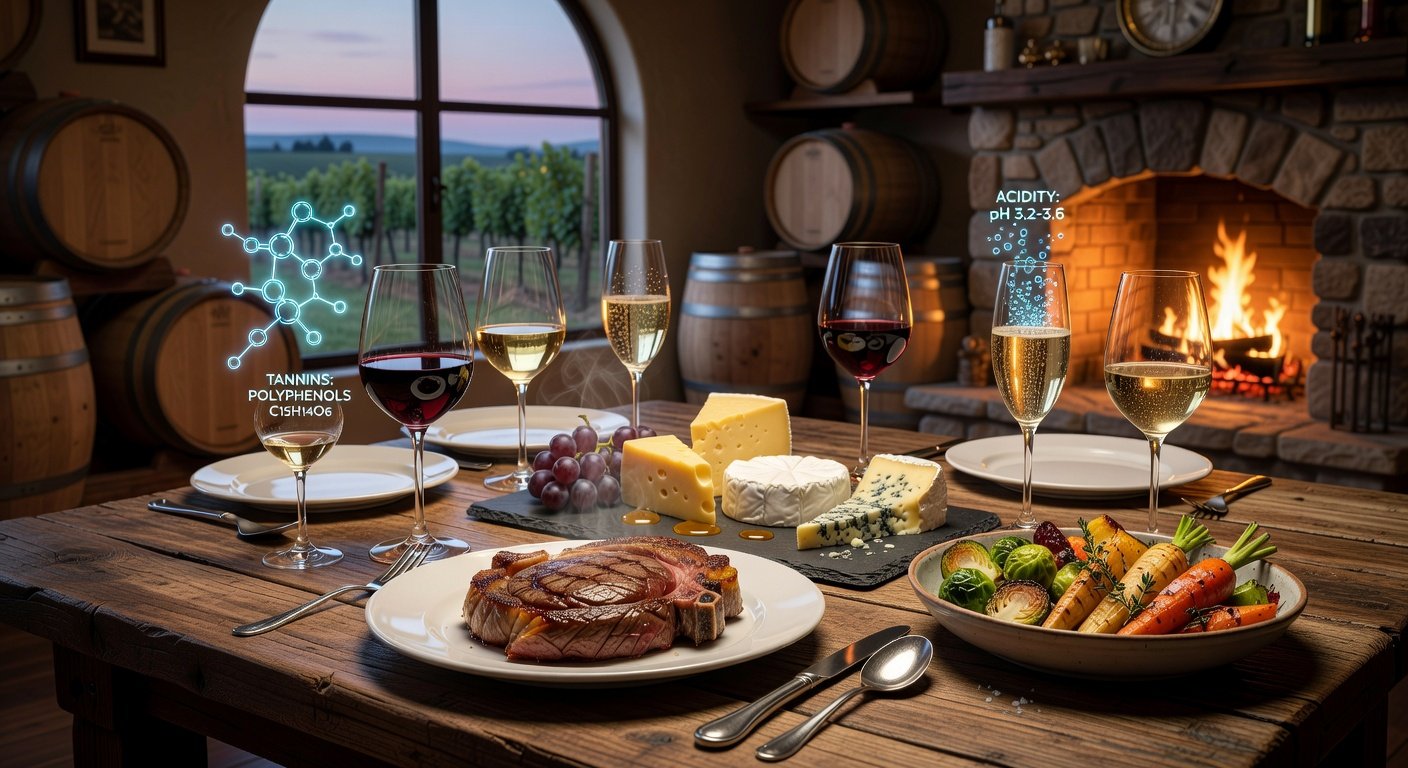
Wine pairing isn't just art—it's science. At its core, successful matches hinge on balancing key wine components like acidity, tannins, sweetness, and flavor profiles with food's attributes. When done right, these elements create harmony on the palate; when mismatched, they clash. Understanding the chemistry empowers anyone to elevate meals from good to unforgettable.
Acidity in wine acts like a reset button, cutting through rich, fatty foods to refresh the taste buds. Tannins, derived from grape skins and oak, provide structure and a drying sensation, ideal for proteins. Sweetness counters heat and spice, while flavor profiles—fruity, earthy, herbal—mirror or contrast food notes for synergy.
Acidity: The Brightener
High-acidity wines, like Sauvignon Blanc or Chianti, excel with creamy dishes. Scientifically, acids (tartaric, malic, citric) mimic saliva production, cleansing fat. A study from the UC Davis Viticulture & Enology highlights how acidity neutralizes fatty acids in food, preventing a heavy mouthfeel.
Tannins: The Protein Partner
Tannins bind to proteins in meat, softening both. Robust Cabernet Sauvignon or Nebbiolo tames grilled steak by polymerizing with amino acids, reducing astringency over time—a process called "protein precipitation."
Sweetness and Flavor Profiles
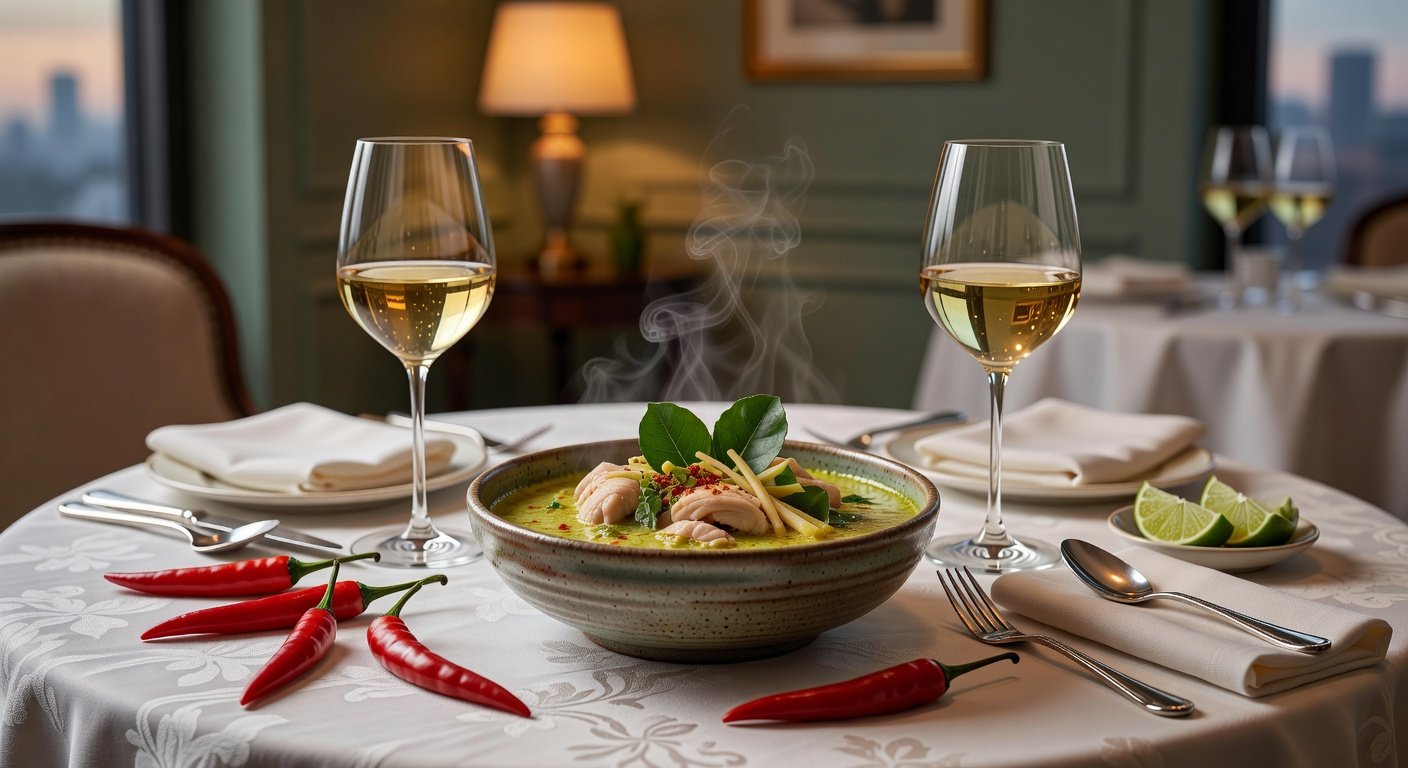
Sweet Riesling douses spicy Thai, as residual sugar tempers capsaicin's burn. Flavor profiles follow "like with like" (e.g., earthy Pinot Noir with mushrooms) or contrast (sweet wine with salty cheese).
Sommelier-Approved Examples
Sommeliers from the Court of Master Sommeliers swear by these pairings, tested in high-end kitchens.
Meats
- Grilled Ribeye: Cabernet Sauvignon—tannins grip the fat, blackcurrant notes match char.
- Roast Lamb: Syrah/Shiraz—peppery spices align with gamey meat.
- Poultry: Chardonnay—oakey creaminess echoes buttery skin.
Cheeses
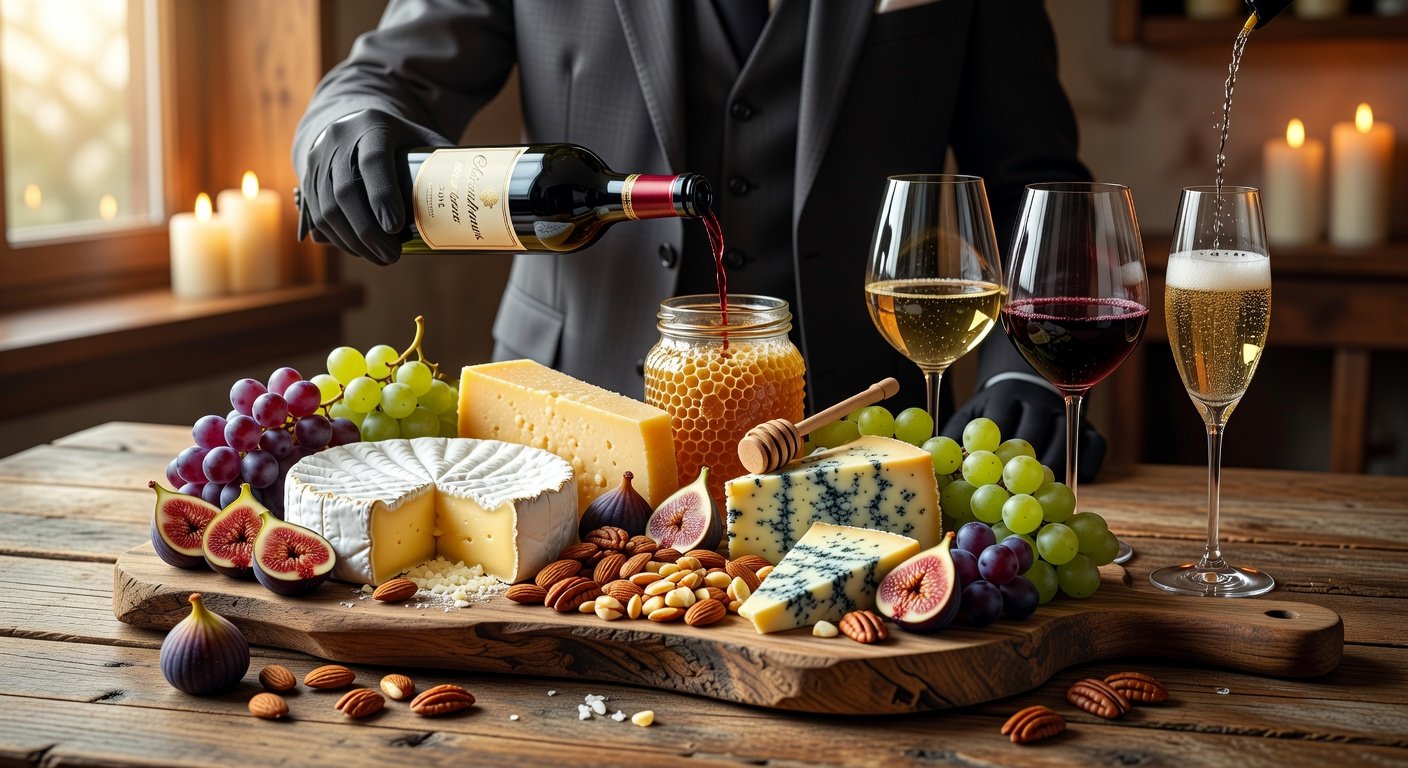
- Brie (soft, creamy): Champagne—bubbles and acidity slice through.
- Blue Cheese: Sweet Sauternes—honeyed sweetness battles bold funk.
- Hard Cheddar: Zinfandel—jammy fruit cuts sharpness.
Vegetables
- Roasted Beets: Pinot Noir—earthy beet meets light earthiness.
- Asparagus: Sauvignon Blanc—grassy herbs complement vegetal notes.
- Grilled Eggplant: Tempranillo—smoky tannins enhance char.
2026 Trends: Molecular Gastronomy Pairings
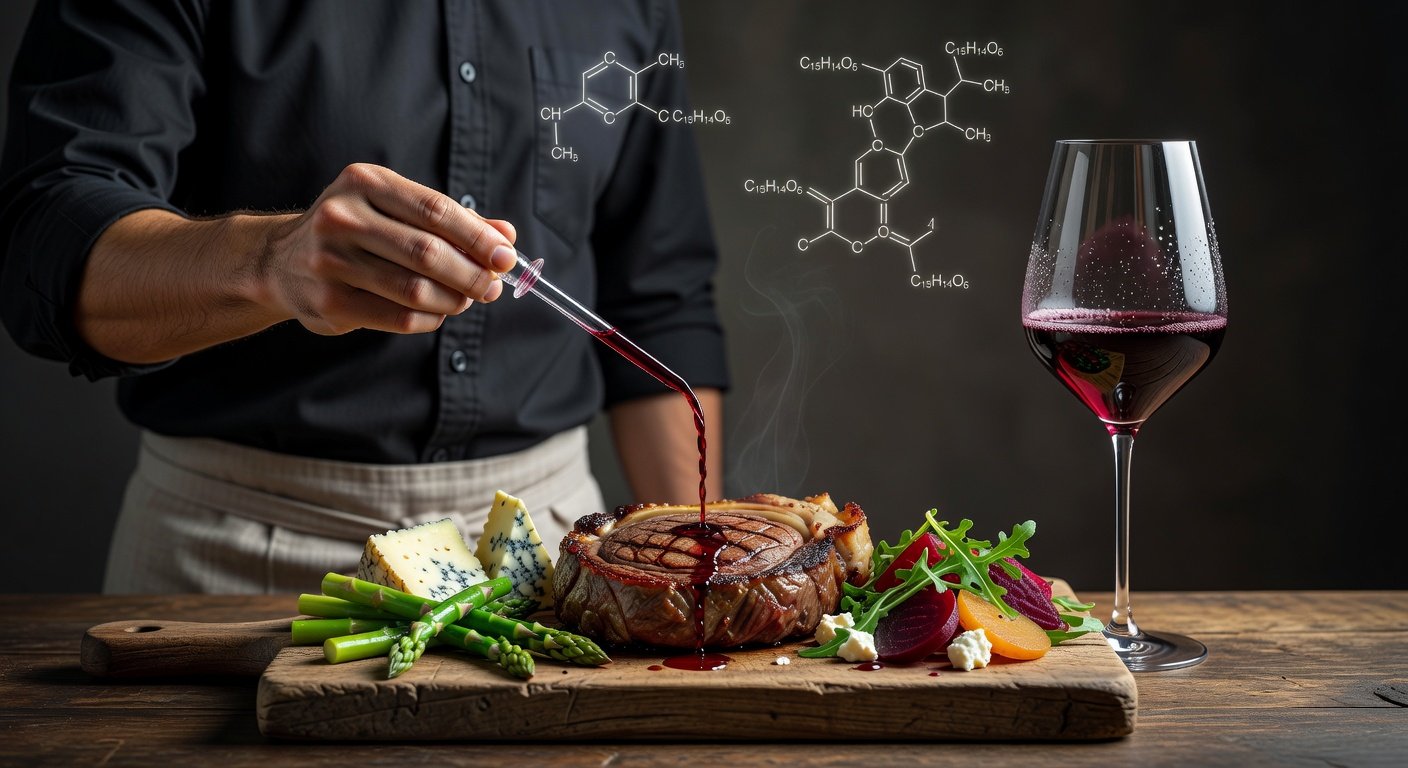
Looking to 2026, molecular gastronomy is revolutionizing pairings. Chefs like Ferran Adrià's successors use spherification and foams, demanding precise wines. Trends from Wine Spectator forecasts:
- Spherified Olives with Fino Sherry: Salty spheres burst against nutty, oxidative sherry.
- Yogurt Foam & Sparkling Chenin Blanc: Effervescence lifts airy dairy.
- Deconstructed Ceviche & Albariño: Citrus acidity amplifies gelled lime.
- Edible Soils (mushroom dirt) & Natural Orange Wines: Funky skins echo umami earth.
These push boundaries, blending wine's volatiles with food's emulsions for explosive flavors.
Practical Tips to Avoid Mismatches
Steer clear of pitfalls with these hacks:
- Match Weight: Light fish? Light Pinot Grigio. Heavy braise? Bold Malbec.
- Bridge with Sauce: If main mismatches, pair to dominant sauce (tomato = Sangiovese).
- Test Temperature: Chill reds slightly for tannin taming; warm whites for aroma.
- Acid Check: Squeeze lemon—if it perks food, add acidic wine.
- Sweet Rule: Wine must be sweeter than dessert or spicier than dish.
Experiment at home: Start with tasting flights. Note how tannins evolve post-protein. Apps like Vivino aid, but palate rules.
Elevate Your Home Dining
Mastering this science turns Tuesday dinner into sommelier-worthy. Next steak night, grab that Cab—science (and taste buds) will thank you. Pair boldly, sip mindfully, dine exceptionally.
No comments yet. Be the first!