 Uncorked Conversations
Why Spicy Foods Challenge Wine Pairings
Spicy dishes ignite your palate with capsaicin-induced heat, making traditional wine pairings tricky. A bold red might amplify the burn, while a light white could get lost. Sommeliers master this by focusing on balance: acidity cuts through spice, sweetness counters heat, and low tannins prevent bitterness. This guide draws from expert insights to help you pair like a pro.
The Science Behind Balancing Heat
Heat from chilies triggers a cooling sensation response, but wine's alcohol and tannins can intensify it. Key principles:
- Acidity: High-acid wines refresh the palate, mimicking saliva production to tame spice.
- Sweetness: Off-dry or sweet wines neutralize capsaicin's burn without cloying.
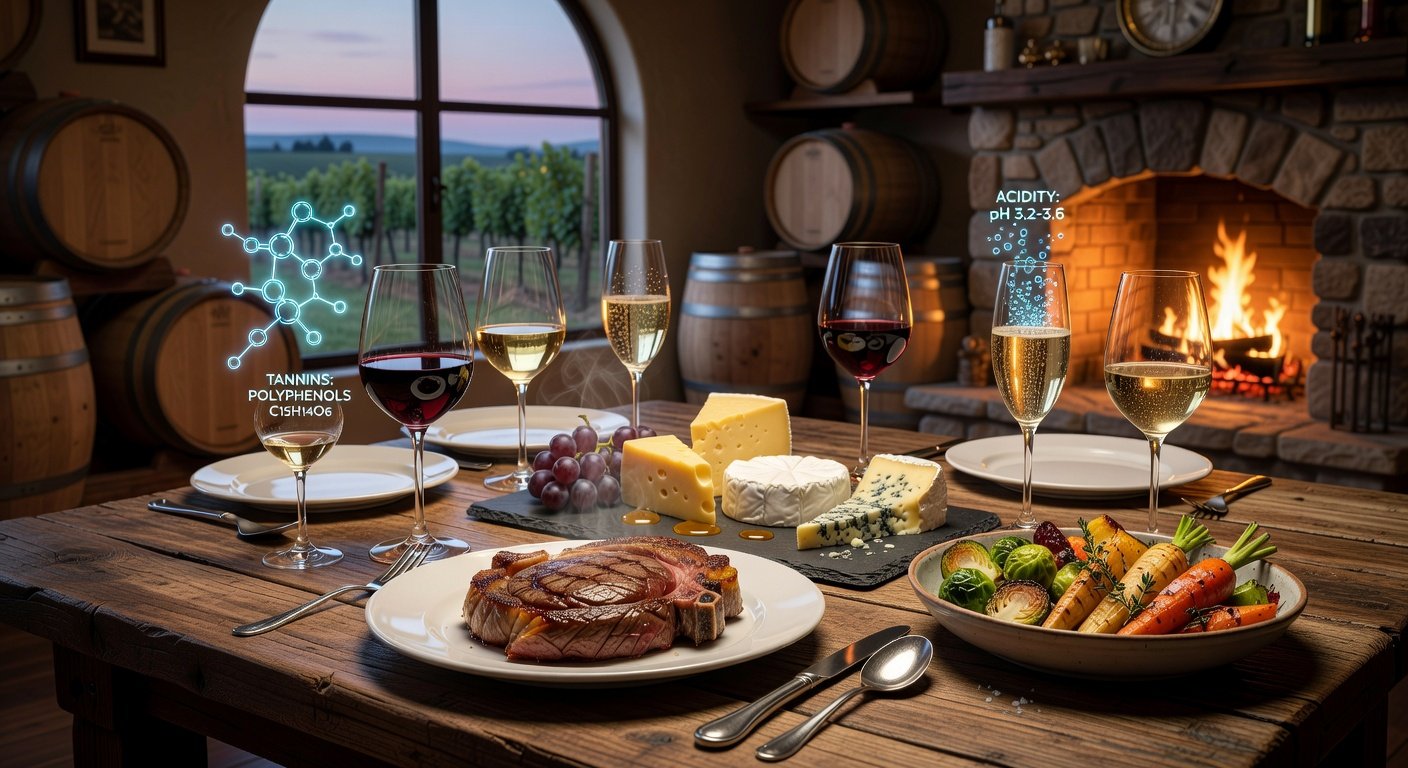
- Low Tannins: Avoid high-tannin reds; opt for whites, rosés, or light reds.
- Alcohol Level: Lower ABV (under 13%) prevents amplifying heat.
For deeper science, check resources from Food & Wine.
Step-by-Step Guide to Mastering Pairings
Follow these sommelier steps for any spicy meal:
- Assess Spice Level: Mild (e.g., garam masala)? Go versatile. Medium-hot (sriracha)? Sweet whites. Fiery (habanero)? Very sweet or sparkling.
- Identify Dominant Flavors: Fruity spice (ginger)? Aromatic whites. Earthy (cumin)? Off-dry rosé.
- Select Wine Style: Prioritize German Riesling (Kabinett), Gewürztraminer, or Prosecco.
- Taste and Adjust: Sip wine alone first, then with food. Chill whites to 45-50°F.
- Experiment with Temperature: Slightly warmer whites enhance fruitiness against cold spicy salads.
Classic Pairings That Never Fail
These tried-and-true matches showcase balance in action:
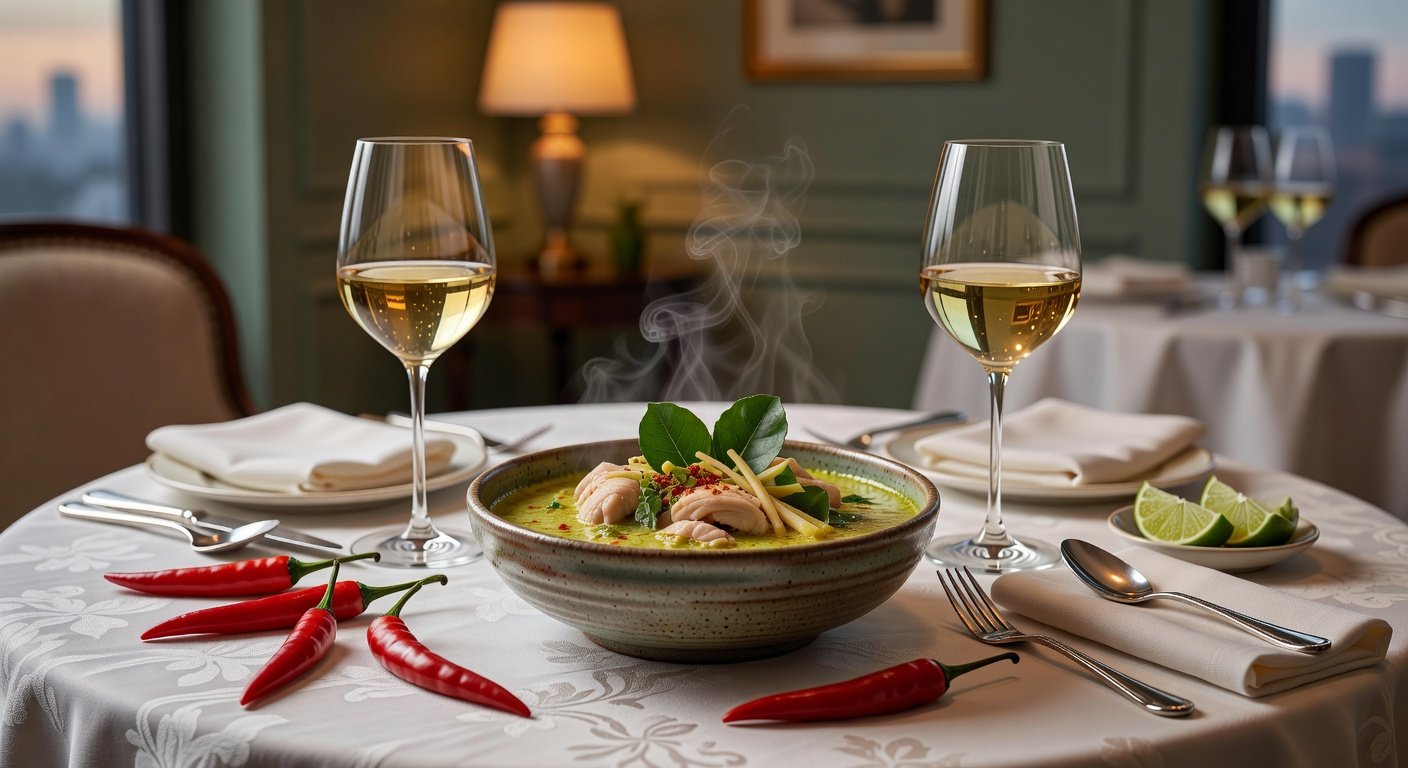
- Riesling with Thai Curry: Off-dry German or Alsatian Riesling's peach and citrus notes plus acidity slice through coconut-green curry heat. Try Dr. Loosen Estate Riesling.
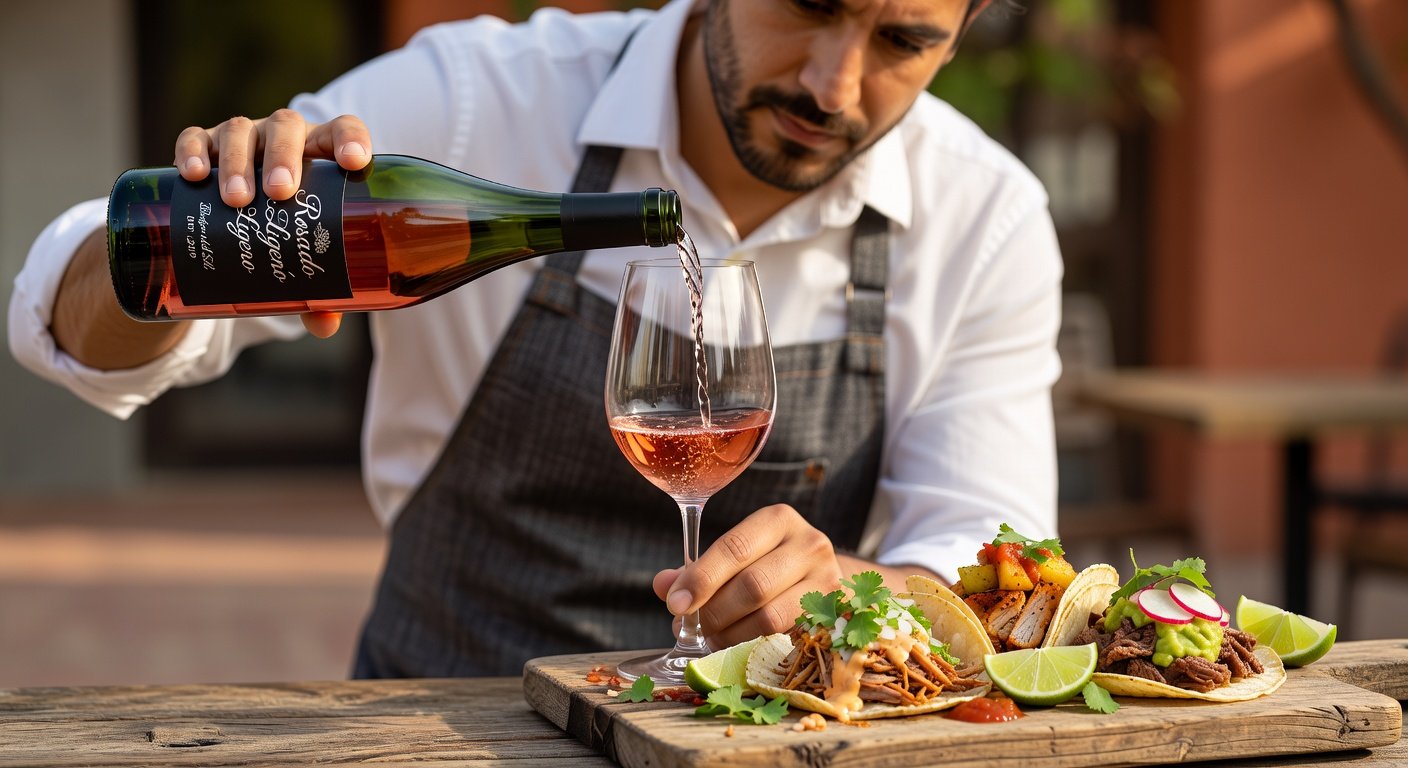
- Off-Dry Rosé with Mexican Tacos: Grenache-based rosés from Provence offer strawberry sweetness and crispness for al pastor or carnitas spice.
- Gewürztraminer with Indian Vindaloo: Lychee-like aromatics and residual sugar from Alsace tame gochujang-level fire.
- Prosecco with Buffalo Wings: Bubbles and green apple acidity cut creamy-hot sauce.
- Pinot Gris with Szechuan: Oregon's pear and spice notes match numbing mala heat.
Pro Tips for Adjusting by Spice Levels
Tailor pairings dynamically:
- Mild Spice (1-3/10): Lightly oaked Chardonnay or Sauvignon Blanc for herbal notes.
- Medium (4-6/10): Off-dry Chenin Blanc from Loire Valley—apple sweetness balances.
- Hot (7-9/10): Ice wine or late-harvest Riesling; sweetness dominates.
- Extreme (10/10): Sparkling: Cava or Lambrusco's effervescence scrubs the palate.
Pro hack: Add a pinch of salt to wine for spicy foods—it enhances fruit and dulls perceived heat.
Common Pitfalls to Avoid
Even experts slip up. Steer clear of:
- High-Tannin Reds: Cabernet amplifies spice—opt for Gamay instead.
- Dry Whites Only: They accentuate burn; always lean slightly sweet.
- Ignoring Dish Components: Creamy spicy (tikka masala)? Buttery Chardonnay works better than bone-dry.
- Over-Chilling: Mutes aromatics needed to combat spice.
- Matching Heat with Heat: High-ABV Zinfandel worsens the fire.
Avoid these with guidance from Wine Spectator.
2026 Spice Trend Pairings for Global Fusion
As fusion cuisine booms, 2026 spotlights bold hybrids. Pairings evolve:
- Korean-Mexican Tacos (Bulgogi Birria): Sparkling Pet-Nat for fermented funk and spice.
- Thai-Italian Pasta (Pad See Ew Carbonara): Verdicchio's almond acidity bridges soy-basil heat.
- Indian-Japanese Curry Ramen: Koshu white from Japan—crisp, low alcohol for miso-chili fusion.
- Middle Eastern Fusion Shawarma Burritos: Turkish Emir sparkling for sumac-harissa balance.
- Peruvian-Nikkei Ceviche Tacos: Albariño's salinity matches aji amarillo fire.
Trends predict sweeter sparkling wines rising, per Decanter.
Elevate Your Next Spicy Feast
Mastering these pairings transforms dinners into symphonies of flavor. Start with Riesling-Thai classics, experiment with tips, and dodge pitfalls. Your palate—and guests—will thank you. Uncork boldly!
No comments yet. Be the first!