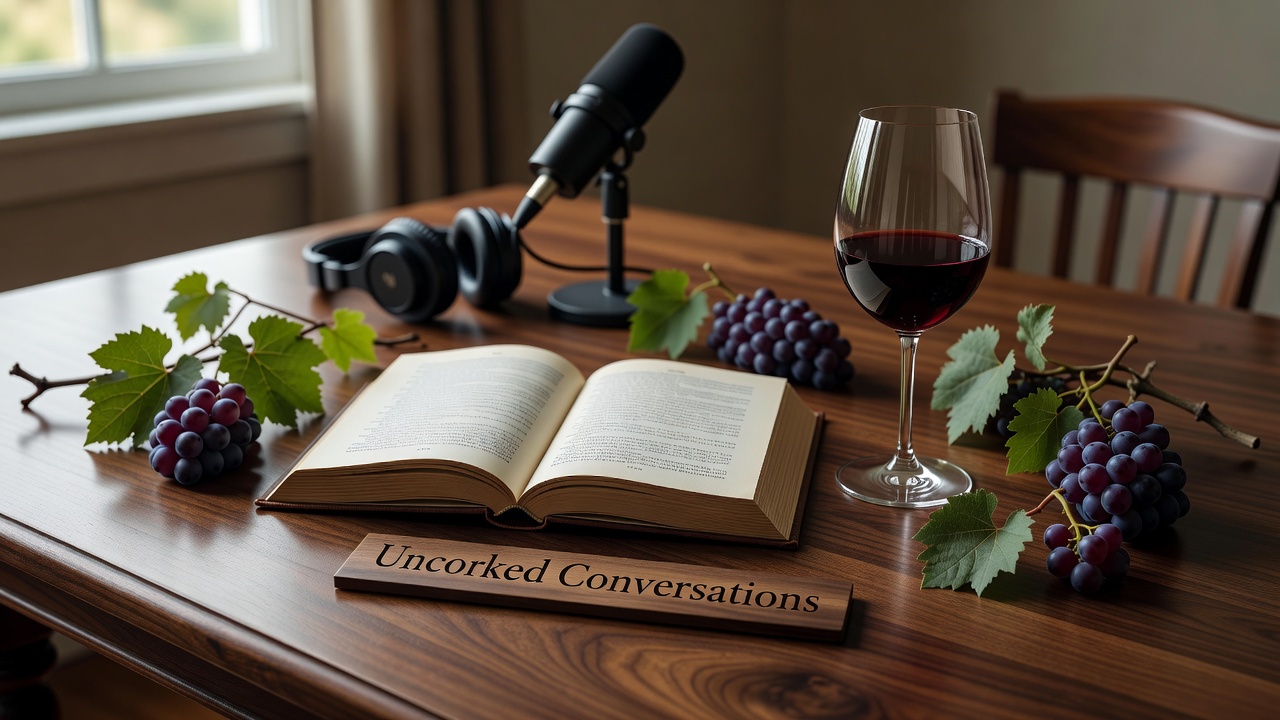
 Uncorked Conversations
Introduction to Wine Tasting with Uncorked Conversations
The Uncorked Conversations wine podcast stands out as a premier resource for anyone looking to deepen their understanding of wine through expert interviews and practical discussions. Across dozens of episodes, hosts and guests explore the nuances of sensory evaluation, drawing from real-world experiences in vineyards and cellars. This comprehensive guide compiles the most effective wine tasting techniques shared in those conversations, offering listeners actionable strategies to refine their palate. Whether you are a beginner curious about basic methods or an intermediate taster aiming for professional-level precision, the insights from the podcast provide a structured path forward. By focusing on aroma identification, palate training, and error avoidance, you can transform casual sipping into a deliberate, educational experience that enhances enjoyment of every bottle.
Navigating the Aroma Wheel Like a Pro
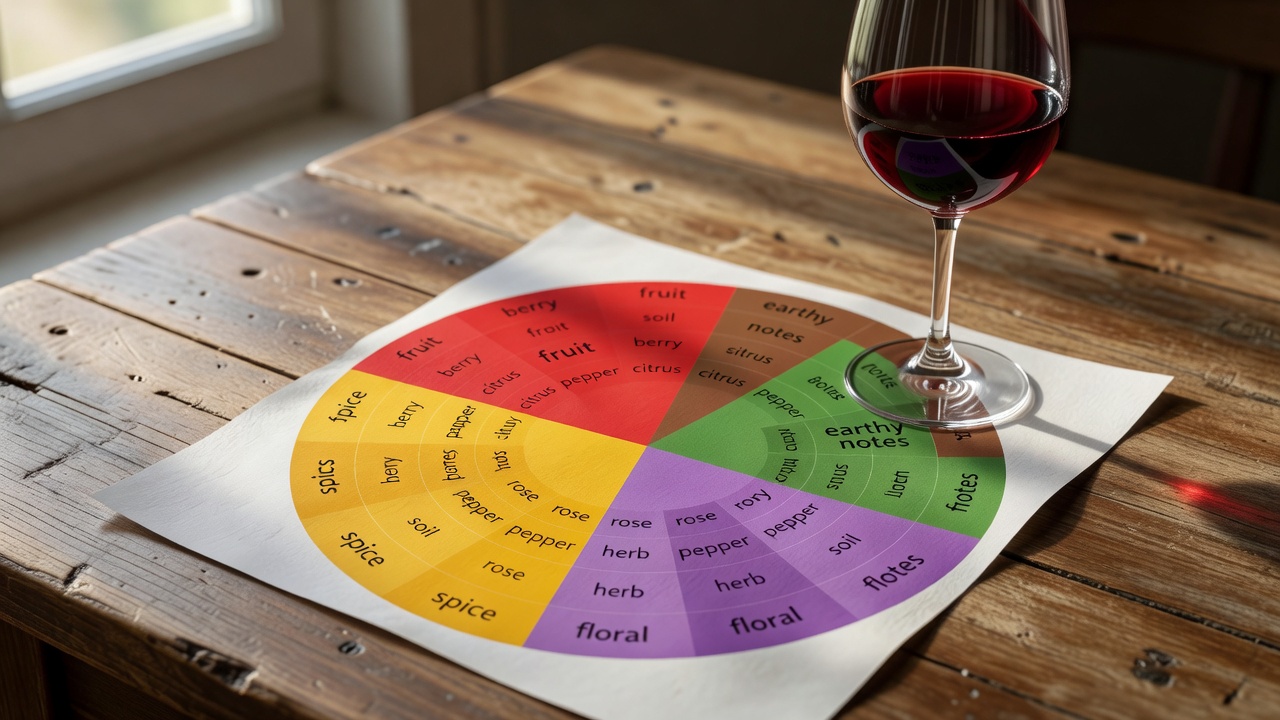
Many episodes of the Uncorked Conversations wine podcast emphasize the aroma wheel as an essential starting point for accurate sensory analysis. Originally developed by researchers at the University of California, Davis, this visual tool organizes hundreds of potential wine scents into logical categories such as primary fruit notes, secondary spice and oak influences, and tertiary earthy or aged aromas. To use it effectively, begin by pouring a small sample into a standard tasting glass and allowing the wine to breathe for a minute or two. Swirl gently to volatilize the compounds, then take three short, deliberate sniffs while keeping your eyes closed to concentrate. Reference the wheel immediately and assign specific descriptors rather than broad terms. For instance, instead of noting "red fruit," pinpoint whether it leans toward strawberry, raspberry, or cherry. Podcast guests often recommend practicing with known varietals first, such as identifying the petrol note in aged Riesling or the bell pepper character in Cabernet Franc. Over time, this builds a mental library that speeds up identification during blind tastings.
Advanced users extend the exercise by layering aromas: start with the dominant scent, then search for supporting notes hidden beneath it. This mirrors techniques discussed in episodes featuring sommeliers who train for competitions. Consistent practice with the aroma wheel can dramatically improve recall and descriptive vocabulary within just a few weeks.
Palate Calibration Exercises from Podcast Guests
Winemakers and educators appearing on the show frequently share palate calibration routines designed to sharpen taste sensitivity. One widely praised method involves creating simple reference solutions at home using water, sugar, citric acid, and tannin powder to simulate sweetness, acidity, and astringency levels. Taste each solution separately, noting the point at which the sensation becomes detectable, then compare against actual wines. Another exercise compares the same grape from contrasting terroirs, such as Chardonnay from Burgundy versus California, to highlight how climate affects body and acidity. Guests suggest performing these drills in a quiet space with minimal distractions, sipping water between samples to cleanse the palate and recording observations in a dedicated notebook or digital app.
Follow this expanded step-by-step guide for best results: First, select three to five wines with varying profiles and chill or decant as appropriate. Second, assess the attack on the tip of the tongue, mid-palate weight, and lingering finish separately. Third, repeat the flight after a short break to confirm initial impressions. Fourth, vary the order of samples across sessions to prevent positional bias. These exercises, drawn directly from Uncorked Conversations discussions, help calibrate your responses so that subtle differences become more apparent over repeated practice.
Common Tasting Errors and How to Avoid Them
Experts on Uncorked Conversations frequently caution against several pervasive mistakes that undermine accurate evaluation. Rushing the process often leads to missed aromas, while preconceived notions about a wine's origin or price can skew perception. Over-swirling may disperse delicate volatile compounds too quickly, and tasting after consuming strong flavors like garlic, mint, or coffee dulls sensitivity. Temperature control is another frequent oversight; serving whites too cold masks fruit while overly warm reds emphasize alcohol. Environmental factors such as strong lighting, background music, or strong scents from candles also interfere.
- Always taste in a neutral setting with white or off-white walls and minimal ambient odors.
- Use proper ISO or similar tulip-shaped glasses to concentrate aromas effectively.
- Limit flights to four or five wines maximum to prevent palate fatigue.
- Take short breaks and rinse with plain water or neutral crackers between samples.
- Document everything immediately rather than relying on memory later.
By systematically addressing these pitfalls, tasters can achieve more reliable and repeatable results, as emphasized in multiple podcast episodes.
Real Episode Examples with Winemakers
Several standout episodes illustrate these techniques in action through conversations with working professionals. One discussion with a Burgundy vigneron detailed a vertical tasting of multiple vintages of Pinot Noir, demonstrating how vintage-specific weather patterns influence acidity retention and fruit ripeness. Listeners learned to detect subtle shifts in earthiness and red berry notes across years. Another episode featured a Napa Valley producer comparing old-vine Cabernet Sauvignon against younger plantings, highlighting differences in tannin grip and mid-palate density. A third conversation explored aromatic whites from the Loire Valley, where the guest walked through blind identification using the aroma wheel to isolate citrus and mineral components. These real-world examples provide concrete models that home tasters can replicate with readily available bottles.
Comparison of Varietals Discussed on the Podcast
Recurring themes on the Uncorked Conversations wine podcast include side-by-side comparisons of popular varietals. Riesling typically presents pronounced acidity and stone-fruit or floral aromas with potential for petrol development in age-worthy examples. In contrast, Cabernet Sauvignon delivers dark fruit, cassis, and structured tannins that soften with time. Chardonnay ranges from crisp, apple-driven styles in cooler climates to richer, oak-influenced profiles with buttery textures. Syrah often shows peppery spice and dark berry notes that vary dramatically between Northern Rhône and Australian expressions. Keeping a simple comparison chart helps listeners track these traits across episodes and apply them during personal tastings for faster recognition.
Setting Up a Home Tasting Station
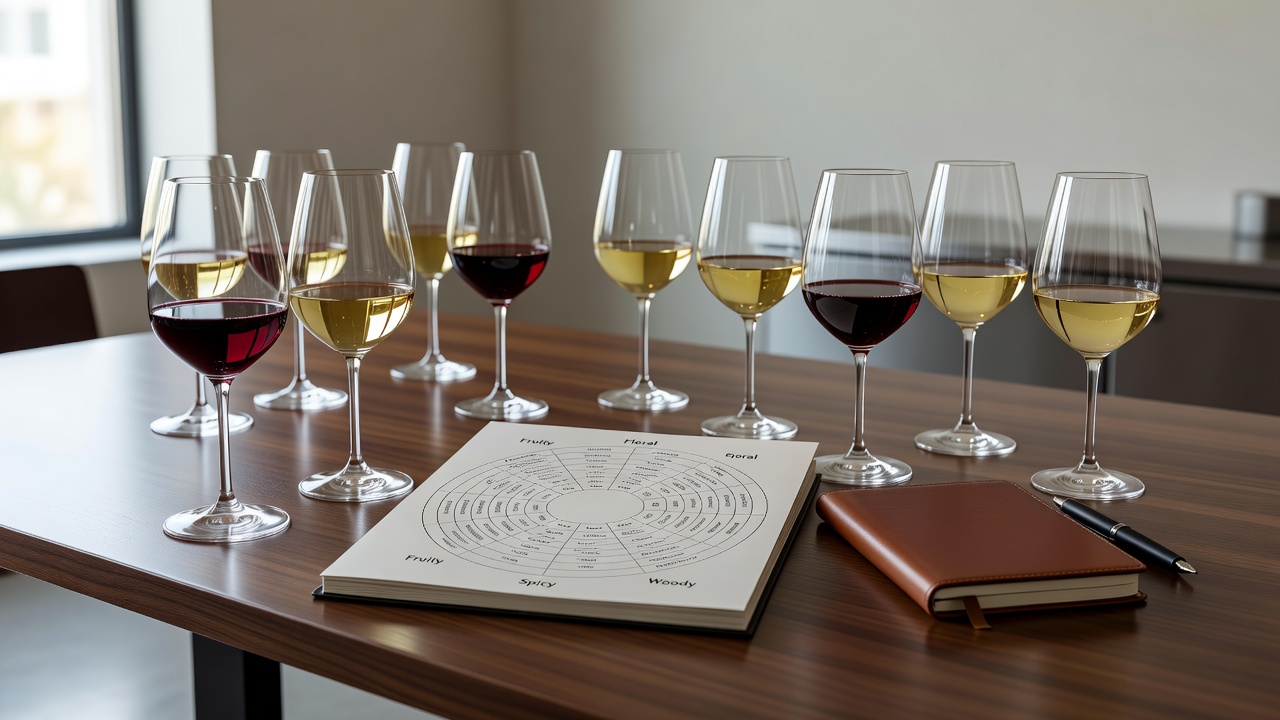
Creating a consistent environment at home supports regular practice. Select a quiet corner with good natural or neutral artificial light, a sturdy table, and storage for glassware. Essential tools include a set of tasting glasses, an aroma wheel printout, a decanter for older reds, a thermometer for precise serving temperatures, and a notebook for logging impressions. Many enthusiasts begin with basic ISO glasses before investing in specialized sets. Maintain the station free of competing odors and stock neutral palate cleansers like plain water and unsalted crackers. Over time, this dedicated space encourages more frequent and focused sessions.
Frequently Asked Questions
How often should I practice tasting?
Short weekly sessions of 30 to 45 minutes produce measurable improvement in aroma recognition and descriptive accuracy within four to six weeks according to regular podcast listeners.
Do I need expensive equipment?
High-quality glasses and a reliable aroma wheel suffice for meaningful progress; the core requirement remains consistent, mindful practice rather than costly accessories.
Can I apply these techniques to food pairing?
Yes. Heightened sensory calibration directly improves your ability to match wine intensity, acidity, and tannin with complementary dish elements for more harmonious pairings.
What if I cannot detect certain aromas?
Start with familiar wines and reference samples; repeated exposure gradually expands your detectable range as discussed in several Uncorked Conversations episodes.
Conclusion
Techniques shared throughout the Uncorked Conversations wine podcast equip listeners with professional-grade tools for sensory refinement. By mastering the aroma wheel, performing regular palate calibration, avoiding common errors, and studying real episode examples, anyone can elevate their tasting skills. Additional authoritative resources such as Decanter and Wine Spectator complement these methods with further reading. Begin with a single focused session this week and build steadily; the rewards in appreciation and confidence will follow naturally. For deeper scientific context on aroma compounds, consult materials from UC Davis.
No comments yet. Be the first!