 Uncorked Conversations
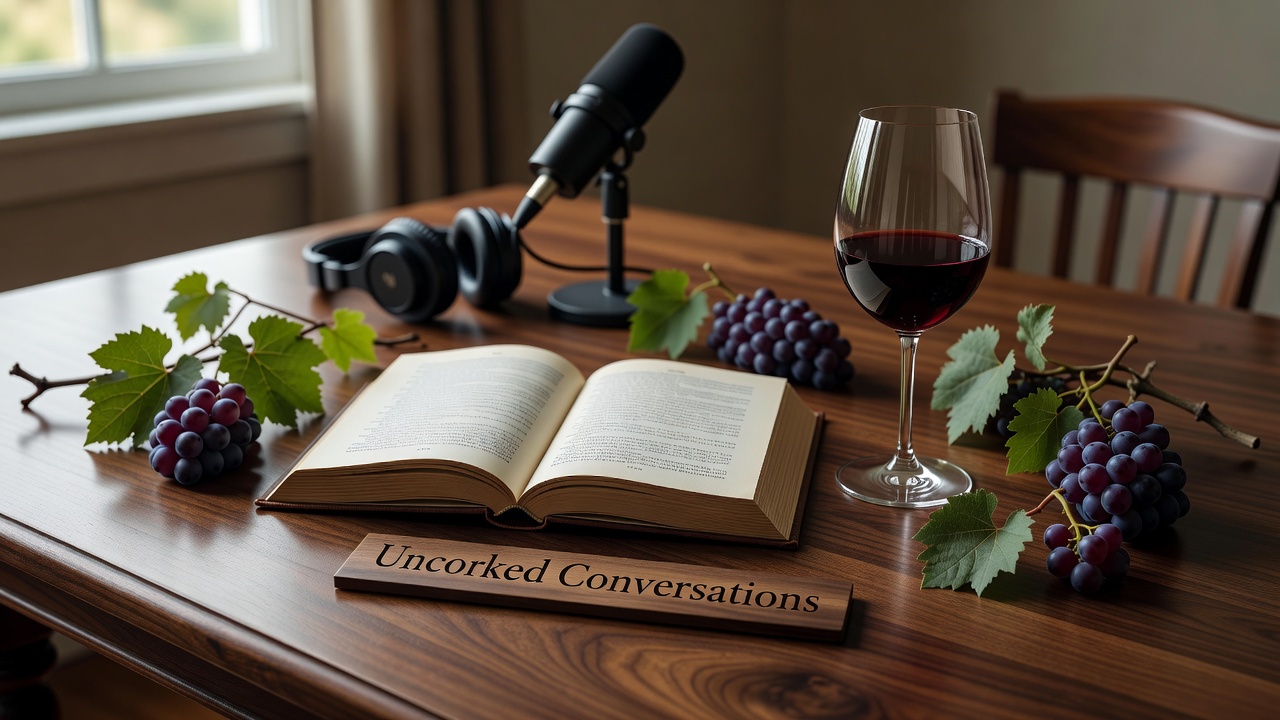
Enhancing Your Wine Podcast Experience with Thoughtful Book Pairings
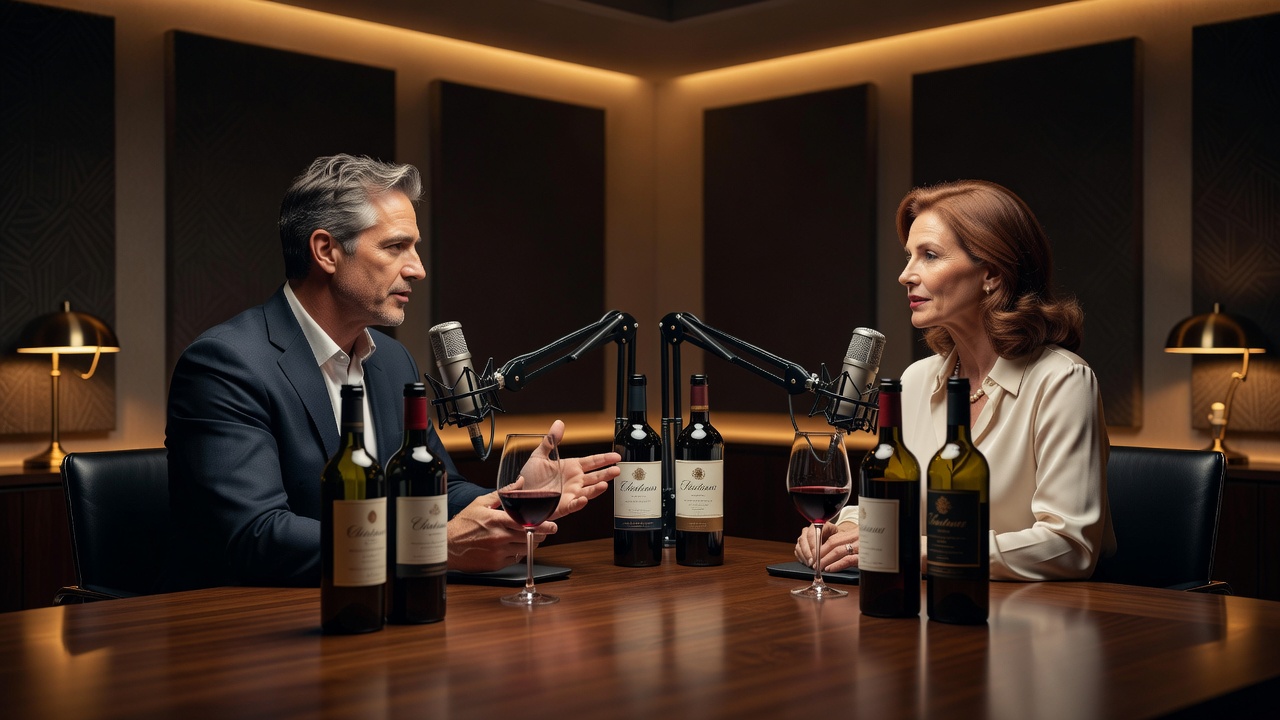
Listeners of the Uncorked Conversations wine podcast often seek deeper connections to the winemaker stories and regional insights shared in each episode. Pairing books with these vino talks creates a richer, cross-media journey that blends literature and sensory exploration. This approach transforms passive listening into an immersive activity for wine enthusiasts looking to expand their knowledge of terroir, history, and culture. By integrating reading with audio content, participants can explore the emotional and technical nuances of winemaking in ways that traditional formats cannot achieve alone. The Uncorked Conversations series stands out for its intimate interviews, making it an ideal foundation for such creative extensions that appeal to both casual listeners and dedicated oenophiles.
Why Books Complement Uncorked Conversations Episodes
The Uncorked Conversations podcast features in-depth interviews that highlight personal journeys in winemaking. Books add narrative layers, offering historical context or fictional interpretations that mirror the emotional and technical details discussed. This pairing method goes beyond traditional tasting notes by engaging multiple senses and intellect simultaneously. Readers gain insight into the cultural forces shaping a region's wines, from climate challenges to family legacies passed down through generations. For instance, a memoir detailing post-war vineyard recovery can parallel an episode's discussion of resilience in modern viticulture, creating thematic resonance that lingers long after the episode ends.
Selecting Books That Match Wine Regions or Winemaker Stories
Choose titles based on the geographic focus of an episode. For episodes exploring Burgundy, select works like historical accounts of French vineyards or novels set in the region. When an interview centers on a California winemaker, opt for memoirs or stories about the American wine revolution. This targeted selection amplifies the episode's themes and encourages listeners to visualize the landscapes described. Consider matching a conversation on Oregon Pinot Noir with a novel about Pacific Northwest pioneers to echo themes of innovation and adaptation. Similarly, an Italian natural wine episode pairs well with travelogues that capture the rustic charm and traditional methods of Tuscan estates, helping listeners appreciate the authenticity emphasized by the guest.
Step-by-Step Methods for Creating Effective Pairings
- Listen to the full Uncorked Conversations episode and note key themes such as grape varieties or personal challenges faced by the winemaker.
- Research books that echo those elements through setting, character development, or factual depth, using library catalogs or literary databases for inspiration.
- Sample the featured wine while reading relevant chapters to align flavors with emotional beats in the story, noting how acidity or tannins interact with plot tension.
- Reflect on connections in a journal to solidify the experience for future reference and share insights in online forums dedicated to wine podcasts.
- Experiment with seasonal timing, such as pairing a harvest-themed book with an autumn episode to heighten sensory alignment.
Real Episode Examples from the Podcast
Consider an episode featuring a winemaker from Oregon's Willamette Valley. Pair it with a novel exploring Pacific Northwest pioneer life to capture the pioneering spirit of sustainable viticulture. Another example involves a conversation on Italian natural wines; matching it with a travel memoir about Tuscany creates parallels between the host's anecdotes and the author's observations of local traditions. A third instance could involve a Burgundy-focused interview paired with a historical fiction title set during the French Revolution, highlighting how political upheaval influenced early appellation systems still relevant today. These examples demonstrate how pairings turn individual episodes into extended learning modules that foster repeat listens and deeper community engagement among fans of the Uncorked Conversations series.
Authoritative resources like Decanter offer regional guides that support informed book selections for these pairings.
Comparing Book Pairings to Traditional Tasting Notes
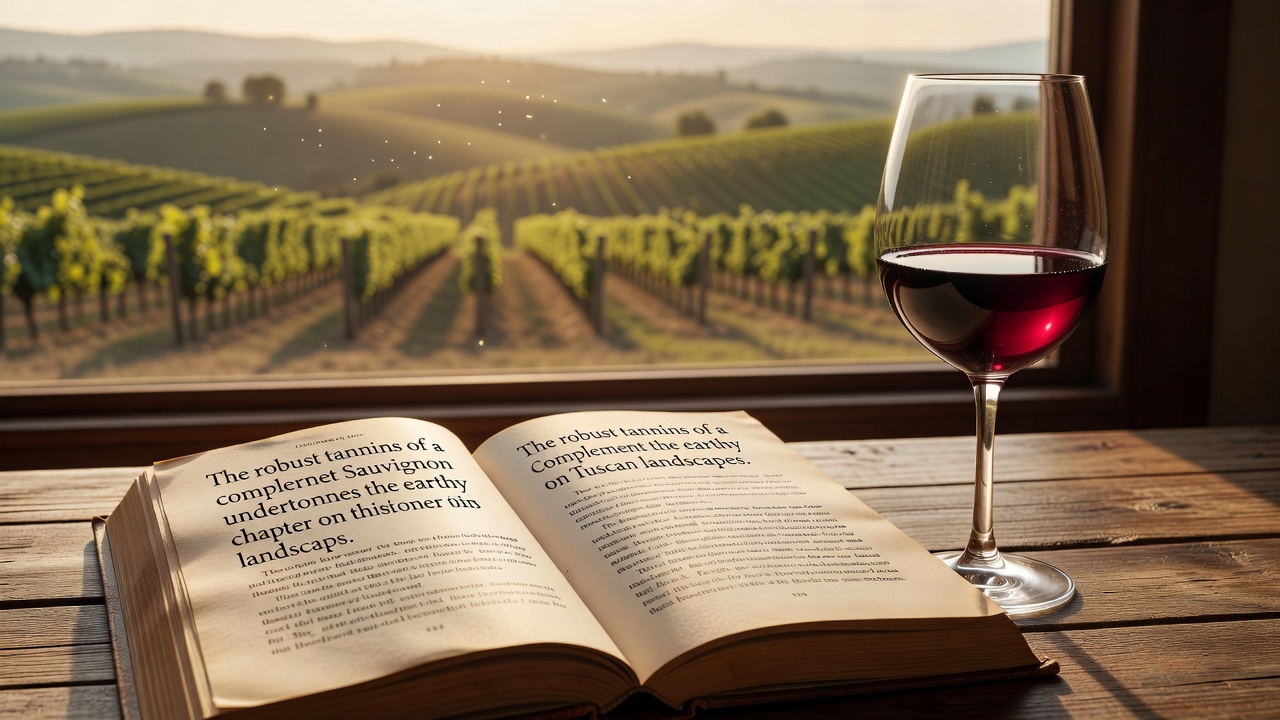
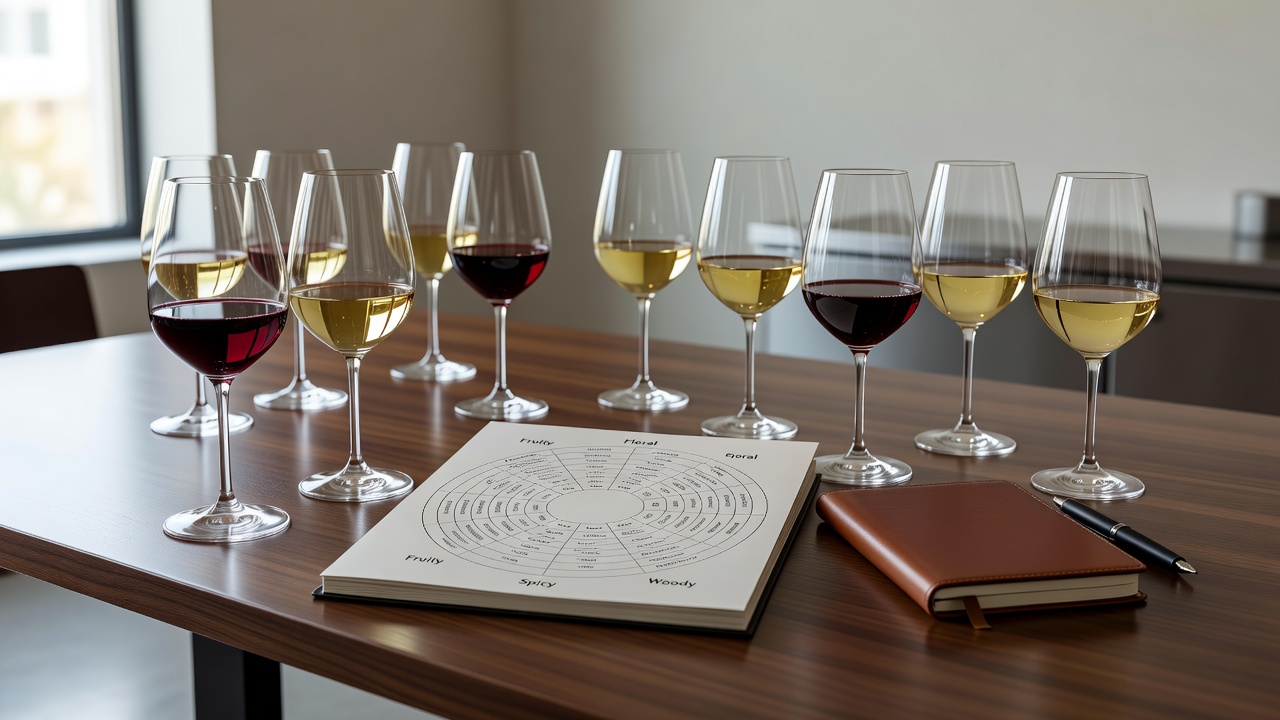
Traditional tasting notes focus on aroma, palate, and finish in a concise format. Book pairings extend this by incorporating storytelling, allowing listeners to explore cultural backstories that influence flavor profiles. While tasting notes deliver immediate sensory data, literature fosters long-term appreciation and discussion points that linger beyond the glass. Tasting notes excel in precision for quick reference during events, yet they often overlook the human stories behind each bottle. In contrast, book pairings encourage critical thinking about how historical events or personal struggles shape winemaking decisions, leading to more meaningful conversations at gatherings or online discussions inspired by Uncorked Conversations.
Practical Tips for Hosting Book Discussion Segments
- Start sessions with a brief recap of the Uncorked Conversations episode to ground the group and refresh key details for all attendees.
- Prepare 3-5 discussion questions linking plot points to winemaking techniques, such as how a character's perseverance mirrors a winemaker's approach to challenging vintages.
- Incorporate blind tasting elements where participants guess wine styles based on book descriptions, enhancing both literary and sensory skills.
- Encourage attendees to bring their own pairing suggestions for collaborative learning and to build a shared resource list over multiple meetings.
- Keep sessions to 60-90 minutes to maintain engagement without overwhelming participants, allowing time for wine service and open dialogue.
- Provide optional digital tools like shared reading apps to track progress between sessions and maintain momentum for ongoing groups.
Common Mistakes to Avoid in Book and Wine Pairings
One frequent error is selecting overly dense academic texts that overshadow the enjoyment of the wine itself. Instead, balance intellectual depth with readable narratives that complement the conversational tone of Uncorked Conversations. Another pitfall involves ignoring seasonal availability of wines, which can disrupt the pairing's harmony. Always verify current vintages through reputable retailers before finalizing choices. Finally, avoid forcing connections that feel artificial; let natural thematic overlaps guide the process for authentic results that resonate with listeners.
FAQ: Addressing Common Pairing Challenges
How do I handle episodes without a clear regional focus?
Focus on thematic elements like resilience or innovation in winemaking and select biographies or motivational reads that parallel the guest's journey, broadening the pairing beyond geography.
What if the recommended book feels too long?
Choose shorter essays or audiobooks that allow multitasking during commutes while still tying into the vino talks narrative, or break longer works into segmented reading aligned with multiple episodes.
Can pairings work for group events?
Yes, rotate book selections among participants and use the Uncorked Conversations structure as a template for moderated discussions that encourage diverse perspectives.
How should I source affordable wines for these pairings?
Explore local wine shops or subscription services for accessible options that match episode profiles, ensuring the focus remains on the experience rather than cost barriers.
Conclusion: Elevating Wine Podcast Listening
Integrating books with Uncorked Conversations creates memorable experiences that deepen appreciation for wine culture. By following these methods, enthusiasts transform each episode into a multifaceted adventure worth revisiting and sharing with others in the community.
No comments yet. Be the first!