 Uncorked Conversations
Introduction: Rethinking Wine Podcasts for 2026 Listeners
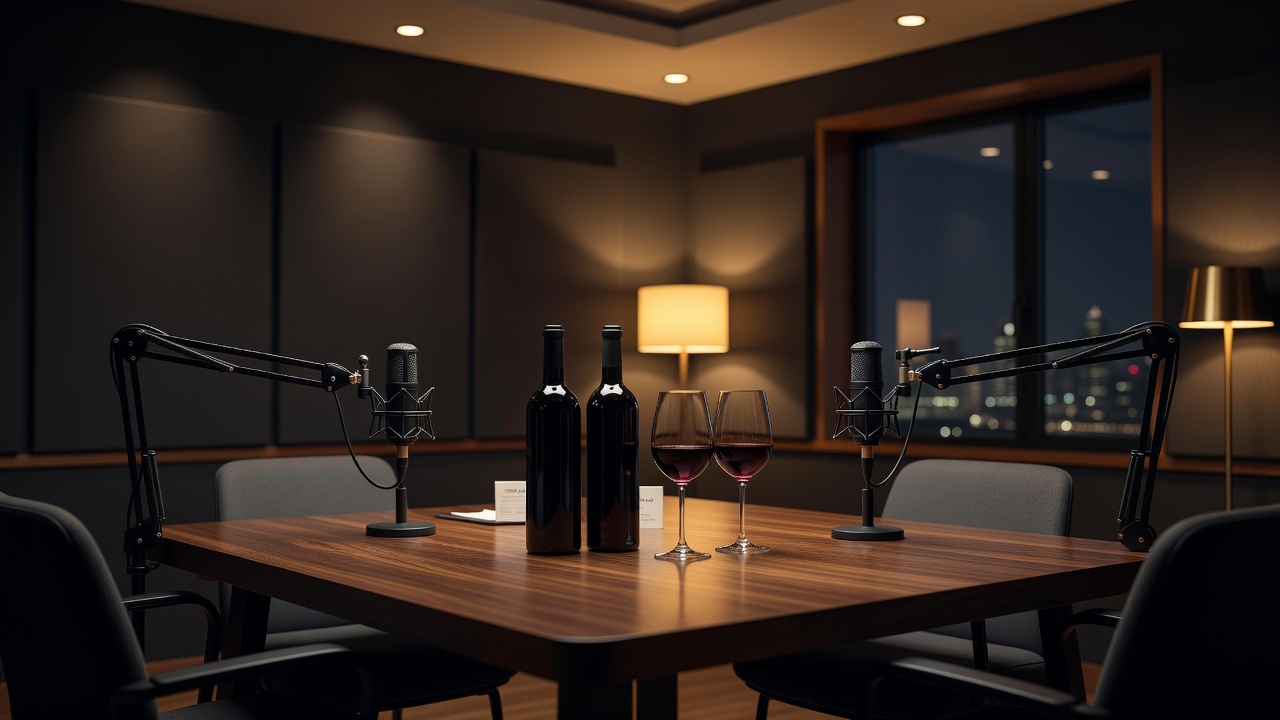
Wine enthusiasts today crave more than static interviews. Modern vino talks must deliver interactive, immersive experiences that mirror the social joy of wine itself. This shift responds to search trends around evolving podcast structures, where audiences seek formats that blend education, entertainment, and participation. Traditional one-on-one chats with winemakers still hold value, but they often feel one-dimensional compared to innovative approaches that foster community and narrative depth. In 2026, listeners expect podcasts to serve as gateways to real-world experiences, whether through guided tastings at home or multi-episode journeys that unfold like a favorite series. By exploring live listener tastings, chef collaborations, and serialized arcs, producers can create content that stands out in a crowded audio landscape. These formats not only boost retention but also align with broader audio trends emphasizing interactivity and sensory engagement. For instance, platforms like Wine Folly highlight how experiential learning enhances wine appreciation, turning passive consumption into active discovery. This article dives deep into each format with actionable steps, real examples, and direct comparisons to conventional interviews, helping creators build more compelling vino talks.
Live Listener Tastings: Turning Passive Listeners into Active Participants
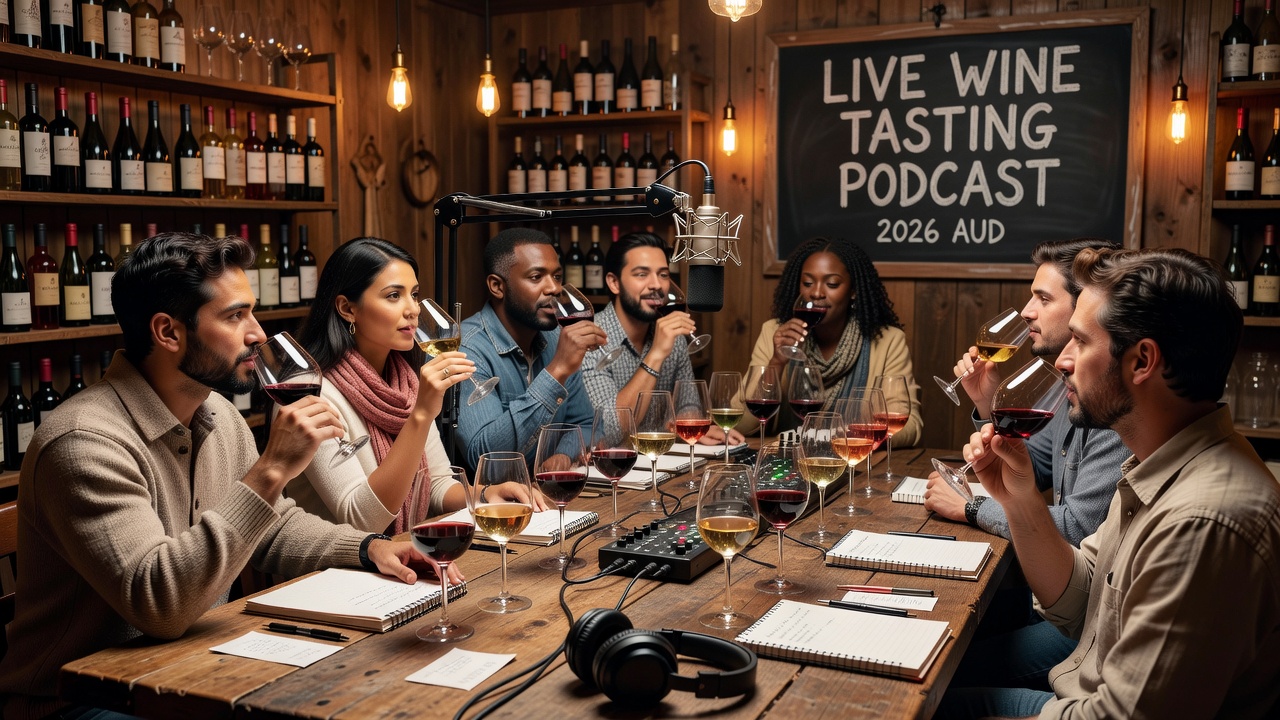
Live listener tastings transform episodes into shared events that break the fourth wall of traditional podcasting. Hosts ship tasting kits to registered listeners or partner with retailers for local pickup, then guide real-time tasting via video or audio streams. This format builds anticipation and community, far surpassing the detached feel of standard interviews where listeners merely absorb information without sensory involvement. The key advantage lies in multisensory engagement: participants taste alongside the host, note aromas, and share reactions in real time, creating a collective experience that deepens emotional connections to the wines discussed.
Practical Steps for Implementation
Begin by selecting 3-4 wines with clear themes, such as regional varietals or vintage comparisons, and source affordable shipping partners to keep logistics manageable. Provide digital tasting notes and aroma wheels in advance via email or a dedicated app. Schedule sessions on platforms supporting live chat, record the audio for on-demand release, and encourage social media shares with branded hashtags. Test small groups first to refine timing and technical flow before scaling to larger audiences. Always include disclaimers about responsible consumption and age verification for participants.
Real-World Examples and Benefits
Real examples include episodes from popular wine shows where listeners reported higher satisfaction due to the sensory involvement, with one series seeing repeat participation rates increase noticeably after introducing live elements. Compared to traditional formats, live tastings increase engagement metrics by encouraging questions during the session and fostering post-episode discussions in online communities. Challenges like logistics and shipping costs are offset by stronger listener loyalty and opportunities for sponsorships from wine retailers. This approach also generates user-generated content that can be repurposed for social promotion, extending the episode's reach far beyond the initial broadcast.
Collaborative Crossovers with Chefs: Pairing Wine with Culinary Expertise
Chef crossovers add flavor dimensions by merging wine expertise with food science and preparation techniques. Episodes feature joint discussions on pairings, with chefs preparing dishes live or describing techniques that complement specific bottles. This appeals to foodie audiences seeking holistic vino talks that extend beyond the glass into the kitchen. The format shines when hosts and chefs explore unexpected synergies, such as matching bold reds with umami-rich plates or crisp whites with delicate seafood preparations, revealing how acidity, tannins, and textures interact with ingredients.
Practical Steps and Production Advice
Implementation involves identifying complementary experts through local restaurant networks or industry events, scripting loose outlines around themes like seasonal ingredients, and incorporating sensory descriptions that listeners can visualize or replicate. Prepare backup topics in case of timing issues during live segments and record high-quality audio separately from any video elements. Promote episodes with recipe cards or shopping lists to drive listener action and retention.
Examples and Comparison to Traditional Interviews
Successful episodes from shows featured on Decanter demonstrate how these collaborations reveal unexpected synergies and practical takeaways. Unlike solo interviews focused solely on vineyard stories or tasting notes, crossovers provide comparative insights and actionable recipes listeners can replicate at home, enhancing perceived value and encouraging shares. They also attract crossover audiences from food podcasts, expanding reach while maintaining wine-centric depth. Producers should track listener feedback on which pairings resonated most to refine future episodes.
Serialized Storytelling Arcs with Winemakers: Building Narrative Momentum
Serialized arcs follow a winemaker's journey across multiple episodes, covering harvest through bottling and release. This storytelling approach creates cliffhangers and emotional investment, keeping audiences returning week after week. Listeners become invested in characters and plotlines, much like binge-watching a documentary series, while absorbing technical details about viticulture, fermentation challenges, and market decisions along the way.
Steps to Create Compelling Arcs
Steps include mapping a 6-8 episode arc with key milestones, incorporating field recordings from the vineyard, and teasing future installments at each episode's end. Include listener polls to influence minor story directions where possible, such as voting on label designs. Archive all episodes with clear navigation so new listeners can catch up easily.
Examples and Retention Impact
Examples from narrative-driven podcasts show retention rates climbing as listeners follow character development alongside technical details. This format outperforms traditional interviews by creating ongoing anticipation rather than standalone satisfaction, leading to higher subscription rates and community forum activity. It also allows deeper exploration of complex topics like climate impacts on specific vintages without overwhelming single episodes.
Comparisons to Traditional Wine Interviews and Broader Implementation Tips
Traditional interviews excel in focused depth but risk monotony and lower repeat listens. Innovative formats add layers of interaction, variety, and shareability that keep shows relevant for 2026 audiences. To implement any new format, start with audience surveys via email or social polls, test small pilots with core listeners, and analyze feedback metrics such as completion rates and comment volume for refinements. Use affordable recording tools for seamless production and promote across wine communities, forums, and partnerships with retailers. Consider hybrid episodes that blend elements from multiple formats for even greater dynamism.
FAQ: Addressing Production Challenges and Listener Retention Tips
- How do I handle shipping for live tastings? Partner with local distributors or subscription box services to minimize costs, delays, and customs issues while ensuring wines arrive in optimal condition.
- What if crossovers feel scripted or unnatural? Allow natural banter while preparing key pairing facts and prompts in advance; rehearse lightly to maintain authenticity.
- How to maintain momentum in serialized arcs? End episodes with clear teasers, provide brief context recaps at the start of each installment, and release bonus behind-the-scenes content to bridge gaps.
- What are effective tips for listener retention across formats? Incorporate listener polls, offer exclusive bonus episodes for subscribers, and encourage community discussions on dedicated platforms to build ongoing engagement.
- How can smaller producers manage technical requirements? Begin with simple video platforms and scale up based on feedback; focus first on audio quality and storytelling before adding complex visuals.
These strategies ensure vino talks remain fresh, interactive, and compelling, meeting the evolving expectations of modern wine audiences while delivering lasting value.
No comments yet. Be the first!