 Uncorked Conversations
Discovering Hidden Gems in the Wine World
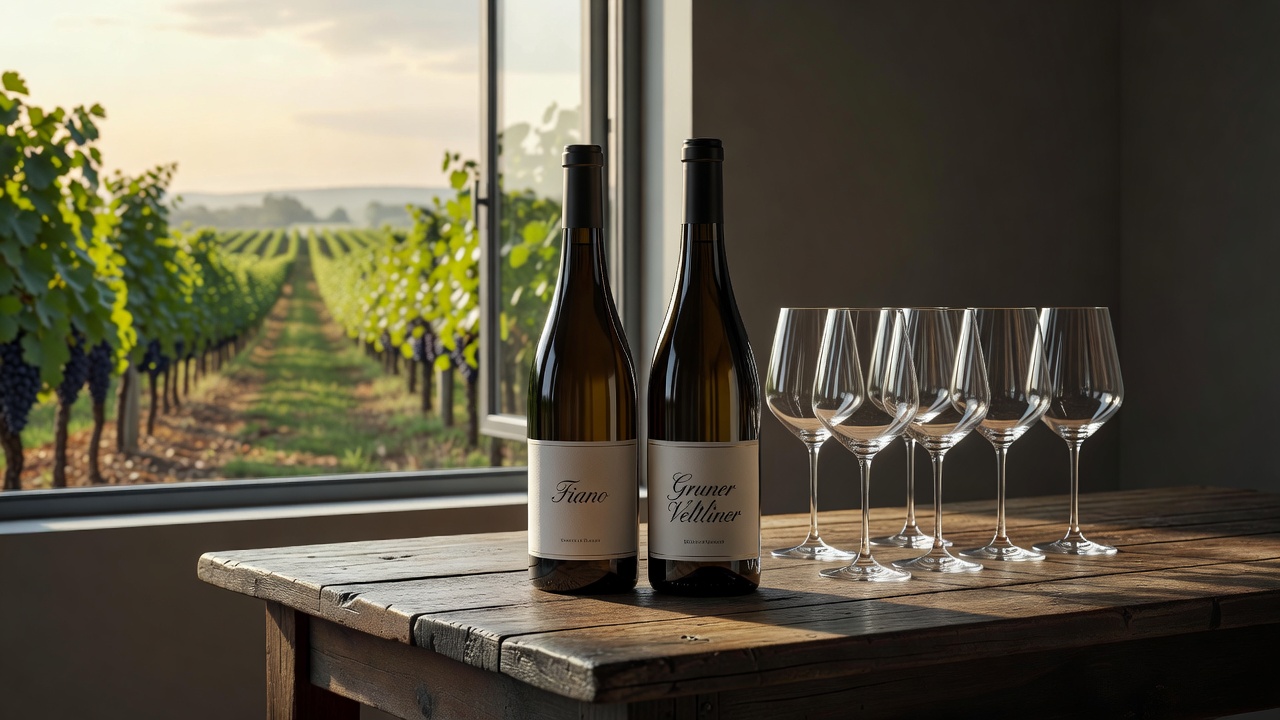
Uncorked Conversations has become a go-to podcast series for wine enthusiasts seeking beyond the usual Cabernet and Chardonnay. In each episode, winemakers and sommeliers share stories about rare grape varieties that deserve more attention. These discussions highlight grapes like Fiano, Grüner Veltliner, Schioppettino, and Assyrtiko that thrive in specific terroirs yet remain under the radar for many drinkers. The appeal lies in their distinct flavors and the chance to expand personal cellars with something truly different. Listeners gain practical knowledge from real experts who work with these varieties daily, learning about cultivation challenges, flavor evolution, and modern winemaking techniques that bring out their best qualities.
By focusing on these lesser-known grapes, the series helps bridge the gap between mainstream wine culture and the rich diversity available to curious tasters. This approach encourages drinkers to move past familiar labels and explore wines that reflect unique regional identities and sustainable practices.
Key Episodes Featuring Rare Grapes
One memorable installment focused on Italian Fiano from Campania. The winemaker described how volcanic soils impart a smoky minerality alongside notes of pear and hazelnut, creating a wine that pairs exceptionally well with local seafood dishes. Another episode explored Grüner Veltliner from Austria, where the grape's peppery character pairs beautifully with local cuisine such as schnitzel or fresh salads. The conversation delved into how elevation and cool climates shape its crisp profile.
Further conversations covered Schioppettino from Friuli, known for its spicy red fruit and herbal notes, and Assyrtiko from Greece, which brings saline minerality and bright acidity. Each episode breaks down the grape's history, challenges in cultivation, and why it stands out in blind tastings compared to more common international varieties. Listeners often report that these episodes inspire them to seek out similar bottles from small importers.
Expert Insights from Winemakers
Winemakers interviewed on the show emphasize sustainable practices that help these varieties express their best qualities. For instance, low-intervention farming preserves the natural acidity that makes many rare grapes refreshing and age-worthy. They also discuss climate adaptation, noting how certain obscure varieties handle warmer temperatures better than mainstream options like Chardonnay, which can lose acidity in heat. One expert highlighted the importance of clonal selection to maintain authenticity while improving disease resistance, sharing examples from their own vineyards where old vines were preserved alongside new plantings.
These insights help listeners understand why supporting small producers matters for biodiversity in vineyards. Winemakers often stress the role of soil health and minimal oak influence, allowing the grape's inherent character to shine through without heavy manipulation. Such details provide actionable takeaways for home enthusiasts considering their own collections.
Tasting Profiles and Flavor Notes
Fiano typically offers medium body with citrus zest, white flowers, and a touch of spice on the finish, making it versatile across seasons. Grüner Veltliner brings crisp green apple, white pepper, and herbal tones that evolve with age, often developing honeyed notes after several years. Assyrtiko delivers saline minerality and lemon-lime acidity ideal for seafood pairings, while Schioppettino presents red cherry, black pepper, and floral undertones in a lighter red style.
These profiles encourage experimentation. Tasters often note how the wines evolve in the glass, revealing layers not found in more commercial blends. Comparing Fiano to a standard Pinot Grigio, for example, reveals greater complexity and texture that rewards slower sipping.
Pairing Recommendations
- Fiano with roasted poultry or creamy pastas featuring herbs and mushrooms
- Grüner Veltliner alongside Wiener schnitzel, spicy Asian dishes, or fresh goat cheese
- Assyrtiko paired with grilled octopus, fresh oysters, or tomato-based salads
- Schioppettino complementing game meats, aged cheeses, or herb-crusted lamb
Experiment by matching the wine's acidity level to the dish's richness for balanced results. Avoid overpowering delicate whites with heavy sauces, and consider temperature—serve most of these varieties between 50 and 55 degrees Fahrenheit for optimal aroma release.
Mistakes to Avoid When Exploring Rare Varieties
Many newcomers make the error of serving these wines too cold, which mutes their aromatic complexity. Another common mistake is pairing them with overly rich or spicy foods that clash with their natural acidity. Beginners sometimes overlook proper storage, exposing bottles to light or temperature fluctuations that degrade quality quickly. Always research the producer's style before purchasing, as interpretations of the same grape can vary widely between regions.
Step-by-Step Guide to Sourcing Rare Grapes
- Start with reputable online retailers that specialize in small-production wines and offer detailed tasting notes.
- Check importer lists from regions like Italy and Austria for current vintages and availability updates.
- Visit local wine shops and ask staff for recommendations based on your taste preferences and budget range.
- Join wine clubs focused on emerging regions to receive curated selections regularly and learn through newsletters.
- Attend virtual tastings or follow producers on social media for release announcements and educational content.
- Compare vintages by reading reviews from multiple sources to understand how weather affects each harvest.
This approach ensures access to authentic bottles while supporting the growers featured in the podcast. Building relationships with knowledgeable retailers often leads to personalized suggestions over time.
Decanter offers additional resources on global wine trends that complement these discoveries. For regulatory and industry perspectives, the International Organisation of Vine and Wine provides valuable context on varietal preservation efforts.
FAQ: Tasting Rare Varieties at Home
How should I store these wines? Keep bottles in a cool, dark place around 55°F until ready to open. Serve whites slightly chilled and reds at cool room temperature to highlight their nuances.
What glassware works best? Use standard white wine glasses to concentrate aromas without overwhelming the palate; for reds like Schioppettino, a slightly larger bowl helps.
Can I age them? Many rare varieties improve with 3-5 years of cellaring, especially those with strong acidity like Fiano and Assyrtiko.
Where can I learn more? Resources from the Wine Institute provide regional overviews helpful for home tasters exploring new grapes.
How do I host a tasting at home? Select three to four bottles, prepare simple pairings, and invite friends to compare notes on aroma, acidity, and finish for an engaging experience.
Expanding Your Wine Horizons
Listening to Uncorked Conversations opens doors to a broader appreciation of viticulture and the stories behind each bottle. By trying these rare grapes, enthusiasts contribute to preserving diverse vineyard landscapes worldwide. Start with one variety mentioned in an episode and build from there for rewarding discoveries that enrich both palate and knowledge over time.

No comments yet. Be the first!