 Uncorked Conversations
Introduction: Separating Wine Fact from Fiction
Wine culture is filled with longstanding beliefs that often blur the line between tradition and truth. The podcast Uncorked Conversations has become a go-to resource for listeners eager to learn directly from experts. Across multiple episodes, sommeliers, winemakers, and critics dismantle popular myths with evidence-based explanations. This article explores key misconceptions around aging wines, food pairings, and production methods, drawing on direct quotes and episode highlights to help you make informed choices. Listeners frequently ask how to distinguish marketing hype from genuine science, and the show provides clear, conversational answers that translate into better buying and drinking decisions.
Whether you are a casual drinker or a dedicated collector, understanding these realities enhances enjoyment and avoids common pitfalls. We also provide practical verification steps, real-world comparisons to outdated beliefs, and actionable checklists so you can apply the lessons immediately at home or in a restaurant setting.
Myth 1: Older Wines Are Always Superior
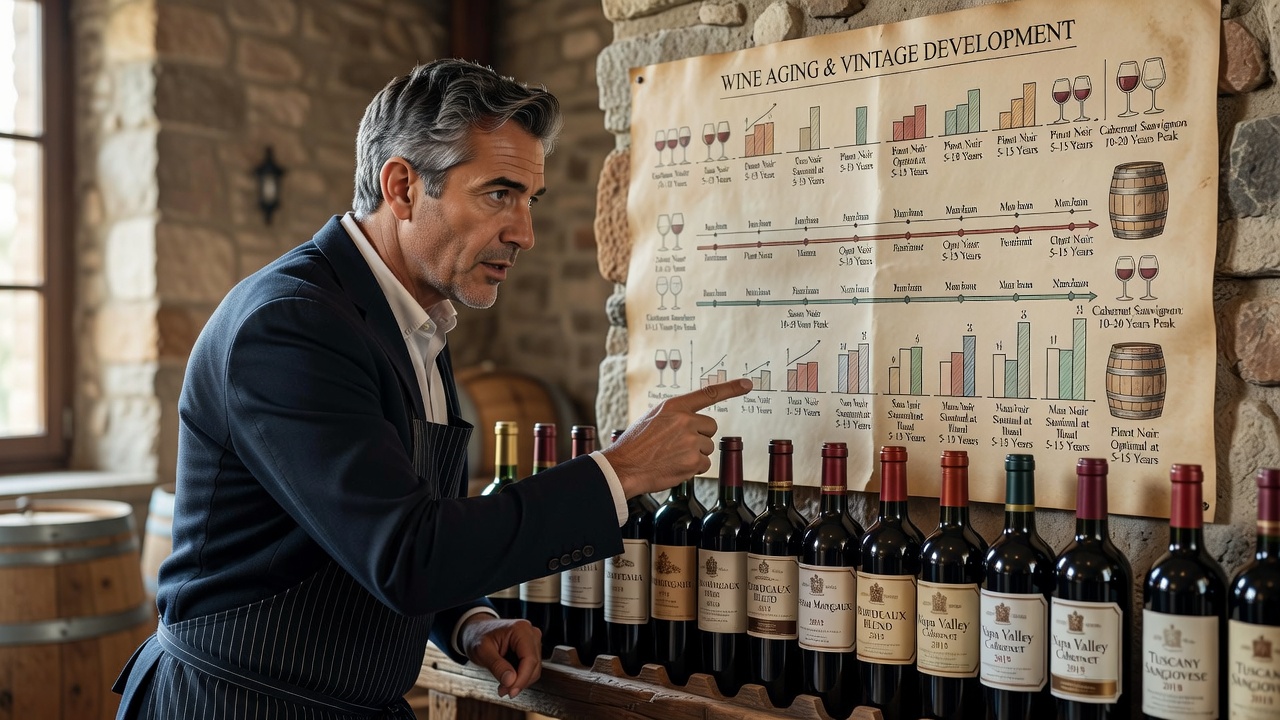
One of the most persistent ideas is that age automatically improves quality. In an episode featuring veteran winemaker Elena Rossi, she explained: "Many wines peak within three to five years; after that, delicate fruit notes fade and tannins can turn harsh." This challenges the notion that cellaring every bottle guarantees greatness. Rossi further noted that climate change has shortened optimal aging windows for many regions, making vintage-specific knowledge essential.
Outdated belief: All reds benefit from decades in the cellar. Modern understanding: Only specific varieties like Cabernet Sauvignon or Nebbiolo from great vintages improve meaningfully beyond ten years. Most everyday wines are designed for immediate consumption. Another episode guest, retailer Thomas Klein, shared data from his store showing that over 70 percent of customers return bottles they had cellared too long because flavors had flattened.
Verification Steps for Readers
- Check vintage charts from reliable sources before storing any bottle longer than two years.
- Taste a bottle from the same producer at different ages when possible to build personal reference points.
- Look for producer recommendations on aging windows rather than assuming longer is better.
- Monitor cellar conditions with a simple hygrometer to ensure temperature stays between 55 and 58 degrees Fahrenheit.
Listeners of the show learned that proper storage conditions matter more than sheer time. A cool, dark place with stable humidity preserves quality far better than simply waiting. The discussion also covered how screw-cap closures now allow many whites to age gracefully without traditional cork concerns.
Myth 2: Strict Food and Wine Pairing Rules
Classic rules such as "red wine with red meat and white with fish" still dominate dinner tables. Yet an Uncorked Conversations interview with pairing expert Marcus Hale revealed flexibility: "A bright Pinot Noir can beautifully complement salmon, while a full-bodied Chardonnay pairs well with roasted chicken." Hale emphasized that modern diners often prefer lighter styles even with heavier proteins, and regional cuisines frequently ignore color-based traditions.
Outdated belief: Pairings must follow rigid color-based guidelines. Current insight: Focus on weight, acidity, and flavor intensity instead. This opens creative options that often surprise and delight. One episode demonstrated successful pairings of off-dry Riesling with spicy Thai dishes, showing how residual sugar balances heat more effectively than tannic reds.
Episode examples showed how regional cuisines break these rules successfully. In one discussion, guests highlighted how Japanese sake pairings with sushi influenced modern wine thinking by emphasizing texture over color. Another segment explored sparkling wines with everything from fried chicken to chocolate cake, proving that bubbles cut richness across many flavor profiles.
Practical Comparison Table of Old vs New Approaches
- Old: Cabernet Sauvignon only with steak. New: Try it with dark chocolate desserts for surprising harmony when tannins meet cocoa bitterness.
- Old: Never serve red with seafood. New: Light reds with grilled octopus work when acidity cuts through richness and brininess.
- Old: Sweet wines only at dessert. New: Off-dry whites enhance spicy appetizers and cheeses throughout the meal.
To verify pairings yourself, experiment at home with small pours and note what enhances the food rather than overpowering it. Keep a simple tasting journal for three meals to spot patterns that work for your palate.
Myth 3: Production Methods Are Uniform and Simple
Many assume all wines undergo identical processes or that "natural" automatically means better. An episode with viticulturist Dr. Lena Moreau clarified: "Sulfites occur naturally during fermentation; added amounts are carefully regulated and often necessary for stability." She walked listeners through the differences between organic certification, biodynamic practices, and conventional farming, stressing that each can yield high-quality results when executed thoughtfully.
Listeners heard how organic and conventional methods can both produce excellent results when executed with care. The show compared high-intervention techniques used in some regions with minimal-intervention approaches elsewhere, showing that terroir and intent drive outcomes more than labels. Another guest explained how malolactic fermentation transforms crisp whites into creamy textures, a step often misunderstood by consumers.
Wine Institute resources confirm that transparent labeling helps consumers understand these choices without marketing hype. For regulatory details on labeling and additives, the TTB provides official guidelines that producers must follow.
Verification Steps and Common Mistakes to Avoid
- Read technical sheets from producers instead of relying solely on front-label claims about natural or organic status.
- Taste blind when possible to remove preconceptions about production style.
- Avoid assuming low intervention equals zero additives; even natural wines may include minimal sulfur for stability.
- Compare wines from the same grape and region but different production methods side by side to isolate variables.
Another frequent error is ignoring vintage variation. Production decisions adapt yearly based on weather, so the same winery can release very different wines season to season. The podcast stressed asking retailers for recent tasting notes rather than relying on older reviews.
Applying Insights: Building a Personal Wine Decision Framework
Beyond individual myths, Uncorked Conversations encourages listeners to develop a repeatable approach. Start by identifying your primary goal—everyday drinking, special occasions, or cellaring potential—then match that to producer statements rather than general rules. Next, experiment with one new pairing or aging experiment each month and document results. Finally, cross-reference findings with authoritative sources such as the International Organisation of Vine and Wine for global standards.
This framework turns passive listening into active skill-building. Many listeners report greater confidence when ordering in restaurants after applying these steps.
FAQ: Top Questions on Wine Truths
Does screw cap mean lower quality?
No. Many premium producers use screw caps to prevent cork taint and ensure consistency, especially for aromatic whites meant to be drunk young. Several episodes featured blind tastings where screw-cap wines outperformed cork-sealed bottles.
Are sulfites the main cause of headaches?
Research points more toward histamines, dehydration, or alcohol itself. Sensitive individuals should still check labels, but sulfites are rarely the sole culprit according to experts interviewed on the show.
How long should I age a typical bottle?
Most wines purchased today are ready to drink. Consult the producer’s website or recent tasting notes rather than defaulting to long-term cellaring. The podcast recommends tracking personal preferences over time.
Is natural wine always better for the environment?
Not necessarily. Sustainable practices vary widely, and some certified organic producers use more water or energy than conventional ones. Episode guests stressed evaluating the full supply chain.
Can I trust online wine scores for aging decisions?
Scores provide a starting point but vary by critic palate. Cross-check with multiple sources and consider your own storage conditions before committing to long-term aging.
Conclusion: Building Better Wine Habits
Uncorked Conversations demonstrates that reliable knowledge comes from direct dialogue with experts rather than inherited myths. By applying the verification steps, comparisons, and decision framework outlined here, you can confidently explore new styles, pairings, and regions. The next time a bottle label or dinner-party claim sounds absolute, remember the podcast’s core message: taste, question, and enjoy the nuance. Continued listening and personal experimentation will further refine your understanding of wine truths.
No comments yet. Be the first!