 Uncorked Conversations
Introduction: Why Wine Interviews Matter for Beginners
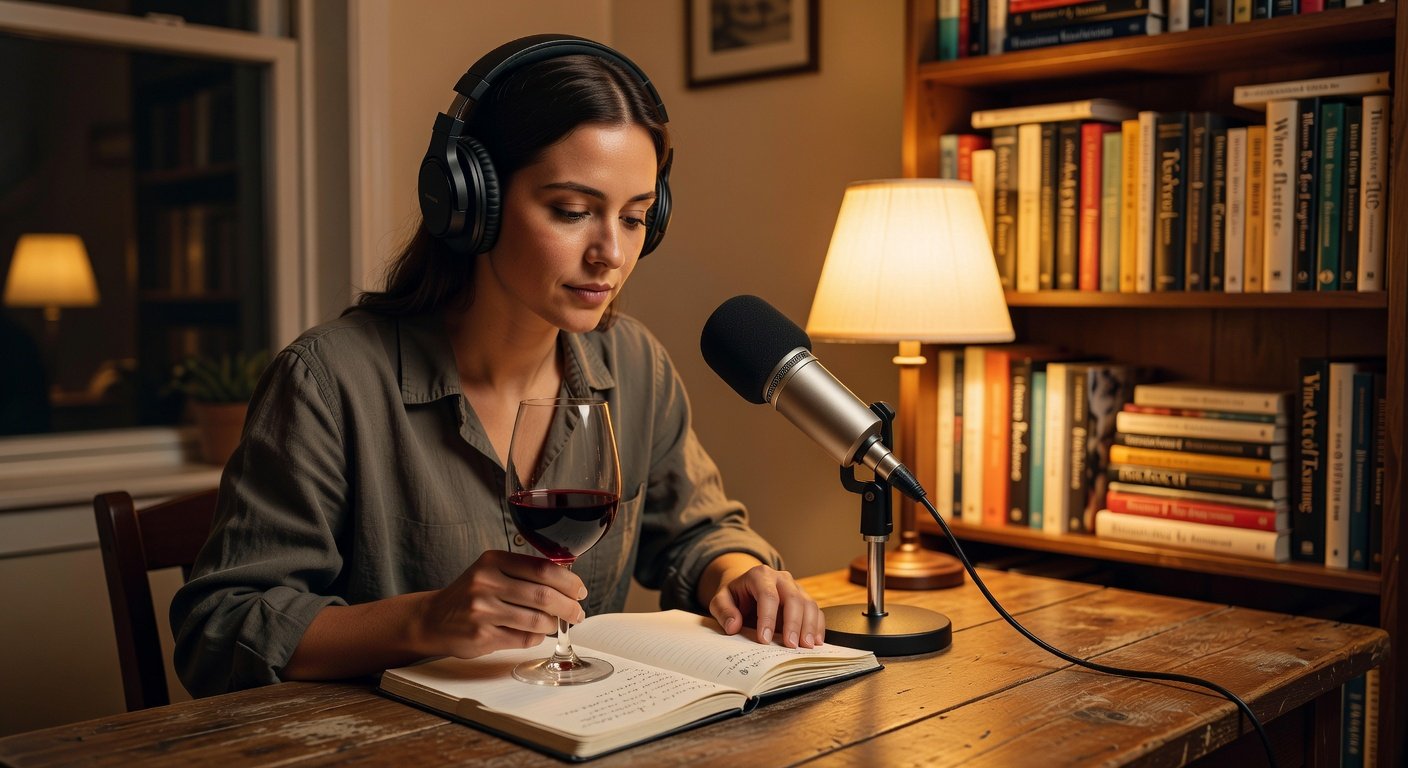
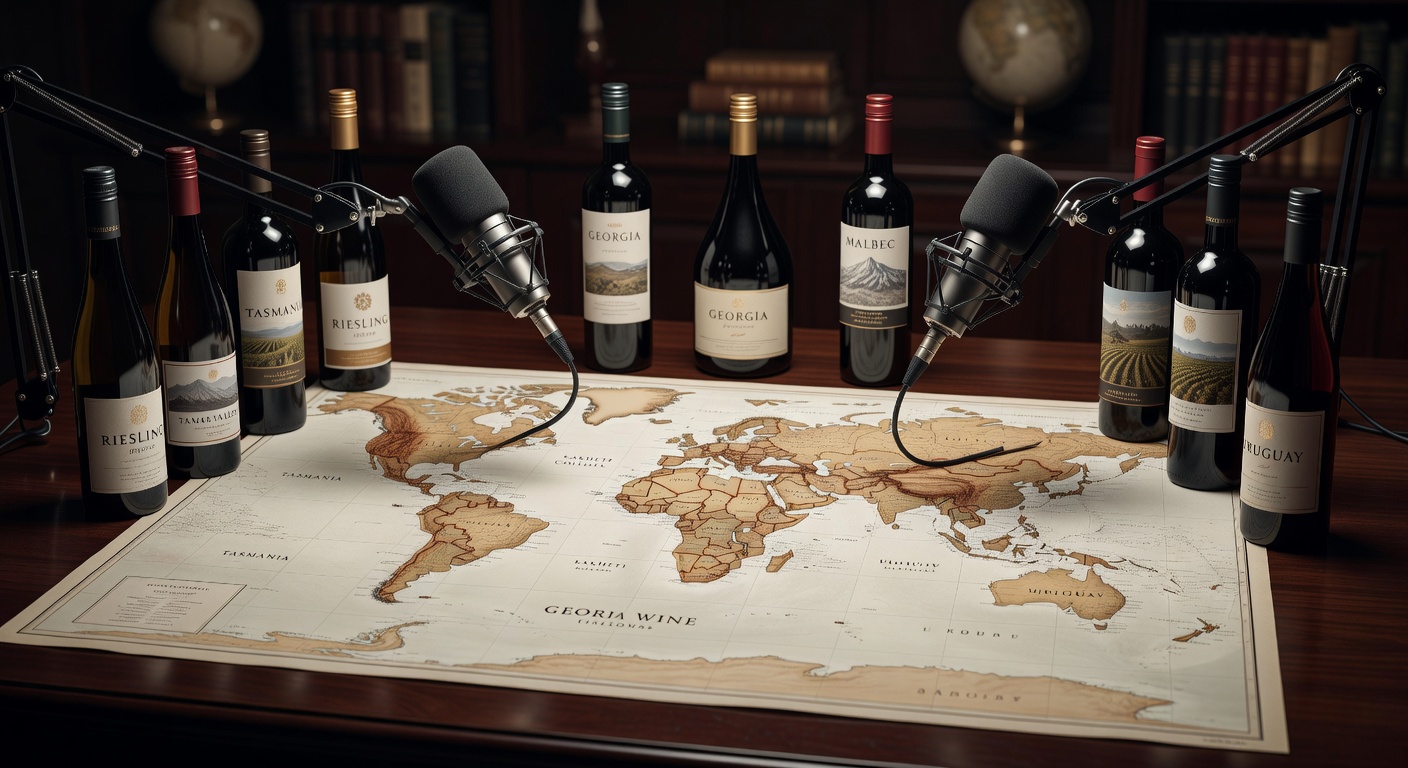
Stepping into the world of wine can feel overwhelming with its vast array of varietals, regions, and tasting notes. Podcasts like Uncorked Conversations offer an inviting entry point through engaging interviews that blend storytelling with education. These conversations humanize the wine industry, making complex topics approachable for newcomers who want to appreciate wine beyond the bottle. The format encourages listeners to visualize vineyards, meet passionate producers, and understand the cultural context behind each pour.
Unlike dry textbooks or technical guides, Uncorked Conversations uses real voices from winemakers, sommeliers, and enthusiasts to highlight personal journeys. This format helps listeners connect emotionally with wines from places like Bordeaux or Napa Valley, enhancing overall appreciation. Research from sources such as winefolly.com shows that narrative-driven learning improves retention of wine knowledge by up to 40 percent compared to facts alone. Beginners often find that hearing a winemaker describe the challenges of a particular harvest creates lasting mental anchors for flavors and aromas.
What Sets Uncorked Conversations Apart
Uncorked Conversations stands out because it prioritizes relatable dialogue over jargon-heavy lectures. Episodes often feature guests sharing origin stories, challenges in viticulture, and unexpected pairings that spark curiosity. For beginners, this storytelling approach transforms abstract concepts like terroir into vivid mental images, fostering a deeper love for wine exploration. The hosts ask thoughtful follow-up questions that mirror what a curious newcomer might wonder, creating an inclusive atmosphere.
The podcast covers diverse topics including sustainable practices and emerging trends, always with an emphasis on accessibility. Listeners report feeling more confident discussing wines socially after just a few episodes, thanks to the natural flow of interviews that mirror casual conversations at a dinner party. This human element distinguishes it from purely instructional content and builds community among listeners who share takeaways online.
Selecting Your First Episodes
Start with episodes that introduce foundational themes rather than niche subjects. Look for titles featuring beginner-friendly guests or overviews of popular varietals such as Pinot Noir or Sauvignon Blanc. Early episodes often include guided tastings or simple explanations that build confidence gradually. Pay attention to episode length—shorter 30-minute installments work well for initial forays while longer deep-dives suit weekend listening.
Practical tip: Scan show notes for mentions of specific regions or terms you want to explore. Many listeners begin with episodes on California wines before progressing to European classics. This sequential approach mirrors how wine appreciation develops over time. Consider creating a personal starter playlist with three to five introductory episodes to avoid decision fatigue when first subscribing.
Pairing Listening Sessions with Tasting
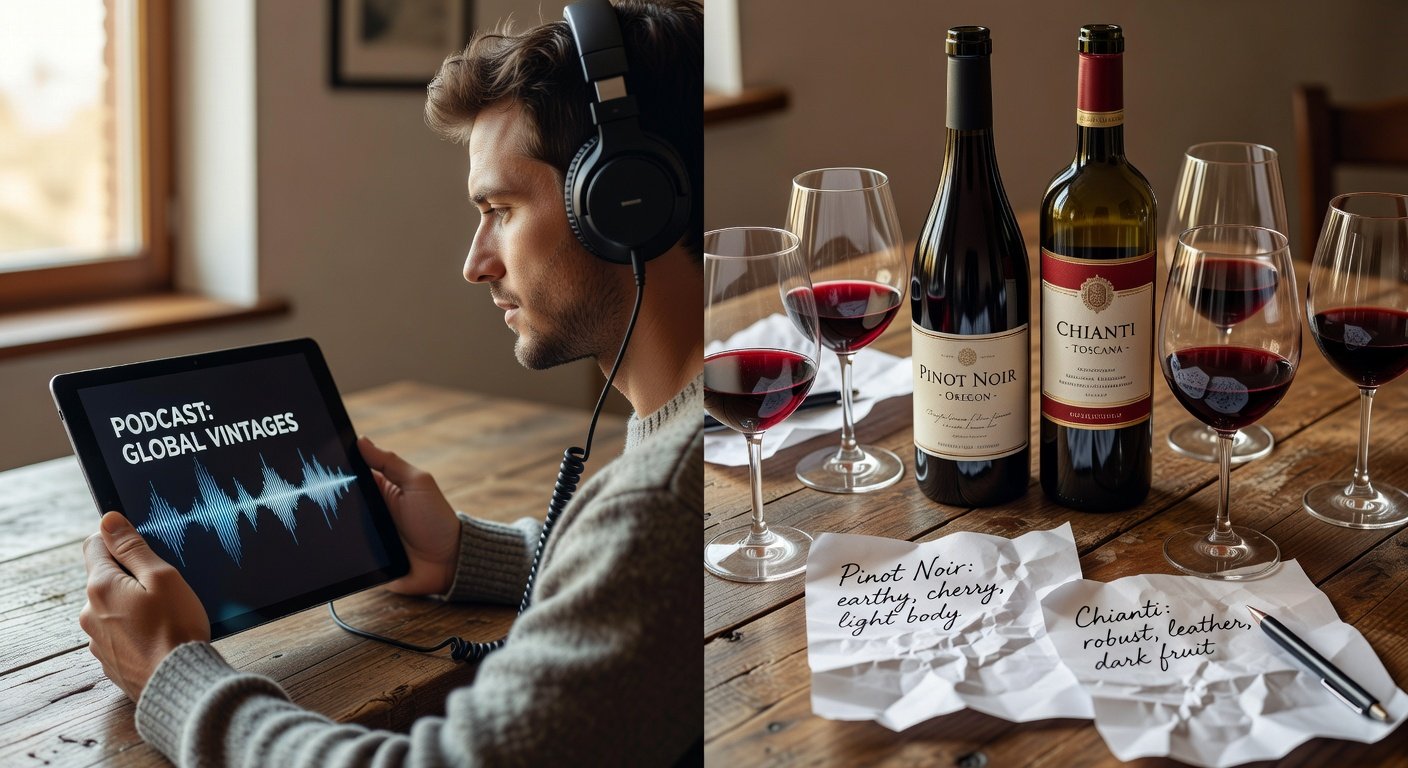
Enhance your experience by synchronizing podcast episodes with actual wine tastings. Choose a quiet evening, pour a small glass of the featured wine, and follow along as the host describes aromas and flavors. This multisensory method strengthens memory associations between spoken descriptions and real sensory input. Prepare a simple tasting mat with water, crackers, and a notepad to capture immediate reactions before they fade.
For example, during an episode on Italian wines, select a Chianti and note how the interview highlights acidity and cherry notes. Keep a simple journal to record impressions. Over time, this habit refines your palate and turns passive listening into active learning. Experiment with blind tasting during repeat listens to test growing recognition skills and identify personal preferences more clearly.
Demystifying Common Wine Terminology
Beginners often stumble over terms like "tannins," "body," and "finish." Uncorked Conversations episodes break these down through context rather than definitions alone. Tannins refer to the drying sensation in red wines from grape skins, while body describes the wine's weight on your tongue, ranging from light to full. The finish is the lingering aftertaste that can reveal quality and complexity.
Common questions include how to distinguish varietals and why regions matter. The podcast addresses these by having experts share tasting examples live. Listeners learn that "oaky" indicates barrel aging, which adds vanilla or spice notes, helping them navigate restaurant menus with greater ease. Additional terms like "acidity," "minerality," and "legs" receive repeated contextual reinforcement across episodes, building a practical vocabulary without rote memorization.
Building a Consistent Listening Habit
Consistency turns sporadic interest into lasting knowledge. Dedicate 30 minutes twice a week to an episode while commuting or relaxing. Use playlist features to organize episodes by theme, such as "New World vs Old World" or "Sustainable Winemaking." Set calendar reminders and pair the activity with a recurring ritual like evening tea to strengthen the routine.
Track progress with a simple app or notebook. After one month, revisit early episodes to notice how much more you understand. This reflective practice reinforces learning and reveals personal growth in wine appreciation. Join online listener communities to discuss episodes and gain accountability partners who share similar beginner journeys.
Comparing Different Interview Styles
| Style | Best For | Example Benefit |
|---|---|---|
| Storytelling | Emotional connection | Memorable origin tales |
| Educational | Technical depth | Process breakdowns |
| Interactive | Engagement | Live Q&A segments |
These variations keep the content fresh. Beginners benefit from mixing styles to match their mood and learning goals, whether seeking inspiration or practical skills. Storytelling episodes excel at motivation, while educational ones provide reference material for future tastings.
Real Listener Takeaways and Success Stories
Many new listeners share how Uncorked Conversations helped them host their first wine tasting party. One example involves a beginner who used an episode on Spanish wines to select bottles for friends, impressing everyone with informed descriptions. Another discovered natural wine preferences through interviews highlighting low-intervention producers.
These stories illustrate the podcast's power to inspire real-world application, from travel planning to gift selections. A third listener reported using terminology learned in episodes to confidently order at restaurants, turning previous intimidation into enjoyment.
Tools and Apps to Enhance Your Experience
Supplement listening with wine apps that offer virtual cellars or flavor wheels. Cross-reference episode topics with free online glossaries to reinforce vocabulary. Some listeners create shared playlists with friends for group discussions that extend the learning beyond solo sessions.
FAQ: Accessibility and Next Steps
Is the podcast free to access?
Yes, Uncorked Conversations is available on major platforms without cost, making it an inclusive resource for global audiences.
What if I have no prior wine knowledge?
Episodes are designed for all levels, starting with basics and layering complexity as needed.
Where can I find follow-up resources?
Visit authoritative sites like decanter.com for deeper articles or winemag.com for tasting guides that complement episode topics.
How do I avoid common beginner mistakes?
Focus on enjoyment rather than perfection; the podcast emphasizes curiosity over expertise, helping listeners sidestep overwhelm from trying to master everything immediately.
Conclusion: Your Journey Begins Here
Uncorked Conversations transforms wine education into an enjoyable adventure. By starting with thoughtful episode selection, pairing audio with tastings, and building consistent habits, beginners quickly gain confidence and joy in exploring the world of wine. Embrace the stories, ask questions, and let each conversation uncork new possibilities.

No comments yet. Be the first!