 Uncorked Conversations
Introduction to Advanced Wine Podcast Hosting
Aspiring and intermediate wine podcasters often begin with straightforward interview formats that cover basic tasting notes and guest backgrounds. However, in 2026, listeners expect deeper immersion that goes far beyond surface-level discussions. Inspired by successful programs like Uncorked Conversations, advanced hosting techniques focus on blending dynamic interactions, sensory-rich storytelling, and cutting-edge technology. These methods create episodes that feel like shared experiences rather than lectures, helping podcasters build loyal audiences in a competitive market. By mastering these approaches, hosts can differentiate their shows while maintaining the authentic passion that defines great vino content.
Dynamic Guest Interactions for Engaging Episodes
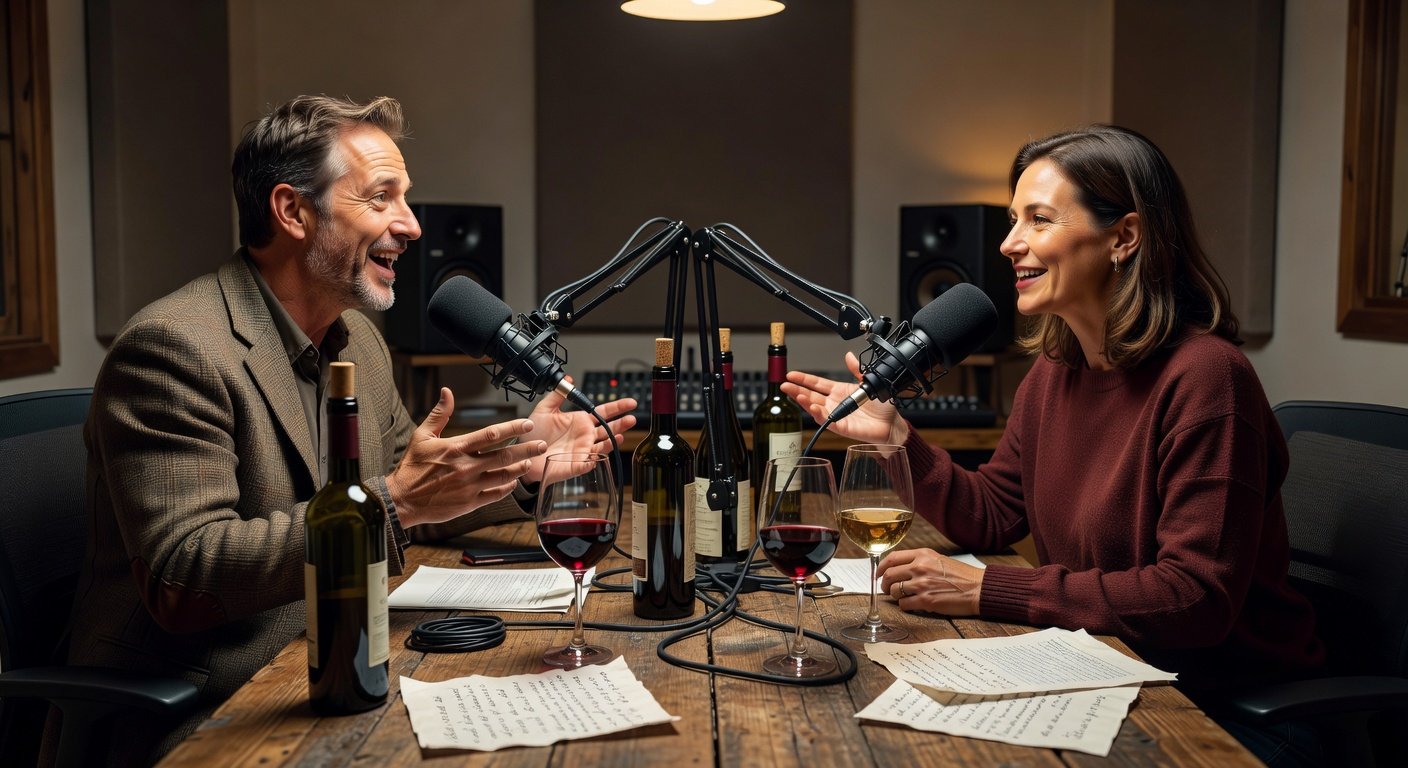
Effective guest interactions start long before the recording begins. Hosts should send personalized preparation packets that include not only the wines but also suggested discussion prompts tied to each guest's expertise. For instance, if featuring a sommelier from a specific region, include questions about climate impacts on that year's vintage to spark organic debate. During the live session, encourage overlapping commentary where one guest builds on another's tasting observation, creating a conversational flow that mirrors a real dinner party. This technique avoids the stiffness of traditional back-and-forth questioning and allows for spontaneous humor or disagreements that listeners find relatable and entertaining.
Layering Sensory Storytelling with Real-Time Tasting Notes
Real-time tasting notes form the core of immersive wine podcasts. Begin each tasting segment by guiding listeners through a structured sensory progression: first visuals, then aromas, followed by palate impressions and finish. To add depth, incorporate storytelling elements such as historical anecdotes about the vineyard or personal memories triggered by the flavors. For example, describe how a particular Cabernet evokes memories of a harvest festival, complete with details about the soil and winemaker's techniques. This layering helps listeners visualize and almost taste along, turning the audio into a multisensory event. Practice timing these descriptions to last three to five minutes per wine to maintain momentum without overwhelming the audience.
Integrating Listener Q&A Segments
Listener Q&A segments transform passive consumption into active participation. Collect questions through social media polls or dedicated voicemail lines in the week leading up to recording. Select a mix of technical queries, such as decanting methods for older bottles, and lighter ones about food pairings for casual weeknight dinners. Allocate a dedicated block in the middle of the episode to address three to five questions, allowing guests to chime in with their perspectives. This not only boosts engagement metrics but also provides fresh content ideas for future episodes based on recurring themes from the audience.
Leveraging Emerging Audio Tech in 2026
Audio technology in 2026 offers tools that elevate production quality significantly. Spatial audio creates a three-dimensional sound field, making tasting descriptions feel as if the listener is seated at the table. Combine this with AI-driven noise reduction to polish live recordings without losing natural ambiance. Compared to basic setups, these advancements reduce editing time while enhancing clarity during overlapping guest dialogues. Start by experimenting with free trials of spatial plugins before committing to full integration, ensuring the technology supports rather than distracts from the wine-focused narrative.
Step-by-Step Episode Structuring Examples
Creating a compelling episode requires careful planning. First, open with a 60-second teaser featuring an intriguing tasting note from the main wine to hook listeners immediately. Second, spend five minutes introducing guests and their unique connections to the featured bottles. Third, transition into a 20-minute sensory analysis block where real-time notes are shared with timestamps for easy navigation in podcast apps. Fourth, insert the listener Q&A segment to refresh the energy. Fifth, wrap up with actionable recommendations and a preview of the next episode's theme. This structure ensures balanced pacing and covers multiple engagement points without feeling rushed.
Comparisons to Standard Interview Formats
Standard interview formats typically follow a linear question-and-answer pattern that can become predictable after a few episodes. In contrast, advanced wine podcast techniques emphasize collaborative exploration where hosts and guests co-create the narrative through shared tastings and interruptions. The result is higher listener retention because episodes feel alive and unpredictable. Standard formats excel at delivering quick facts but often lack the emotional connection fostered by sensory layering and audience input. Hosts transitioning to advanced methods should gradually introduce one new element per episode to avoid overwhelming their production workflow.
Mistakes to Avoid in Advanced Hosting
Common pitfalls include over-preparing scripts that stifle natural conversation or neglecting audio levels during live tastings, which can lead to distracting background noises. Another frequent error is ignoring listener feedback loops, resulting in episodes that drift away from audience interests. To prevent these issues, record short test segments beforehand and review analytics after each release to identify drop-off points. Maintaining a flexible outline rather than a rigid script preserves authenticity while still guiding the discussion effectively.
Tips for Maintaining Authenticity in Vino Talks
Authenticity remains essential even with sophisticated techniques. Share personal tasting mishaps or preferences openly to humanize the experts on the show. Use simple language when explaining complex concepts like terroir, always tying explanations back to relatable experiences. Encourage guests to disagree respectfully on flavor profiles, as these debates often become listener favorites. Regular self-review of episodes helps identify moments where enthusiasm feels forced, allowing for adjustments in future recordings.
Conclusion
Implementing these advanced techniques positions wine podcasts for success in 2026 by creating immersive and interactive content. Focus on genuine connections and thoughtful production choices to foster a dedicated community of listeners who return episode after episode.
FAQ
How do I prepare guests for advanced tasting segments?
Begin by sending a detailed packet that includes the wines, suggested discussion angles, and a short audio sample of your hosting style. Schedule a brief pre-recording call to discuss pacing and address any dietary restrictions or preferences. This preparation reduces anxiety and allows the conversation to flow naturally once recording starts.
What are common pitfalls in audience retention for wine podcasts?
Long stretches of uninterrupted monologue or inconsistent episode lengths often cause listeners to tune out. Address this by varying segment durations and incorporating interactive elements like polls or voice message replies. Tracking completion rates through your hosting platform reveals specific areas needing improvement.
How can emerging tech feel overwhelming for beginners?
Start with one accessible tool such as basic editing software enhancements before exploring spatial audio options. Many platforms offer tutorials and community forums where new users can ask questions. Gradual adoption prevents frustration and ensures technology enhances the core content rather than complicating it.
What equipment supports high-quality real-time tastings?
Invest in condenser microphones with pop filters to capture clear vocal nuances during sipping and describing. Pair these with a quiet recording space and simple sound dampening materials. Test setups multiple times to ensure wine-related sounds like glass clinks do not overpower the dialogue.
How do I balance expert knowledge with approachable language?
Define any technical terms immediately after using them and relate them to everyday scenarios. For instance, when discussing acidity, compare it to the zing in a fresh lemonade. This approach educates without alienating casual listeners while still satisfying those seeking deeper insights.
No comments yet. Be the first!