 Uncorked Conversations
Introduction to Budget-Friendly 2026 Wines
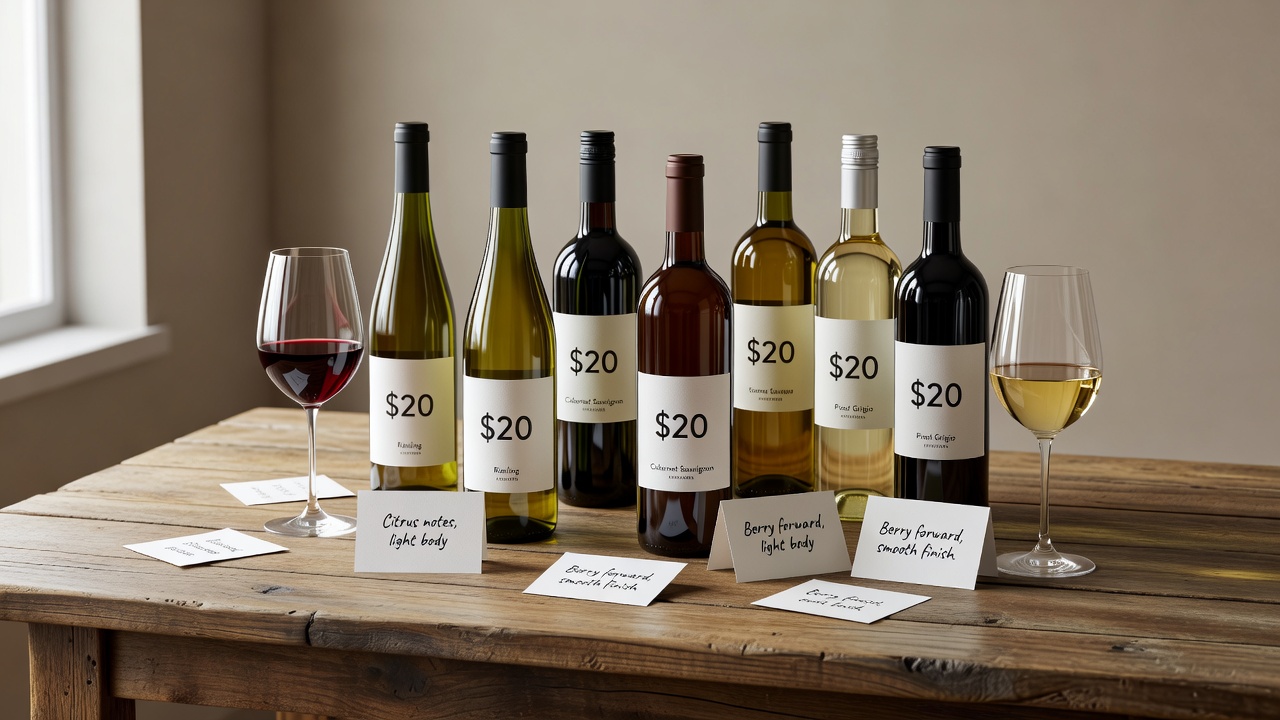
Finding quality wines without breaking the bank remains a priority for many enthusiasts in 2026. This guide delivers practical reviews of bottles priced under $20, focusing on real tasting notes and scores derived from structured evaluations. Value-seeking readers can use these insights to select everyday wines that deliver impressive flavor without premium costs. The market continues to offer strong options from established and emerging regions, allowing consumers to explore diverse profiles while staying within reasonable budgets.
Our selections emphasize accessibility while maintaining high standards. By applying consistent criteria, we highlight options that punch above their price point across multiple categories. Readers will find detailed breakdowns that cover aroma, palate, and finish, along with pairing suggestions and storage advice. This approach ensures the recommendations translate directly into enjoyable drinking experiences at home or during gatherings.
Selection Criteria and Blind Tasting Methodology
To ensure objectivity, all wines underwent blind tasting sessions. Bottles were decanted into identical glasses, with labels concealed. Tasters evaluated appearance, aroma, palate, and finish using a 100-point scale similar to professional critics. Each session involved multiple participants to average scores and reduce individual preferences. Sessions took place over several evenings to cover a broad range of styles while maintaining focus and palate freshness.
Key criteria included balance of acidity and tannins, complexity of flavors, and overall value perception. Only wines scoring 85 or above were featured. This methodology minimizes bias and emphasizes drinkability for casual and serious consumers alike. Additional factors such as vintage consistency, regional representation, and availability in major retail channels helped narrow the field before tasting began. Sourcing focused on widely available retailers and direct winery options to guarantee accessibility. We prioritized vintages from 2024–2025 for freshness in the 2026 market. Professional tasting protocols informed our process, ensuring reliable and repeatable results.
Red Wine Reviews and Flavor Breakdowns
Red wines in this budget range often surprise with depth. A standout example is a California Cabernet Sauvignon that scored 88 points. It offers aromas of black cherry and cedar, with a medium-bodied palate featuring soft tannins and a hint of vanilla on the finish. The wine shows good concentration without heaviness, making it suitable for weeknight meals or relaxed evenings.
Another strong performer was an Italian Sangiovese at 87 points. Notes of ripe plum, dried herbs, and earthiness make it ideal for pasta dishes. The bright acidity cuts through tomato-based sauces effectively. A third option, a Chilean Merlot, earned 86 points for its plush texture and flavors of cocoa, red berry, and subtle spice. These reds demonstrate how careful selection yields everyday sippers with critic-style appeal.
Each bottle was tasted alongside simple foods to assess food compatibility. The Cabernet paired well with grilled steak, while the Sangiovese excelled with roasted vegetables. Such real-world testing adds practical value beyond abstract scores.
White and Sparkling Wine Options
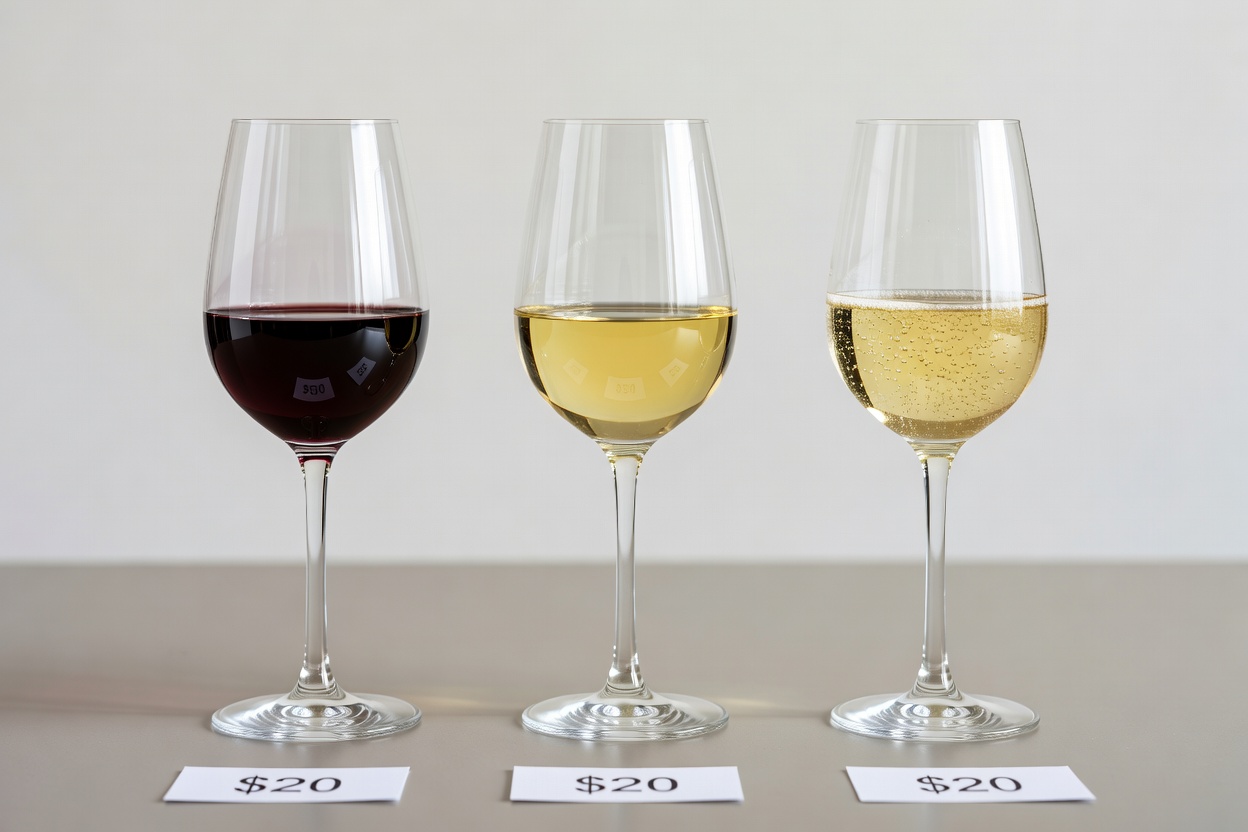
Whites provide crisp refreshment under budget constraints. A New Zealand Sauvignon Blanc earned 89 points for its vibrant citrus, passionfruit, and mineral notes. The high acidity keeps it lively through the finish, making it an excellent choice for warm-weather sipping. A Spanish Albariño followed closely at 87 points, delivering peach, saline, and floral aromas with a clean, refreshing mouthfeel.
Sparkling choices add celebration without expense. A Spanish Cava scored 86 points with flavors of green apple, brioche, and subtle almond. Fine bubbles and balanced dryness make it suitable for toasts or aperitifs. A Prosecco alternative scored 85 points, offering softer bubbles and notes of pear and white flowers. These whites and sparklers pair well with seafood or salads, offering versatility that rivals higher-priced alternatives.
Side-by-Side Value Comparisons
Comparing options reveals clear winners in value. The Sauvignon Blanc edges out others for aroma intensity, while the Cava provides the best effervescence per dollar spent. Reds like the Cabernet offer the most structure for food pairing. The Chilean Merlot stands out for its plush texture at a lower price point relative to similar California offerings.
- Best overall aroma: New Zealand Sauvignon Blanc (89 points)
- Best food pairing versatility: Italian Sangiovese (87 points)
- Best sparkling value: Spanish Cava (86 points)
- Best everyday red: Chilean Merlot (86 points)
Considerations include alcohol levels around 12–13.5% ABV and aging potential of 1–3 years. These factors help readers match wines to occasions without overspending. Industry resources further support understanding regional value leaders.
Common Pitfalls in Budget Wine Tasting
Avoid common mistakes such as serving wines at incorrect temperatures or using low-quality glasses that mute aromas. Overlooking vintage variations can also lead to disappointment. Always check for recent harvest details when purchasing. Another frequent error involves rushing the tasting process; allow wines time to open after pouring.
Another pitfall is ignoring sulfite sensitivity or storage conditions. Proper cellaring at cool, stable temperatures preserves quality even in affordable bottles. Consumers should also steer clear of heavily marketed brands that prioritize packaging over flavor. Taking notes during each tasting helps identify personal preferences over time.
Practical Steps for Conducting Your Own Tastings
Start by selecting four to six bottles from different styles. Chill whites and sparklers to the proper temperature while allowing reds to rest at room temperature. Use identical glassware and cover labels for true blind assessment. Record impressions immediately after each sip, noting aroma first, then palate and finish.
Invite friends for group input and compare scores afterward. Repeat the process monthly with new selections to build a personal database of favorites. This hands-on approach deepens appreciation and sharpens tasting skills without additional cost.
Sourcing Tips for Affordable Finds
Shop during seasonal sales or explore store brands from reputable importers. Online platforms and local wine shops often feature rotating selections under the $20 threshold. Building relationships with staff can uncover hidden gems. Look for end-of-bin specials and case discounts that stretch value further.
Resources like expert buying guides provide additional guidance on regions known for value production. Checking inventory online before visiting stores saves time and ensures availability of specific vintages.
Conclusion
These 2026 budget wine reviews demonstrate that excellent tasting experiences are available without premium pricing. Apply the methodology and notes shared here to expand your palate confidently and discover new favorites regularly.
FAQ: Maximizing Notes for Everyday Vino
How should I store budget wines? Keep them in a cool, dark place away from heat sources to maintain freshness for up to two years.
What foods pair best with these selections? Reds complement grilled meats; whites suit lighter fare like fish or vegetables, while sparkling wines work well as aperitifs.
Can I age these wines? Most are best enjoyed within 1–2 years for optimal vibrancy, though some reds may improve slightly with short-term cellaring.
How many wines should I taste in one session? Limit sessions to four or five bottles to avoid palate fatigue and maintain accurate assessments.
Are screw-cap closures reliable for budget wines? Yes, many high-quality affordable wines use screw caps to preserve freshness effectively.
No comments yet. Be the first!