 Uncorked Conversations
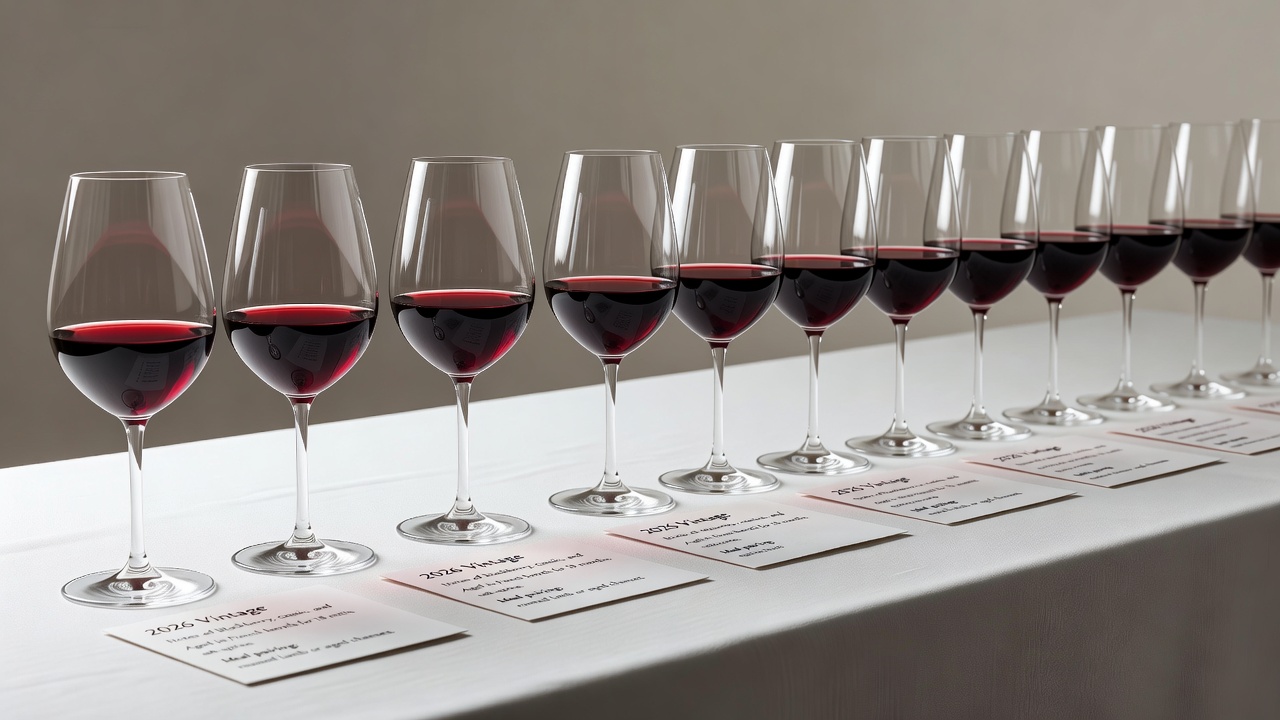
Introduction to Horizontal Tasting in 2026
Horizontal tasting compares wines from the same vintage but different producers or regions, offering unique insights into style, terroir, and winemaking choices. For 2026 releases, this approach highlights how climate variations and vineyard practices shape the wines available this year. Enthusiasts benefit from structured comparison methods that reveal subtle differences often missed in vertical tastings. This guide provides practical steps for selecting wines, conducting blind tastings, recording profiles, assigning scores, and interpreting results. By focusing on same-vintage bottles, tasters can isolate variables like soil type, elevation, and producer philosophy without the complication of aging differences.
Horizontal tastings build critical tasting skills and foster community discussion. Whether you are a beginner or seasoned collector, the method encourages objective evaluation. In 2026, many regions report balanced harvests with pronounced fruit and acidity, making this an ideal year for side-by-side comparisons. The process also helps identify value options among premium and emerging labels.
Selecting Wines for a 2026 Horizontal Tasting
Choose 4–6 bottles from the same vintage across producers or regions. Focus on similar grape varieties, such as Cabernet Sauvignon from California, Bordeaux, and Australia. Consider availability through local retailers or online platforms to ensure fresh 2026 stock. Aim for diversity in price tier and winemaking style while maintaining a common thread, such as all unoaked or all from cool-climate sites.
Research vintage reports to understand the year’s character before purchasing. For example, seek wines from producers who emphasize minimal intervention versus those using traditional techniques. Balance price points and styles to create meaningful comparisons. Include at least one benchmark wine from a well-known producer alongside emerging labels for contrast. Verify bottle condition and recent vintages to avoid oxidation issues during the session.
Setting Up Blind Tastings
Blind tasting eliminates bias. Decant wines into identical glasses and label them with numbers only. Use a neutral environment with white tablecloths and good lighting. Serve at proper temperatures: 55–60°F for reds and 45–50°F for whites. Prepare a quiet space free from strong odors and distractions. Gather essential tools including spittoons, water, plain crackers, and a timer for paced evaluation.
Invite 4–8 participants and prepare a tasting grid in advance. Rotate bottles between pours to maintain fairness. Provide each taster with identical printed sheets and pens. Consider using flight order randomization software or apps to further reduce order bias. Allow 15–20 minutes per wine for thorough assessment before moving to the next.
Recording Aroma and Flavor Profiles
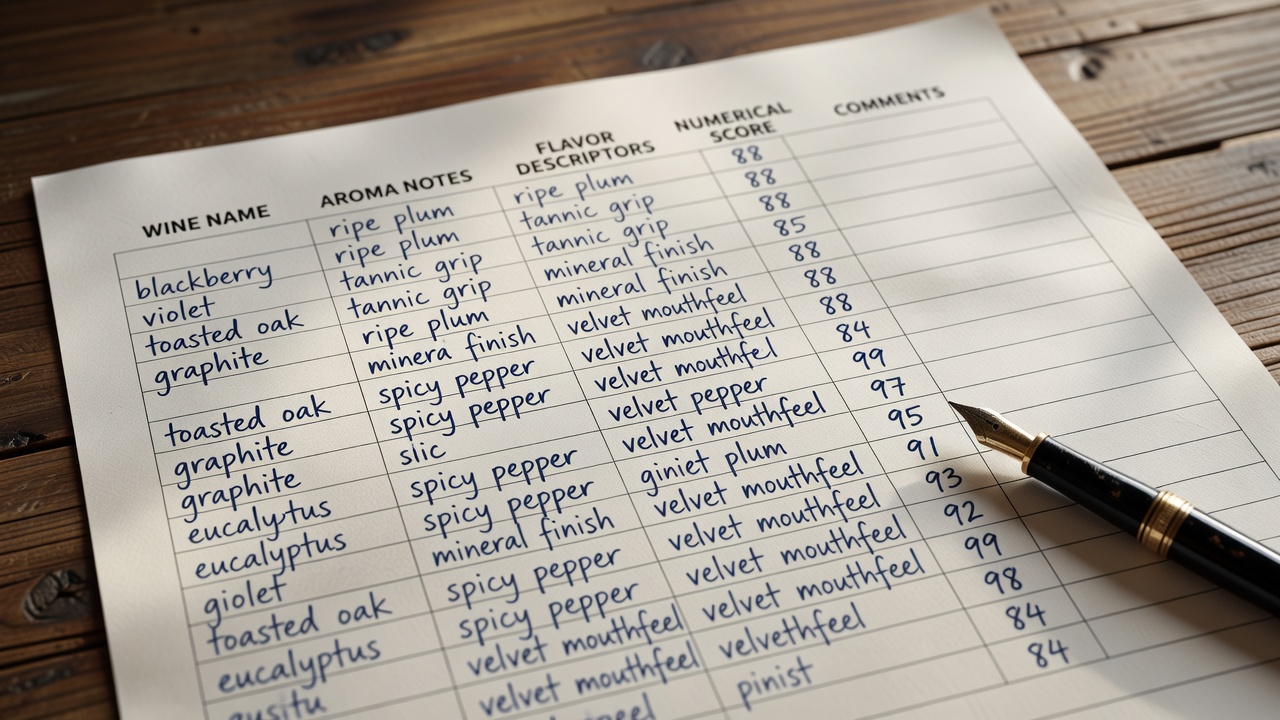
Use a standardized tasting sheet with columns for appearance, nose, palate, and finish. Note primary aromas like red fruit or spice, then secondary notes from oak or fermentation. For 2026 vintages, watch for evolving characteristics such as brighter acidity in cooler-climate examples. Record intensity levels and evolution over time in the glass.
Practice consistent descriptors from established wheels to facilitate group discussion. Examples include “blackcurrant,” “graphite,” “wet stone,” and “baking spice.” Capture both initial impressions and how aromas develop after swirling. Include texture descriptors like “silky tannins” or “crisp acidity” on the palate section. This detailed logging creates a rich dataset for later analysis and personal reference.
Assigning Consistent Wine Scores
Adopt a 100-point scale or a 20-point system used by many professionals. Score appearance (up to 15 points), aroma (up to 30), palate (up to 40), and overall impression (up to 15). Apply the same criteria to every wine to enable direct comparison. Break down each category further: color depth, clarity, aromatic complexity, fruit purity, structure, balance, length, and typicity.
Re-score after discussion to refine accuracy. Resources like Wine Magazine offer calibration examples. Some groups prefer the 20-point UC Davis scale for simplicity. Whichever system you choose, document the rationale behind each score so others can understand your reasoning. Consistent scoring builds trust in group settings and improves individual palate calibration over repeated sessions.
Interpreting Results and Sample Tasting Grid
After tasting, compare scores and notes collectively. Identify standout wines and discuss why certain attributes scored higher. A sample grid might include columns for Wine #, Aroma Notes, Palate Notes, Score, and Ranking. Expand the grid with additional rows for group averages and individual outliers.
- Wine 1: Red currant, cedar, medium body – Score 92 – Notes: Elegant structure, long finish
- Wine 2: Dark cherry, vanilla, full body – Score 89 – Notes: Rich but slightly heavy oak influence
- Wine 3: Herbal, graphite, light body – Score 94 – Notes: High acidity, great food pairing potential
Real-world 2026 examples often show regional distinctions, such as more herbal notes in European bottles versus fruit-forward New World styles. Analyze whether high scores correlate with specific descriptors or unexpected surprises. Discuss value relative to quality and consider how each wine might age.
Practical Steps for Your First Horizontal Tasting
Begin by setting a date and inviting participants with varying experience levels. Source wines two weeks ahead and store them properly. Print multiple copies of the tasting grid and prepare a shared spreadsheet for digital notes. During the session, enforce silence during initial assessment to preserve independent opinions. After scoring, reveal the wines and facilitate open discussion. End with a group ranking and favorite picks.
Common Pitfalls and How to Avoid Them
Avoid palate fatigue by limiting sessions to six wines. Ensure consistent glassware and temperatures. Document everything immediately to prevent memory bias. Watch for confirmation bias when strong preconceptions about producers influence scores. Keep water and neutral palate cleansers available between flights.
FAQ
How many wines should I include?
Four to six wines provide enough variety without overwhelming the palate. Larger groups can handle up to eight if time permits.
Can I do this solo?
Yes, but group feedback enhances learning. Use apps for note-taking when tasting alone and compare results against published reviews from Decanter.
Where can I find 2026 releases?
Check reputable merchants and follow harvest reports from organizations such as Wine Institute.
How do I share reviews?
Post anonymized grids on community forums or wine apps to contribute to collective knowledge and receive feedback from other enthusiasts.
Conclusion
Horizontal tastings of 2026 wines sharpen your palate and deepen appreciation for vintage nuances. Apply these techniques consistently to build reliable comparison skills and enjoy discovering new favorites through structured, repeatable methods.
No comments yet. Be the first!