 Uncorked Conversations
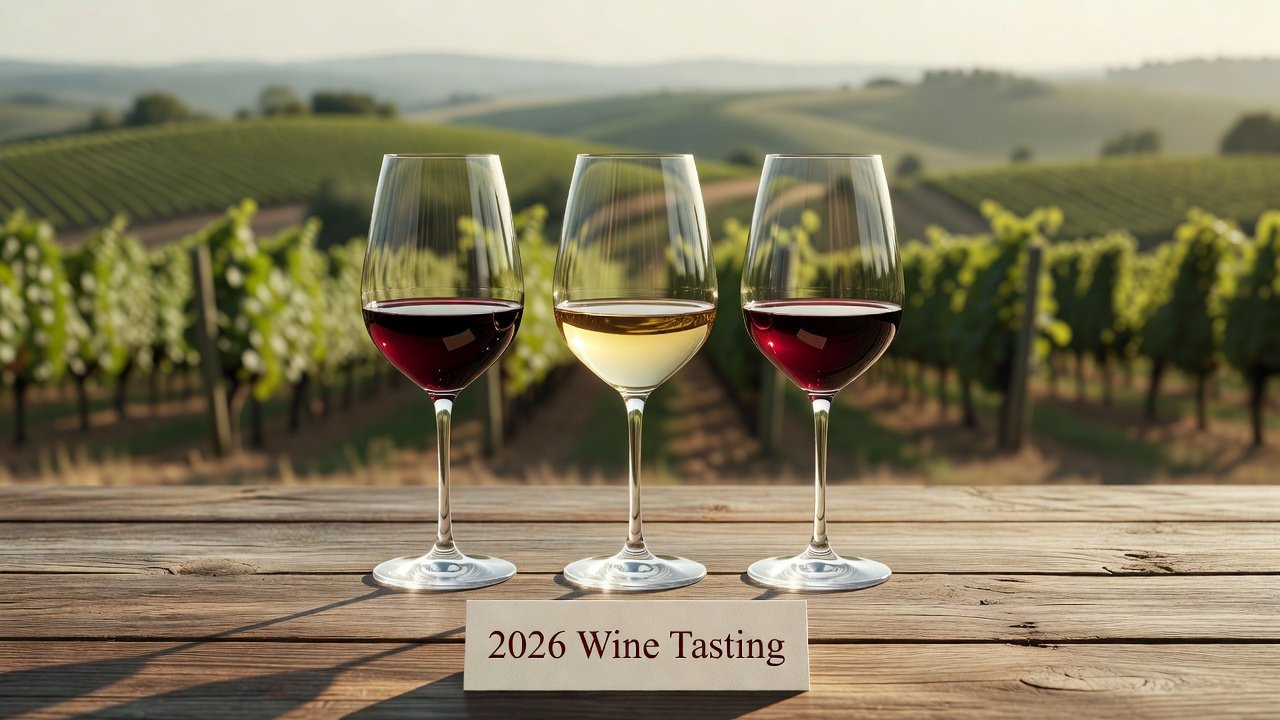
Introduction to Wine Tasting Vocabulary in 2026
Precise language transforms casual wine observations into compelling tasting notes and professional reviews that stand out in search results. As enthusiasts and beginners seek to document experiences with 2026 vintages, mastering essential terms helps create searchable, informative content that resonates with readers and search engines alike. Whether you are writing for a personal blog, contributing to wine forums, or aiming for professional publication, a strong vocabulary elevates every description from vague impressions to vivid, accurate portrayals. This guide covers core categories including aromas, flavors, textures, and finish descriptors while providing practical tools for application. It also ties directly into target keywords like tasting notes and wine scores by showing how specific language improves both readability and discoverability.
By the end of this article you will have actionable strategies to refine your own lexicon, avoid common descriptive traps, and apply terms confidently to real-world 2026 examples. The emphasis remains on practical application so your notes become more engaging and useful for fellow wine lovers.
Core Vocabulary Categories for Tasting Notes
Effective wine descriptions rely on structured vocabulary that breaks down the sensory experience into clear components. Aromas refer to scents perceived before tasting, often categorized as fruit, floral, herbal, or spice. Flavors emerge on the palate and may include primary fruit notes, secondary oak influences, and tertiary developed characteristics from aging. Textures describe mouthfeel such as silky, tannic, or crisp, while finish captures the lingering aftertaste duration and quality. Understanding these categories creates a logical flow in your tasting notes that mirrors how professionals evaluate wines.
Aromas and Flavors
Primary aromas come from the grape itself and include bright citrus, ripe berry, or delicate stone fruit. Secondary aromas arise during winemaking and often feature vanilla, toast, or spice from oak barrels. Tertiary aromas develop through bottle aging and can evoke leather, earth, or dried fruit. When writing tasting notes, layering these categories produces depth that readers appreciate and search engines reward with better visibility for queries related to tasting notes and wine scores.
- Primary fruit examples: blackcurrant, peach, grapefruit
- Secondary oak examples: cedar, coconut, baking spice
- Tertiary aged examples: mushroom, tobacco, honey
Decanter provides extensive resources on evolving descriptors used in professional tastings worldwide.
Textures and Mouthfeel
Texture terms communicate how a wine feels in the mouth. Velvety or plush textures suggest smooth, well-integrated tannins in reds, while vibrant or zesty acidity describes lively whites. Other useful words include grippy for structured young reds, creamy for wines that have undergone malolactic fermentation, and angular for wines with pronounced acidity that needs time to soften. These descriptors help readers visualize the wine's body and balance.
Finish Descriptors
The finish is the final impression after swallowing or spitting. Long, elegant finishes often indicate quality and complexity, whereas short or harsh finishes may signal imbalance or youth. Terms such as persistent, tapering, or resonant add precision to your notes and make them more memorable for audiences searching for detailed tasting notes and wine scores.
Building a Personal Lexicon
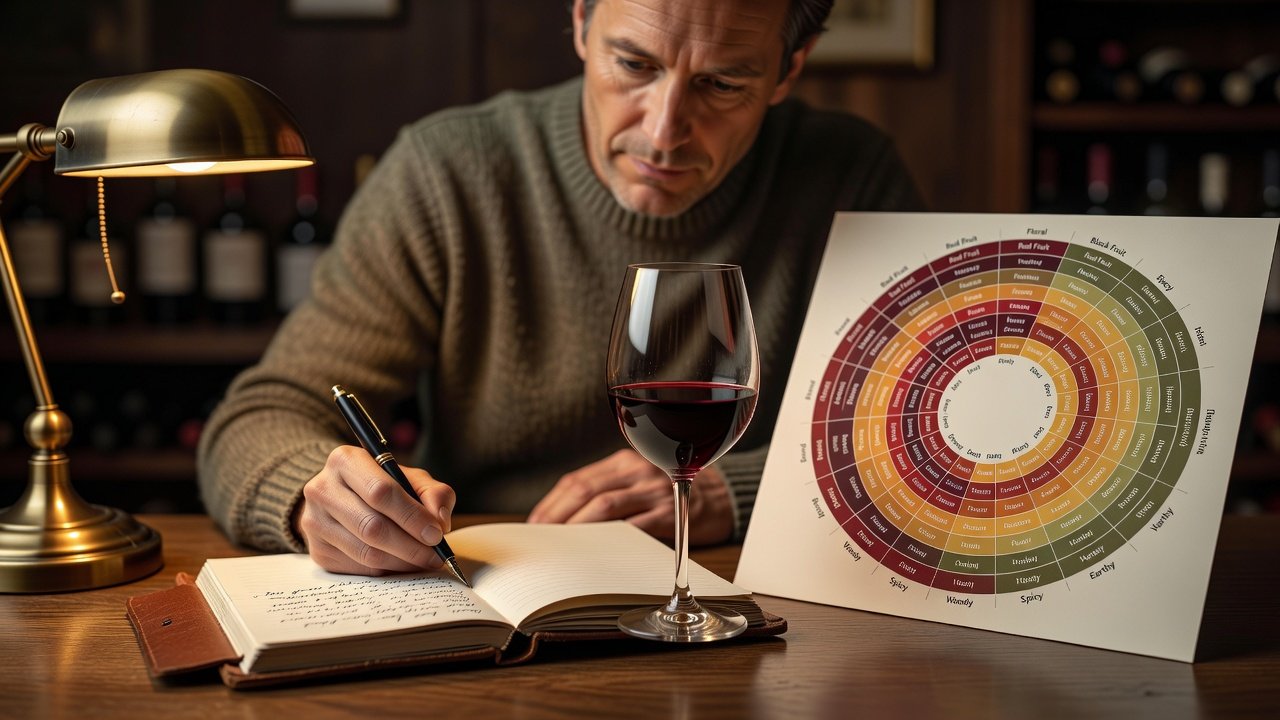
Start by keeping a dedicated tasting journal where you record impressions immediately after each sip. Use specific words rather than vague ones like "good" or "nice." Cross-reference with established wheels from organizations like the Wine & Spirit Education Trust to expand your range systematically. Over time, group similar terms into personal categories such as "red fruit" or "mineral" to speed up future note-taking. Practice by tasting the same wine multiple times over several days and noting how descriptors evolve as the wine opens up. This iterative process builds confidence and creates a unique voice that distinguishes your reviews from generic summaries.
Common Pitfalls in Descriptions
Avoid overused clichés such as "notes of blackcurrant" without additional context that explains intensity or integration. Steer clear of subjective bias by focusing on observable traits rather than personal preference. Do not confuse similar terms like "aroma" and "bouquet," where the latter often implies complexity from aging. Another frequent mistake is mixing visual, olfactory, and gustatory impressions in one sentence, which reduces clarity. Instead, structure notes with separate sections for appearance, nose, palate, and conclusion. This disciplined approach improves both the professionalism of your writing and its performance in searches for tasting notes and wine scores.
Applying Terms to Real 2026 Vintages
For a hypothetical 2026 Bordeaux, descriptors might include black cherry aromas, firm yet ripe tannins, and a mineral finish that lingers for thirty seconds. In contrast, a 2026 California Chardonnay could feature ripe peach flavors, creamy texture from malolactic fermentation, and a toasty oak finish with subtle vanilla undertones. Applying these terms consistently allows you to compare vintages across regions and years, giving readers valuable context for their own purchasing decisions.
Step-by-Step Exercises for Practice
- Select three wines of varying styles and note initial aromas without tasting, focusing on one category at a time such as fruit or spice.
- Taste blind and compare your notes to professional reviews from established sources, identifying gaps in your vocabulary.
- Revise descriptions using advanced terms after one week of reflection and additional tastings of the same bottles.
- Share notes online in wine communities and refine them based on constructive feedback about clarity and specificity.
- Create side-by-side comparisons of basic versus advanced versions of the same tasting note to track improvement.
Basic vs Advanced Terminology Comparisons
Basic: "This wine tastes fruity and smooth." Advanced: "Vibrant raspberry and violet aromas lead to a plush mid-palate with integrated tannins and a lingering graphite finish that echoes for nearly a minute." Another example: Basic: "The white wine is crisp." Advanced: "Bright lemon zest and green apple aromas give way to a racy, linear palate with refreshing acidity and a saline, mineral-driven finish." These upgrades demonstrate how precise language transforms ordinary notes into compelling content that ranks well for tasting notes and wine scores.
Using Vocabulary to Enhance Wine Scores and Professional Reviews
Professional reviewers often combine descriptive language with numerical scores on scales such as 100 points. Your vocabulary directly influences how readers interpret those scores because specific terms justify the rating. For instance, mentioning "fine-grained tannins" and "seamless integration" supports a high score more convincingly than generic praise. Incorporate this approach into your own reviews to build credibility and encourage repeat visits from readers seeking authoritative tasting notes.
FAQ
How do I use these terms in professional reviews?
Structure reviews with clear sections for appearance, nose, palate, and conclusion, then tie the descriptors to an overall score for maximum impact and search visibility.
Are there regional differences in vocabulary?
Yes, Old World wines often emphasize terroir-driven terms like minerality while New World highlights fruit-forward profiles such as tropical or jammy.
Can beginners start with simple terms?
Absolutely—build gradually from everyday descriptors to nuanced ones over repeated tastings and by studying established references.
What role does vocabulary play in wine scores?
Precise language provides the evidence behind numerical ratings, helping readers understand why a wine earned a particular score and improving the overall usefulness of your content.
Consistent practice with these tools will enhance both your personal enjoyment and the quality of your published tasting notes and reviews, ultimately helping you produce content that ranks effectively for key phrases like tasting notes and wine scores.
No comments yet. Be the first!