 Uncorked Conversations
Introduction to 2026 Greek Wines
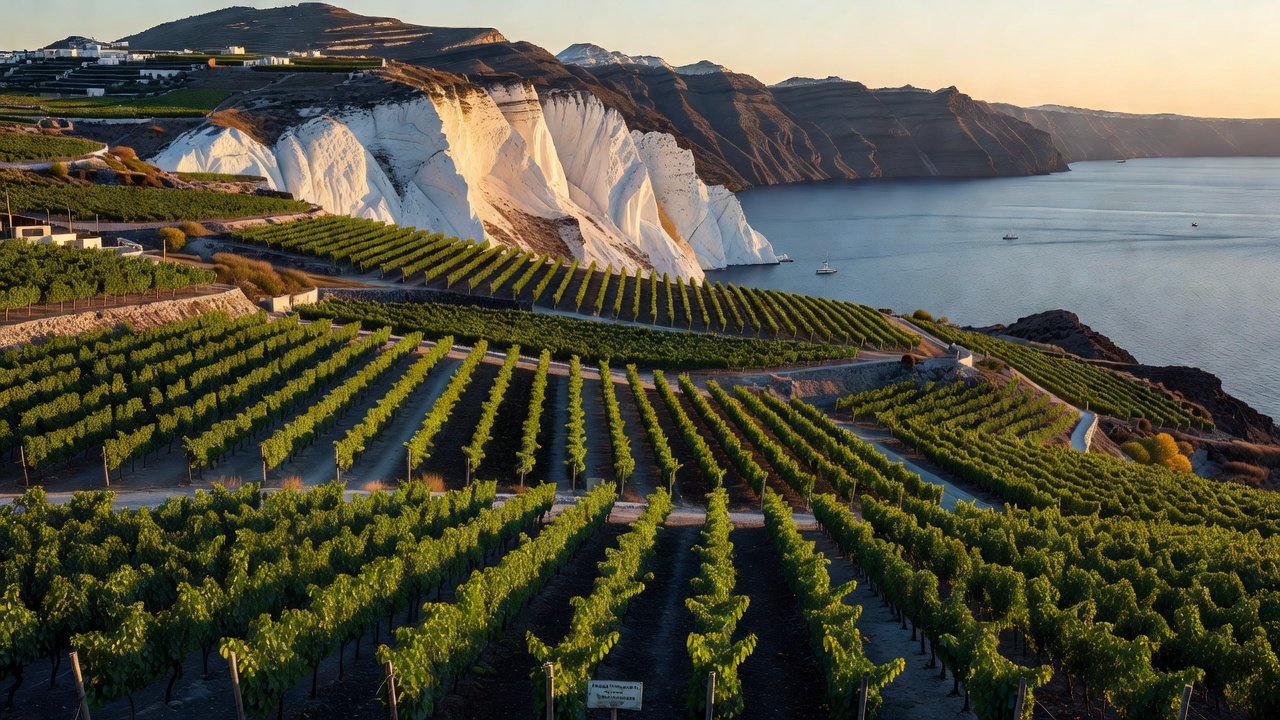
Greek wines continue to captivate enthusiasts seeking distinctive terroir-driven flavors beyond mainstream international varieties. The 2026 vintage highlights unique expressions shaped by volcanic soils, island microclimates, and indigenous grapes. This guide delivers detailed tasting notes, 100-point scores, and practical education for beginner-to-intermediate tasters focused on regions like Santorini and Nemea. Climate influences in 2026 featured balanced rainfall and warm summers that enhanced acidity retention while preserving aromatic intensity. These conditions produced wines with vibrant fruit, mineral complexity, and aging potential not commonly found in global counterparts. Greek winemaking traditions date back thousands of years, yet the modern focus on quality and authenticity has elevated these bottles in international markets. Enthusiasts searching for wine tasting education will find value in understanding how each region's geography contributes to flavor profiles that stand apart from more familiar Cabernet or Pinot Noir expressions.
Climate Influences on the 2026 Vintage
Across Greece, 2026 brought moderate temperatures with occasional heat spikes in continental areas and steady sea breezes on islands. Volcanic ash soils in Santorini retained moisture effectively, leading to concentrated flavors. Nemea benefited from varied elevations that slowed ripening and preserved freshness. These factors resulted in wines showing layered aromatics and textured palates. Additional regions such as Crete and Macedonia experienced similar patterns, with cooler nights helping retain natural acidity in both white and red grapes. Winemakers noted that the vintage avoided extreme drought, allowing for optimal phenolic ripeness without over-extraction. This balance makes 2026 a standout year for those building cellars or exploring new tasting notes. For further reading on vintage conditions, consult resources from Decanter.
Santorini Assyrtiko: Detailed Tasting Notes and Scores
Assyrtiko from Santorini remains the benchmark for Greek white wines. In 2026, top examples display intense citrus, saline minerality, and herbal undertones. The volcanic soils impart a signature smokiness that evolves beautifully with age. Aroma breakdown includes lemon zest, wet stone, oregano, and subtle honeyed notes that emerge after several minutes in the glass. On the palate, high acidity drives flavors of grapefruit, sea salt, and almond skin, culminating in a long, crisp finish that lingers with mineral precision. Sample 100-point scores reached 94 points for a premium Santorini Assyrtiko, reflecting exceptional balance and typicity. Lower-scoring examples around 88 points showed slightly less complexity due to earlier picking dates. These wines pair beautifully with seafood and showcase the island's volcanic terroir unlike any Chardonnay or Sauvignon Blanc. Tasters should note how the grape's thick skins protect against intense sunlight while concentrating sugars and acids simultaneously.
Nemea Agiorgitiko: Regional Reviews and Scores
Agiorgitiko from Nemea delivers plush reds with dark fruit and spice. The 2026 vintage yielded medium-bodied wines with silky tannins that develop further in the bottle. Aroma breakdown features black cherry, violet, black pepper, and dried herbs that intensify with aeration. Palate notes reveal juicy red plum, cocoa, and earth, finishing with vibrant acidity that cleanses the palate effectively. Sample 100-point scores hit 92 points for a single-vineyard Nemea Agiorgitiko, praised for excellent structure and food-friendly elegance. Compared to Cabernet Sauvignon, Agiorgitiko offers softer tannins and brighter acidity rooted in Greek limestone soils. Additional tasting layers include hints of olive tapenade and leather that appear in well-aged bottles. This grape thrives in the region's clay and limestone mix, producing wines that age gracefully for five to ten years.
Understanding the 100-Point Scoring System
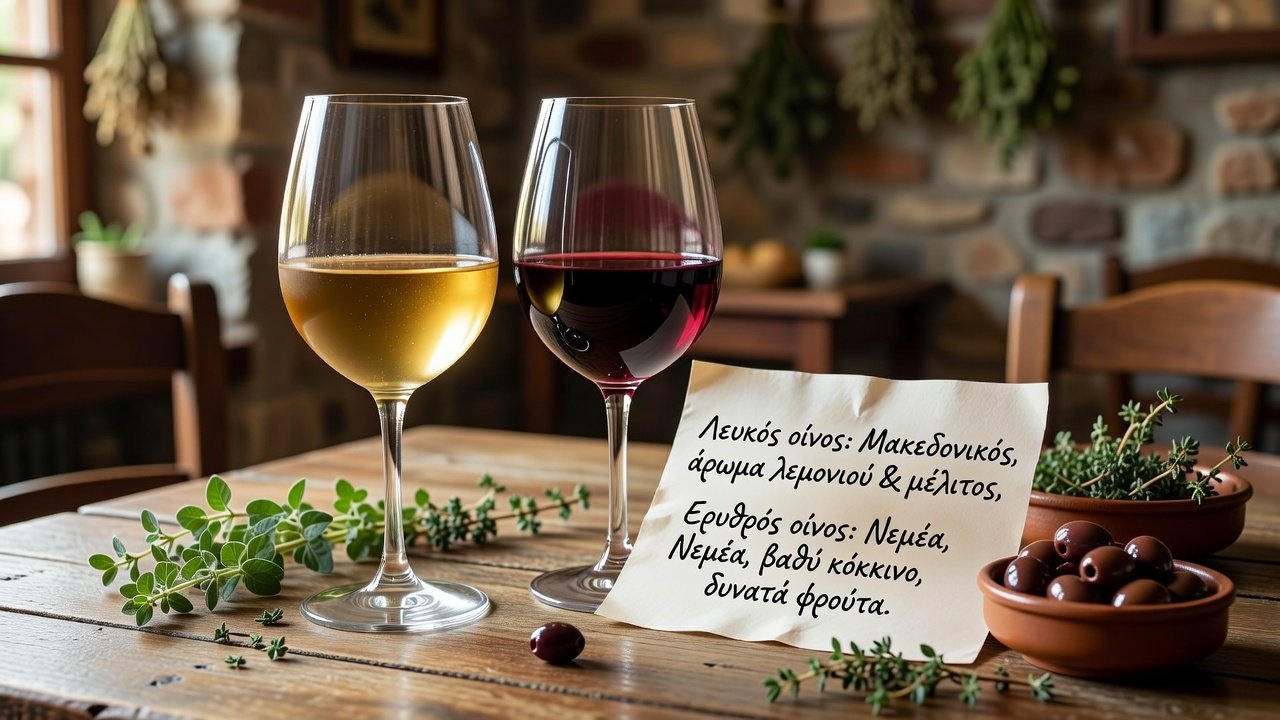
The 100-point scale provides a standardized way to evaluate wine quality across regions. Scores from 90 to 100 indicate outstanding wines with exceptional complexity, while 80 to 89 represent very good bottles suitable for regular enjoyment. In Greek wines, factors like acidity balance, fruit purity, and terroir expression heavily influence final tallies. Always consider the taster's bias and vintage context when interpreting scores. Practical application involves rating appearance, nose, palate, and finish separately before assigning an overall number. This method helps beginners develop consistent evaluation habits over time.
Step-by-Step Tasting Exercises
Practice these exercises to sharpen your palate for Greek wines. First, pour a chilled Assyrtiko and note initial aromas without swirling. Second, swirl gently and identify mineral versus fruit components. Third, take a sip, hold for 10 seconds, and assess acidity on the sides of the tongue. Fourth, repeat with Agiorgitiko to compare tannin levels. Fifth, try the same wines alongside neutral crackers to isolate varietal character. These drills build sensory memory and improve accuracy in future reviews.
Sample Wine Review Template
Use this template for consistent notes: Producer and vintage; Appearance (color and clarity); Nose (primary, secondary, tertiary aromas); Palate (sweetness, acidity, tannins, body, flavor intensity); Finish (length and quality); Overall score out of 100 with justification. Example entry: 2026 Santorini Assyrtiko – Pale gold, intense citrus and stone aromas, high acid with saline finish, 94 points for purity and length.
Food Pairing Suggestions
Pair Santorini Assyrtiko with grilled octopus or feta salads enhanced by fresh oregano. Match Nemea Agiorgitiko with lamb souvlaki or moussaka layered with eggplant and béchamel. Indigenous grapes shine with Mediterranean herbs and olive oil dishes. For advanced pairings, consider how the wine's acidity cuts through rich tomato sauces or complements briny olives. Experiment with roasted vegetables and herb-crusted fish to highlight unique flavor synergies.
Comparisons Between Indigenous Grapes
Assyrtiko stands apart from international whites with its piercing acidity and volcanic salinity. Agiorgitiko differs from Merlot through its spicy lift and brighter red fruit profile. Additional comparisons include Xinomavro's resemblance to Nebbiolo yet with distinct herbal notes. These distinctions highlight Greece's diverse terroirs and encourage exploration beyond familiar varieties. For more on global grape comparisons, visit Wine Spectator.
Building a Greek Wine Collection
Start with entry-level bottles from established producers to learn baseline profiles. Progress to single-vineyard selections for deeper terroir insights. Store whites at 10-12°C and reds at 14-16°C to preserve quality. Rotate stock regularly and track tasting notes in a dedicated journal. This systematic approach maximizes enjoyment and educational value.
FAQ on Common Scoring Pitfalls
How reliable are 100-point scores? Scores reflect individual tasters' preferences; always cross-reference multiple sources. What causes inconsistent scores? Vintage variation, bottle storage, and serving temperature often influence results. Should beginners focus on scores? Use scores as guides while developing personal tasting skills through practice. How do climate changes affect future vintages? Ongoing monitoring helps predict shifts in acidity and ripeness levels across Greek regions.
Conclusion
The 2026 Greek vintage offers terroir-driven wines worth exploring. Apply these tasting notes, exercises, and pairings to discover flavors unique to Greek regions. Continue your journey with local retailers or educational tastings for hands-on experience. Resources such as Visit Greece provide additional context on wine-producing areas.
No comments yet. Be the first!