 Uncorked Conversations
Introduction to 2026 Biodynamic Wines
Biodynamic viticulture has gained significant traction among wine enthusiasts seeking wines that reflect terroir with minimal intervention. The 2026 vintage showcases how these practices translate into distinctive aromas, flavors, and structures. This article delves into core biodynamic principles, provides expert reviews with scores, compares biodynamic and conventional wines, and offers practical identification tips for consumers looking to expand their knowledge of this growing category.
Understanding biodynamic wines requires more than surface-level tasting. These wines emerge from a holistic approach that integrates astronomy, biology, and ecology. In 2026, favorable weather patterns across key regions amplified the unique qualities that biodynamic methods can produce, resulting in wines praised for their vibrancy and depth by critics worldwide.
Core Principles of Biodynamic Farming
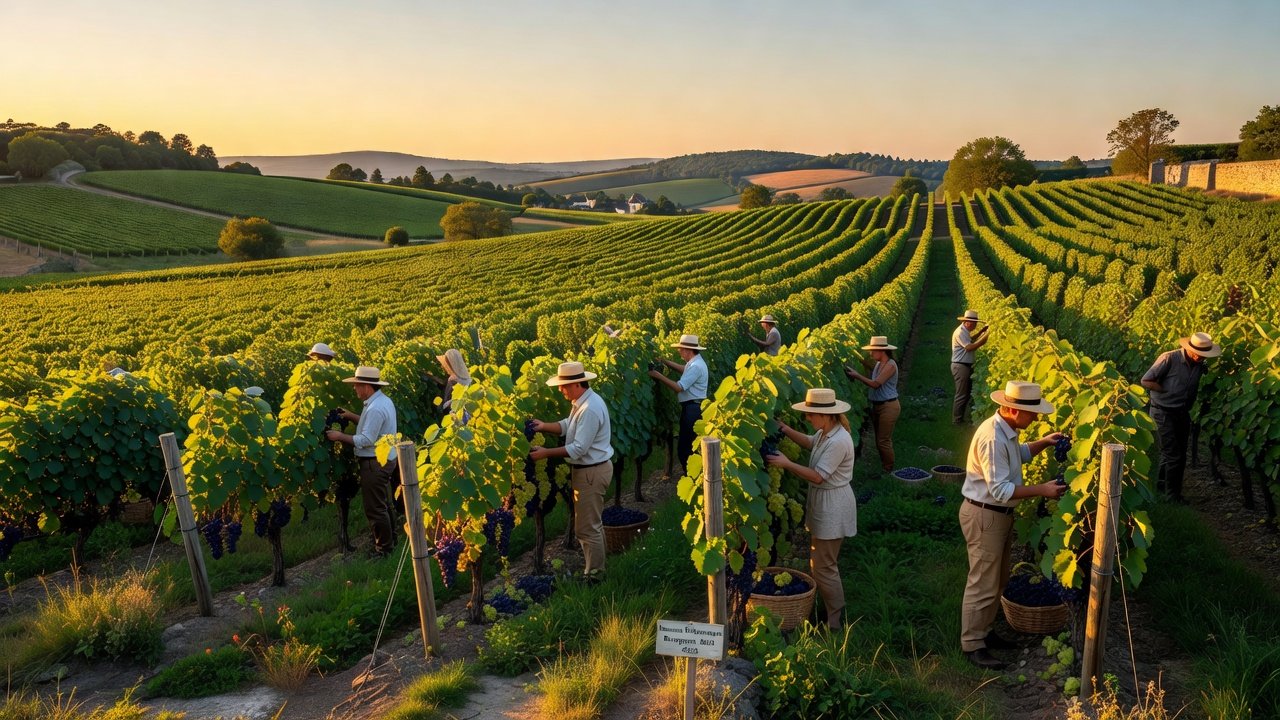
Biodynamic methods treat the vineyard as a self-sustaining ecosystem. Preparations like horn manure and silica are applied according to lunar cycles to enhance soil vitality. These practices influence grape ripeness and phenolic development, often resulting in wines with greater complexity and longevity. Farmers follow a calendar that aligns activities such as pruning and harvesting with celestial events, believing this fosters stronger connections between the vine and its environment.
How Principles Affect the Glass
Farmers report enhanced microbial activity in soils, leading to nuanced fruit expressions. In the 2026 vintage, this manifests as layered aromas of earth, herbs, and vibrant fruit without heavy oak influence. The preparations stimulate root systems, allowing vines to access deeper nutrients that conventional methods might overlook. This often leads to grapes with higher natural acidity and balanced sugars, key factors in producing age-worthy wines.
Biodynamic vs Conventional Wines: Key Comparisons
Conventional wines often rely on synthetic fertilizers and herbicides, which can mask subtle terroir notes. Biodynamic counterparts typically display brighter acidity and more pronounced mineral qualities. For instance, a side-by-side tasting reveals biodynamic Pinot Noirs offering earthier undertones compared to their conventional siblings' fruit-forward profiles. Environmental benefits also differ, with biodynamic vineyards supporting greater biodiversity and reduced runoff.
- Soil health: Biodynamic emphasizes biodiversity, reducing erosion risks and building long-term fertility through cover crops and animal integration.
- Flavor intensity: Studies from National Geographic highlight increased phenolic ripeness that contributes to more expressive wines.
- Sustainability: Lower chemical inputs support long-term vineyard resilience against climate variability.
- Yield management: Biodynamic growers often see moderate yields that concentrate flavors, unlike high-volume conventional approaches.
Featured Reviews: Burgundy Examples
In Burgundy, the 2026 vintage produced elegant biodynamic Pinot Noirs. A top example from a Côte de Nuits domaine earned 94 points for its notes of red cherry, forest floor, and silky tannins that evolved beautifully over several hours in the glass. Another Burgundy wine scored 92, praised for its balance of acidity and subtle spice, reflecting the lunar-timed harvests that many producers credit for the vintage's success. These scores come from rigorous blind tastings where experts noted the wines' ability to convey a sense of place more distinctly than many conventional peers.
Oregon Biodynamic Standouts
Oregon's Willamette Valley delivered standout 2026 biodynamic wines. One Pinot Noir received 95 points, showcasing dark fruit, violet, and a long finish influenced by regenerative soil practices that included compost teas and insect habitats. A second Oregon example scored 91, noted for its approachable structure and herbal nuances that distinguish it from conventional regional bottlings. These wines highlight how biodynamic techniques adapt well to the Pacific Northwest's cooler climate, producing structured yet elegant expressions.

Practical Tips for Identifying Quality in Reviews
Look for mentions of specific preparations or Demeter certification in tasting notes. High scores paired with descriptors like "vibrant minerality" often indicate biodynamic origins. Cross-reference scores from multiple sources to confirm consistency. Readers should also pay attention to producer stories that detail their farming philosophy, as transparency often correlates with higher quality outcomes.
Mistakes to Avoid
- Ignoring vintage specifics, as weather impacts biodynamic expressions differently each year and can alter expected profiles.
- Overlooking producer transparency about farming methods when reading labels or reviews.
- Assuming higher prices equate to better biodynamic quality, since many affordable options exist from lesser-known estates.
- Failing to consider storage and serving conditions that can mask or enhance the wine's true characteristics.
How to Source Biodynamic Wines Affordably
Start by exploring local wine shops that specialize in natural and organic selections. Many importers now carry biodynamic lines at competitive prices. Direct purchases from wineries during virtual tastings or harvest events can yield savings. Check certification labels carefully and seek emerging regions where production costs remain lower while quality stays high. Building relationships with sommeliers at restaurants can also provide insider recommendations for value-driven bottles.
FAQ: Common Misconceptions and Sourcing Tips
What is the main difference from organic wine?
Biodynamic goes beyond organic by incorporating cosmic rhythms and holistic preparations for ecosystem balance, creating a more integrated farming system.
How can I source affordable biodynamic wines?
Explore smaller importers or direct winery purchases. Check certification labels and seek out emerging regions for value-driven options that deliver strong scores without premium markups.
Are biodynamic wines always better?
Quality varies by producer skill; biodynamic methods enhance potential but do not guarantee excellence in every bottle produced.
Do biodynamic wines age differently?
Many experts observe that these wines often develop more complex secondary and tertiary aromas over time due to the living soils from which they originate.
For further reading on sustainable agriculture practices, visit FAO and USDA.
Conclusion
The 2026 biodynamic vintage highlights the rewards of holistic farming through compelling tasting notes and strong scores. By understanding these principles and comparisons, readers can better appreciate and select wines that align with their values while enjoying distinctive sensory experiences.
No comments yet. Be the first!