 Uncorked Conversations
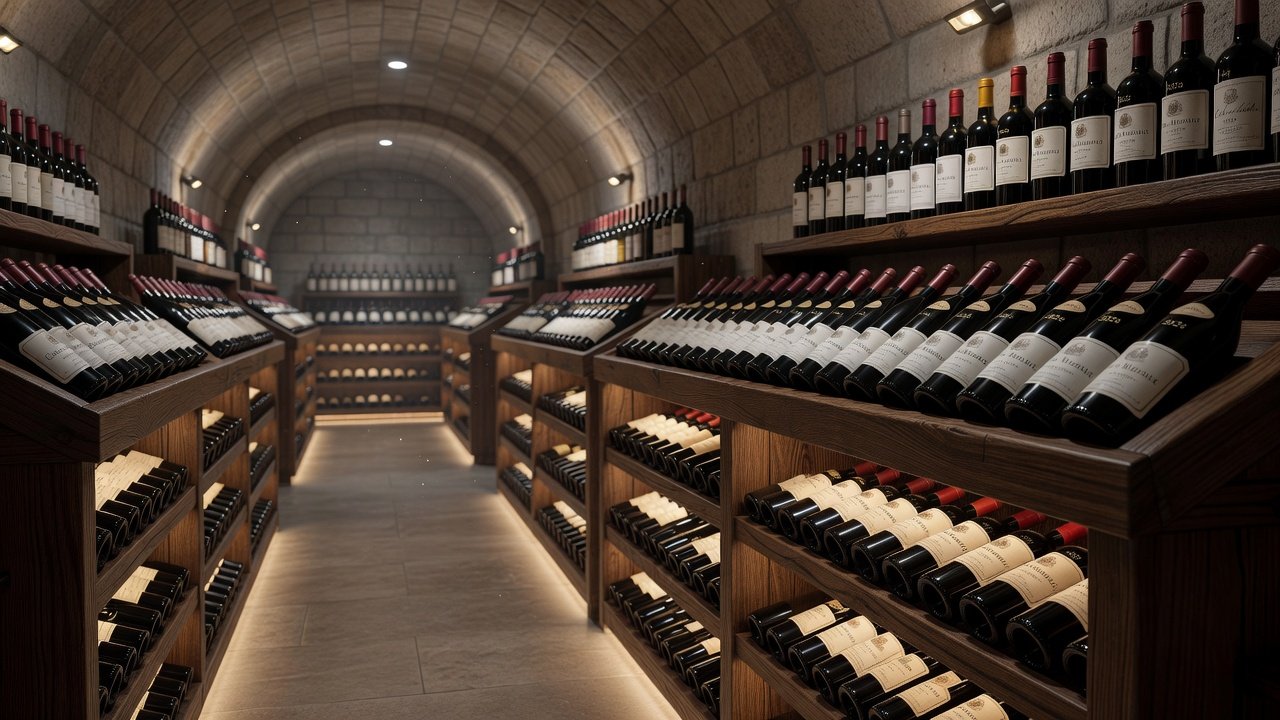
Introduction to Evaluating Wine Aging Potential in 2026
Understanding a wine's aging potential from tasting notes is essential for collectors and enthusiasts aiming to build a cellar that improves over time. In 2026, wine reviews emphasize precise descriptors that signal longevity, such as vibrant acidity and structured tannins. This guide provides practical steps to decode these elements, assign scores, and track development using examples from key regions. Readers seeking to master wine reviews and tasting notes will find actionable frameworks that go beyond surface-level observations, helping distinguish fleeting pleasures from wines that gain complexity with age.
By focusing on core indicators in reviews, you can distinguish wines meant for immediate enjoyment from those that will evolve beautifully. Whether sourcing from Bordeaux or California, the principles remain consistent across diverse styles. Professional critics and sommeliers rely on these cues daily, and with practice, anyone can apply the same logic to personal selections. The goal is not merely to read notes but to interpret them for long-term value in your collection.
Key Indicators of Aging Potential in Tasting Notes
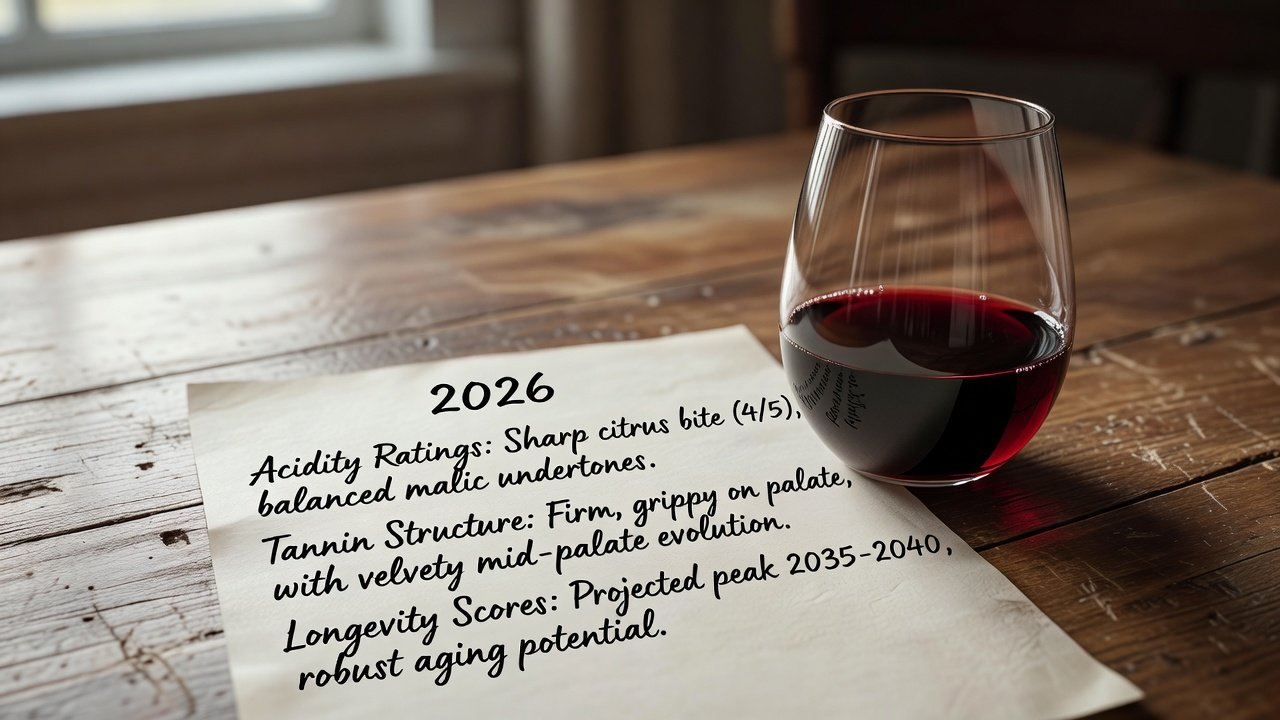
Tasting notes reveal aging clues through specific language. High acidity often appears as "zesty" or "lively," suggesting the wine can develop complexity for decades. Tannin structure is described as "firm" or "velvety," indicating backbone for long-term maturation. Fruit concentration shows in phrases like "dense black fruit" versus "bright red fruit," with the former pointing to cellar-worthy potential. Additional markers include alcohol balance and oak influence. Notes mentioning "integrated oak" rather than "dominant vanilla" support extended aging. Always cross-reference these with producer reputation and vintage conditions for accuracy. Other subtle signals include mentions of "layered aromas" or "mineral backbone," which often predict graceful evolution rather than quick consumption.
Understanding these indicators requires familiarity with regional styles. For example, Old World wines frequently highlight earth and minerality, while New World notes stress fruit power. Both can age well when balanced properly. Paying attention to the absence of negative terms like "flabby" or "short finish" further refines predictions. Over time, collectors learn to weigh these descriptors against known benchmarks from trusted publications.
Practical Steps to Analyze Notes
- Read the full review for balance descriptors like "harmonious" or "layered."
- Score acidity on a 1-10 scale mentally, prioritizing wines above 7 for cellaring.
- Assess tannins similarly, favoring structured mentions over soft ones.
- Note fruit ripeness and concentration levels, seeking density over lightness.
- Combine into an overall longevity prediction and record it immediately.
- Compare the note against similar wines from the same vintage and region.
- Factor in storage conditions you can provide at home.
Decanter offers extensive archives of such notes for reference and deeper study.
Assigning Longevity Scores from Reviews
Develop a simple scoring system: 1-3 years for early-drinking wines, 5-10 for mid-term, and 10+ for true cellar picks. For instance, a note highlighting "powerful tannins and piercing acidity" might earn a 15-year score. Track these in a personal spreadsheet alongside purchase dates and bottle counts. Adjust scores annually based on re-tastings or new vintage reports. This quantitative approach turns subjective language into measurable decisions, reducing guesswork when building a collection that spans multiple decades.
Sample Tasting Notes from Diverse Regions
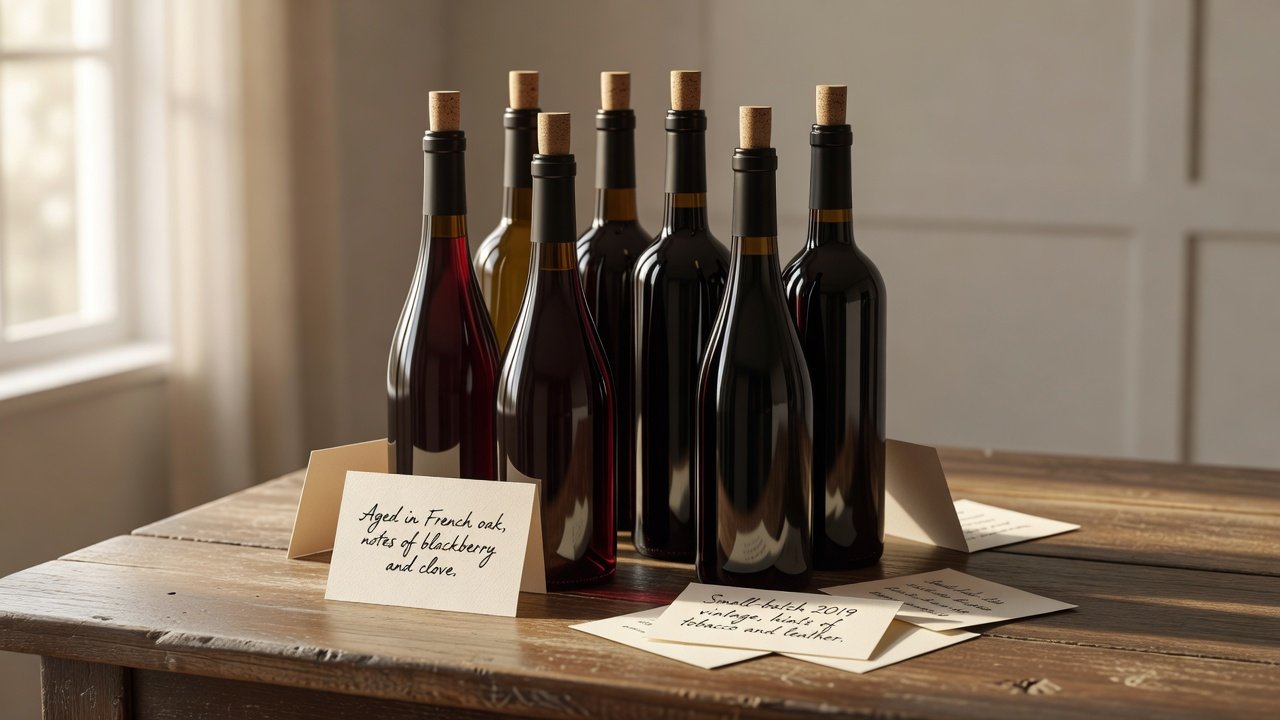
From Bordeaux: "Dense cassis and graphite with firm tannins and high acidity" – ideal for 15-20 years aging. Burgundy examples often note "elegant red fruit with silky yet persistent tannins," suggesting 8-12 years. Napa Cabernet reviews like "ripe blackberry with polished tannins" may score for 10+ years when acidity supports it. Italian Barolo notes frequently mention "tar and roses alongside bracing acidity," pointing to 12-18 years of potential. Australian Shiraz descriptions such as "concentrated dark fruit with chewy tannins" often translate to 10-15 years when the finish is described as long and structured. These examples demonstrate how regional language patterns inform predictions across the globe.
Compare these to early-drinking styles: lighter Pinot Noir notes with "juicy berry" and low tannin typically rate 2-4 years maximum. Riesling from Germany can vary widely; notes emphasizing "petrol and honey" signal longer aging than purely fruity ones.
Comparisons: Early-Drinking vs Cellar-Worthy Wines
Early-drinking wines feature softer tannins and lower acidity, perfect for current consumption. Cellar-worthy examples balance concentration with structure, evolving secondary aromas like leather or earth over time. Use side-by-side note analysis to build intuition. For instance, a 2026 California Chardonnay described as "buttery and opulent" will likely peak within three years, while one noted for "citrus zest and mineral tension" may improve for seven or more. This contrast helps prioritize purchases when budgets or storage space are limited.
Tracking Evolution and Personal Templates
Revisit bottles periodically and update notes on changes. A template might include columns for initial score, current tasting, and predicted peak. This method helps refine future purchases. Sample template entries could list: Wine name, vintage, initial acidity score (8/10), tannin score (9/10), predicted peak year (2038), and space for follow-up observations. Digital tools or simple notebooks both work effectively for maintaining these records over years.
Common Mistakes to Avoid When Interpreting Notes
- Ignoring vintage variation and assuming every year ages similarly.
- Over-relying on a single high score without reading the full descriptive text.
- Neglecting personal storage conditions that may shorten a wine's life.
- Confusing high alcohol with concentration, which can actually accelerate aging in some cases.
FAQ on Common Pitfalls
What if notes lack detail on acidity?
Cross-check with vintage charts or producer sites for confirmation and additional context from multiple critics.
Can scores be trusted blindly?
Combine professional reviews with personal palate calibration for best results and consistent outcomes.
How to avoid over-cellaring?
Monitor evolution annually rather than assuming infinite lifespan, and taste samples at regular intervals.
Should I only buy highly scored wines?
Focus instead on structural descriptors that match your aging goals, as scores alone do not guarantee longevity.
Are there regional exceptions to these rules?
Yes, certain varieties like Nebbiolo or Riesling follow unique aging patterns that benefit from specialized study.
Further reading is available at Wine Enthusiast and Wine Spectator.
Conclusion
Mastering aging evaluation from tasting notes empowers smarter cellar decisions in 2026. Apply these steps consistently to enjoy wines at their peak and develop a deeper appreciation for how structure and balance translate into lasting quality.
No comments yet. Be the first!