 Uncorked Conversations
Discovering Hidden Gems: 2026 Small-Batch Wine Reviews
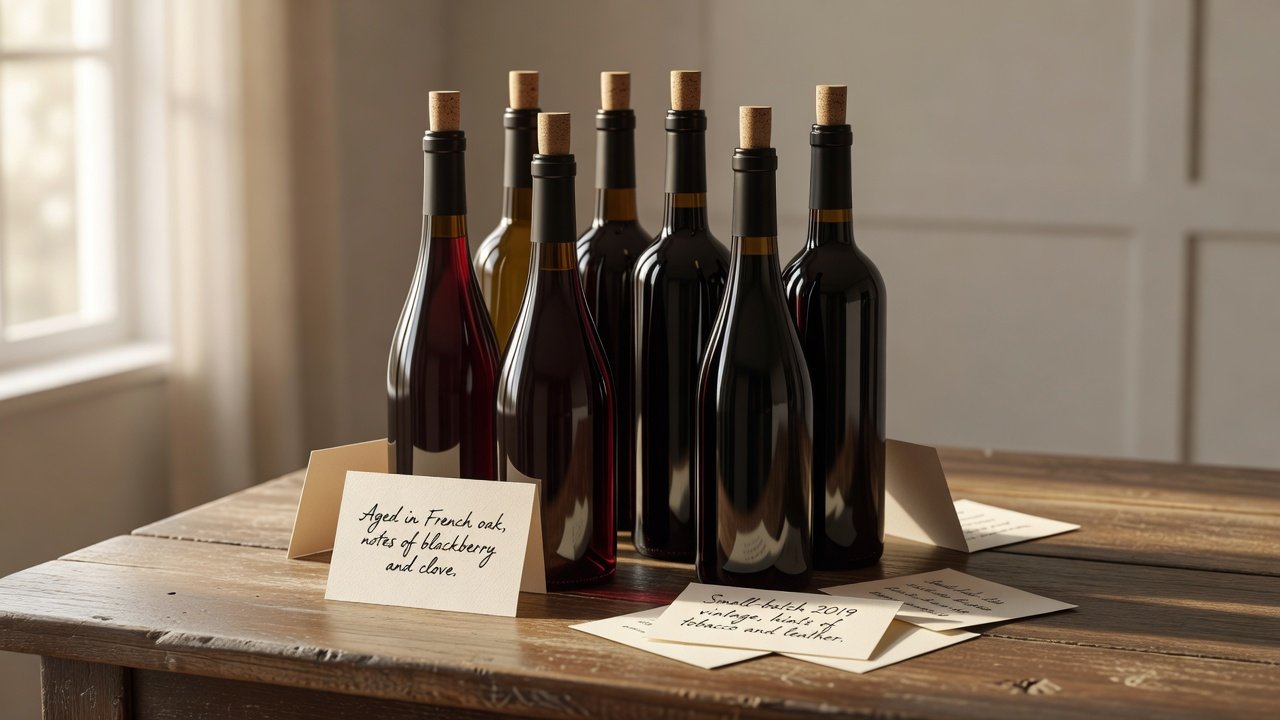
Enthusiasts seeking unique wines in 2026 are turning to small-batch producers for distinctive flavors and stories that mass-market bottles rarely deliver. This comprehensive guide delivers detailed tasting notes, transparent scores, and practical advice tailored to boutique selections. Small-batch wines, typically produced in quantities under 500 cases, offer enthusiasts the chance to explore terroir-driven expressions that reflect specific vineyards and vintner philosophies. In a market dominated by large-scale operations, these limited releases stand out for their authenticity and often superior attention to detail during harvest and fermentation.
Selection Criteria for Small-Batch Vintages
Choosing standout small-batch wines requires focus on production scale under 500 cases, sustainable farming practices, and regional authenticity. Prioritize bottles from family-owned estates using traditional methods over industrial processes. Look for limited releases from lesser-known appellations to uncover value and complexity. For example, seek out producers who hand-sort grapes and employ native yeast fermentation to preserve natural characteristics. Consider vintages from cooler 2026 growing seasons that yielded wines with vibrant acidity and precise fruit profiles. Cross-reference winery websites and independent reviews to verify low yields and minimal intervention techniques before purchasing.
In-Depth Tasting Notes and Scores for Standout Bottles
Here are seven exemplary 2026 small-batch wines evaluated on aroma, palate, finish, and overall balance using a 100-point scale. Each review includes aroma profiles, texture descriptions, and value assessments for enthusiasts looking beyond mainstream labels.
1. Oak Knoll Pinot Noir (Oregon)
Aroma of ripe cherry, forest floor, and subtle violet. Palate shows bright acidity with silky tannins leading to a long, elegant finish. This wine exemplifies the finesse possible in small-batch Oregon production. Score: 94. Elegant and age-worthy with excellent aging potential through 2032.
2. Sonoma Coast Chardonnay (California)
Notes of lemon zest, toasted hazelnut, and wet stone. Creamy texture with vibrant minerality that lingers on the palate. The wine balances richness and freshness beautifully. Score: 93. A versatile choice for both casual and special occasion drinking.
3. Willamette Valley Syrah (Oregon)
Black pepper, blueberry, and smoked meat aromas lead to a structured palate with firm yet refined tannins. The finish reveals layers of olive and dark chocolate. Score: 92. Ideal for cellaring or pairing with hearty meals.
4. Mendocino Zinfandel (California)
Wild strawberry, baking spice, and earth. Juicy with balanced sweetness and moderate alcohol that keeps it refreshing. Score: 91. Offers great everyday appeal while showcasing unique Mendocino character.
5. Russian River Valley Pinot Gris (California)
Pear, white flower, and citrus peel. Crisp and refreshing finish with subtle spice undertones. Score: 90. Perfect as an aperitif or with lighter seafood dishes.
6. Columbia Valley Cabernet Franc (Washington)
Herbal notes, red currant, and graphite. Firm tannins that soften with air, revealing tobacco and leather complexity. Score: 93. A standout for those who appreciate structured reds with aging potential.
7. Anderson Valley Gewürztraminer (California)
Lychee, rose petal, and ginger. Off-dry style with lively acidity that cleanses the palate. Score: 89. Excellent value for aromatic white wine lovers seeking something distinctive.
Transparent Scoring System Breakdown
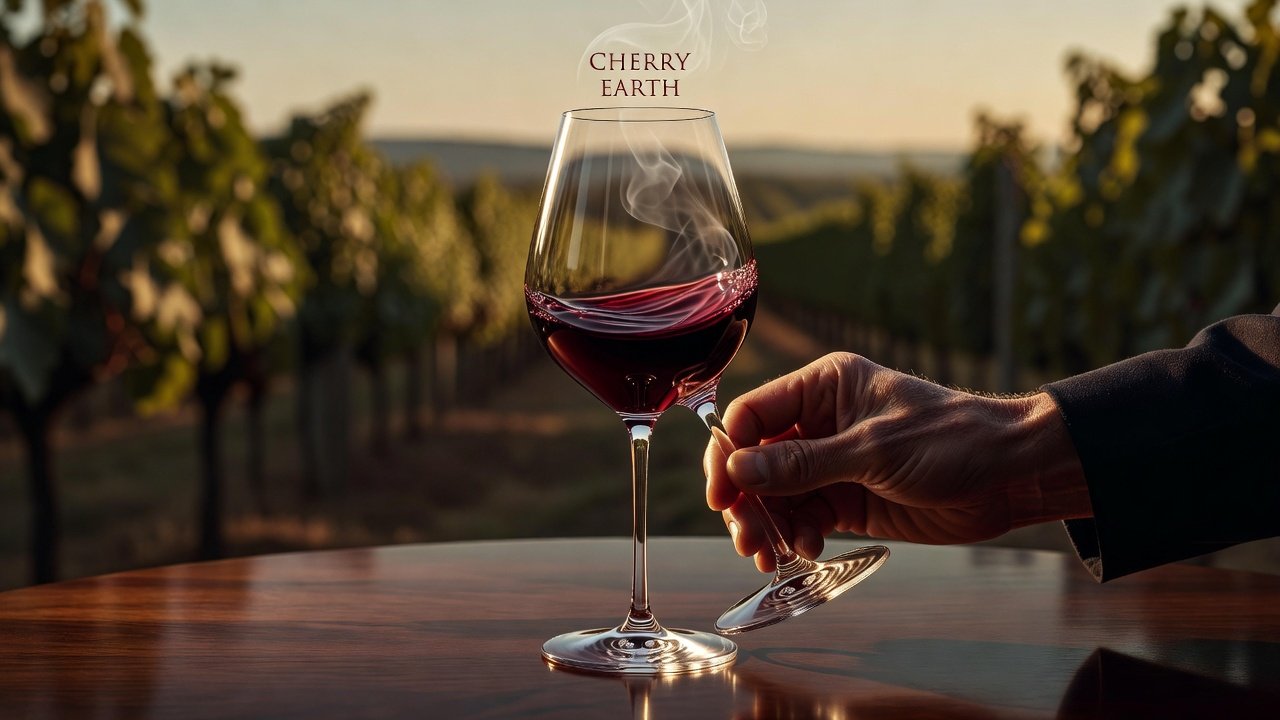
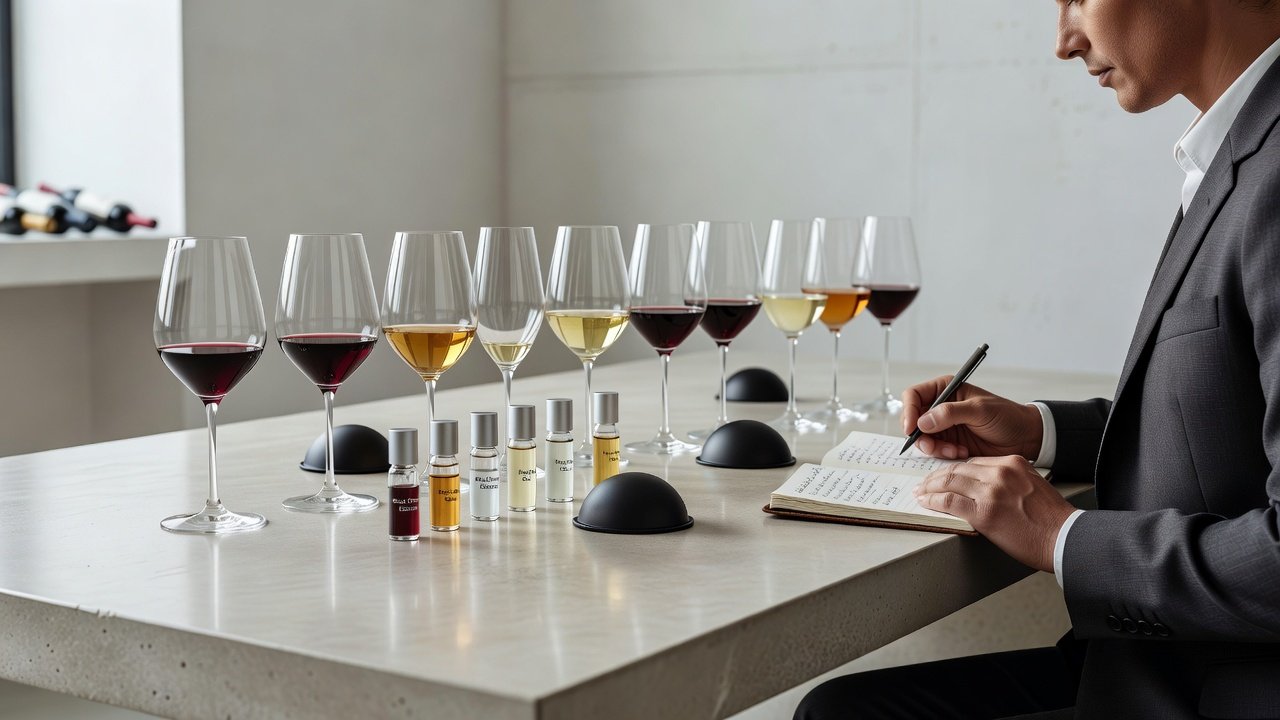
Scores reflect aroma intensity (20 points), palate structure (30), finish length (20), balance and complexity (20), and value expression (10). This system emphasizes sensory detail over hype, allowing fair comparisons across different grape varieties and regions. A score above 90 indicates exceptional quality suitable for collectors, while 85-89 points denote highly enjoyable wines with strong value. The breakdown encourages tasters to consider multiple dimensions rather than relying on a single number, fostering deeper appreciation of small-batch craftsmanship.
Comparisons to Larger-Scale Wines
Unlike high-volume producers, these small-batch options deliver layered aromatics and site-specific character. Decanter highlights how limited production preserves terroir nuances often lost in scaled operations. Mainstream wines may offer consistency and wide availability but lack the individuality found here. For instance, a large-production Pinot Noir might emphasize fruit-forward simplicity, whereas the Oak Knoll example reveals earthy complexity and aging potential. Small-batch wines also tend to show more vintage variation, rewarding those who explore yearly releases.
Sourcing Tips for Boutique Wines
- Visit winery websites directly for allocation lists and preorder opportunities, as many sell out within weeks of release.
- Partner with independent retailers who specialize in limited releases and can provide personal recommendations based on your palate preferences.
- Check wine clubs focused on small producers for early access and curated selections that match your tasting interests.
- Monitor harvest reports from regions like Oregon and Washington for upcoming drops and potential weather impacts on quality.
- Attend virtual tastings or join producer mailing lists to stay informed about limited bottlings before they reach retail shelves.
Pairing Suggestions
Match the Oregon Pinot Noir with roasted duck or mushroom risotto to highlight its earthy notes. The Chardonnay pairs beautifully with grilled halibut and herb butter, where its minerality complements the dish. For the Syrah, consider lamb chops with rosemary to balance the pepper and smoke elements. The Zinfandel works well with grilled sausages or tomato-based pastas. The Pinot Gris shines alongside fresh oysters or goat cheese salads. The Cabernet Franc suits herb-crusted beef tenderloin, while the Gewürztraminer enhances spicy Asian cuisine or blue cheese plates. Experiment with these suggestions to discover personal favorites.
Value Assessments for 2026 Bottles
Small-batch wines often provide strong value through unique profiles unavailable in commercial channels. Many of the reviewed bottles deliver complexity comparable to wines twice their production scale, making them worthwhile additions to any collection focused on discovery rather than volume.
Common Mistakes to Avoid When Buying Small-Batch Wines
One frequent error is overlooking storage conditions when ordering online, which can affect delicate aromatics. Another is assuming higher prices always equal better quality; instead, evaluate based on the detailed tasting notes provided. Finally, delaying purchases too long often leads to missed opportunities as allocations disappear quickly.
FAQ on Quality and Availability
Are small-batch wines higher quality?
Quality stems from meticulous attention rather than scale alone. Many boutique producers achieve superior results through hand-harvesting and minimal intervention, though consistency can vary more than in large operations.
How available are these wines?
Production limits mean quick sell-outs. Subscribe to newsletters from producers or use platforms recommended by Wine Enthusiast for alerts on new releases.
What makes 2026 vintages special?
Cooler growing conditions yielded vibrant acidity and precise fruit expression across many regions, enhancing the appeal of aromatic and structured wines alike.
Can I find these wines internationally?
Some producers export limited quantities. Check importer lists on winery sites or consult resources like Wine Magazine for global availability updates.
Conclusion
Exploring 2026 small-batch wines opens a world of nuanced flavors and thoughtful craftsmanship. Use these notes, sourcing strategies, and pairing ideas to expand your cellar with rewarding discoveries that go far beyond everyday selections.
No comments yet. Be the first!