 Uncorked Conversations
Introduction to 2026 Aglianico Wines
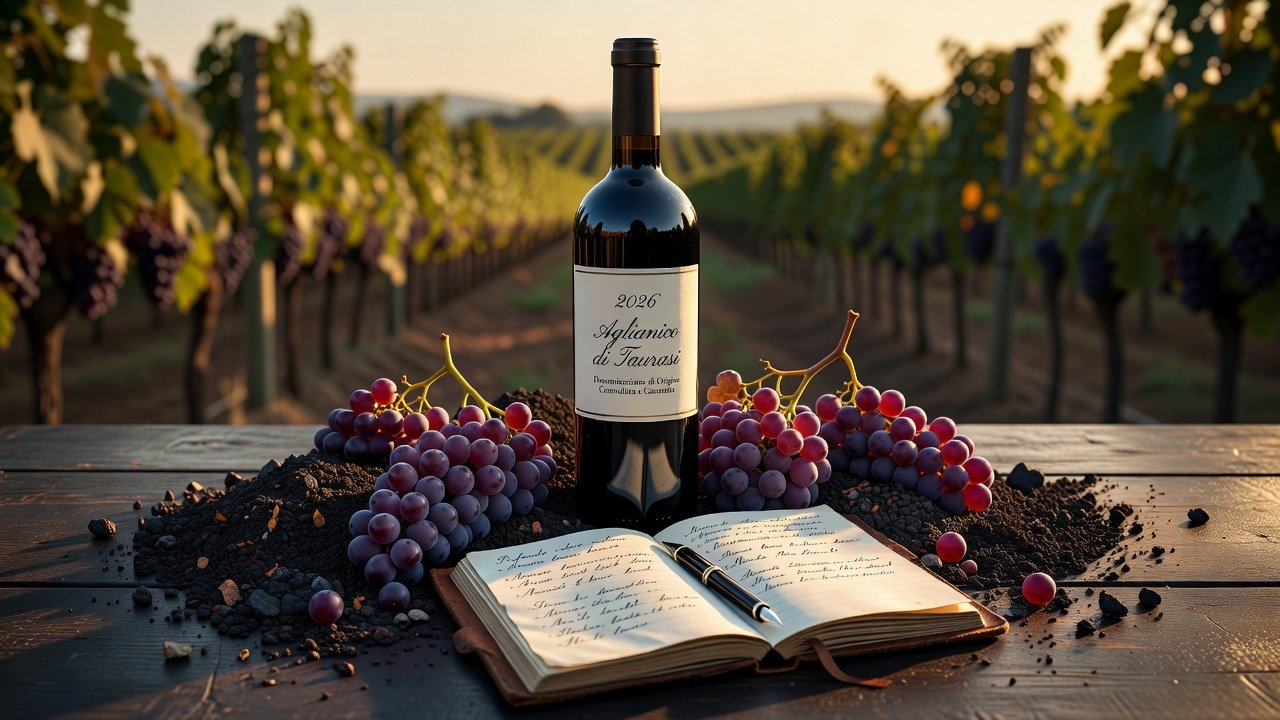
Aglianico stands out as one of Italy's most powerful and age-worthy red grapes, often compared to Nebbiolo or Cabernet Sauvignon for its structure and depth. In 2026, vintages from key southern regions continue to impress enthusiasts with complex dark fruit, firm tannins, and vibrant acidity shaped by volcanic terroirs. This guide delivers detailed tasting notes, expert scores, and practical insights to help you select and enjoy these wines confidently. Whether you are building a cellar or seeking new discoveries beyond mainstream varieties, understanding regional differences allows for more informed choices and greater appreciation of this ancient grape.
Terroir Influences Across Key Regions
The grape thrives in Campania and Basilicata, where ancient volcanic soils impart distinctive minerality and power. Taurasi in Campania produces structured, age-worthy examples, while Vulture in Basilicata offers elegant expressions with lifted aromatics. Blind tastings reveal how elevation and soil variation create diverse profiles, from brooding black cherry to earthy spice. Higher altitude sites often contribute brighter acidity, while lower slopes emphasize concentration and density. These factors influence everything from color intensity to finish length, making each sub-region unique in character.
Taurasi Region Reviews and Scores
Taurasi Aglianico wines from 2021 and 2022 vintages score highly in 2026 tastings, often ranging in the high nineties for top expressions. Expect notes of blackberry, leather, and tobacco with grippy tannins that soften after five to eight years of cellaring. Top producers highlight the region's limestone and volcanic mix for balanced acidity that supports long aging. Many bottles show layers of espresso, dried fig, and wild thyme, with a mineral backbone that emerges on the finish. Scores reflect not only power but also the precision of fruit purity and tannin management seen in recent blind panels.
Vulture Region Reviews and Scores
Aglianico del Vulture wines frequently earn strong marks, showcasing brighter red fruit, violet, and graphite. The high-altitude vineyards contribute freshness, making these wines versatile for earlier drinking or cellaring up to a decade. Tasters note elegant floral aromatics alongside dark plum and a touch of smoke from the volcanic influence. These expressions often display slightly softer tannins compared to Taurasi, allowing for enjoyable drinking sooner while still rewarding patience. The region's cooler nights help preserve acidity, resulting in wines that feel lively even in warmer vintages.
Other Notable Aglianico Areas
Additional zones like Irpinia and Sannio deliver approachable styles with plush texture. Comparisons show these wines bridge the intensity of Taurasi and the elegance of Vulture, ideal for those exploring beyond mainstream grapes. Irpinia often presents more herbal and spice-driven profiles, while Sannio leans toward ripe fruit and rounder mouthfeel. These areas provide excellent entry points for newcomers and offer strong value for everyday enjoyment.
Flavor Profiles, Tannins, and Acidity
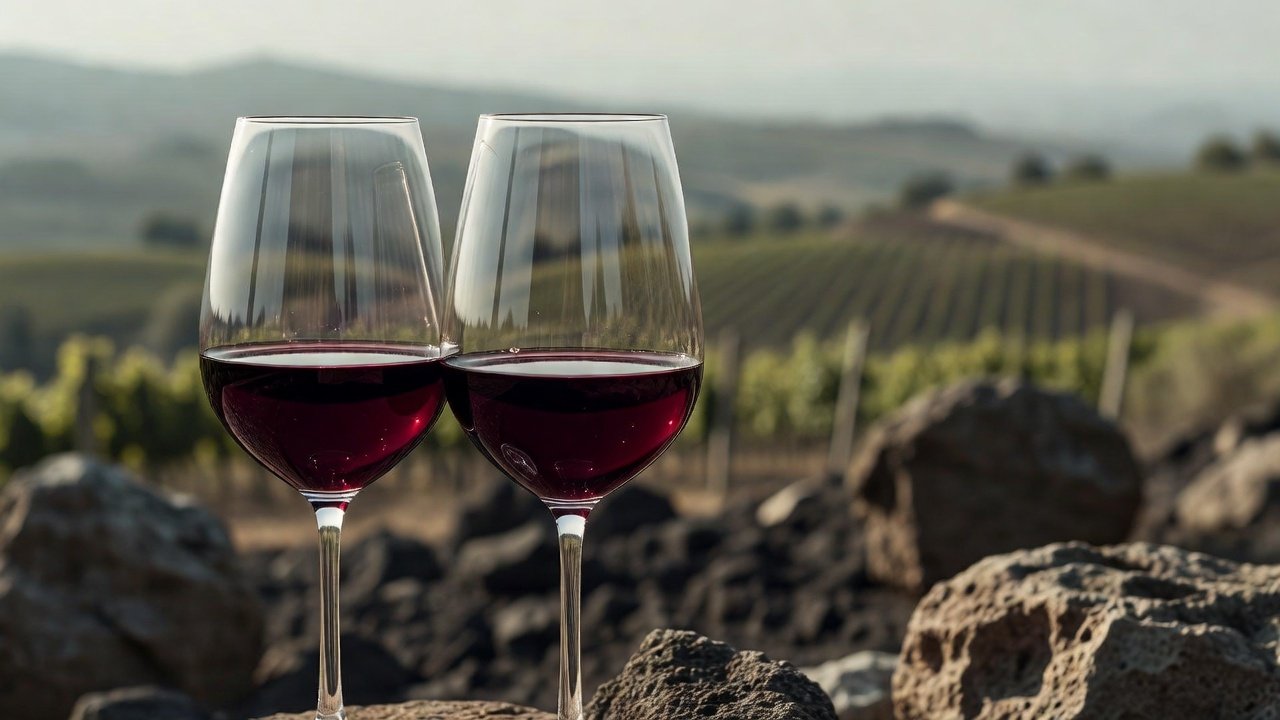
Core characteristics include dark plum, espresso, and wild herb, supported by robust tannins and bright acidity. These elements make Aglianico excellent for long-term aging, with many bottles peaking at ten to fifteen years. In 2026 tastings, professionals frequently highlight the contrast between youthful austerity and the savory, leather-like complexity that develops over time. Acidity remains a defining feature, cutting through rich dishes while tannins provide structure that demands thoughtful pairing. Understanding these components helps tasters predict how a wine will evolve in the glass or bottle.
Comparisons to Similar Bold Reds
Like Brunello di Montalcino, Aglianico offers power and longevity but often with more approachable entry points in its youth. Versus Syrah from the Northern Rhône, it emphasizes earth over pepper, providing unique pairing opportunities with grilled meats or aged cheeses. Compared to Amarone, Aglianico maintains higher acidity and less residual sweetness, resulting in a drier, more food-friendly profile. These distinctions become clear in side-by-side tastings, helping enthusiasts expand their palates systematically.
Aging Potential and Vintage-Specific Insights
2022 vintages show exceptional structure for fifteen or more years of cellaring. Earlier 2018 bottles are drinking beautifully now with resolved tannins and emerging secondary aromas. Storage tips include consistent fifty-five degree temperatures and sixty to seventy percent humidity to preserve quality. Vintage variation plays a key role; cooler years emphasize floral and mineral notes, while warmer ones bring riper fruit and softer texture. Tracking these patterns allows collectors to choose bottles suited to immediate consumption or long-term investment.
Practical Buying Tips by Price Point
Budget-friendly options from Vulture deliver vibrant everyday drinking with bright fruit and moderate tannins. Mid-range selections from Taurasi offer balanced complexity suitable for special occasions and short-term cellaring. Premium single-vineyard bottlings reward extended aging and showcase the full depth of terroir. Look for clear vintage information and producer reputation when shopping. Reading recent professional notes helps avoid over-oaked or overly extracted examples that may lack balance.
Blind Tasting Insights and Scoring Methodology
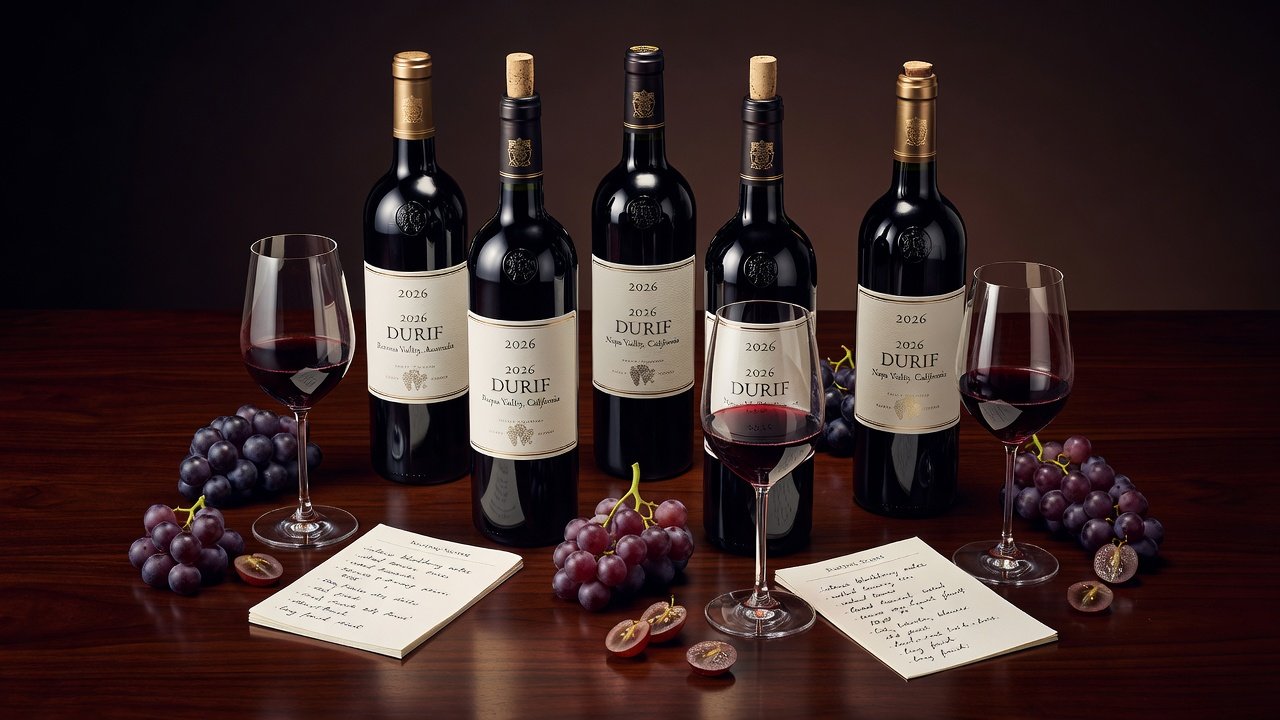
Professional panels in 2026 noted consistent excellence in acidity retention and fruit purity. Scores reflect balance, complexity, and typicity, helping readers identify standout bottles. Common descriptors include graphite, black olive, and balsamic notes that distinguish Aglianico from other southern Italian reds. Methodology often involves multiple flights to isolate regional differences, ensuring scores capture both power and elegance.
How to Score Your Own Aglianico Bottles
Start by evaluating appearance, noting depth of color and clarity. Next assess aroma intensity and quality, identifying primary fruit, secondary oak influences, and tertiary development. On the palate, rate balance between acidity, tannins, alcohol, and sweetness. Finish length and overall complexity complete the evaluation. Keeping a simple notebook of impressions builds confidence over repeated tastings.
Common Mistakes to Avoid
Many enthusiasts serve Aglianico too warm, which amplifies alcohol and masks acidity. Another frequent error is opening bottles too young without decanting, missing the opportunity for tannins to soften. Avoid storing in fluctuating temperatures or near light sources. Selecting based solely on label prestige rather than recent tasting notes can lead to disappointing purchases.
FAQ on Pairing and Storage
What foods pair best with Aglianico?
Robust pairings include braised lamb, mushroom risotto, and hard cheeses like Parmigiano-Reggiano. Its tannins cut through rich flavors effectively while acidity refreshes the palate.
How should I store opened bottles?
Use a vacuum pump and consume within three to five days, or transfer to smaller bottles to minimize oxidation.
Can Aglianico be cellared long term?
Yes, many examples improve for ten to twenty years when kept in proper conditions, developing complex tertiary aromas.
What glassware works best?
Large Bordeaux-style glasses allow full aroma development and help integrate tannins during swirling.
Conclusion
Aglianico continues to deliver exceptional value and complexity in 2026. Armed with these regional reviews, scores, and tips, wine lovers can confidently explore and score new discoveries. For further reading on Italian wines, consult Decanter, Wine Spectator, and Jancis Robinson.
No comments yet. Be the first!