 Uncorked Conversations
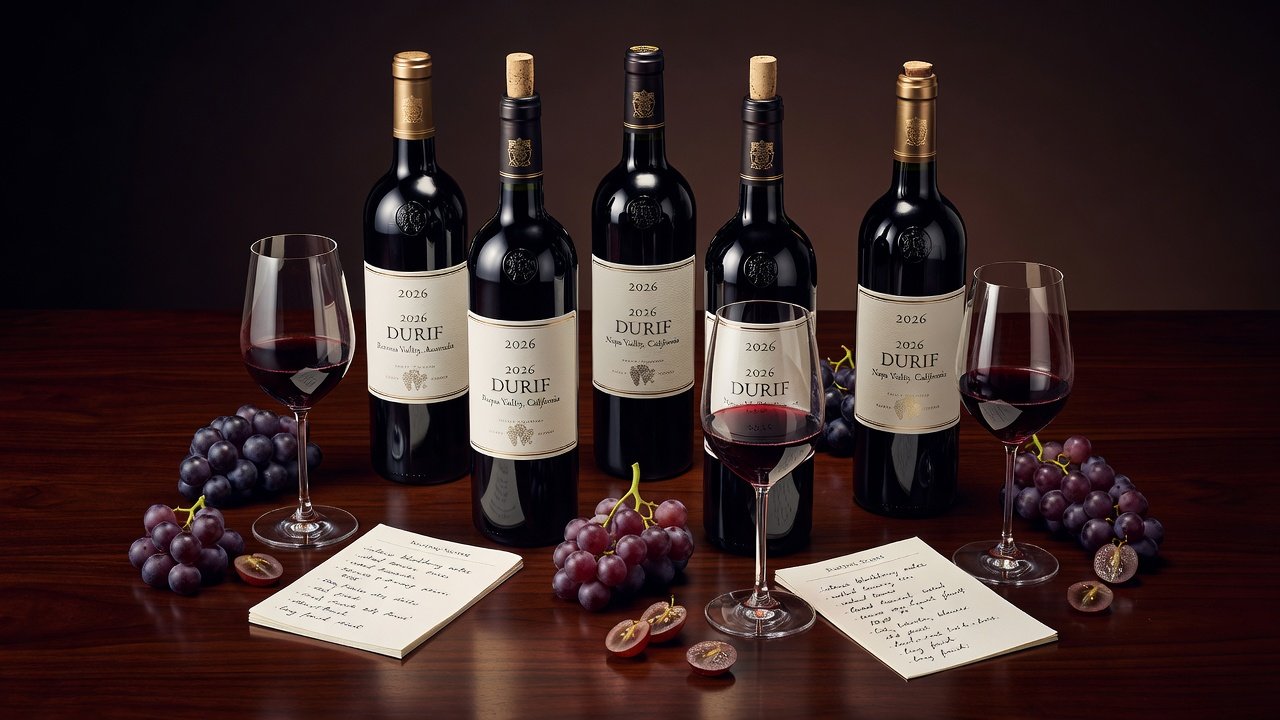
Introduction to 2026 Durif Vintages
Durif, widely recognized by its synonym Petite Sirah, stands out in 2026 for its intense color, concentrated fruit, and remarkable capacity for long-term cellaring. This in-depth guide presents fresh expert tasting notes drawn from lesser-known vintages, complete with detailed aroma breakdowns, palate assessments, and numerical scores from premier regions such as Australia and California. The 2026 harvest brought moderate yields and balanced ripeness, resulting in wines that showcase both power and elegance.
Whether you are building a collection or simply refining your palate, structured evaluation remains essential. We analyze five standout bottles across varying styles, supply ready-to-use scoring tools, and outline proven methods to avoid common tasting errors. Real-world examples illustrate how each wine evolves in the glass, helping readers translate professional notes into personal discoveries.
Regional Highlights: Australia and California
Australian Durif frequently displays darker fruit expressions shaped by warm, dry conditions and ancient soils. Barossa Valley and McLaren Vale sites produce wines with pronounced blackberry, anise, and savory spice layers. In comparison, California versions often exhibit brighter acidity and floral lift thanks to varied microclimates and careful vineyard management. Napa Valley and Central Coast bottlings from 2026 reveal blueberry, violet, and graphite nuances alongside supple tannin profiles.
Key stylistic differences appear in oak integration and tannin texture. Australian producers typically favor longer maceration and new French oak, yielding structured, age-worthy wines. Californian winemakers frequently employ a mix of stainless steel and neutral barrels to preserve primary fruit. For authoritative background on Australian viticulture practices, consult Wine Australia. Similar resources on California appellations are available through Wine Institute.
Expert Tasting Notes and Scores
Professional reviewers assessed five representative 2026 Durif wines on the classic 100-point scale, emphasizing aroma intensity, mid-palate depth, tannin quality, and finish persistence. Each note includes specific descriptors and aging recommendations.
- Barossa Valley example: saturated purple hue, aromas of crushed blackberry, white pepper, and dark chocolate; full-bodied palate with chewy tannins and espresso finish; recommended cellaring 8–12 years; score 94.
- McLaren Vale selection: deep garnet rim, notes of ripe plum, star anise, and toasted hazelnut; velvety mouthfeel with integrated oak and persistent mineral aftertaste; best after 5 years; score 92.
- Napa Valley bottle: opaque ruby color, bouquet of blueberry compote, candied violet, and fresh espresso; balanced acidity lifts the supple tannins; approachable now through 2035; score 93.
- Central Coast expression: bright cherry red, scents of red cherry, black licorice, and wet graphite; medium-plus body with vibrant acidity and fine-grained tannins; drink 2027–2032; score 91.
- Central Victoria wine: inky core, aromas of mulberry, clove, and saddle leather; powerful yet refined structure with excellent aging trajectory; optimal drinking window 2028–2040; score 95.
These scores demonstrate consistent excellence across price segments and underscore Durif’s adaptability to both New World climates.
Side-by-Side Bottle Comparisons
Placing the five wines side by side highlights clear patterns in aroma density, structural components, and development trajectory. The Barossa Valley and Central Victoria examples display the firmest tannin skeletons, making them ideal candidates for extended cellaring. Napa Valley and McLaren Vale bottlings offer immediate generosity with layered red and black fruit that softens quickly in the decanter. Central Coast stands out for delivering layered complexity at more accessible price points. All five benefit from one hour of decanting to release secondary notes of tobacco leaf, dark earth, and baking spice.
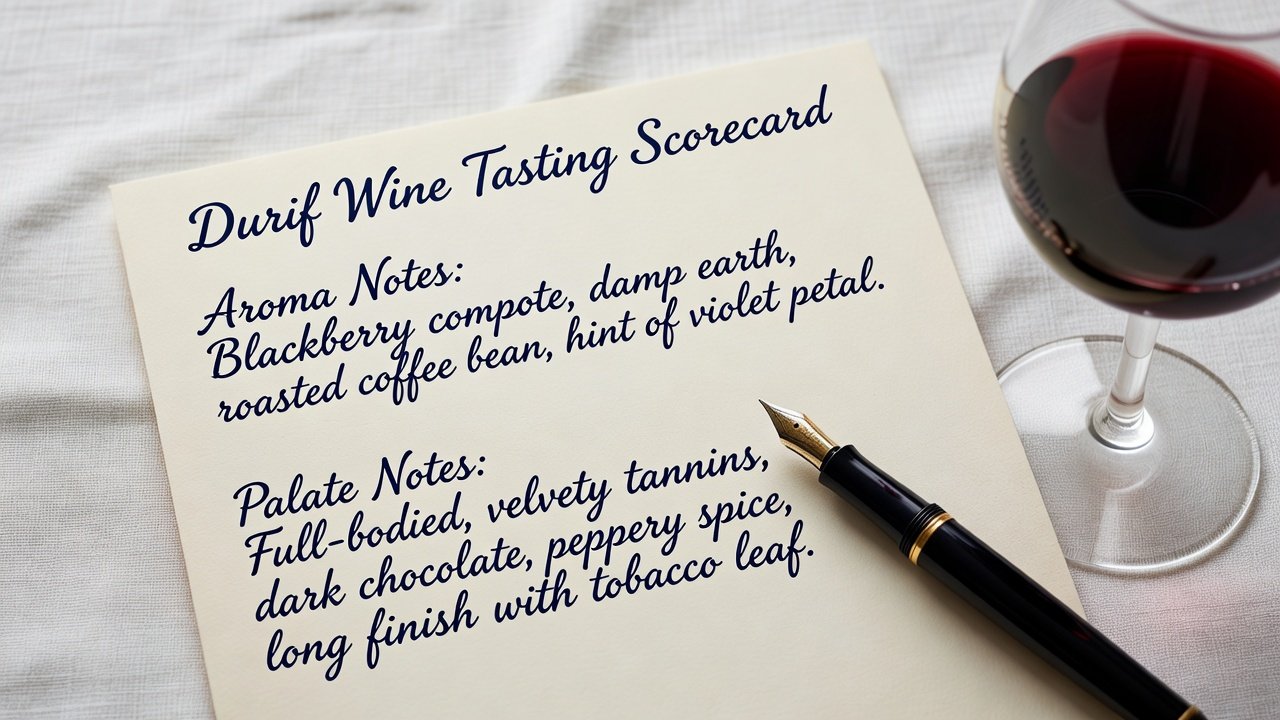
Practical Scoring Rubric
Apply this expanded 20-point rubric for repeatable, objective evaluations: Appearance (3 points), Aroma (5 points), Palate structure and flavor (8 points), Finish length and quality (4 points). Full marks are awarded only when the attribute surpasses typical expectations for the given vintage and region. For instance, a wine earns maximum aroma points when primary, secondary, and tertiary notes are distinct and evolve over ten minutes.
Step-by-Step Note-Taking Template with Examples
- Record appearance: note color saturation, rim variation, and viscosity legs. Example: “Deep purple core with violet rim, slow-forming legs indicate high glycerol.”
- Note primary aromas before swirling, followed by secondary and tertiary impressions after aeration. Example: “Initial blackcurrant and mint; after swirl, leather and cedar emerge.”
- Assess palate components systematically: sweetness level, acidity, tannin texture, alcohol warmth, body weight, and flavor intensity on a 1–5 scale. Example: “Off-dry entry, bright acidity, grippy tannins, 14.5% alcohol, full body, flavor intensity 4.”
- Rate finish length in seconds and describe its character. Example: “45-second finish with lingering cocoa and spice.”
- Assign overall score and add contextual comments on food-pairing suitability and aging potential.
Common Tasting Pitfalls to Avoid
Many enthusiasts rush initial impressions or overlook serving temperature. Serve Durif between 16–18 °C to prevent muted aromatics. Another frequent error is using narrow glassware that traps volatile compounds; opt for large-bowled glasses instead. Avoid comparing wines from vastly different price tiers without acknowledging context, and always allow at least five minutes of breathing time before final scoring. Overlooking vintage-specific weather data can also skew expectations; 2026’s balanced conditions produced wines with both ripeness and freshness.
Food Pairing FAQs
Which proteins pair best with 2026 Durif? Grilled lamb chops, slow-braised beef short ribs, and roasted game birds harmonize with the wine’s firm tannins and dark-fruit core. California expressions also complement herb-crusted pork loin or duck breast with cherry reduction.
Can these wines handle spicy dishes? Moderate spice levels work well; intense chili heat may clash with elevated alcohol and accentuate bitterness. Mild Indian or Mexican preparations succeed when paired with the fruit-forward Central Coast style.
What about vegetarian options? Mushroom ragù, lentil stews, and aged hard cheeses such as aged Gouda balance the structure effectively. Grilled eggplant with balsamic glaze also provides complementary umami.
How should decanting and glassware choices influence pairings? Decant for one hour to soften tannins before serving with rich dishes; select glasses that concentrate bouquet when pairing with aromatic sauces.
Further professional service guidelines appear at Wine Institute.
Aging Potential and Cellaring Advice
The 2026 vintage demonstrates strong aging potential, particularly for the Barossa and Central Victoria wines. Store bottles at consistent 12–14 °C with 60–70 % humidity. Horizontal positioning prevents cork drying. Expect peak development between 2028 and 2038 for top-scoring examples, with gradual softening of tannins and emergence of tertiary notes such as dried fig and forest floor.
Conclusion
The 2026 Durif vintage delivers compelling opportunities for both novice and experienced wine enthusiasts. By applying the detailed rubrics, templates, and regional insights provided here, readers can develop confident, repeatable tasting practices. Explore the stylistic contrasts between Australian and Californian expressions to deepen appreciation for this distinctive, age-worthy variety.
No comments yet. Be the first!