 Uncorked Conversations
Introduction to the 2026 Touriga Nacional Vintage
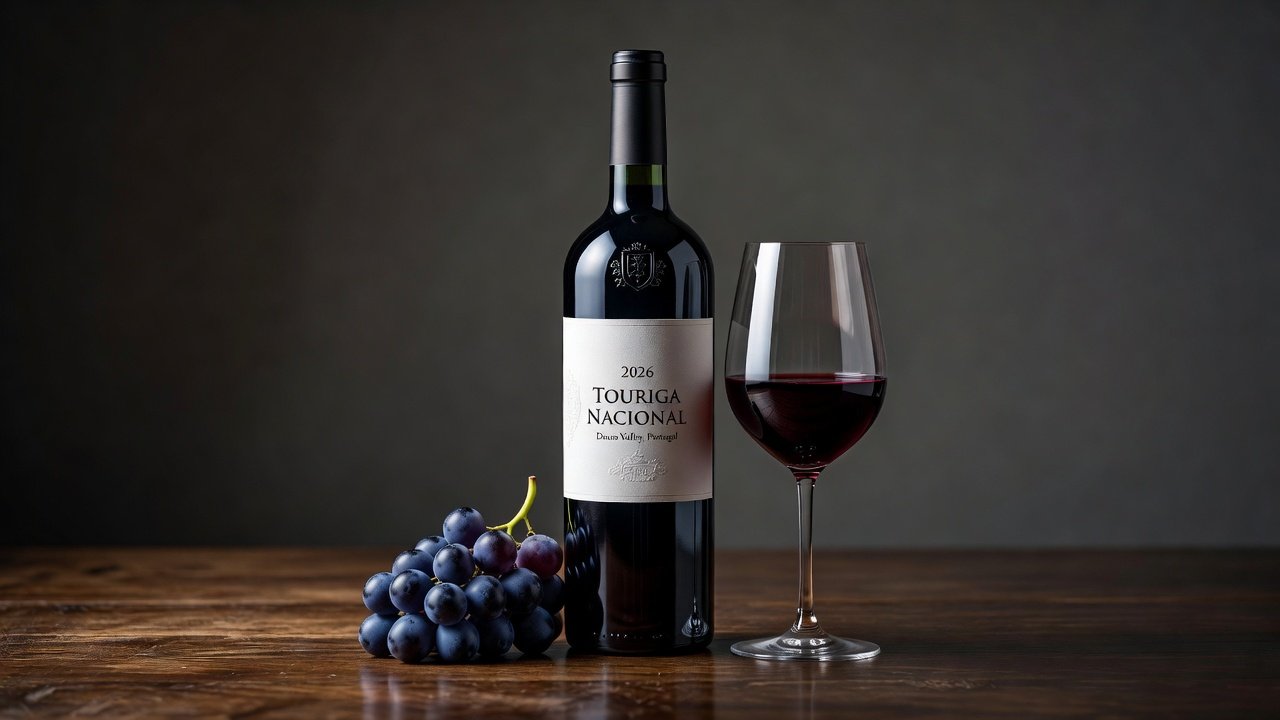
Touriga Nacional stands as Portugal's flagship red grape variety, prized for its intense color, structured tannins, and complex aromatic profile. The 2026 vintage delivered balanced conditions across key regions, resulting in wines that showcase both power and elegance. This article examines in-depth tasting notes, regional scores, and how vintage factors influenced the final expressions. Enthusiasts and collectors will find practical guidance on evaluating these wines, understanding their development, and selecting bottles for cellaring or immediate enjoyment.
Understanding Touriga Nacional's Core Characteristics
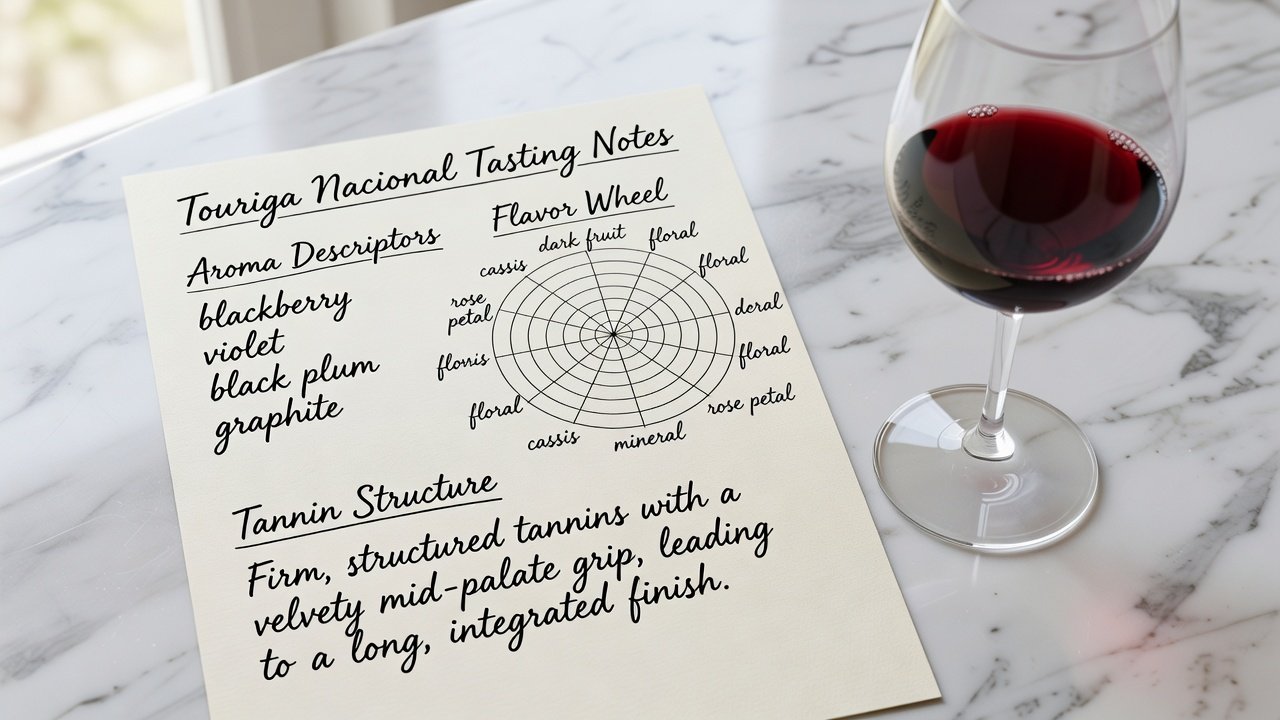
This native Portuguese grape produces deeply pigmented wines with notes of dark fruit, floral elements, and spice. In 2026, cooler nights helped preserve acidity while warm days concentrated flavors. Professional tasters consistently highlight blackcurrant, violet, and graphite aromas alongside firm yet refined tannins. The grape's thick skins contribute to high anthocyanin levels, delivering vibrant color and antioxidant properties that support long-term aging. Compared to international varieties like Cabernet Sauvignon, Touriga Nacional often expresses more pronounced floral and herbal nuances native to Portuguese terroir.
Vintage Conditions Shaping the 2026 Wines
Portugal experienced moderate rainfall in spring followed by a dry, sunny summer. These factors led to healthy ripening without excessive sugar accumulation. The result is wines with balanced alcohol levels, vibrant acidity, and age-worthy structures. Growers in the Douro noted optimal phenolic maturity, while Alentejo producers benefited from slightly earlier harvests to maintain freshness. Diurnal temperature swings were particularly beneficial, allowing grapes to retain natural acidity even as sugars developed fully. This vintage avoided the heat spikes seen in previous years, leading to more harmonious wines across the board.
Douro Valley: Tasting Notes and Scores
The Douro Valley produced standout examples with layered complexity. Typical tasting notes include ripe blackberry, wild herbs, and subtle tobacco. Tannins are polished yet present, offering excellent aging potential. Average expert scores ranged from 92–96 points, with several single-vineyard bottlings earning 97+. The schist soils of the Douro impart a distinctive mineral edge that differentiates these wines. Example professional note one: "Deep ruby color. Aromas of black plum, rose petal, and cedar. Palate shows concentrated dark fruit, fine-grained tannins, and a long, mineral finish. Score: 95 points." Example professional note two: "Opaque purple. Intense nose of violet, blackcurrant, and graphite. Full-bodied with chewy tannins, bright acidity, and a savory finish of dried herbs. Score: 94 points."
Alentejo Region: Tasting Notes and Scores
Alentejo's warmer climate yielded wines with plush fruit and softer tannins. Descriptors often include blueberry, lavender, and cocoa. The 2026 wines earned scores between 89–94 points, with top producers reaching 95. These expressions tend to be more approachable in youth compared to Douro counterparts. The granite and limestone soils contribute to rounder mouthfeel. Example professional note one: "Vivid purple hue. Bouquet of blueberry compote, violet, and sweet spice. Medium-bodied with velvety tannins and juicy acidity leading to a spicy finish. Score: 92 points." Example professional note two: "Deep garnet. Aromas of black cherry, dried rose, and cocoa powder. Smooth palate with integrated oak, plush texture, and a lingering finish. Score: 93 points."
Regional Comparison: Douro vs Alentejo
Understanding the differences between these two key regions helps consumers choose wines suited to their preferences and cellaring goals. The Douro Valley's steep terraces and schist soils create structured, age-worthy wines with higher acidity and firmer tannins. In contrast, Alentejo's flatter plains and varied soils produce softer, fruit-forward expressions that drink well earlier. Aroma intensity also varies: Douro offers more floral and herbal notes while Alentejo leans toward ripe fruit and spice. Tannin structure in the Douro features more grip and longevity, whereas Alentejo tannins are velvety and approachable. Acidity remains vibrant in both, though Douro wines typically show slightly higher levels. Food pairing versatility follows suit: Alentejo wines pair well with grilled meats and tomato-based dishes, while Douro excels alongside game, aged cheeses, and rich stews.
- Aroma intensity: Douro offers more floral and herbal notes; Alentejo leans toward ripe fruit.
- Tannin structure: Douro features firmer, more age-worthy tannins.
- Acidity: Both regions maintained vibrant levels, though Douro edges out slightly higher.
- Food pairing versatility: Alentejo wines pair well with grilled meats; Douro excels with game and aged cheeses.
- Aging trajectory: Douro wines often require 5–10 years to peak; Alentejo can be enjoyed within 3–7 years.
Standout Bottles and Scoring Guide
A simple scoring guide for enthusiasts breaks down as follows: 95–100 points indicates exceptional quality with profound complexity and aging potential; 90–94 points represents excellent wines offering great balance and character; 85–89 points covers very good everyday options with solid structure. Standout 2026 bottles include limited-production Douro cuvées scoring 96+ for their precision and depth, often from old vines that deliver concentrated flavors and refined textures.
Ideal Food Pairings
Pair these wines with roasted lamb, Portuguese bacalhau, or mushroom risotto. The structured tannins cut through rich dishes while floral notes complement herb-based preparations. For lighter Alentejo styles, consider pairing with grilled pork or vegetable tagines. Douro wines shine alongside venison or strong blue cheeses. Always consider serving temperature around 16–18°C to highlight aromatics without muting acidity.
Practical Tips for Tasting and Cellaring
Begin by swirling the glass to release aromas, then note primary fruit, secondary floral, and tertiary spice elements. Decant structured Douro wines for 30–60 minutes before serving to soften tannins. Store bottles horizontally in a cool, dark environment with consistent humidity to preserve corks and prevent oxidation.
FAQ: Aging Potential, Value Picks, and Common Pitfalls
How long can 2026 Touriga Nacional age?
Top Douro examples will evolve gracefully for 15–25 years, developing tertiary aromas of leather, earth, and dried fruit. Alentejo wines generally peak earlier but maintain quality for 8–12 years.
What are the best value picks?
Look for well-made Alentejo bottlings offering excellent quality-to-price ratios without sacrificing character. Regional cooperatives often produce reliable, affordable options that showcase the grape's versatility.
Common tasting pitfalls to avoid?
Over-decanting structured wines too early or serving at incorrect temperatures can mask their complexity. Always taste at 16–18°C and avoid pairing with overly spicy foods that may clash with floral notes.
For official Portuguese wine regulations and regional data, consult the Instituto da Vinha e do Vinho. Additional resources on Portuguese viticulture are available via Douro Valley official site and the Instituto dos Vinhos do Douro e do Porto.
No comments yet. Be the first!