 Uncorked Conversations
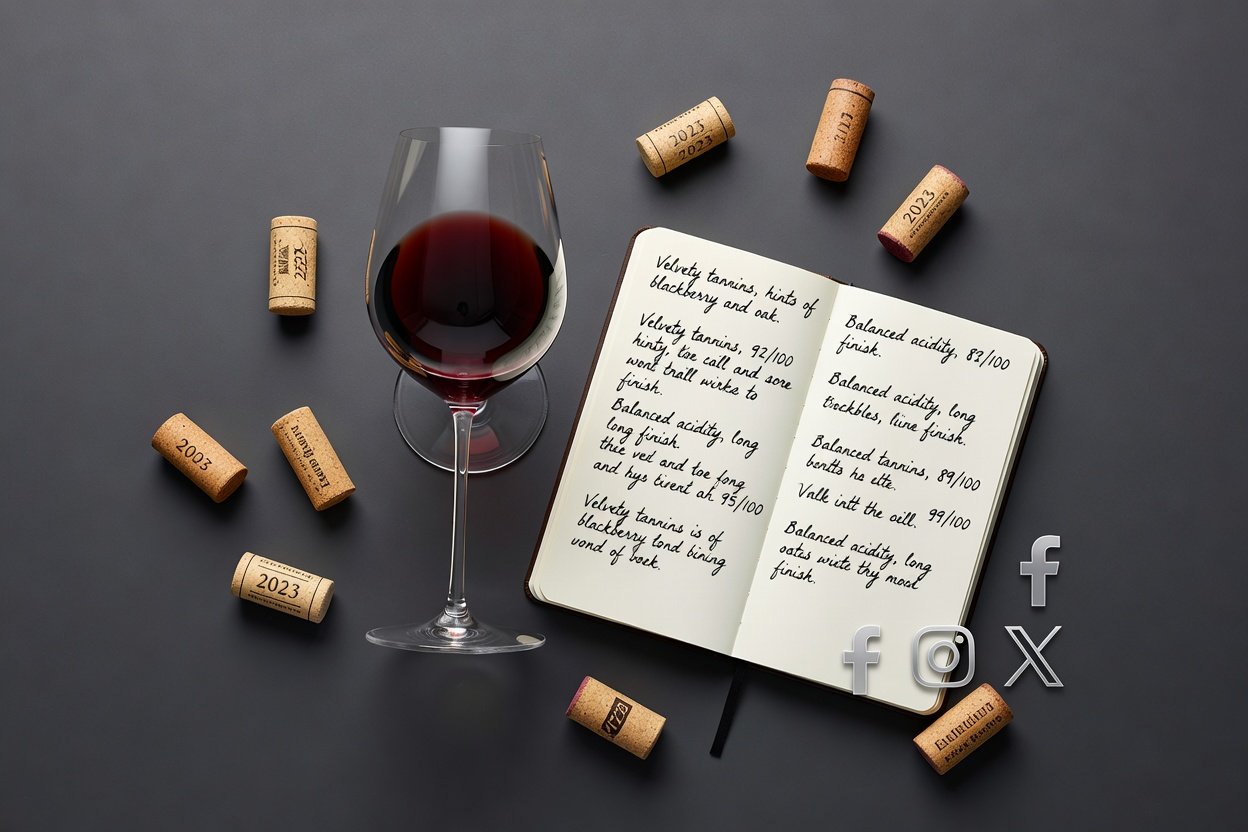
Introduction: Building a Personal Brand with Wine Content in 2026
Wine enthusiasts are increasingly turning social media into powerful platforms for sharing tasting notes and scores. In 2026, effective strategies combine visual storytelling, platform-specific tactics, and data-driven engagement to grow audiences organically. This guide explores proven approaches for Instagram, TikTok, and X, helping you turn casual posts into a recognized personal brand around vino reviews. Whether you are a hobbyist looking to connect with fellow oenophiles or an aspiring influencer aiming to monetize your passion, understanding these tactics is essential for standing out in a crowded digital landscape.
The search intent behind queries like this often focuses on practical, actionable advice rather than generic tips. Readers want to know exactly how to format posts, which hashtags drive discovery, and how to measure success without wasting time on ineffective methods. Throughout this article, we will break down each platform with real-world examples, step-by-step processes, and comparisons that help you decide where to invest your energy.
Instagram Tactics for Wine Reviews
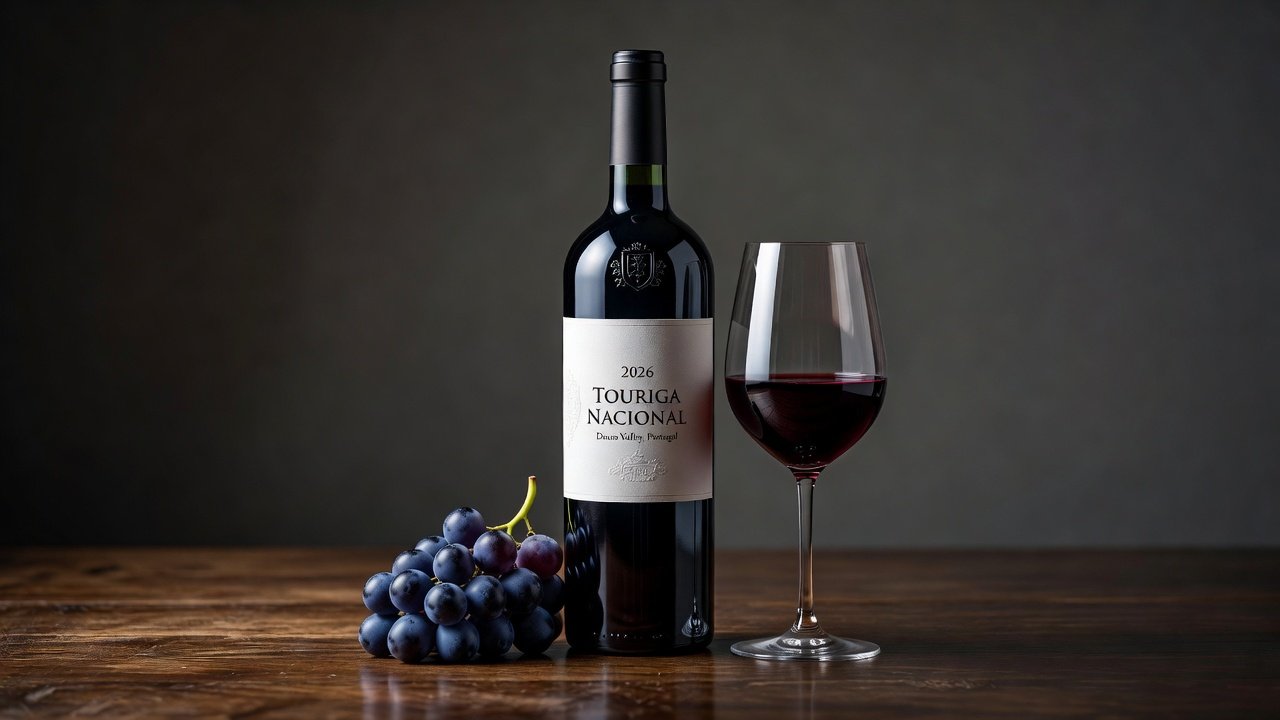
Instagram remains ideal for visual wine content. Use high-quality photos of bottles, glasses, and tasting setups. Highlight scores prominently in Stories or Reels. Post carousel formats showing the label, pour, and detailed notes for deeper engagement. In 2026, Instagram's algorithm favors Reels and carousels that keep users on the platform longer, so incorporating short video clips of swirling wine or pouring can significantly boost reach.
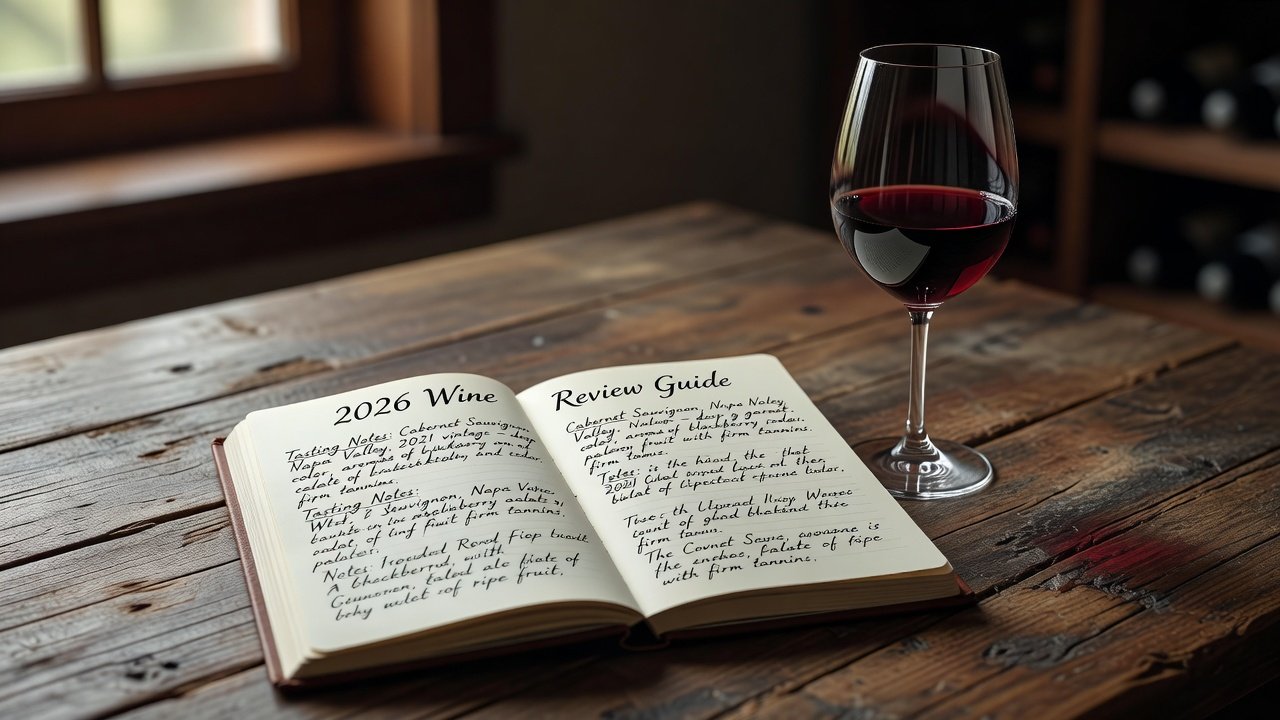
Visual storytelling works best when pairing elegant imagery with short captions that tease your tasting impressions. For example, a post featuring a Cabernet might show the deep ruby color, then reveal a score of 94 points in the next slide, followed by aroma and palate descriptors. Another effective approach is user-generated content reposts where you feature followers' own tasting photos alongside your professional notes, creating community and encouraging more shares.
Hashtag Strategies on Instagram
Effective hashtag use balances broad appeal with niche specificity. Combine broad tags like #WineLovers with niche ones such as #CabernetTasting and #WineScores2026. Limit to 8-12 hashtags per post to avoid spam filters. Rotate location-based tags like #NapaValleyWines for regional discovery. Test variations weekly by checking which combinations appear in top-performing posts from similar accounts. Research shows that mixing 60% niche and 40% broad hashtags often yields the best organic growth for wine content creators.
Learn advanced Instagram features directly from Instagram for Business resources to stay ahead of algorithm changes.
TikTok Tactics for Tasting Notes
TikTok excels at short, dynamic videos. Create 15-30 second clips where you swirl, sniff, and sip while overlaying text with your score. Trending sounds paired with wine facts increase reach significantly. The platform's For You Page rewards originality and quick hooks, so start videos with an immediate visual or question such as "Is this the best value wine of 2026?" to capture attention within the first three seconds.
Step-by-step example of a successful post: Begin with a bottle reveal and label close-up, transition to aroma description with facial expressions, reveal the score on screen, and finish with a call-to-action asking viewers to comment their favorite varietal. Duet or stitch popular wine videos to add your own scoring perspective, which can expose your content to larger audiences already interested in the topic.
Another advanced tactic involves series content, such as a weekly "Score Sunday" where you review three wines under 15 seconds each. This builds anticipation and encourages followers to return for consistent value.

Caption Formulas Incorporating Reviews
Use this formula: Hook + Score + One sensory note + CTA. Example: "Mind-blown by this 2025 vintage! 93 points for blackberry and spice notes. What's your go-to score? Comment below!" Expand this by adding a second line with pairing suggestions or a question that sparks conversation. Longer captions perform well when they tell a brief story about the tasting experience, such as the setting or food pairing, before delivering the score.
X (Formerly Twitter) Strategies
X suits quick score drops and threaded tasting notes. Post concise reviews under 280 characters, then expand in threads. Use polls for engagement, such as "Would you rate this Pinot 90+?" Real-time posting during events like virtual tastings drives interaction. Threads allow you to break down a full tasting note into digestible parts, starting with appearance, moving to nose, then palate, and ending with an overall score and recommendation.
Engage with wine journalists and sommeliers by replying thoughtfully to their posts, which can lead to retweets and increased visibility. Hashtag use on X should be minimal, typically one or two per post, focusing on timely topics like #WineWednesday.
Measuring Engagement Metrics
Track likes, comments, shares, and saves weekly. Tools native to each platform show reach and impressions. Aim for a 3-5% engagement rate as a benchmark for growth in 2026. Beyond basic metrics, monitor save rates on Instagram and completion rates on TikTok, as these indicate content that resonates deeply. Set up monthly reviews where you compare post performance across platforms and adjust your content mix accordingly. Spreadsheet templates or simple analytics dashboards can help visualize trends over time.
Organic vs Paid Promotion Comparison
Organic growth builds authentic communities through consistent posting and interactions. Paid promotion accelerates visibility via targeted ads but requires careful budget allocation to avoid inauthentic audiences. Test small campaigns first to compare ROI. Organic posts often generate higher trust and long-term followers, while paid boosts work best for promoting evergreen tasting guides or score roundups. A hybrid approach, using paid only after organic testing proves strong engagement, tends to deliver the most sustainable results.
Common Mistakes to Avoid: FAQ Section
How do I avoid overusing hashtags?
Stick to relevant, researched tags and monitor performance weekly. Overloading posts with unrelated tags can reduce reach and appear spammy to both algorithms and followers.
Should scores always be highlighted?
Yes, but balance with storytelling to prevent seeming overly promotional. Scores are attention-grabbing, yet pairing them with context about the wine's origin or your personal tasting journey creates more memorable content.
What if engagement is low?
Experiment with posting times and content formats, then analyze insights. Consider collaborating with other wine accounts for shoutouts or participating in challenges to jumpstart visibility.
How can I maintain authenticity while growing?
Always disclose sponsored content clearly and share both high and average scores to build credibility. Followers appreciate honest reviews over consistently perfect ratings.
Conclusion
By applying these 2026 social media strategies, wine enthusiasts can effectively share tasting notes and build lasting audiences across Instagram, TikTok, and X. Consistency, creativity, and metric tracking turn passion into a thriving personal brand. Start with one platform, master its nuances, and expand gradually while refining based on real performance data. The wine community values genuine voices, so focus on delivering value through detailed, engaging content that helps others discover and appreciate great wines.
No comments yet. Be the first!