 Uncorked Conversations
Introduction
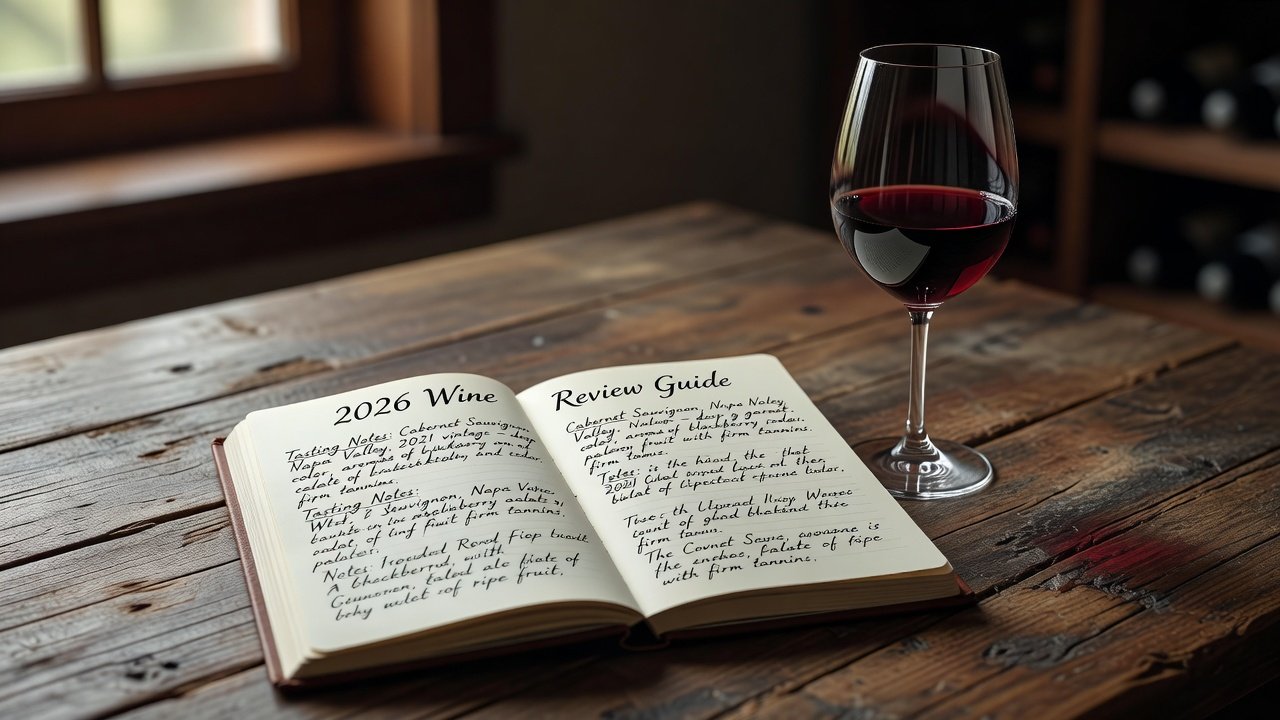
Writing effective wine reviews and tasting notes remains a vital skill for beginners and enthusiasts searching for ways to improve in 2026. Many aspiring reviewers fall into predictable traps that dilute the value of their observations. These errors range from vague language to ignoring important context like vintage variations. By identifying and correcting the top eight common mistakes, you can transform your notes into insightful, professional-quality documents that truly capture a wine's essence. This comprehensive guide explores each mistake in detail, provides flawed versus polished examples, and delivers actionable advice to elevate your vino reviews. Whether you are just starting or refining your approach, understanding these pitfalls helps create tasting notes that stand out in online forums, personal journals, and community discussions. The focus stays on practical techniques that integrate target keywords like wine reviews and tasting notes naturally while building credibility over time.
Mistake 1: Using Vague Descriptors
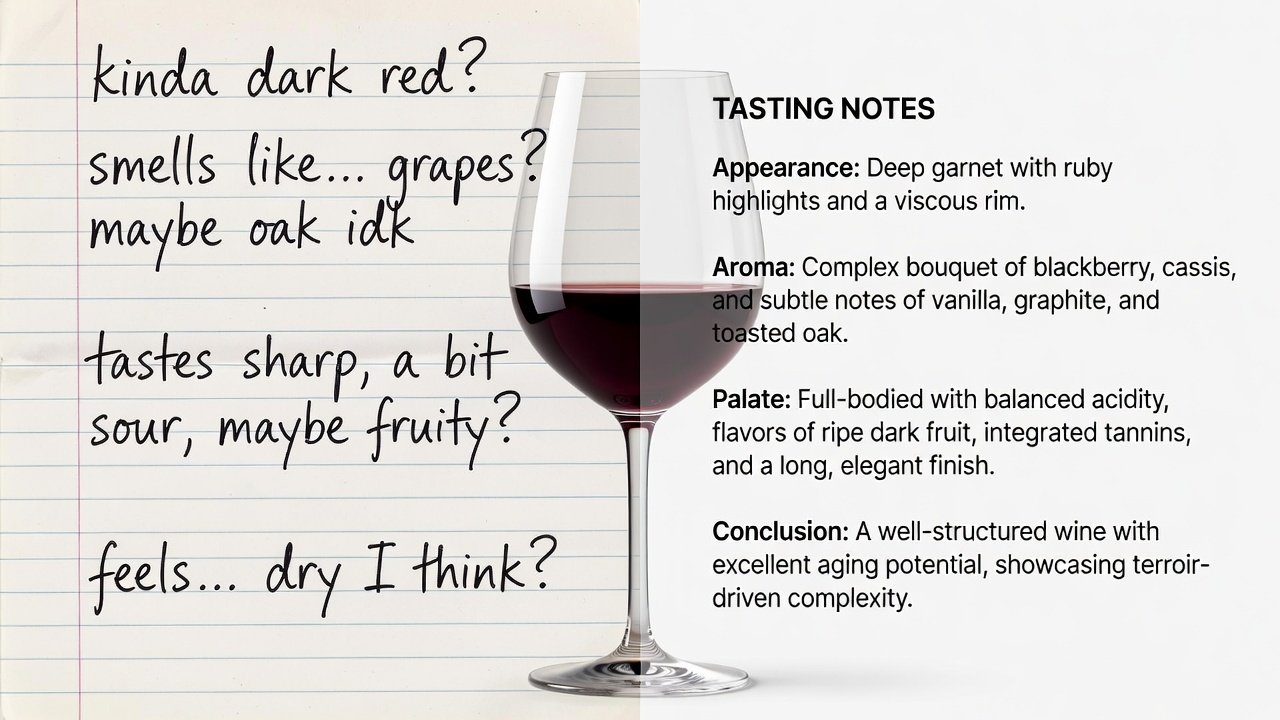
One of the most frequent issues in beginner wine reviews involves relying on imprecise words such as "nice," "okay," or "tasty." These terms convey little information and fail to help readers visualize or recall the wine. A flawed example might read: "This red wine is pretty good with some fruit flavors." In contrast, a polished note specifies: "The 2024 Napa Valley Cabernet Sauvignon displays aromas of blackcurrant, graphite, and subtle vanilla oak, finishing with firm yet integrated tannins and a medium-length palate." To fix this, expand your vocabulary through regular practice and reference resources from established publications. Consistent use of specific descriptors builds a personal lexicon that improves every subsequent review.
Mistake 2: Inconsistent Scoring
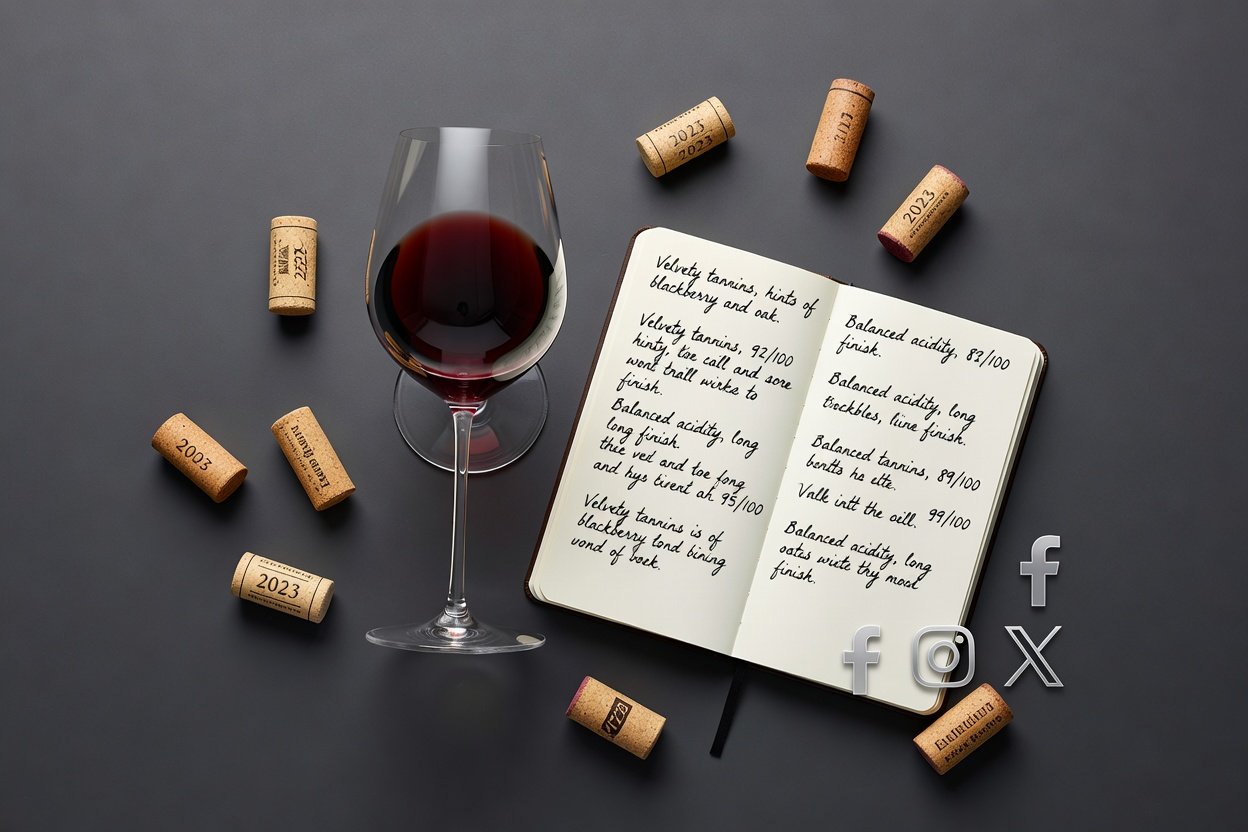
Assigning scores without a repeatable framework creates confusion for both the writer and audience. Some days a wine might receive an 88 while a similar bottle earns a 92 simply due to mood. Adopt a standardized system such as the 100-point scale popularized by major critics. Document the criteria for each range: 90+ for outstanding complexity, 80-89 for very good wines with minor flaws. This consistency allows meaningful comparisons across multiple wine reviews over months or years.
Mistake 3: Overlooking Vintage Context
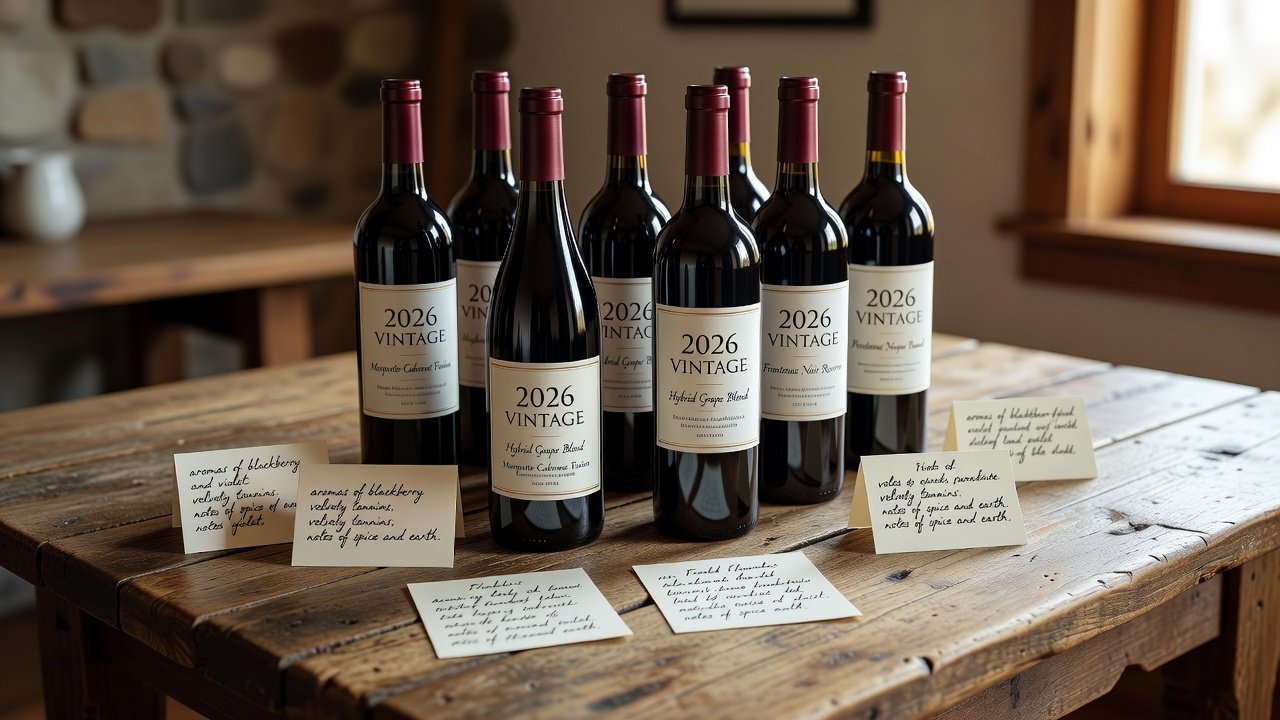
Every vintage tells a different story shaped by weather patterns, harvest timing, and regional conditions. Ignoring this context leads to misleading notes. For instance, a 2023 Burgundy might show riper fruit than a cooler 2021 counterpart from the same producer. Always research the vintage report before tasting and mention how the wine aligns with or deviates from typical expectations for that year and appellation.
Mistake 4: Ignoring Balance and Structure
Many amateur notes focus exclusively on primary fruit aromas while neglecting acidity, tannin levels, body, and finish length. A complete tasting note evaluates the interplay of these structural elements. Consider this improvement: instead of "sweet cherry flavors," write "bright acidity balances the ripe cherry fruit, supported by silky tannins that extend into a 45-second finish." Structural analysis separates memorable wine reviews from superficial ones.
Mistake 5: Relying on Personal Bias
Subjective likes and dislikes can color observations. A reviewer who prefers bold reds may underrate an elegant Pinot Noir. Separate personal preference from objective description by first recording sensory details neutrally, then adding a short opinion section. This approach maintains credibility across diverse wine styles.
Mistake 6: Skipping the Nose and Palate Sequence
Rushing through the tasting ritual misses evolving layers. Begin with appearance, proceed to swirling for aromas in stages (first impression, after aeration, after five minutes), then evaluate the palate in multiple sips. Document how flavors develop from attack through mid-palate to finish. This methodical sequence yields richer, more accurate tasting notes every time.
Mistake 7: Neglecting Food Pairing Potential
Valuable wine reviews often include suggested pairings based on the wine's acidity, tannins, and flavor intensity. A high-acid Sauvignon Blanc might pair beautifully with goat cheese or grilled seafood, while a tannic Cabernet suits grilled steak. Including one or two thoughtful pairing ideas adds practical utility for readers planning meals.
Mistake 8: Failing to Revise Notes
First impressions can shift after the wine opens or upon re-tasting the next day. Many reviewers publish initial thoughts without revisiting. Schedule a short revision step 24 hours later to capture additional nuances or correct early misjudgments. This habit dramatically improves the overall quality of your wine reviews.
Practical Fixes for Each Mistake
Build a personal tasting notebook with columns for appearance, nose, palate, structure, and conclusion. Practice blind tasting sessions weekly to sharpen focus on descriptors rather than labels. Cross-reference your notes against professional examples from Wine Magazine to identify gaps. Record scores immediately after structured evaluation and avoid adjusting them later based on external opinions. Over time these fixes compound, producing tasting notes that rival those written by experienced critics.
Step-by-Step Refinement Checklist
- Observe the wine's appearance under neutral light, noting color intensity, clarity, and rim variation.
- Swirl gently and inhale in stages, first without swirling, then after aeration, and again after several minutes to detect tertiary aromas.
- Take a small sip and let the wine coat the palate, assessing sweetness, acidity, tannin, alcohol, and body separately before integrating them.
- Evaluate the finish by timing its duration and noting whether flavors persist cleanly or fade abruptly.
- Compare the wine against known vintage characteristics using resources from Decanter.
- Revise the draft for specificity, removing any vague language and ensuring balance between positive and critical observations.
- Add one food pairing suggestion and a final score only after completing the descriptive sections.
Amateur versus Professional Approaches Compared
Amateur wine reviews often read like diary entries with phrases such as "I liked it a lot" or "not my style." Professional notes, however, remain precise and reader-focused. An amateur might write "fruity and easy to drink," while a pro specifies "vibrant red cherry and raspberry with hints of crushed violet, medium body, and refreshing acidity that makes it versatile with food." The difference lies in training the palate through repetition and studying classic descriptors. Professionals also contextualize the wine within its region and vintage, something beginners frequently overlook. Adopting even a few professional habits elevates your own tasting notes quickly.
FAQ on Using Scores Effectively
How should scores be used alongside tasting notes? Treat the numerical score as a concise summary that follows the detailed description. The narrative provides the real value for readers deciding whether to purchase or cellar the wine.
Are 100-point scores still the standard in 2026? Yes, the system remains widely recognized, though many publications now emphasize transparency by publishing the full tasting note and criteria used. Scores work best when supported by specific sensory details.
Should I publish scores for every wine I taste? Reserve scores for wines you evaluate thoroughly. Casual everyday bottles may warrant only short descriptive notes without a formal rating.
How do I avoid score inflation over time? Periodically recalibrate by re-tasting known benchmark wines and comparing your scores against those published by Wine Enthusiast.
Conclusion
Avoiding these eight common mistakes transforms ordinary wine reviews into powerful tools for personal growth and community sharing. Consistent practice with the refinement checklist, combined with deliberate attention to structure and context, produces tasting notes that inform and inspire. Continue learning by studying examples from leading sources and revisiting your own earlier notes to track improvement. With focused effort, your 2026 wine reviews will reflect both precision and passion.
No comments yet. Be the first!